
Ball Screw Linear Actuator
13 items with published dimensions.
A ball screw linear actuator turns a motor into a controlled push or pull along one axis. The screw converts rotation into thrust, a guide takes the side load so the screw is not bent by it, and the housing holds the whole assembly in line. The result is a compact electric drive that can be bolted to a frame and wired to a controller, replacing a hydraulic or pneumatic cylinder where the movement has to be programmable and repeatable.
Thrust, stroke, speed and mounting style are the four numbers to settle first. Thrust comes from motor torque and screw lead, speed comes from the same two numbers in the opposite direction, and the mounting decides whether the unit pushes, pulls or carries a load on its carriage. A screw actuator holds position without a brake on a fine lead, which is useful on clamping and pressing work where the force has to stay applied after the motor stops.
Applications are found in press and clamp mechanisms, valve actuation, lifting and positioning, filling and packaging machines, test stands and assembly cells. Buyers are machine builders replacing a fluid power cylinder with an electric axis, and maintenance teams replacing a worn actuator on a machine already in production, so the mounting interface and the stroke usually follow an existing installation.
Where an actuator replaces a cylinder, the stroke, the mounting pattern and the load are normally fixed by the existing machine, so the quotation starts from those three and works back to the screw lead and the motor. A drawing of the mounting face removes most of the risk in a retrofit.
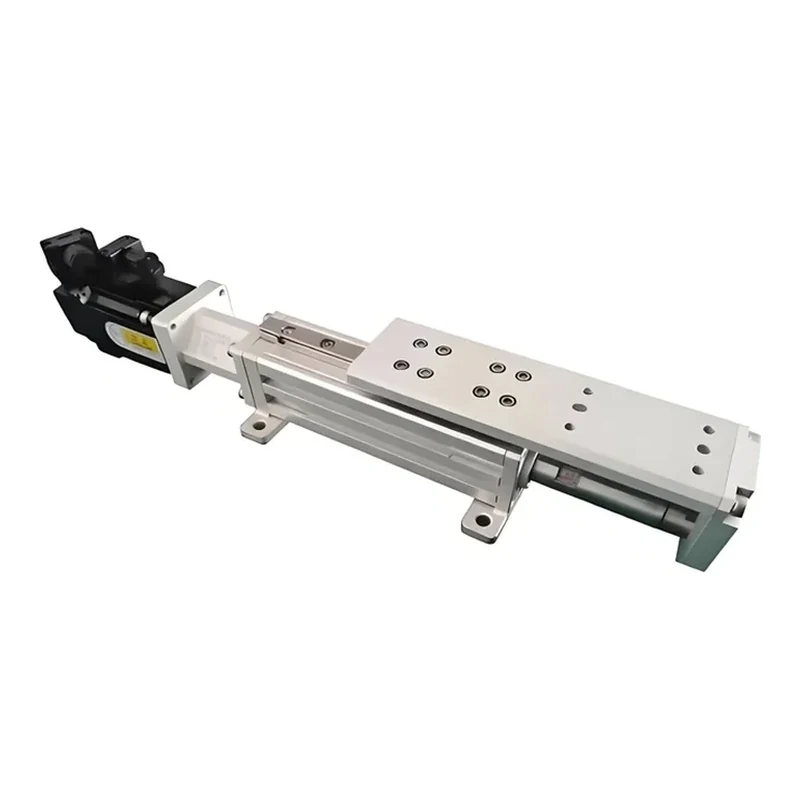
TEBAK Anti-Vibration Servo Electric Cylinder, Stamping
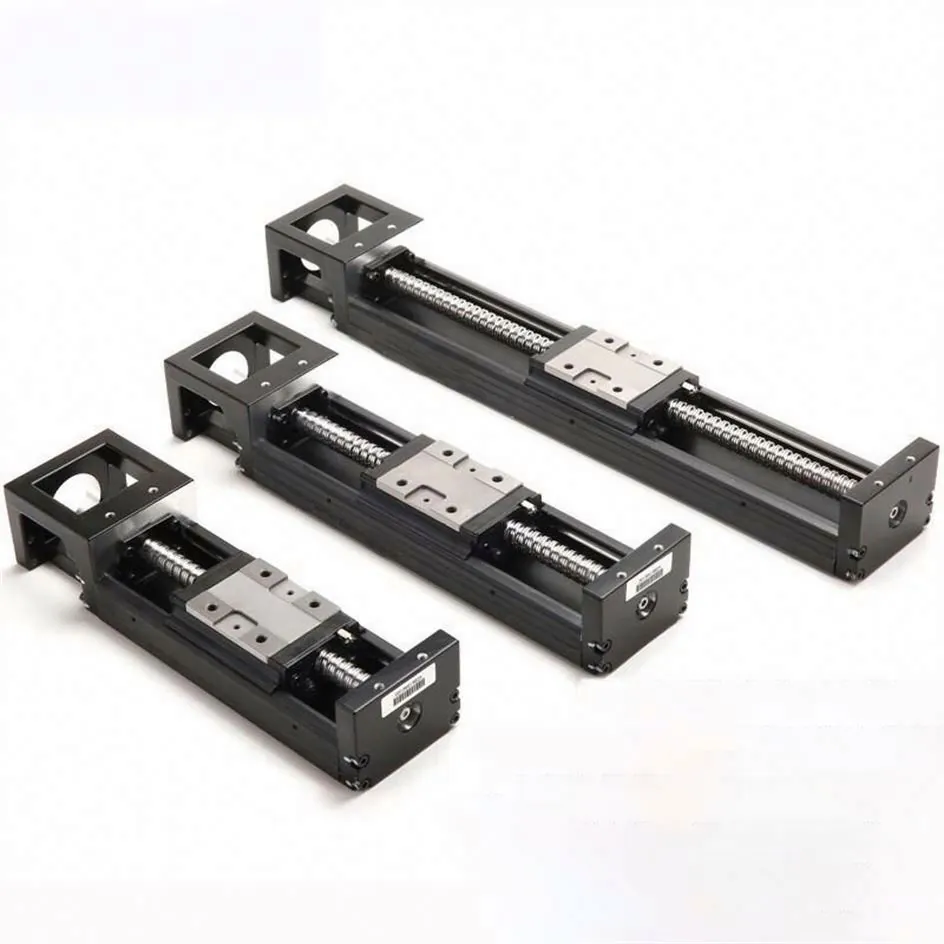
TEBAK Ball Screw Driven Linear Slide Module KK Module
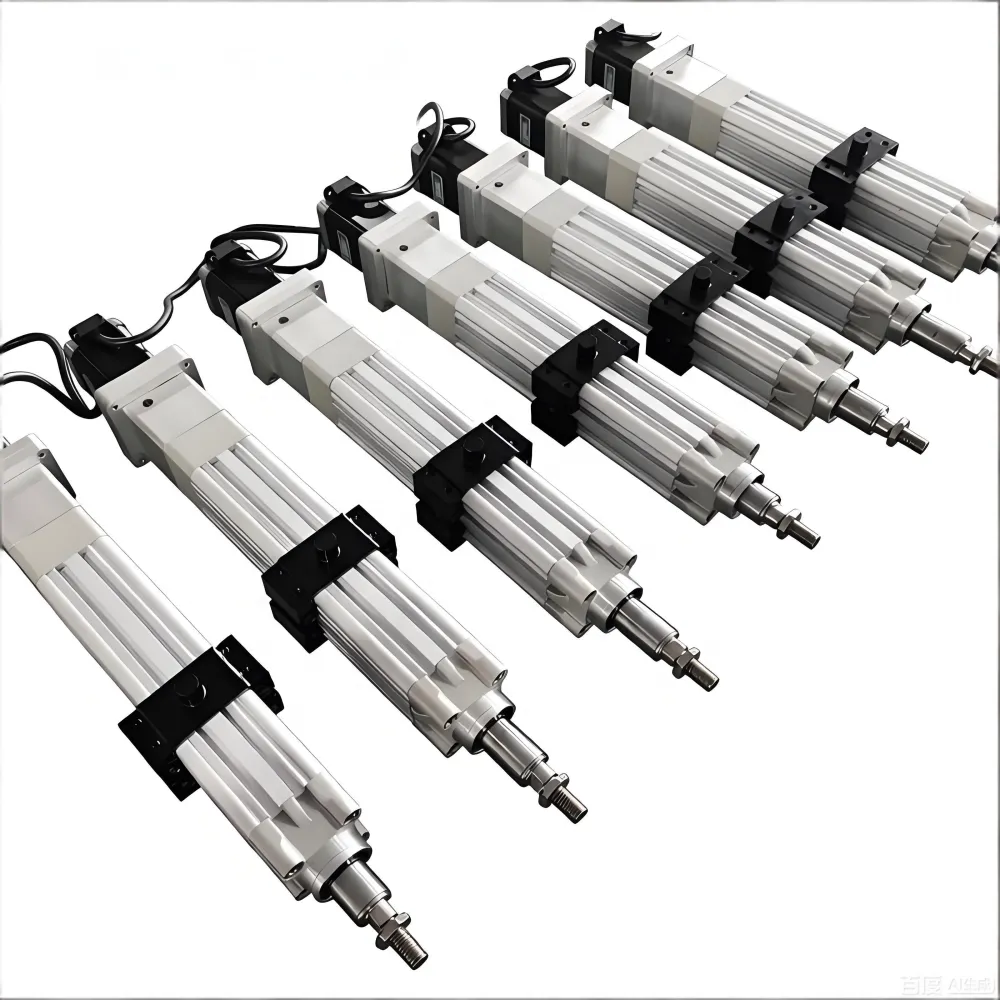
TEBAK Ball Screw Electric Cylinder, 16 mm Screw
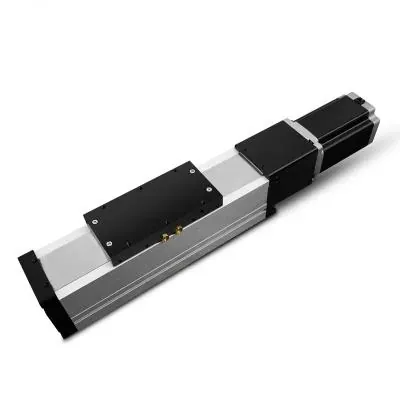
TEBAK Ball Screw Linear Actuator Linear Motion Module
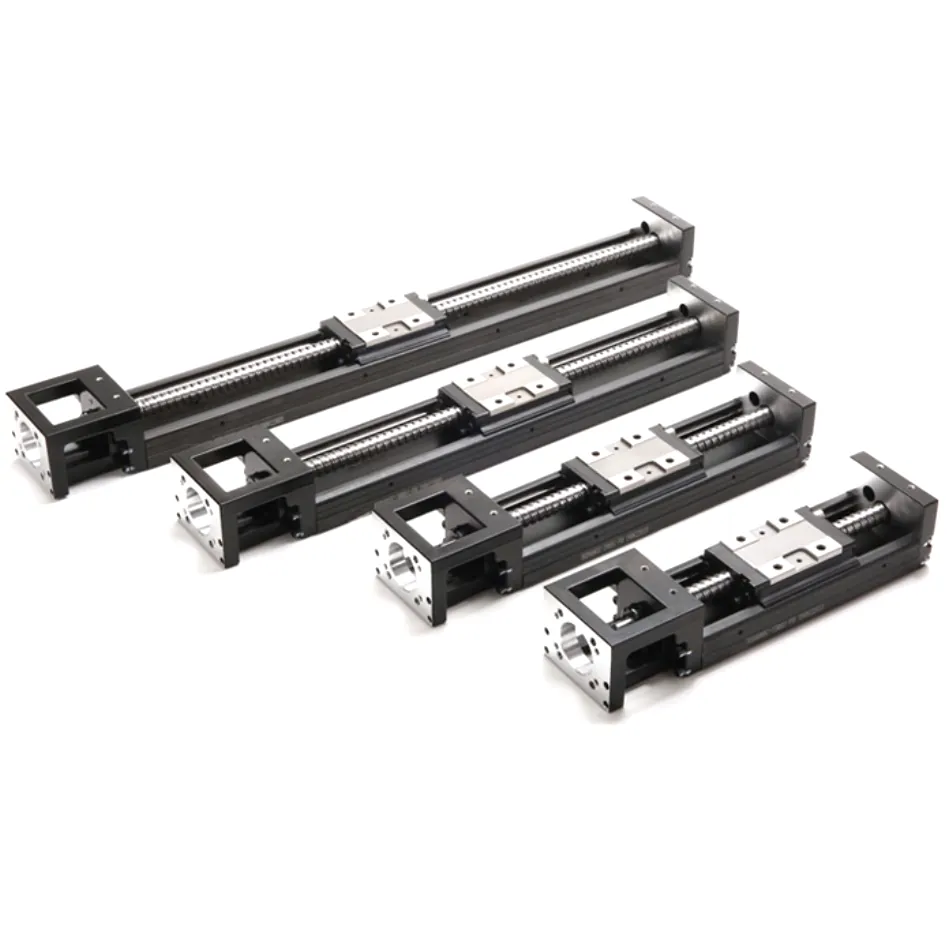
TEBAK Ball Screw Linear Slide, KK Series Single Axis Module
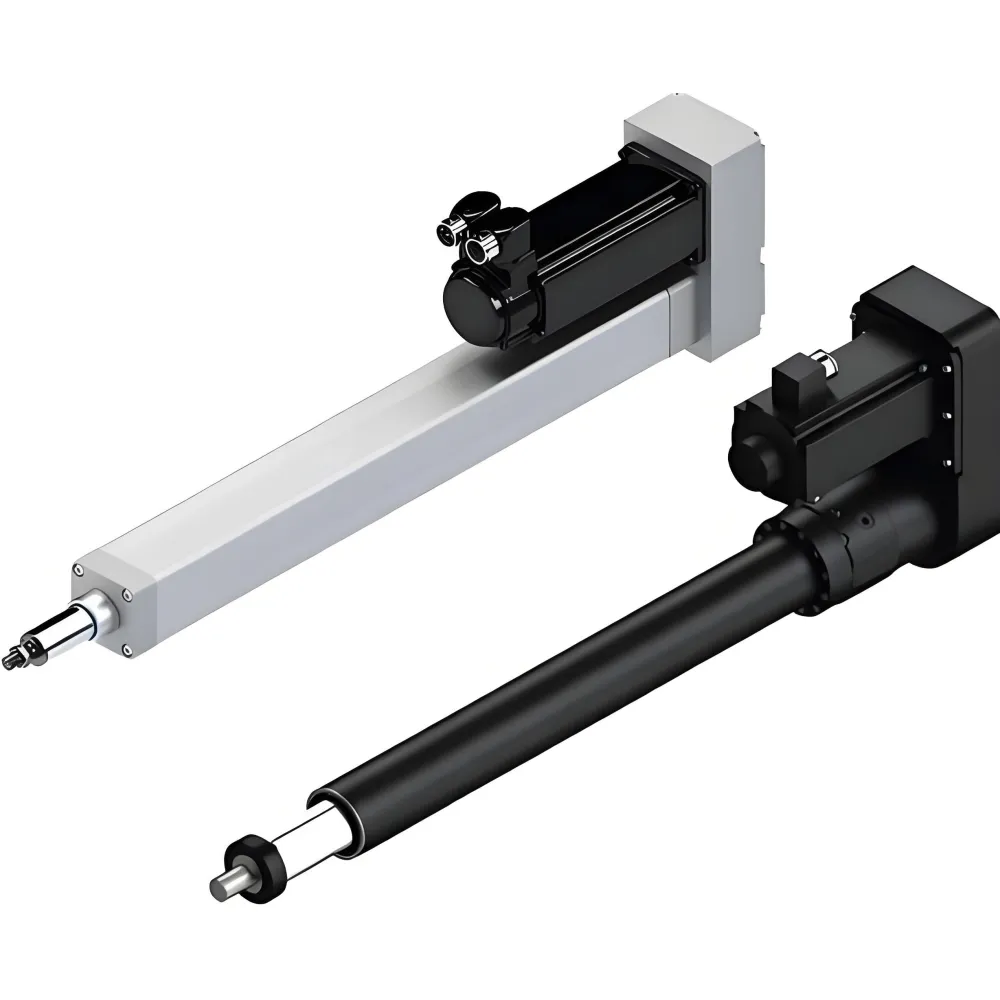
TEBAK Closed Loop Servo Electric Cylinder, High Speed
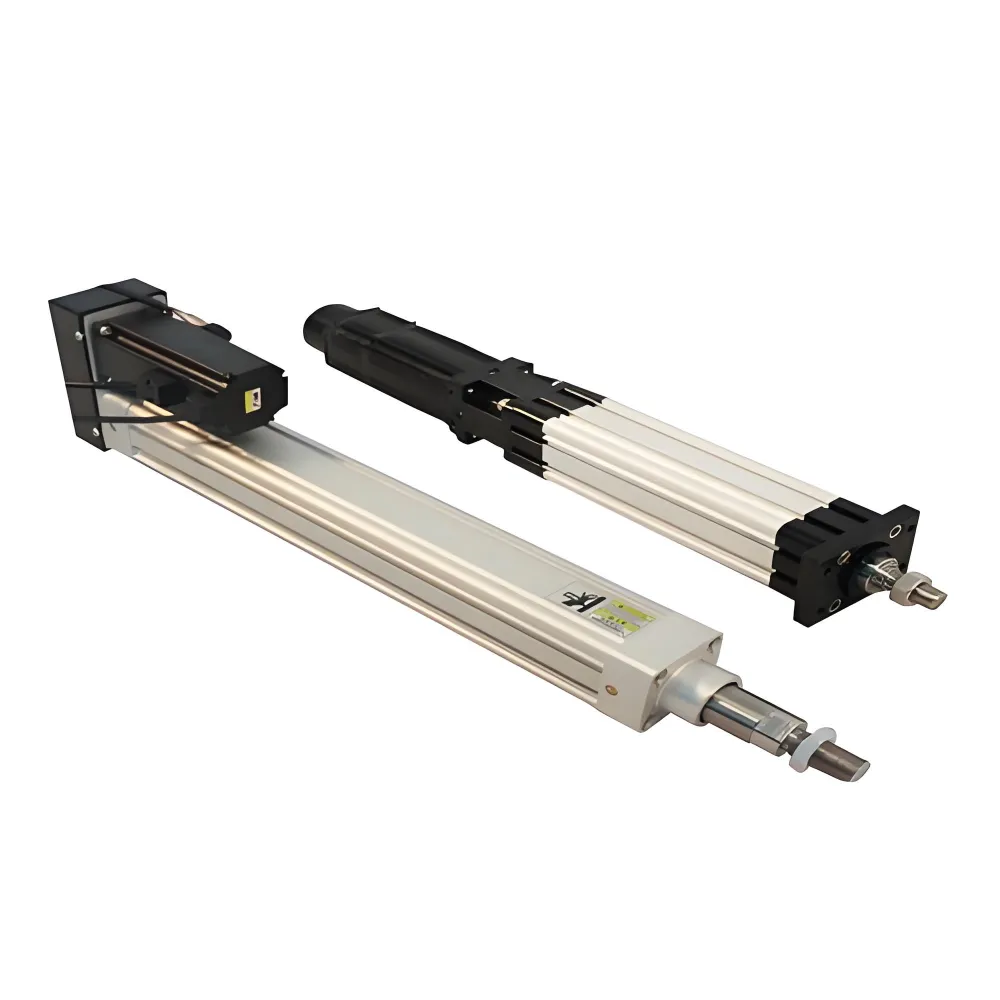
TEBAK EDA40 Servo Electric Cylinder, Aluminium Body
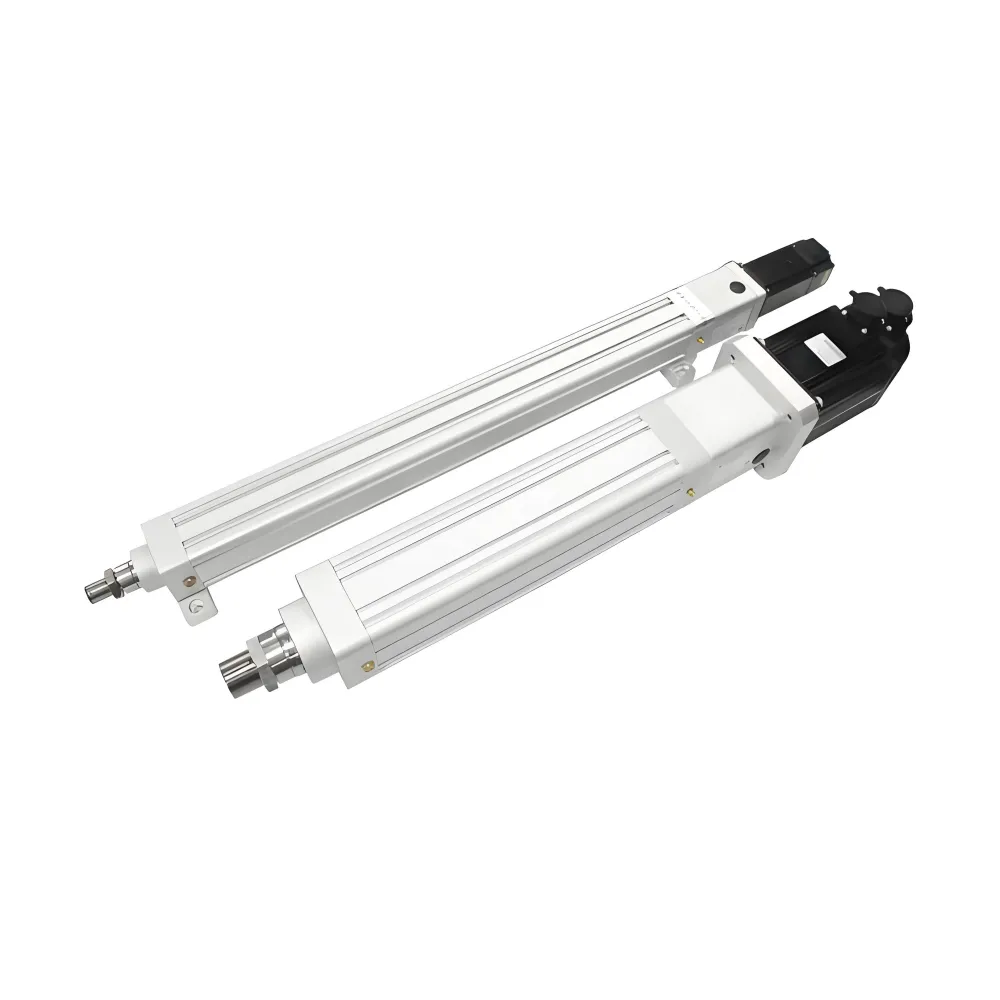
TEBAK EDA50 Servo Electric Cylinder, Solar Tracker
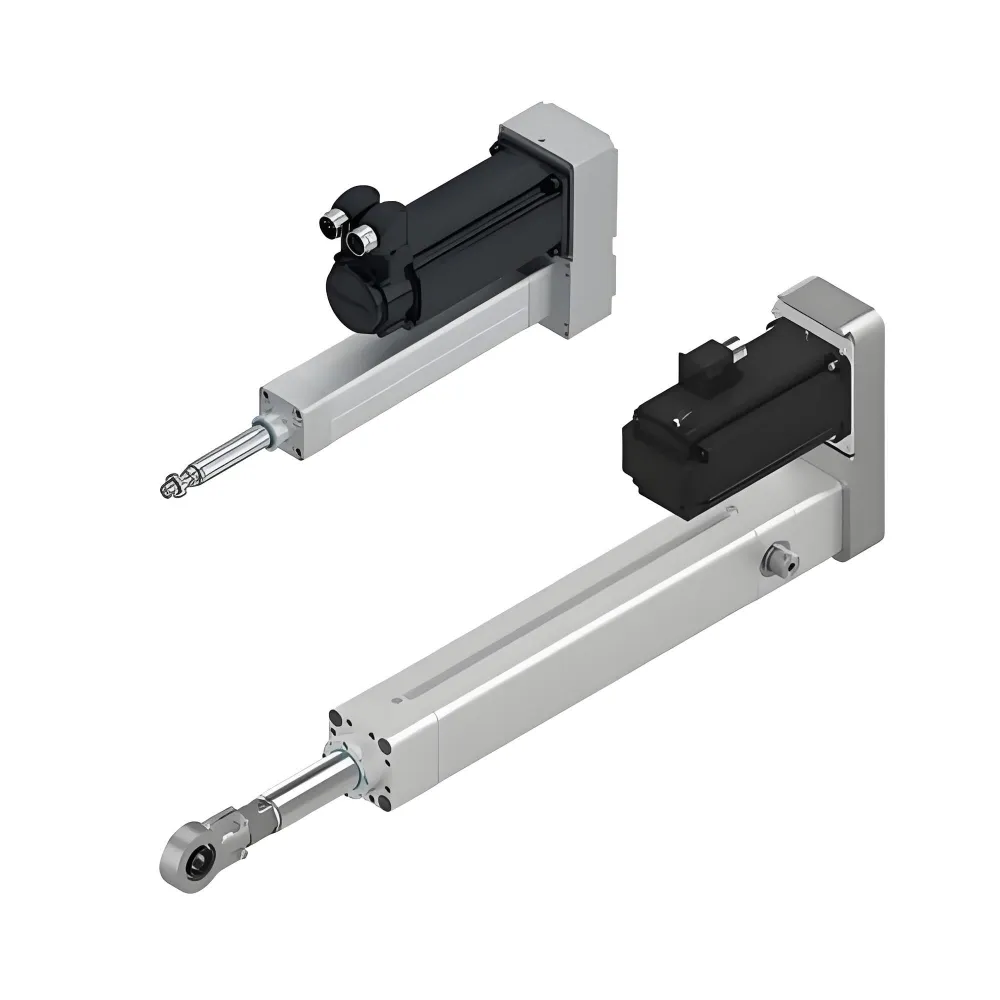
TEBAK EDA80 Heavy Duty Electric Cylinder, Stainless
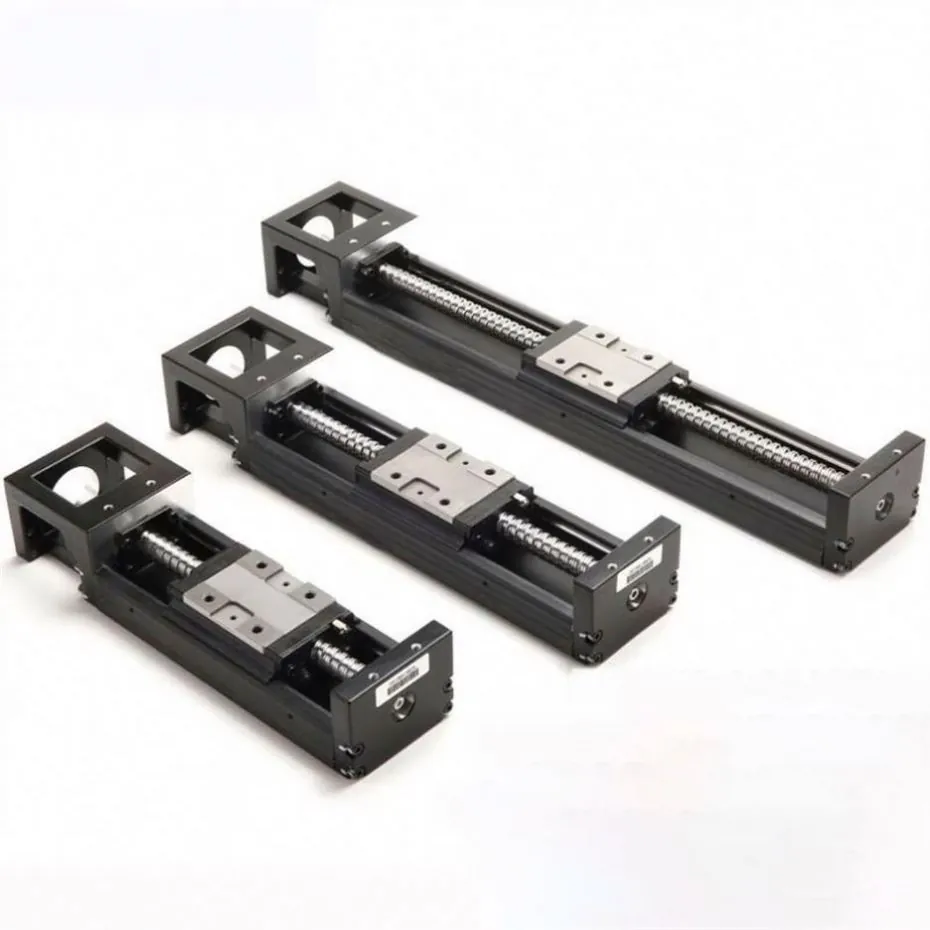
TEBAK High Precision Ball Screw Driven Linear Slide
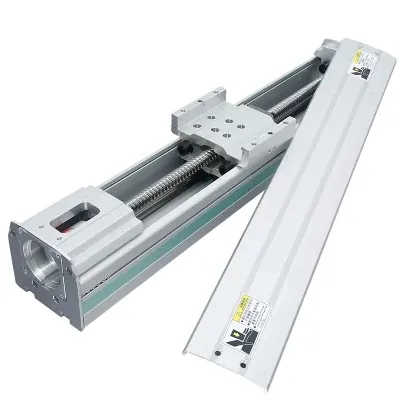
TEBAK Linear Actuator, Linear Motion Module Ball Screw
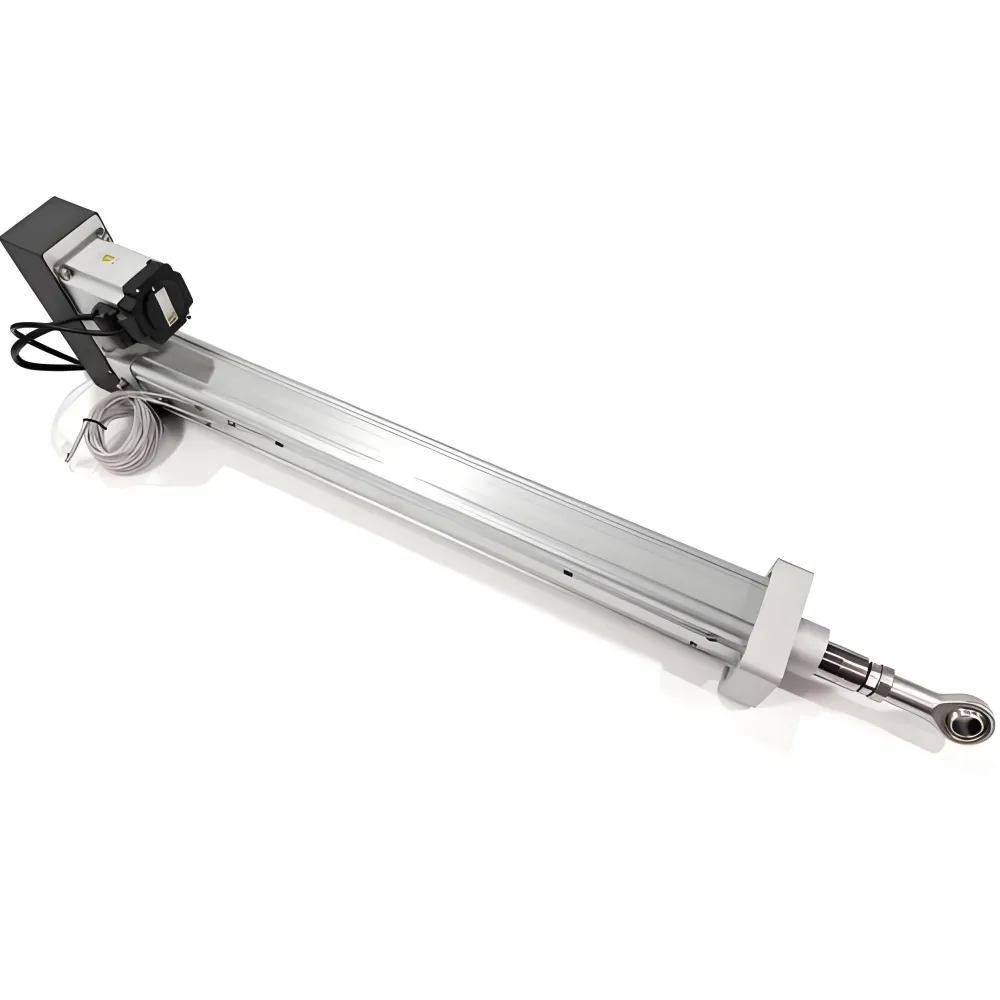
TEBAK Low Noise Servo Electric Cylinder, Medical Duty
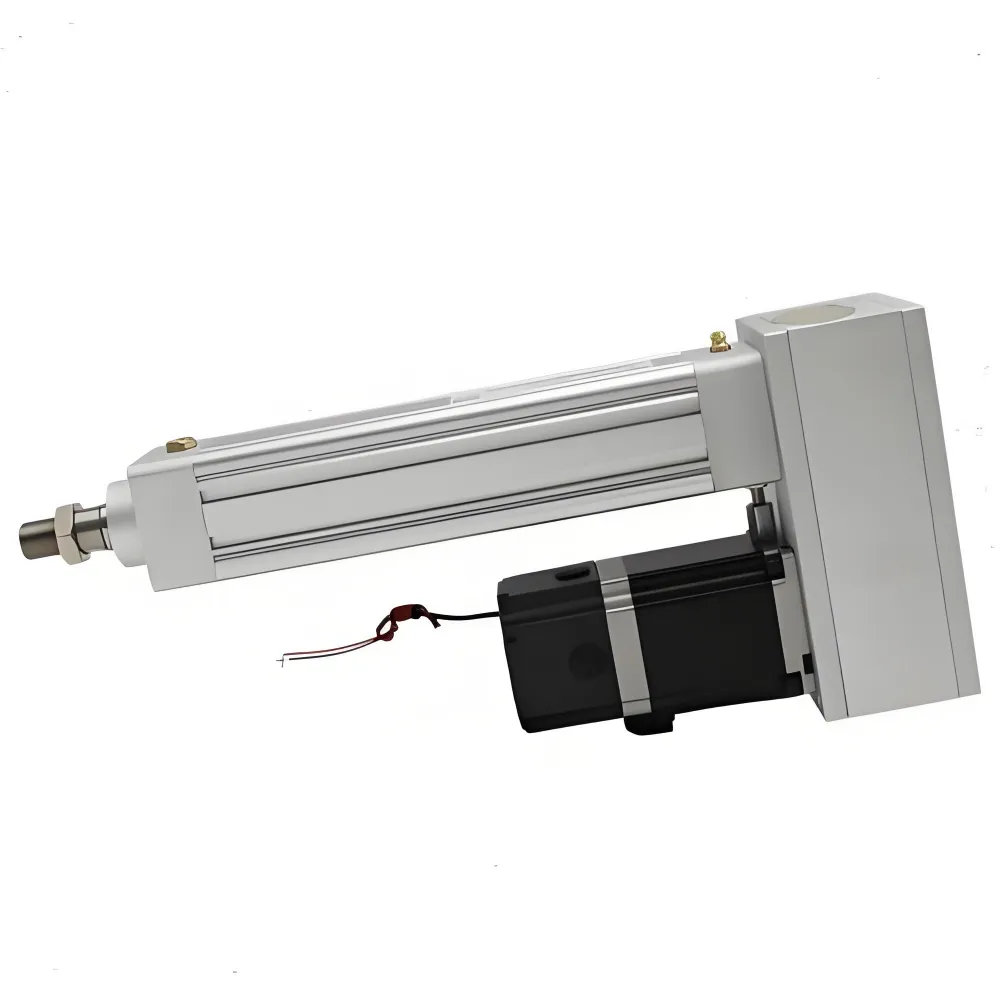
TEBAK Servo Motor Electric Cylinder, High Precision
Interested in this product?
Send your details and we will respond within 24 hours.