
Coupling
14 items with published dimensions.
A shaft coupling joins two shafts so torque passes from one to the other while misalignment, shock and vibration are kept out of the bearings. Flexible types carry the drive through an elastomer star or a thin metal disc, which is what lets them absorb the small errors that remain after a motor bracket has been bolted on. Rigid types hold the two shafts in a fixed angular relationship and are used only where the shafts are already aligned.
The choice between types follows the duty. A jaw or spider coupling gives damping and tolerates misalignment, which suits general axes and protects a gearbox from shock; a disc coupling gives zero backlash and high torsional stiffness, which a closed loop axis needs so the load follows the command without lag; a bellows coupling sits between the two on stiffness and cost; and a rigid coupling is used where nothing may move. Bore pair, peak torque, maximum speed and the misalignment the structure can produce complete the selection, and clamp hubs are preferred wherever the shaft must stay unmarked.
These parts are bought by machine builders, CNC repair shops and automation integrators for the motor to screw joint, encoder connections, pump and fan drives, gearbox inputs, and conveyor and packaging machinery. A coupling is usually the cheapest part of a drive train and the one that fails first when it is specified on price alone.
For a quotation, the useful information is the two shaft diameters, the gap between the shaft ends, the peak torque of the drive and the maximum speed. With those four the coupling type, the bore pair and the element can be fixed, and a drawing issued for approval before production rather than after.
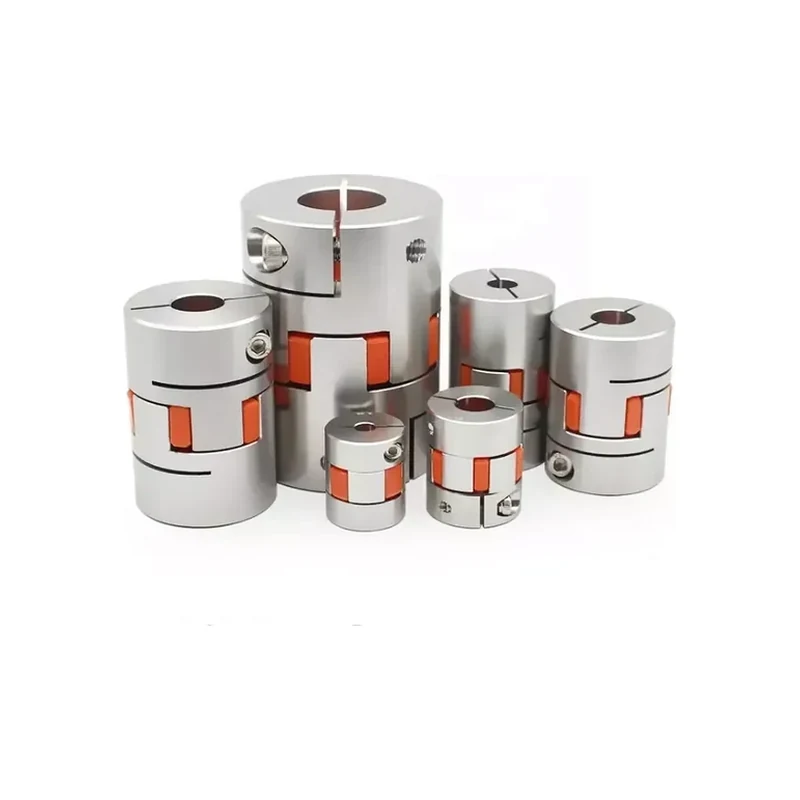
TEBAK Ball Screw Clamp Coupling, 6.35-12 mm Bore, C45 Steel
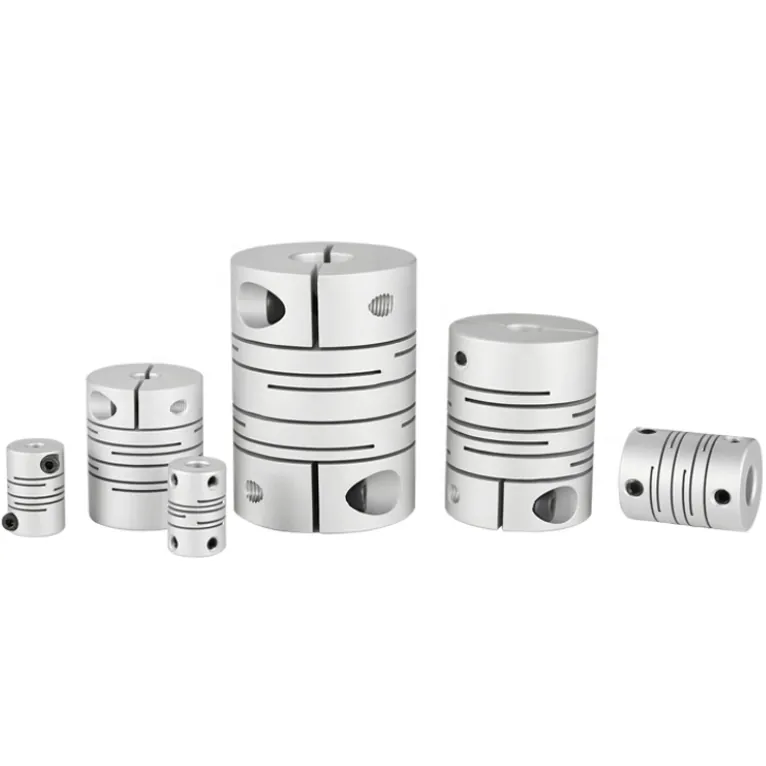
TEBAK Coupling, Grooved Parallel Line Coupler Aluminum
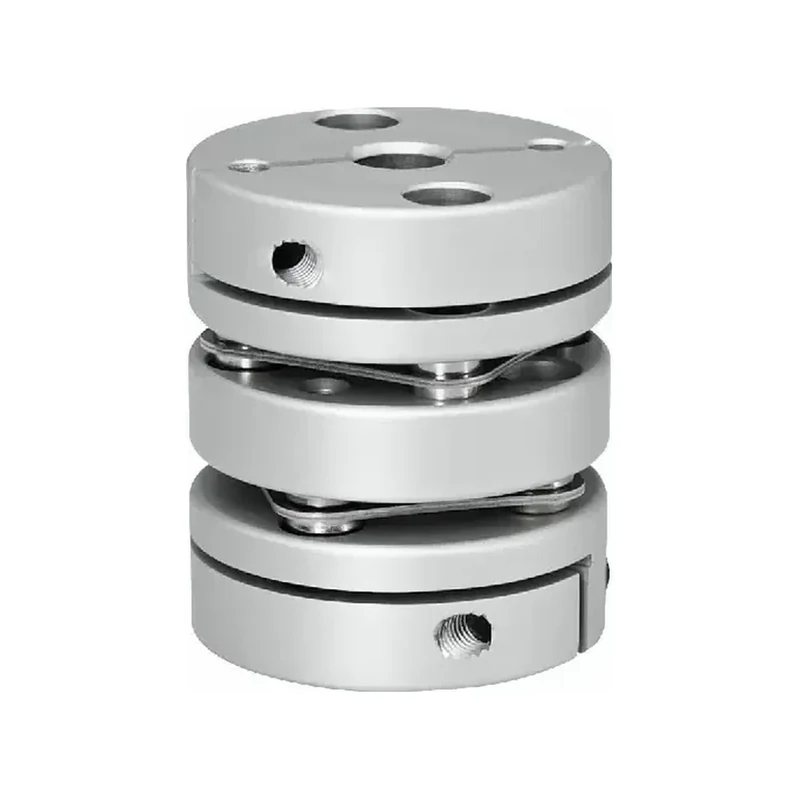
TEBAK Diaphragm Disc Coupling, Single or Dual Disc, 10-20 mm
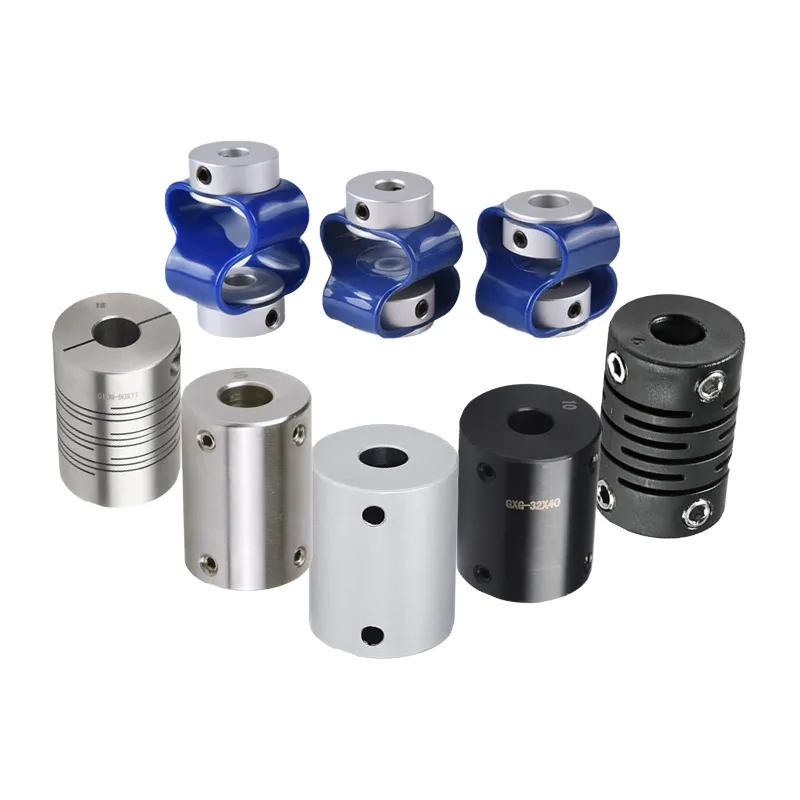
TEBAK Encoder Coupling, 8-Type Spring Disc, Aluminium
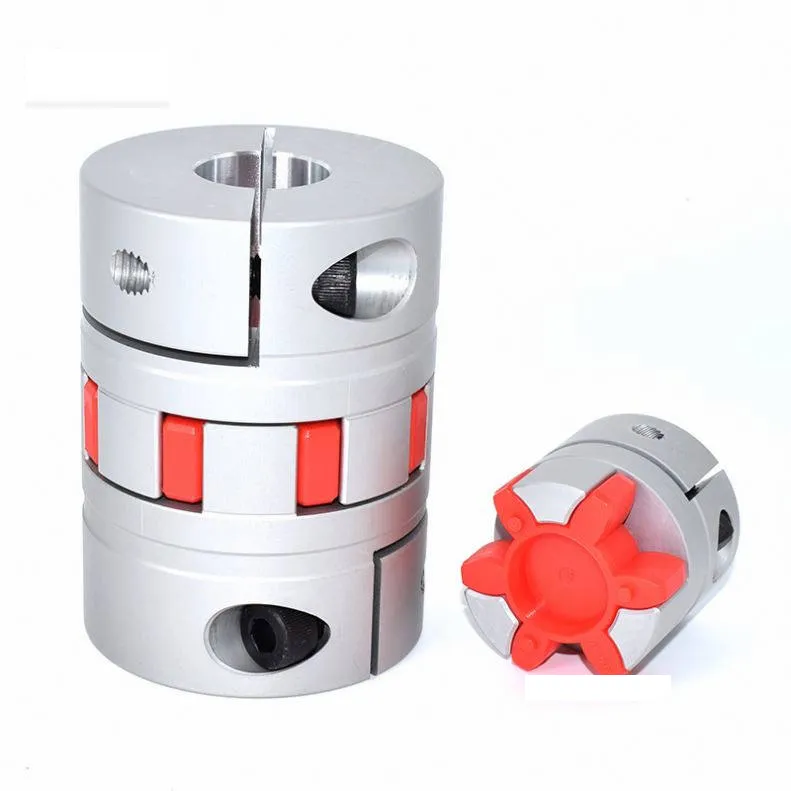
TEBAK High Torque Spider Coupling, 5-30 mm Bore
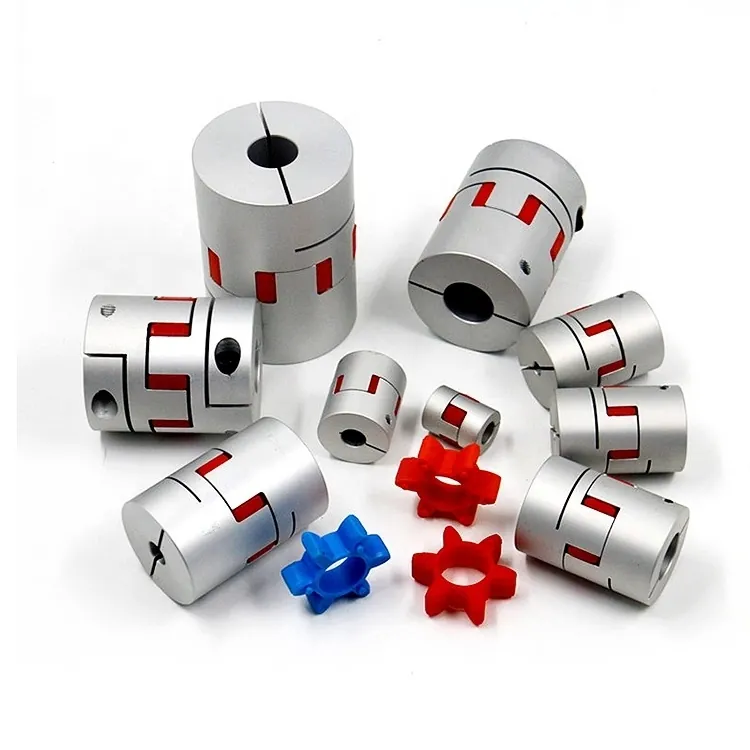
TEBAK High-strength Flexible Spider Jaw Type Clamping
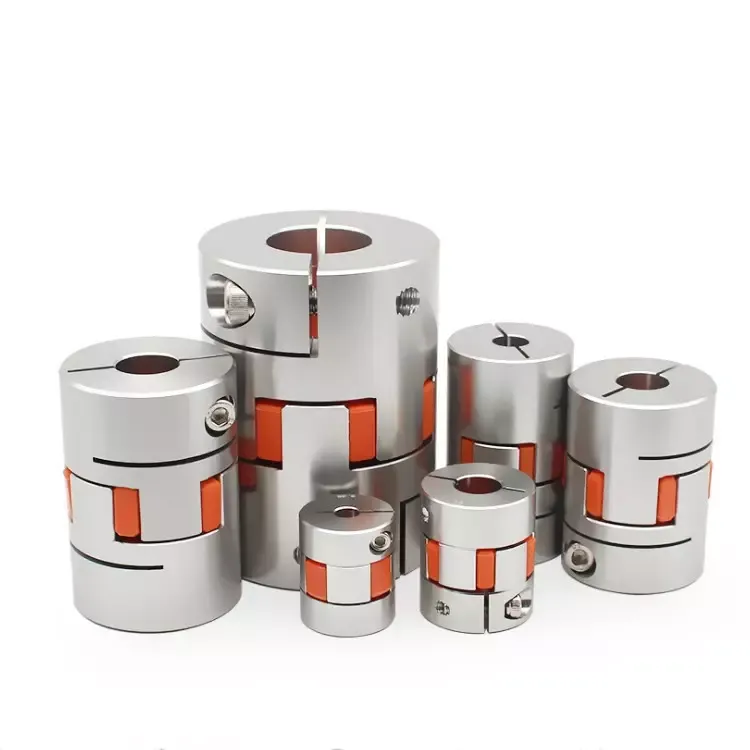
TEBAK Plum Clamp Coupling, D20L25-D40L66, 4-12.7 mm Bore
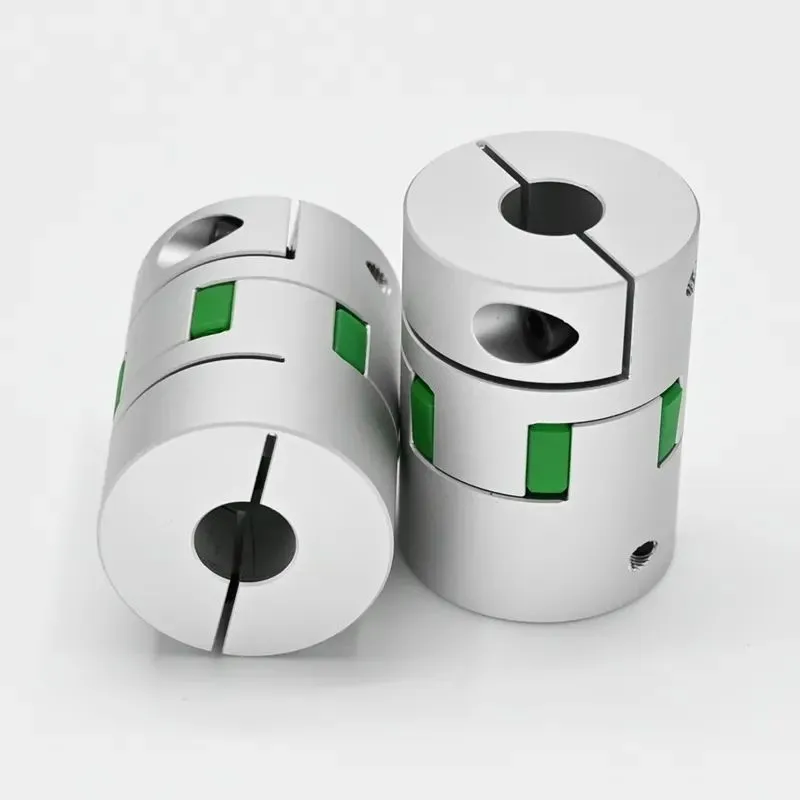
TEBAK Plum Clamp Coupling, D30L35-D45L66, 14-105 mm Bore
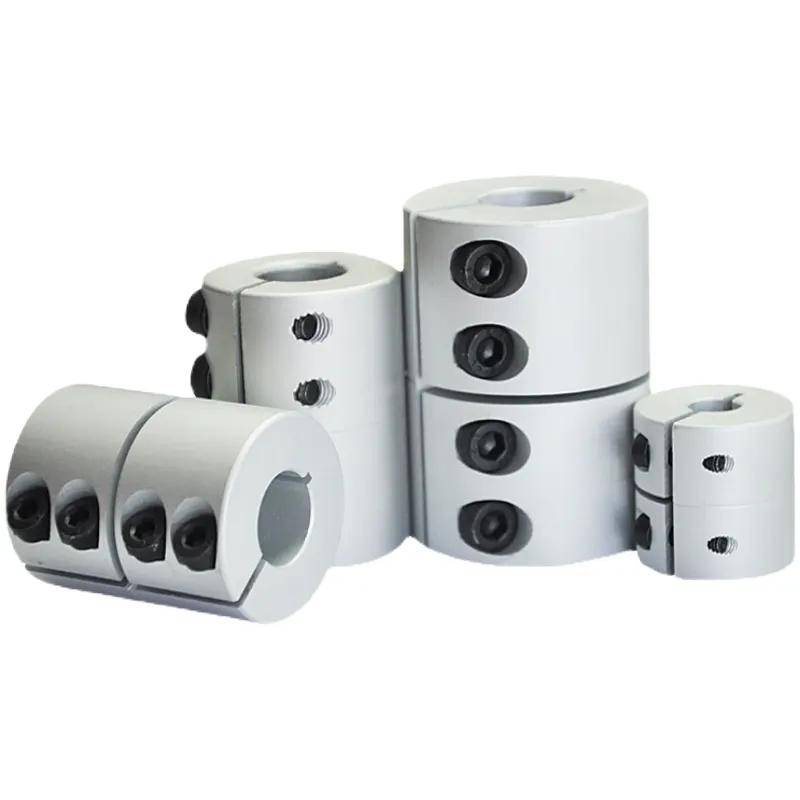
TEBAK Rigid Shaft Coupling, Jaw Spider Body, 20 mm Bore
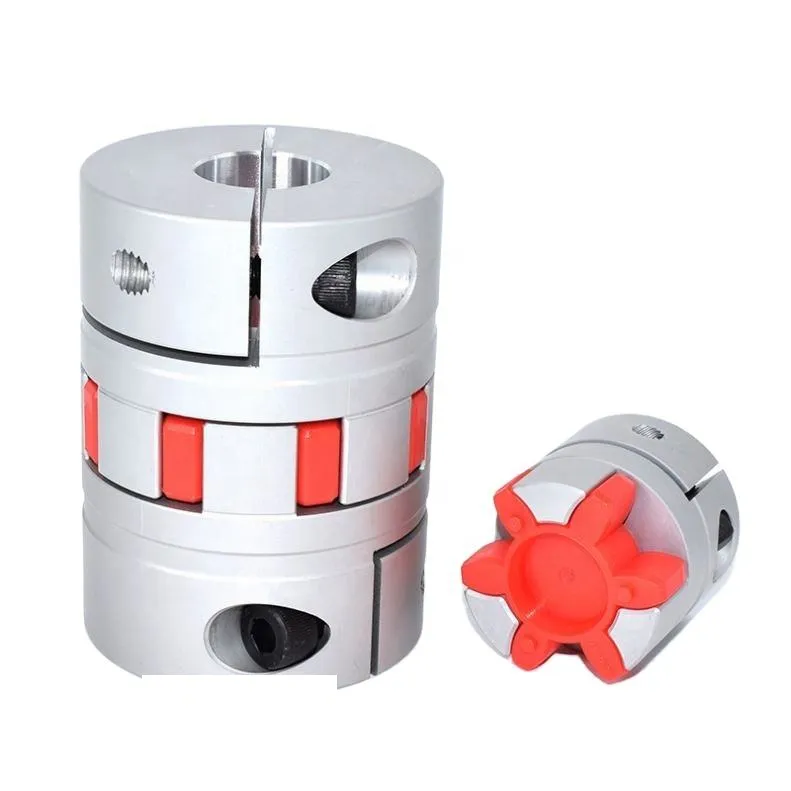
TEBAK Rotex Spider Clamp Coupling, 6/8 mm Bore
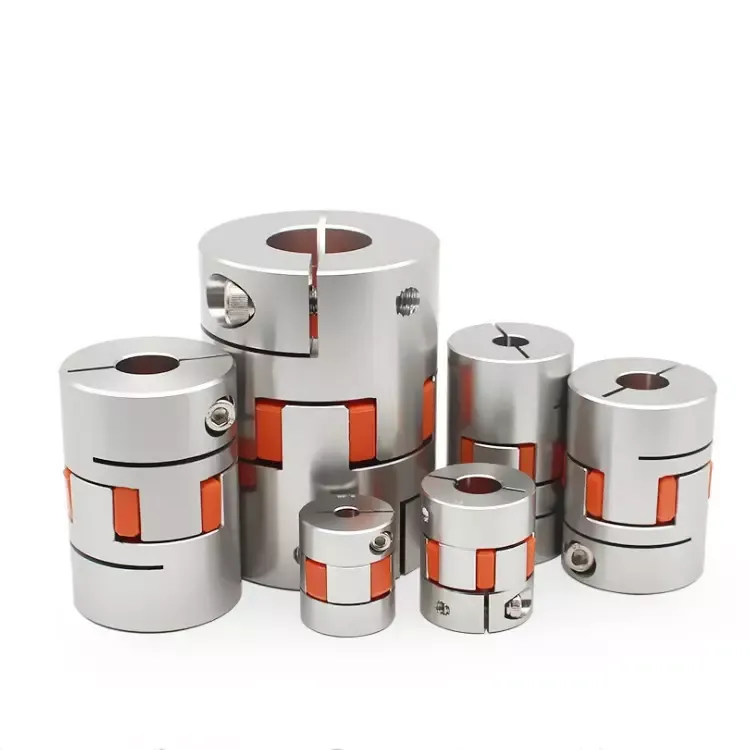
TEBAK Spider Jaw Coupling, 3-60 mm Bore, PU Rubber Insert
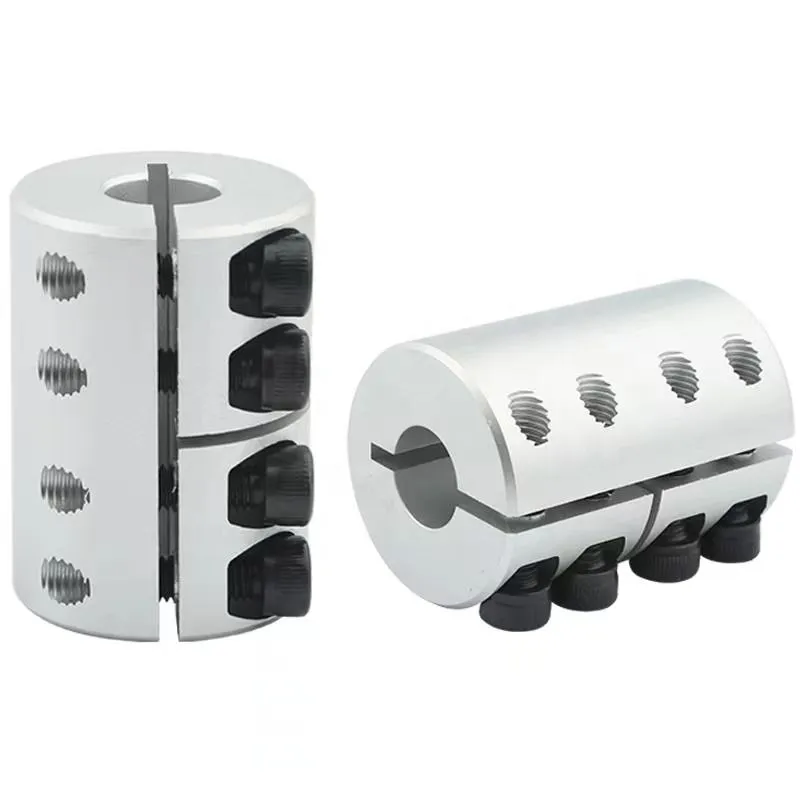
TEBAK Steel Flexible Coupler, 2035 and 2525, 4-12.7 mm Bore
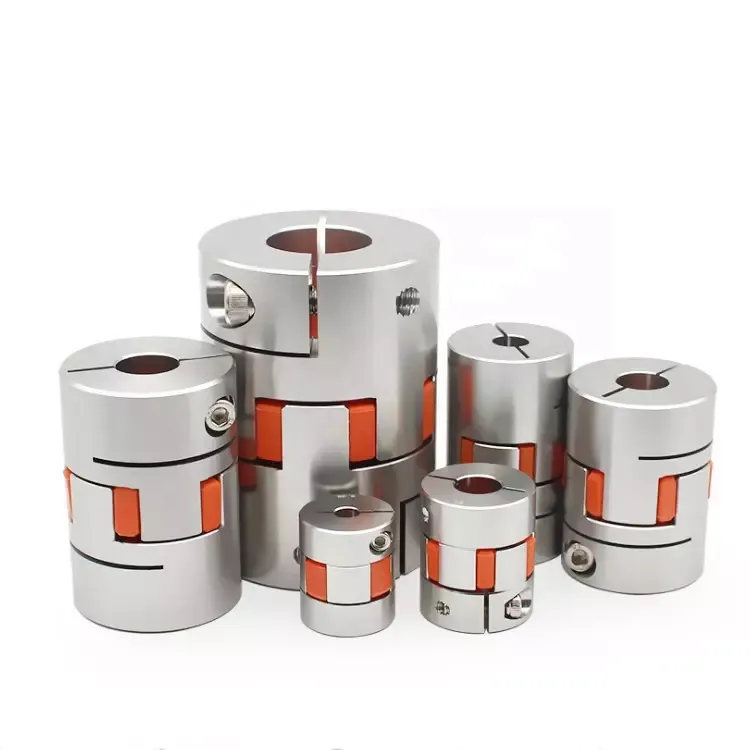
TEBAK Universal Joint Coupling, Single/Double Cross
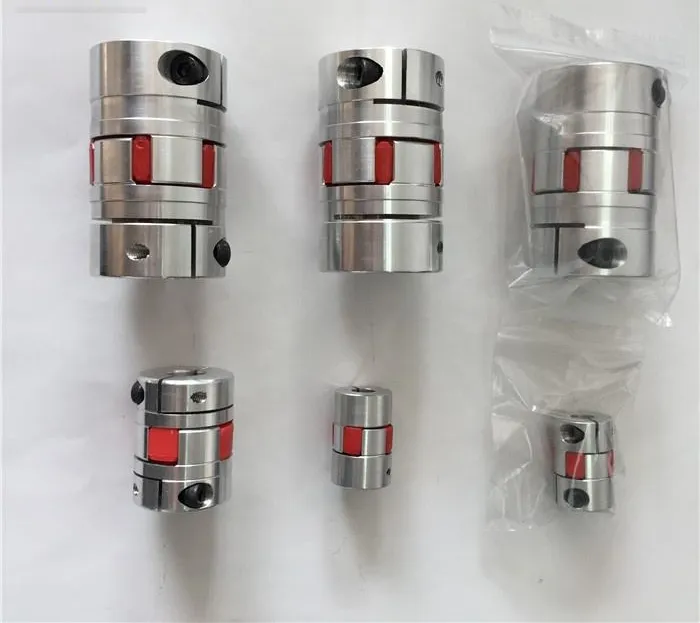
TEBAK XL Rotex Coupling, 40-420 mm OD, L66-L475
Interested in this product?
Send your details and we will respond within 24 hours.