
Linear Guide Rail
62 items with published dimensions.
A linear guide carries a load on rolling elements between a rail and one or more blocks, so the carriage travels with very little friction and without the stick slip of a sliding way. The rail is bolted to the machine bed and the block to the moving part, which means the pair sets both the straightness of the axis and its load capacity. Miniature profiles suit light heads and short strokes; profile rails in the 25 to 65 mm range carry gantries and machine tool carriages.
Grade and preload are the two selection levers. Grade C covers general transport, grade H is the normal choice for machine tools, and grade P is specified where the axis has to hold a tight tolerance over its whole travel. Preload removes clearance and raises stiffness, but an over-preloaded block runs hot and wears the raceway, so it should follow the load rather than lead it. Rail length, hole pitch, mounting height and the number of blocks per rail complete the specification, and where two rails run parallel the parallelism between them decides the finished accuracy more than the tolerance of either rail.
The users are machine builders and repair shops working on CNC routers and mills, laser and plasma cutting tables, woodworking machines, packaging and labelling lines, pick and place units, measuring stages and general automation. Most orders are either a replacement for a worn rail on a machine already in service, or a set of rails cut to length and drilled to the builder's hole pattern for a new design.
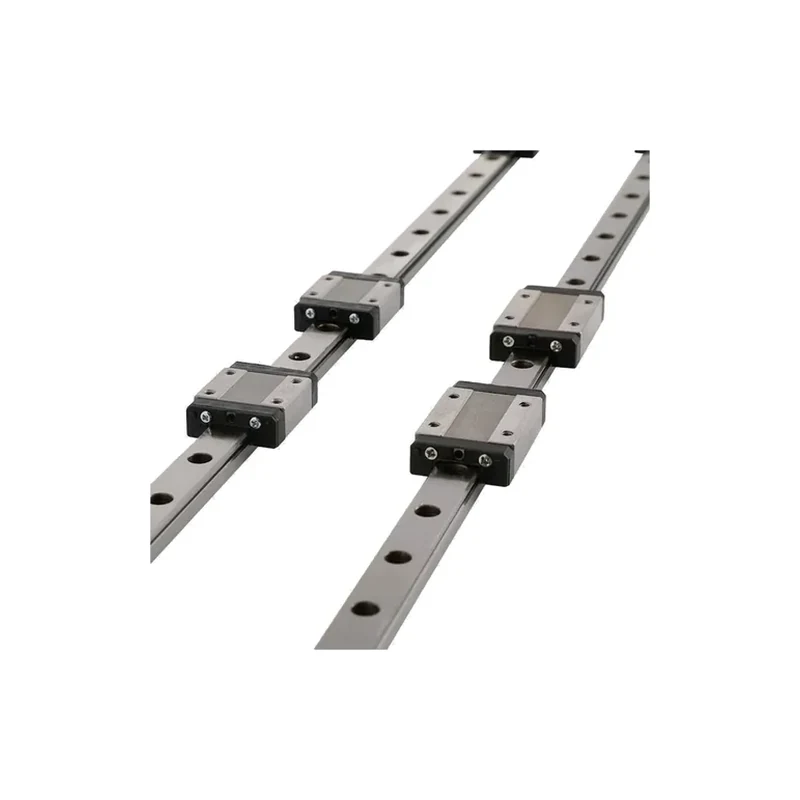
TEBAK 600mm Stainless Steel CNC Linear Motion Rail Guide
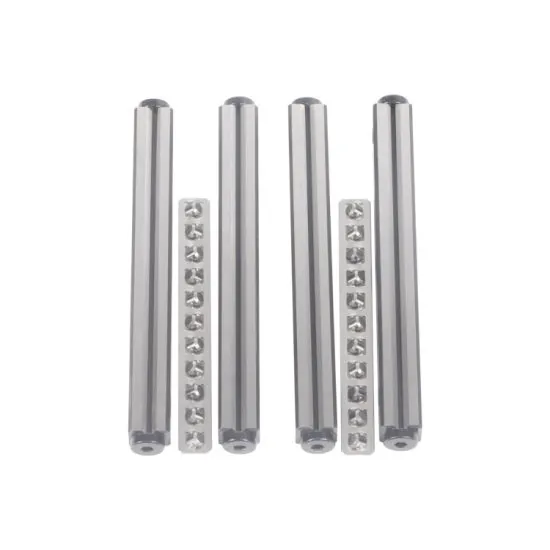
TEBAK Anti-Creep Vr2-30X5z Vr3-50X7z Vr4-80X7z
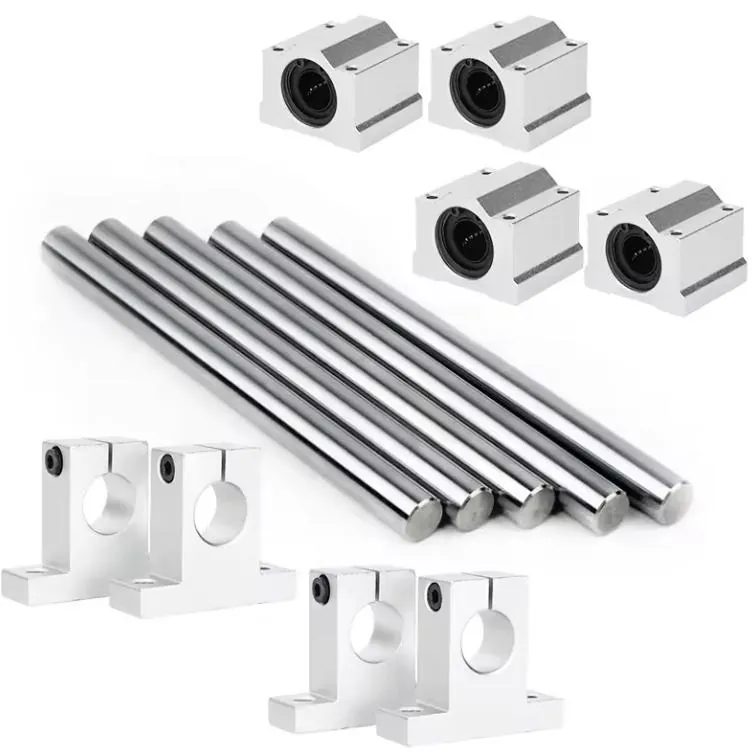
TEBAK Carbon steel, bearing — Precision Linear Guide
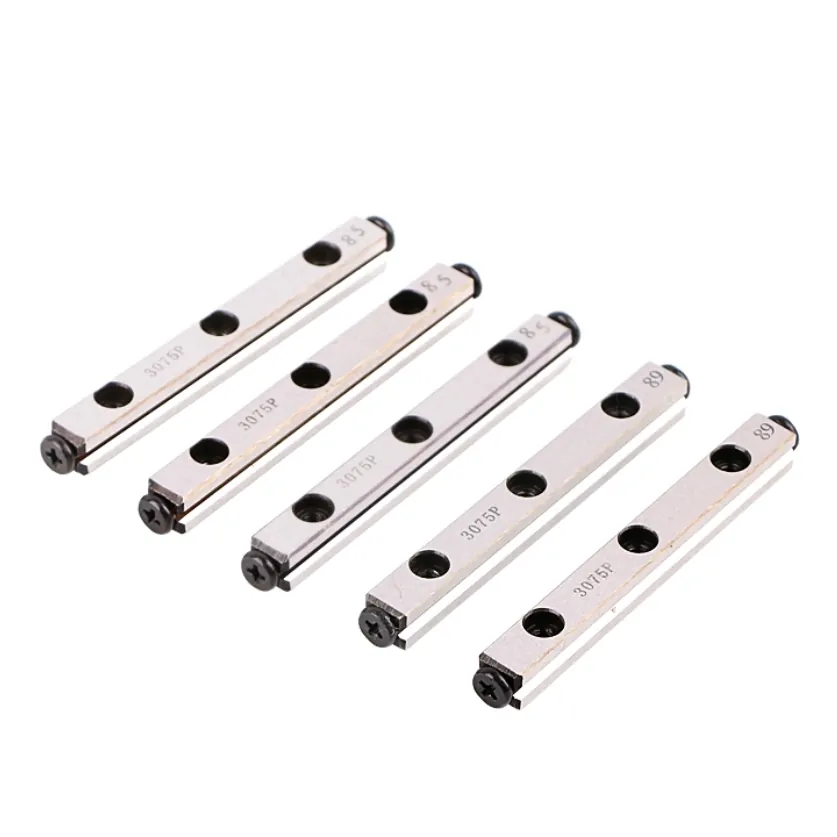
TEBAK Crossed Roller Linear Guide, Anti-Creep Cage Type
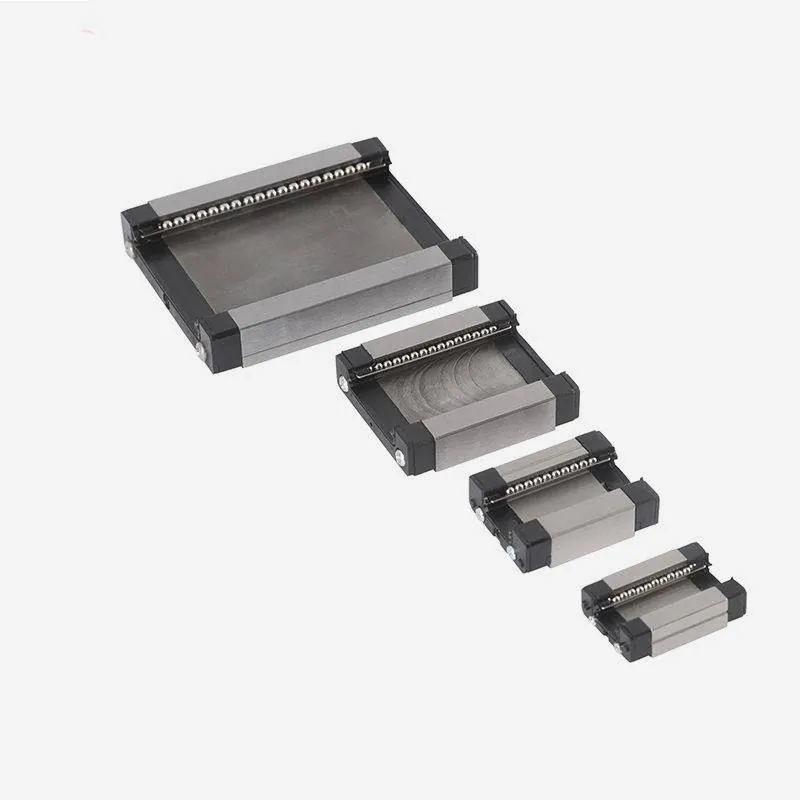
TEBAK Custom Aluminum Alloy Linear Rail CNC Low Noise
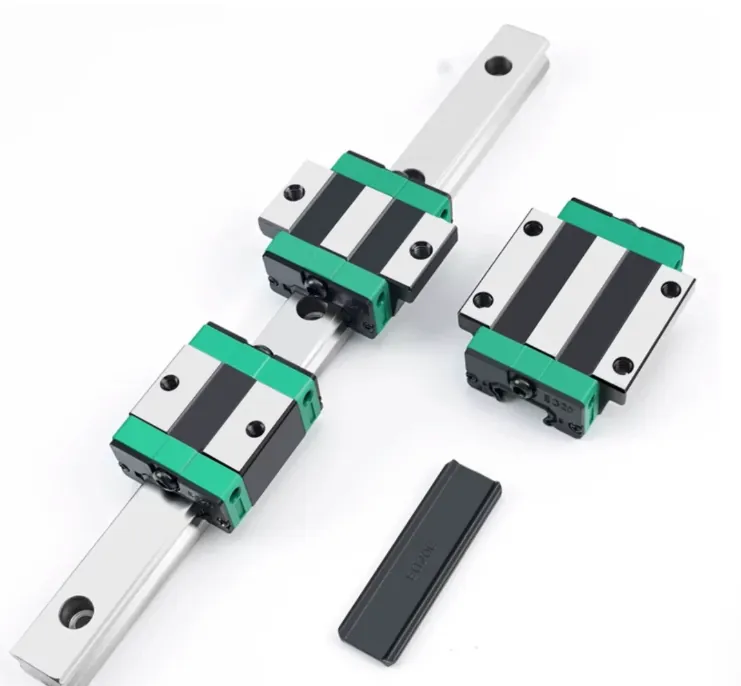
TEBAK EGR15 Linear Guide Rail, 15 mm Replacement Guideway
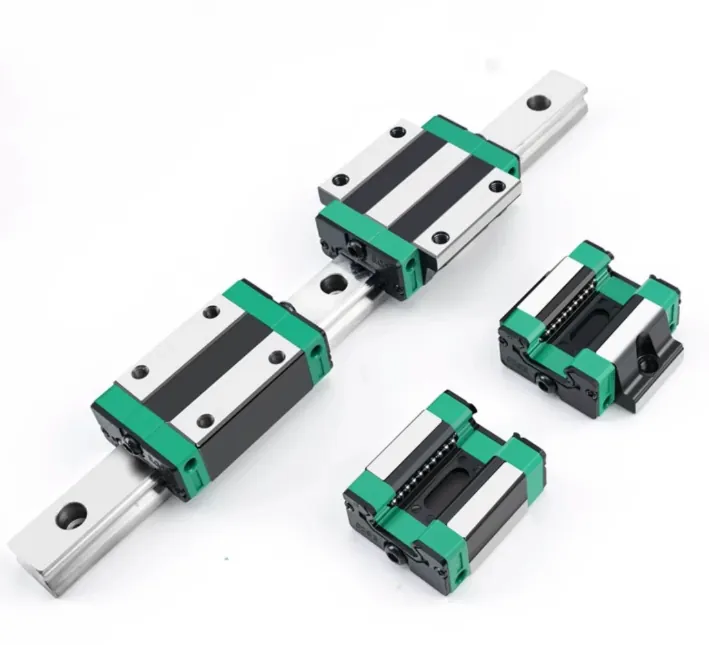
TEBAK EGR20 Linear Guide Rail Widely Used in Router 20 mm
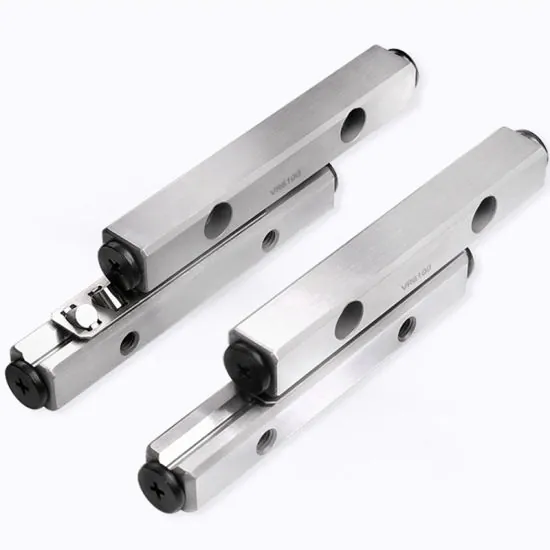
TEBAK Factory Price Linear Crossed Rail Vr350 Vr375
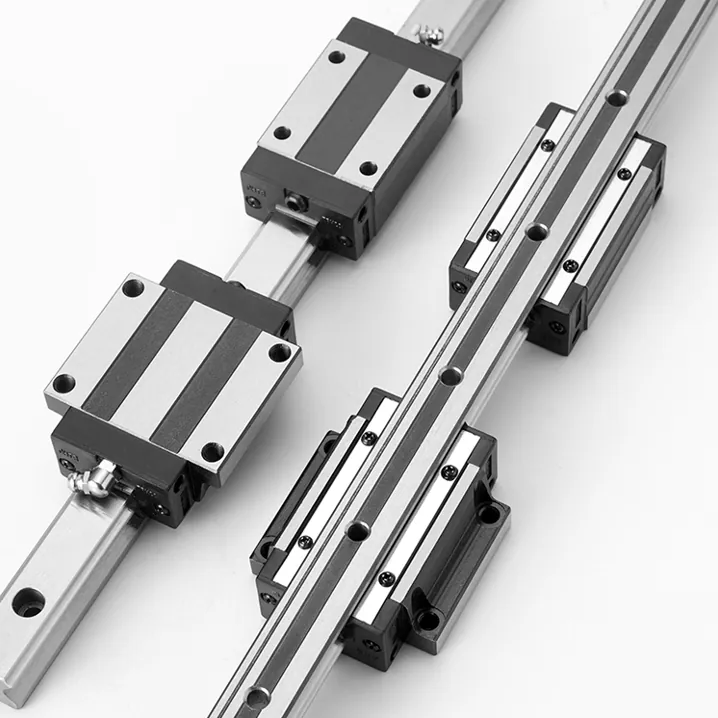
TEBAK HGR High Load Stainless Steel Linear Rail Silent
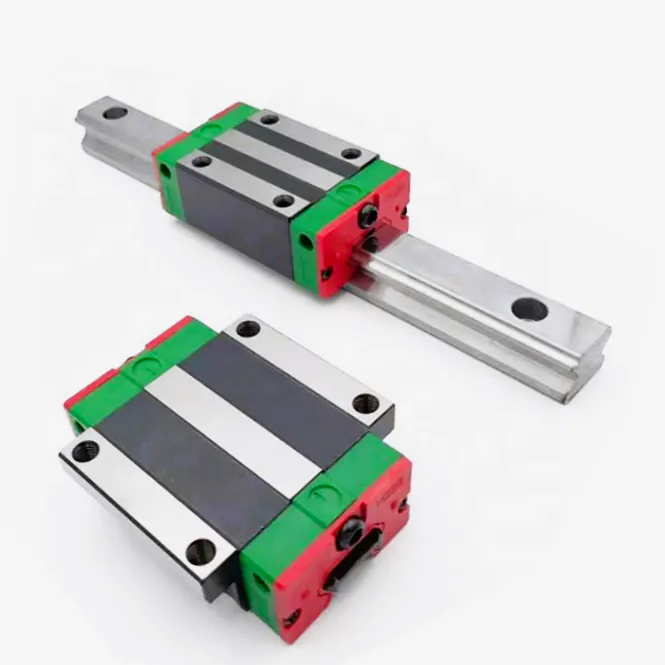
TEBAK HGR15 Ball Screw, Chrome Steel
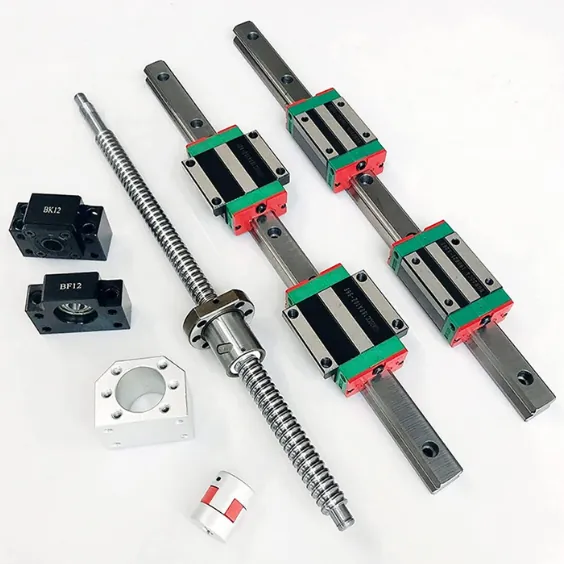
TEBAK HGR15 HGH15CA Linear Guide 15 mm
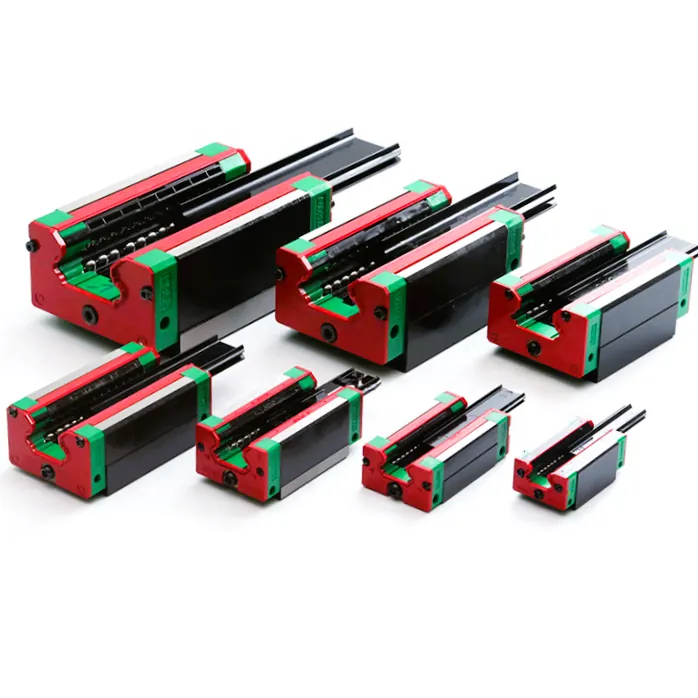
TEBAK HGR15 Linear Guide Rail, Chrome Steel
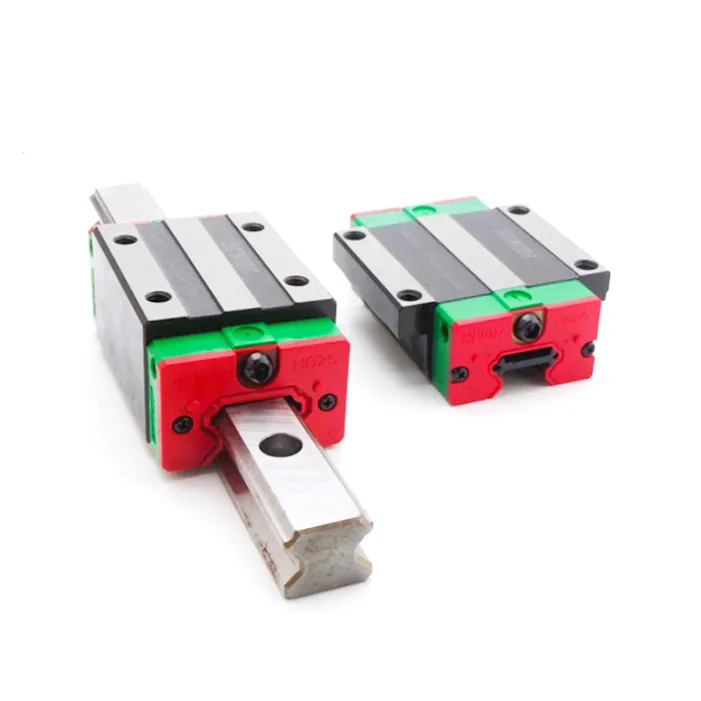
TEBAK HGR15 Linear Guide Rail, Chrome Steel, Flange Square
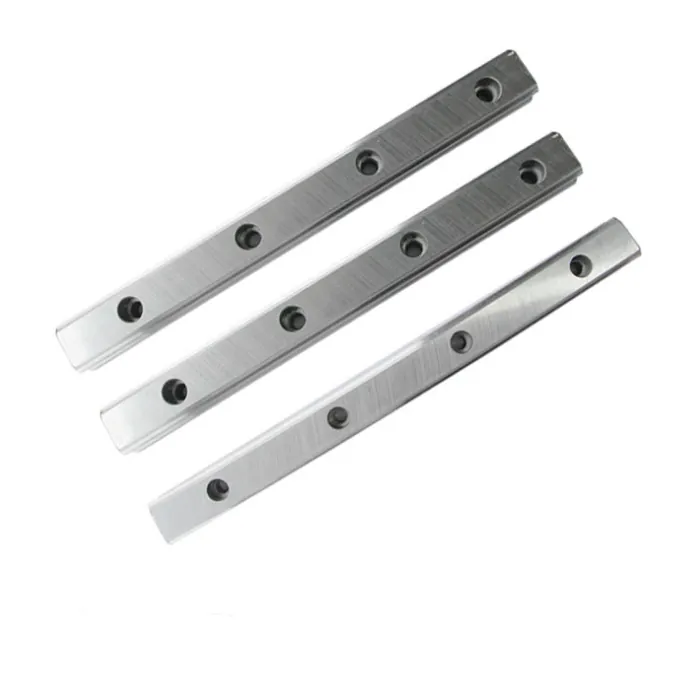
TEBAK HGR20 Linear Guideway, Chrome Steel, 20 mm
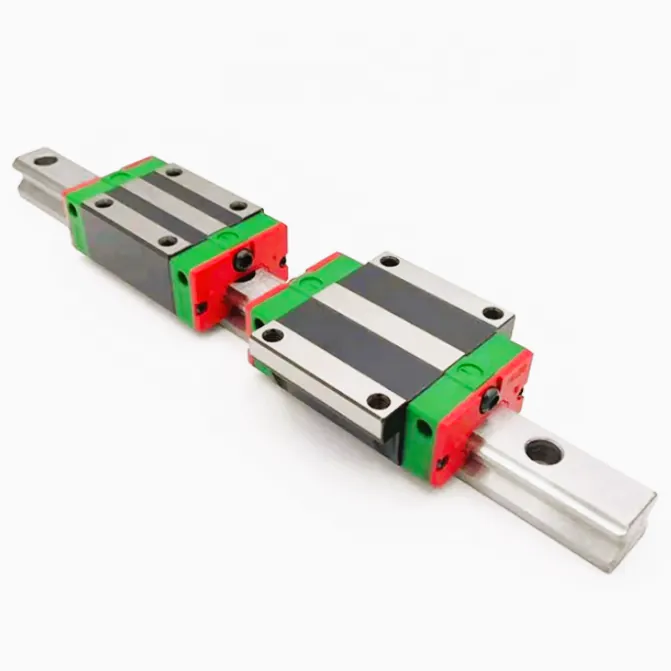
TEBAK HGR20R Linear Guide
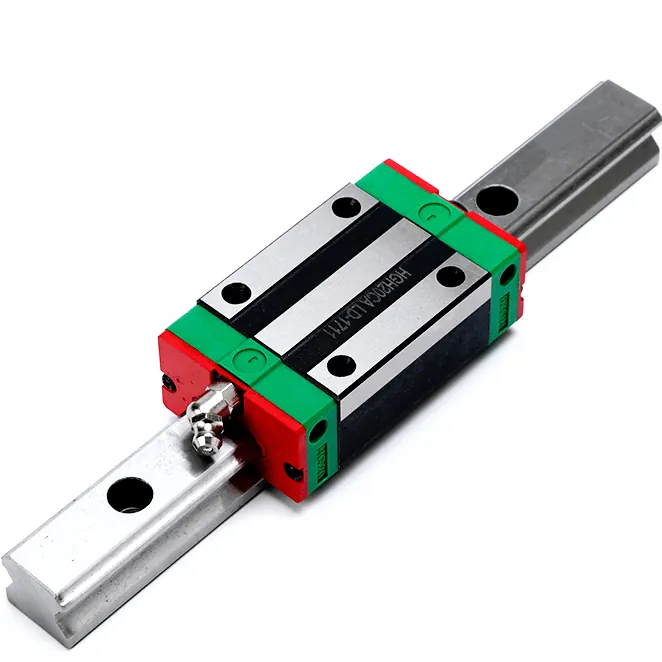
TEBAK HGR20R Linear Guide Rail, Chrome Steel
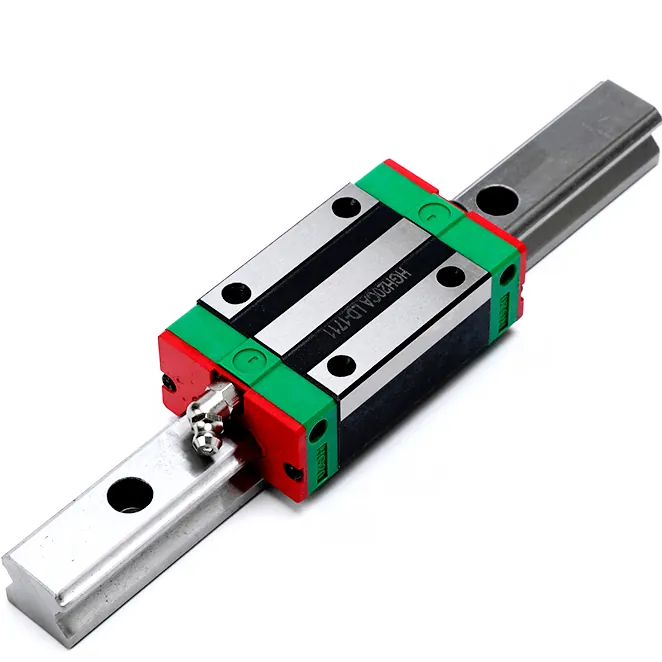
TEBAK HGR20R Linear Guide, Block
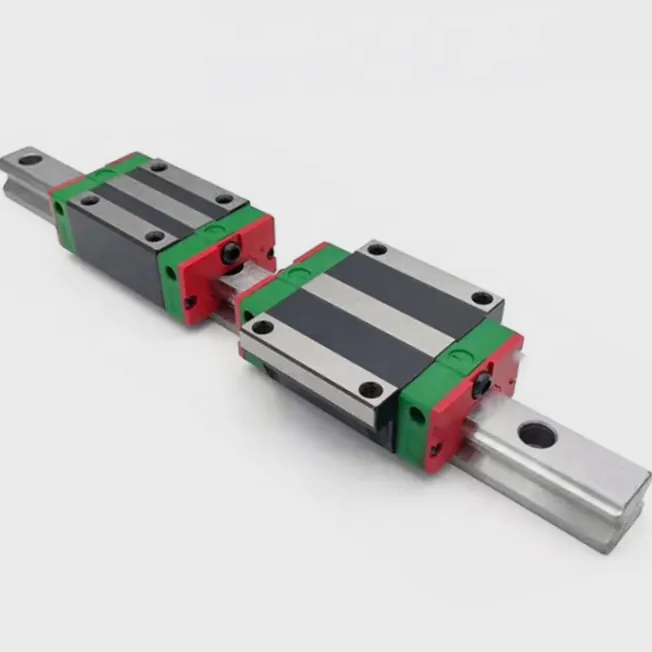
TEBAK HGR20R, Chrome Steel
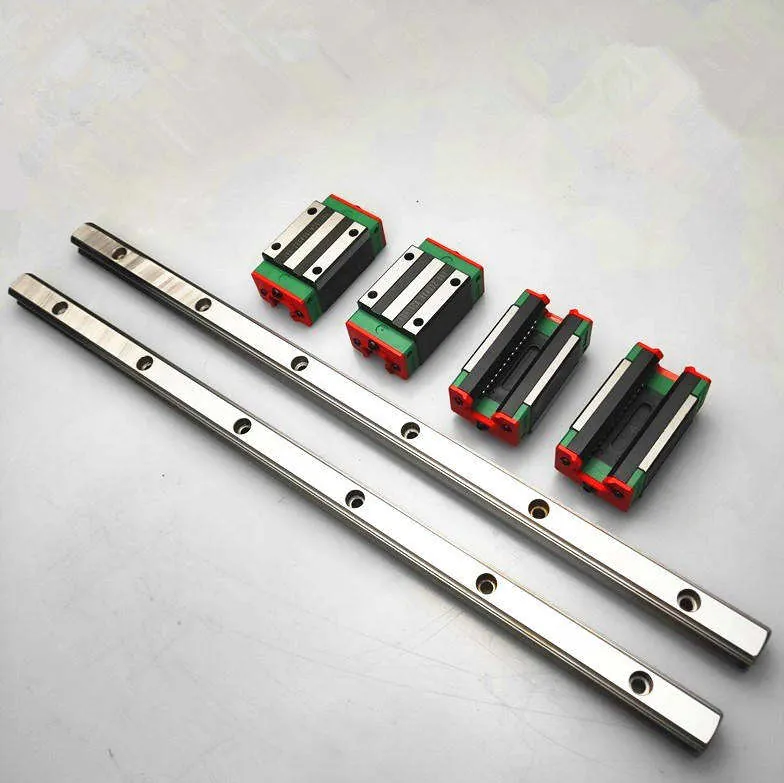
TEBAK HGR35 HGH20CA Linear Guide Rail, Chrome Steel
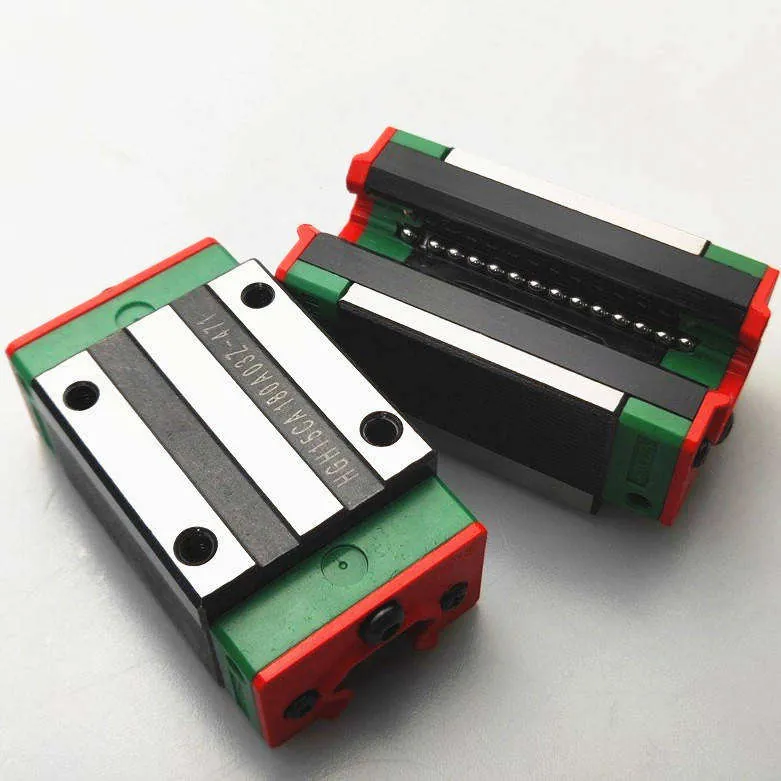
TEBAK HGR35 Linear Guide, Chrome Steel
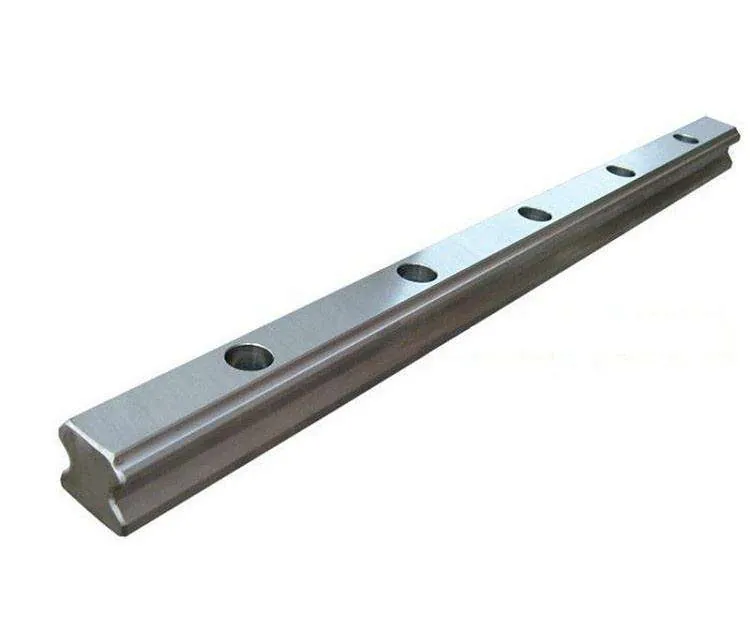
TEBAK HGR35 Linear Guide, Chrome Steel, Block Slider
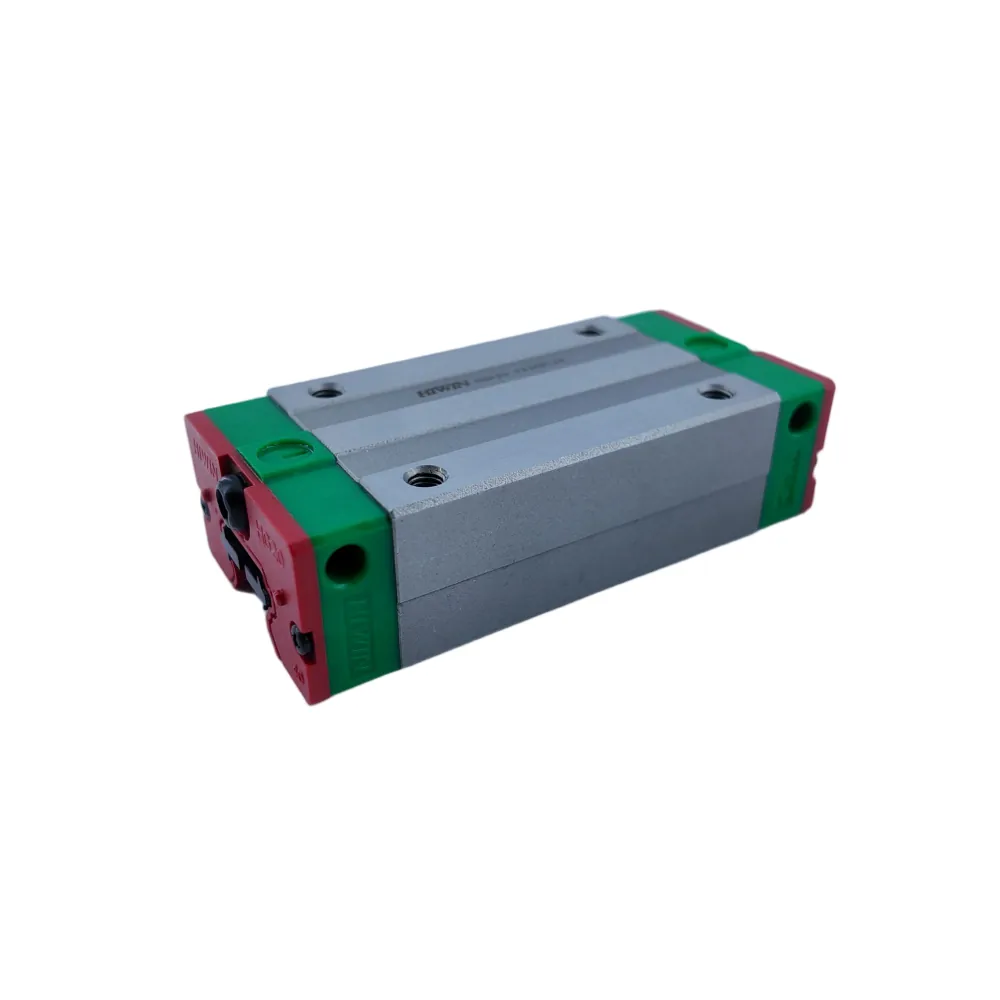
TEBAK HGR35R Linear Guide Rail, Chrome Steel
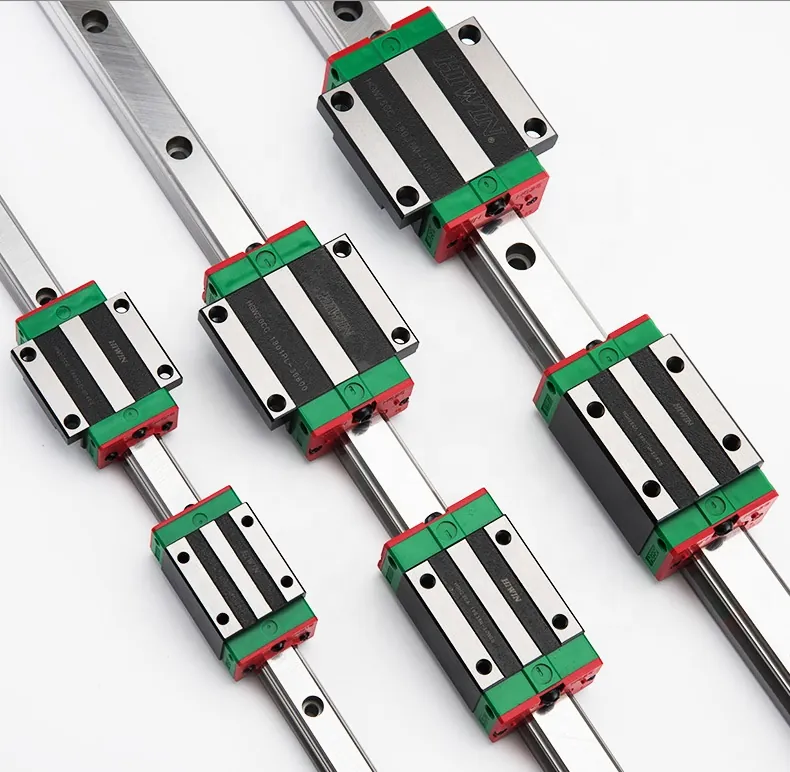
TEBAK Heavy Load HGR20–HGW20CA Linear Guide 20 mm
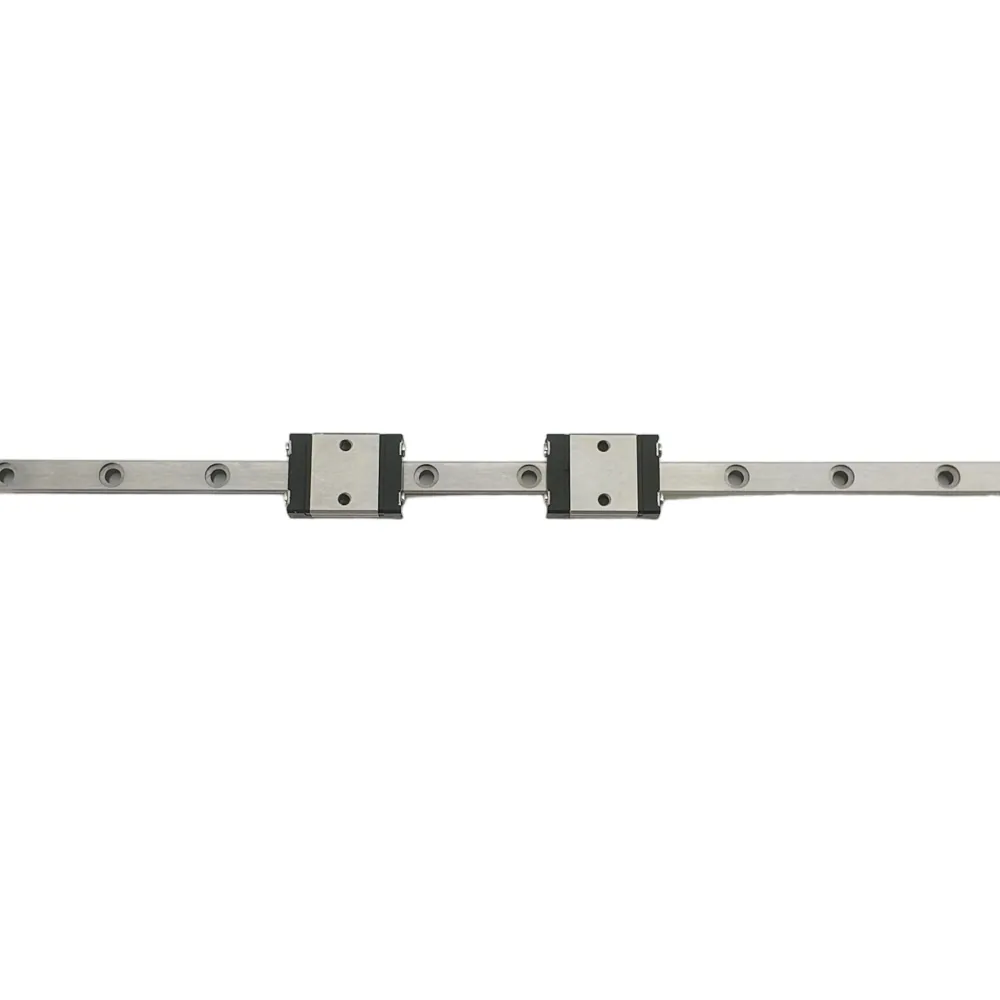
TEBAK Linear Guide Rail
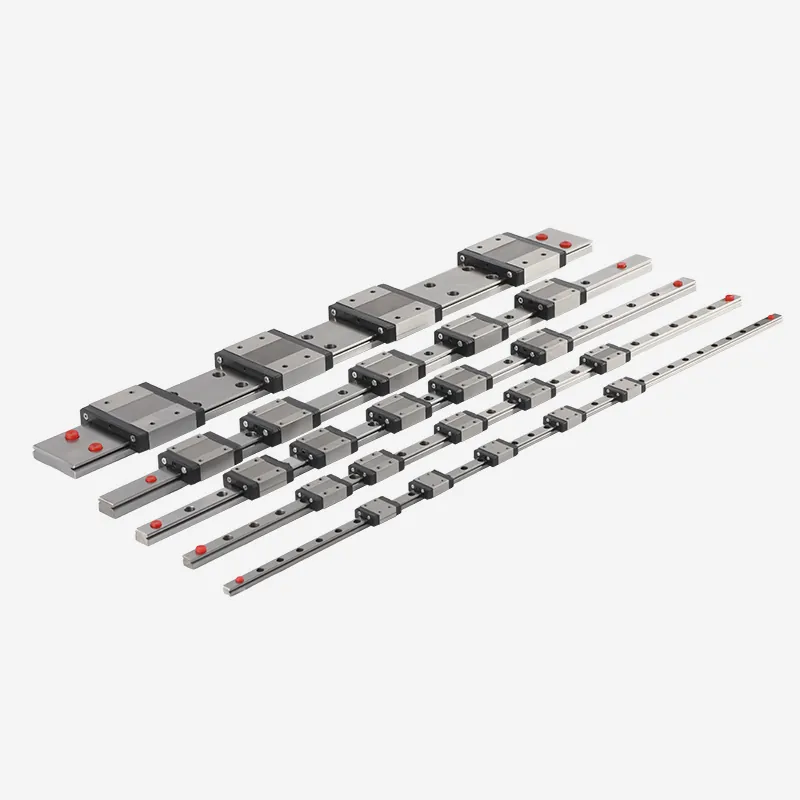
TEBAK Linear Guide Rail, Aluminium
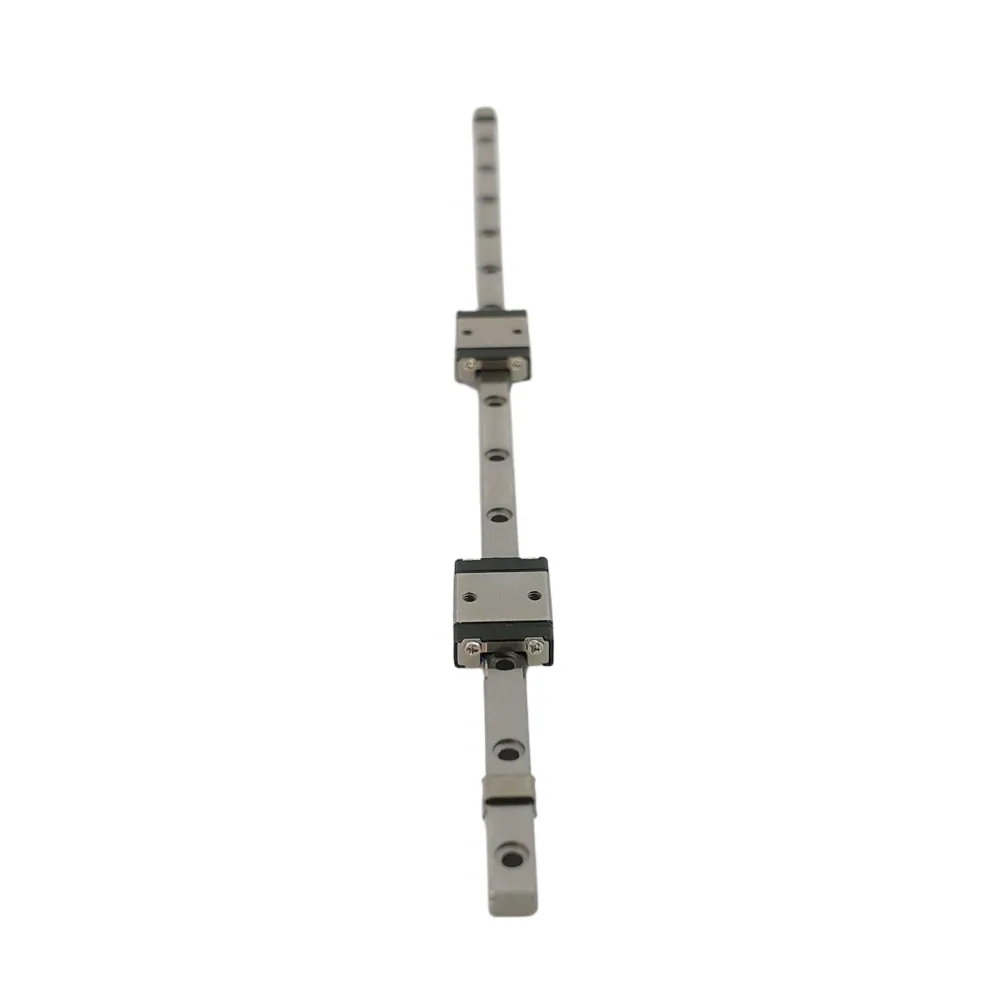
TEBAK Linear Guide Rail, Carbon Steel
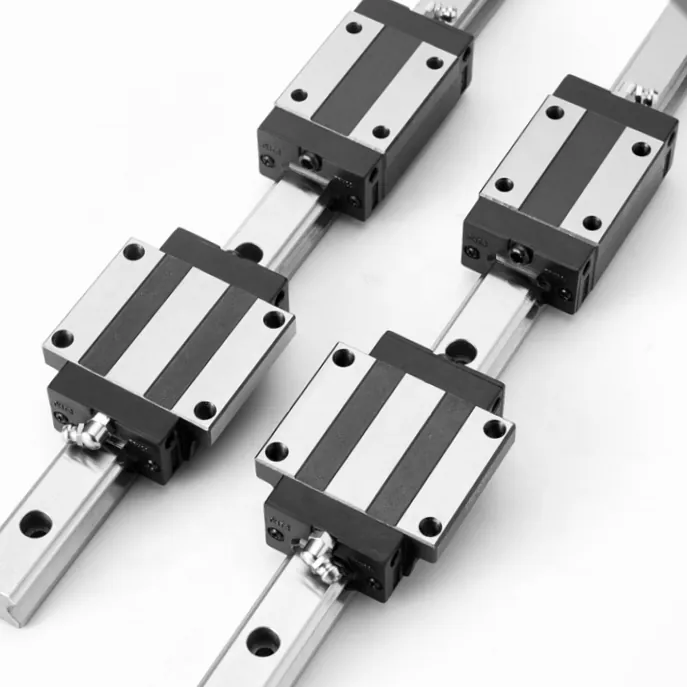
TEBAK Linear Guide Rail, Stainless Steel
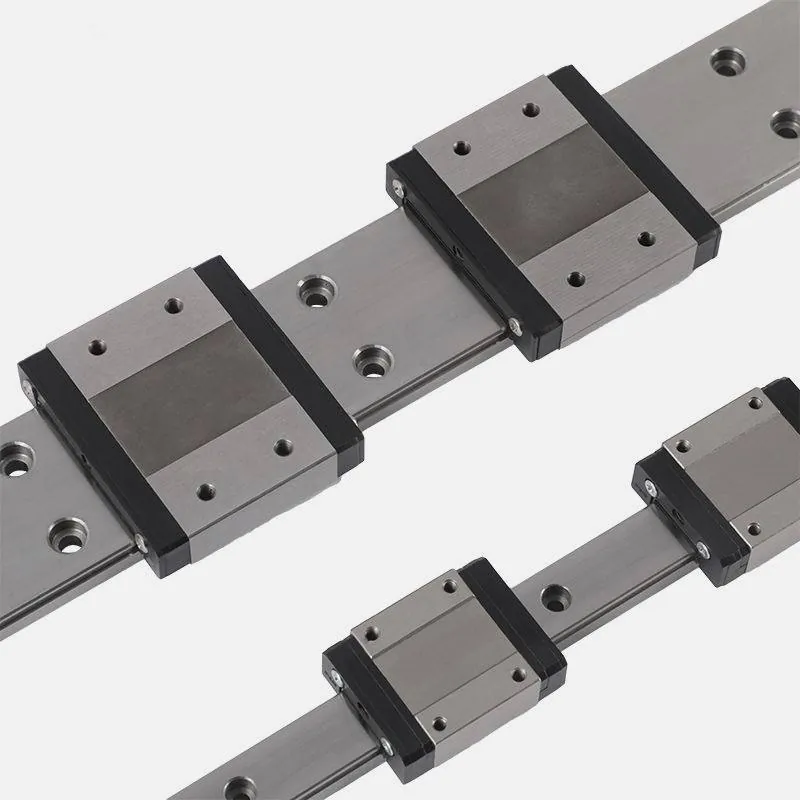
TEBAK Linear Guide, Aluminium
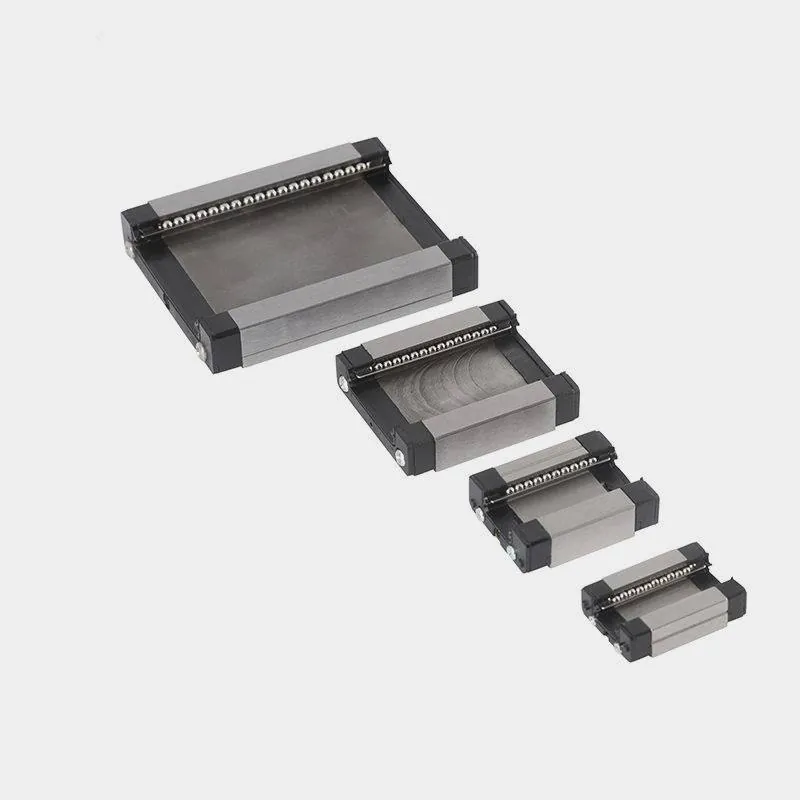
TEBAK Linear Guide, Aluminium, Actuator
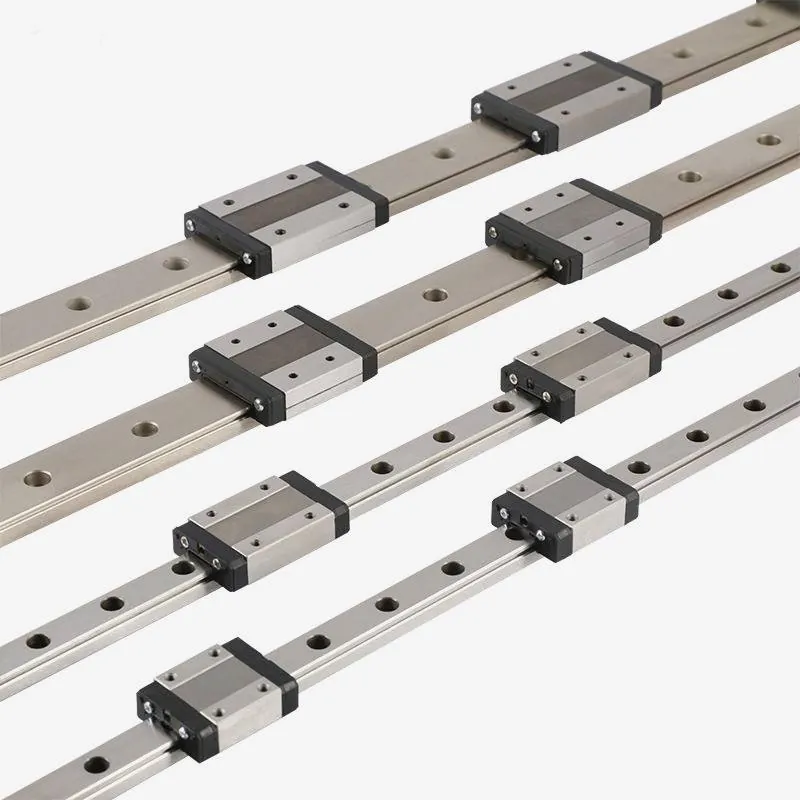
TEBAK Linear Guide, Aluminium, Stage Nema
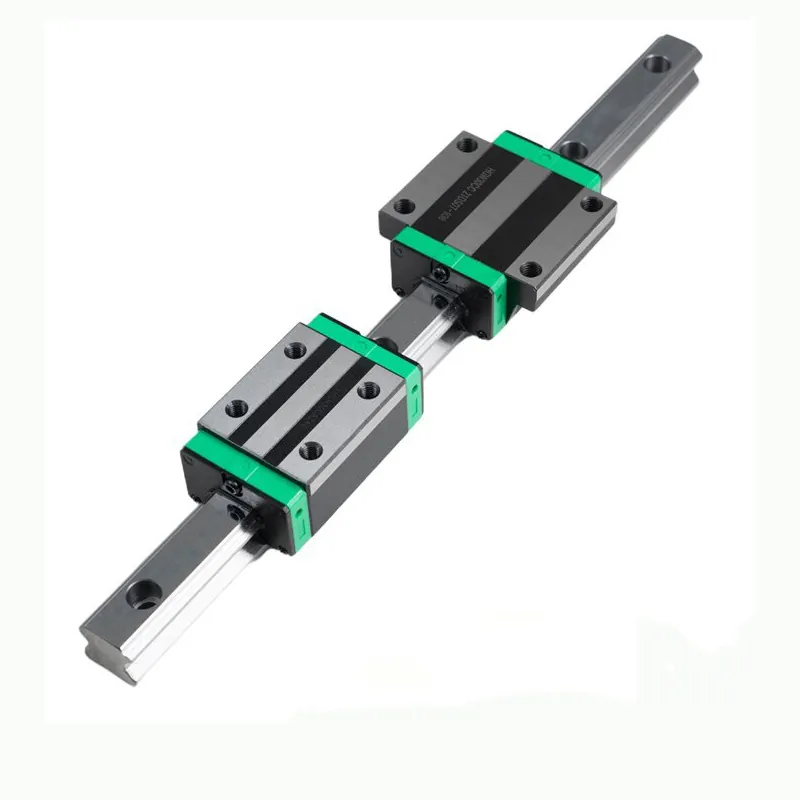
TEBAK Linear Guide, Linear Block Guide Rail HGL HGW HGR
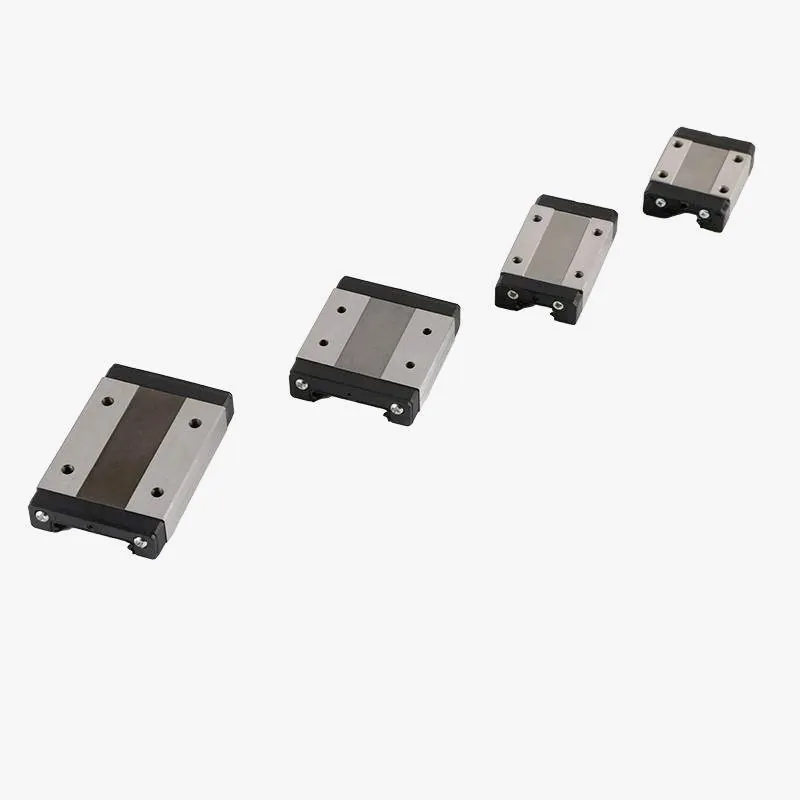
TEBAK Linear Guide, Stainless Steel
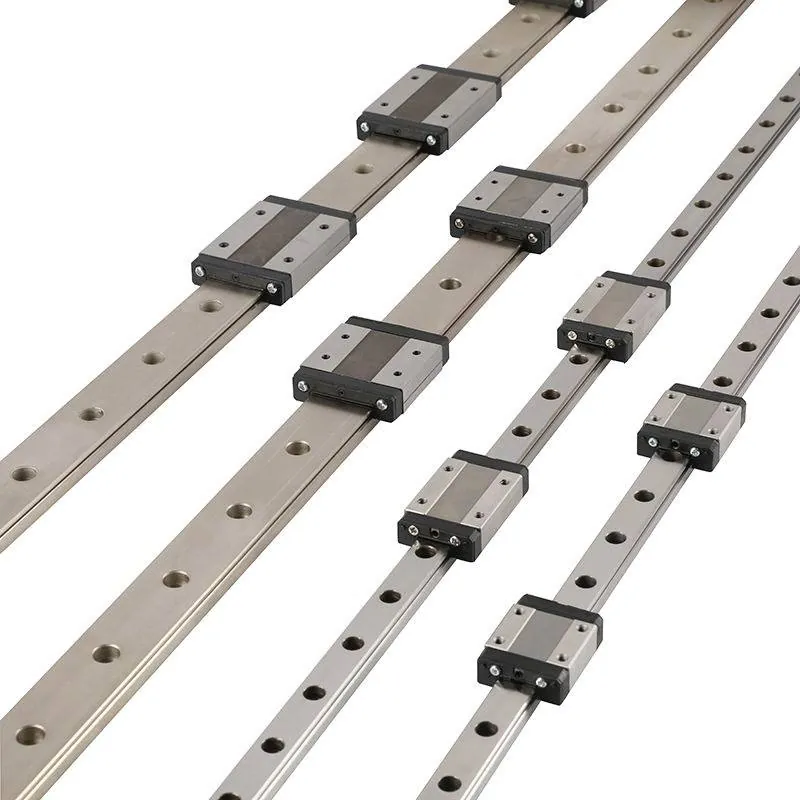
TEBAK Linear Guide, Stainless Steel, Light
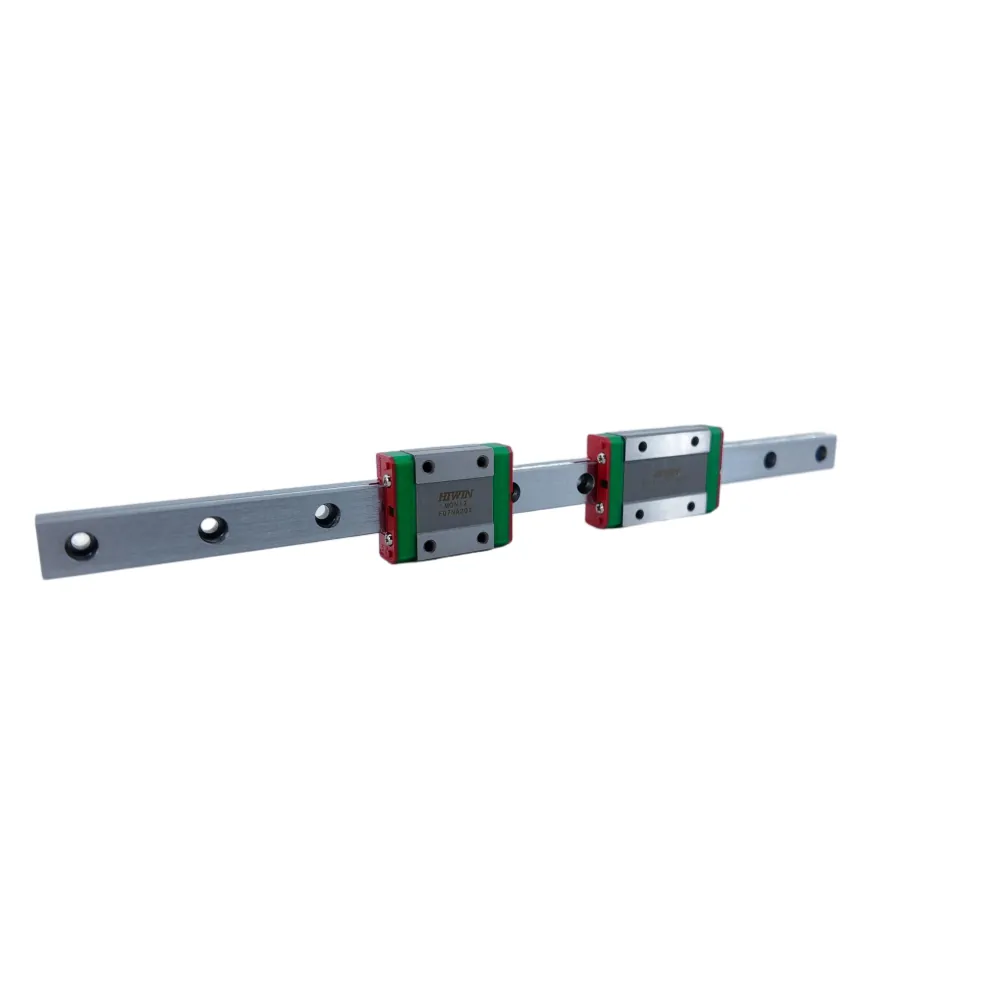
TEBAK Linear Module
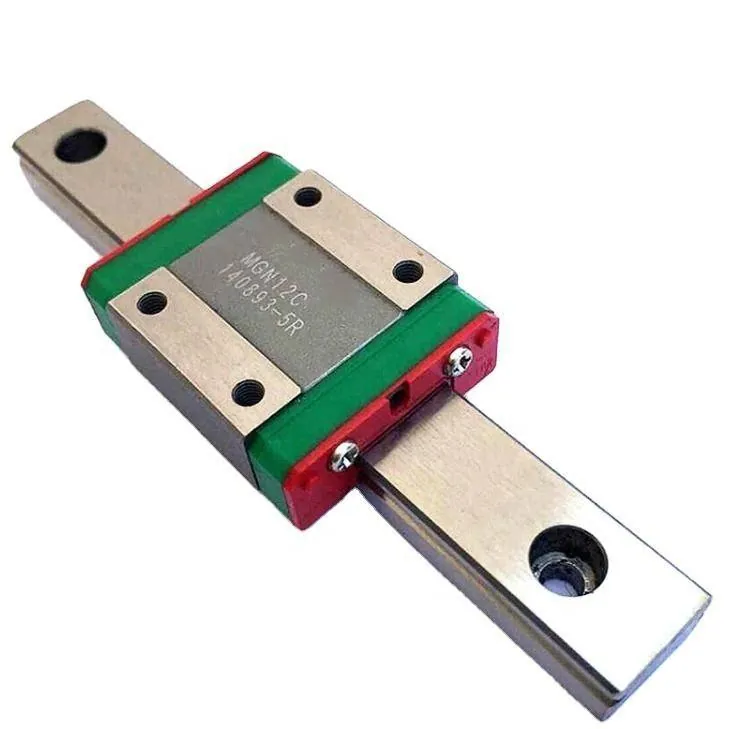
TEBAK MGN12 Linear Guide Rail
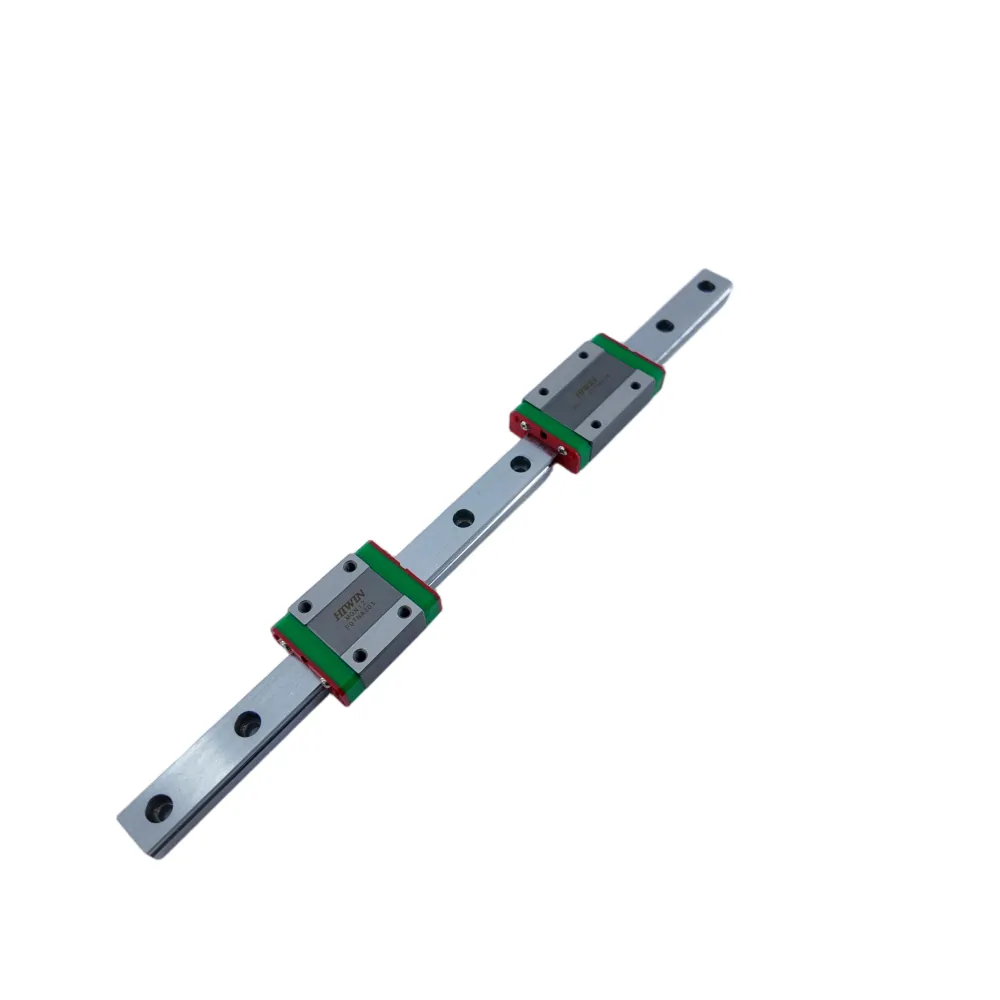
TEBAK MGN12H Miniature Linear Guide Rail
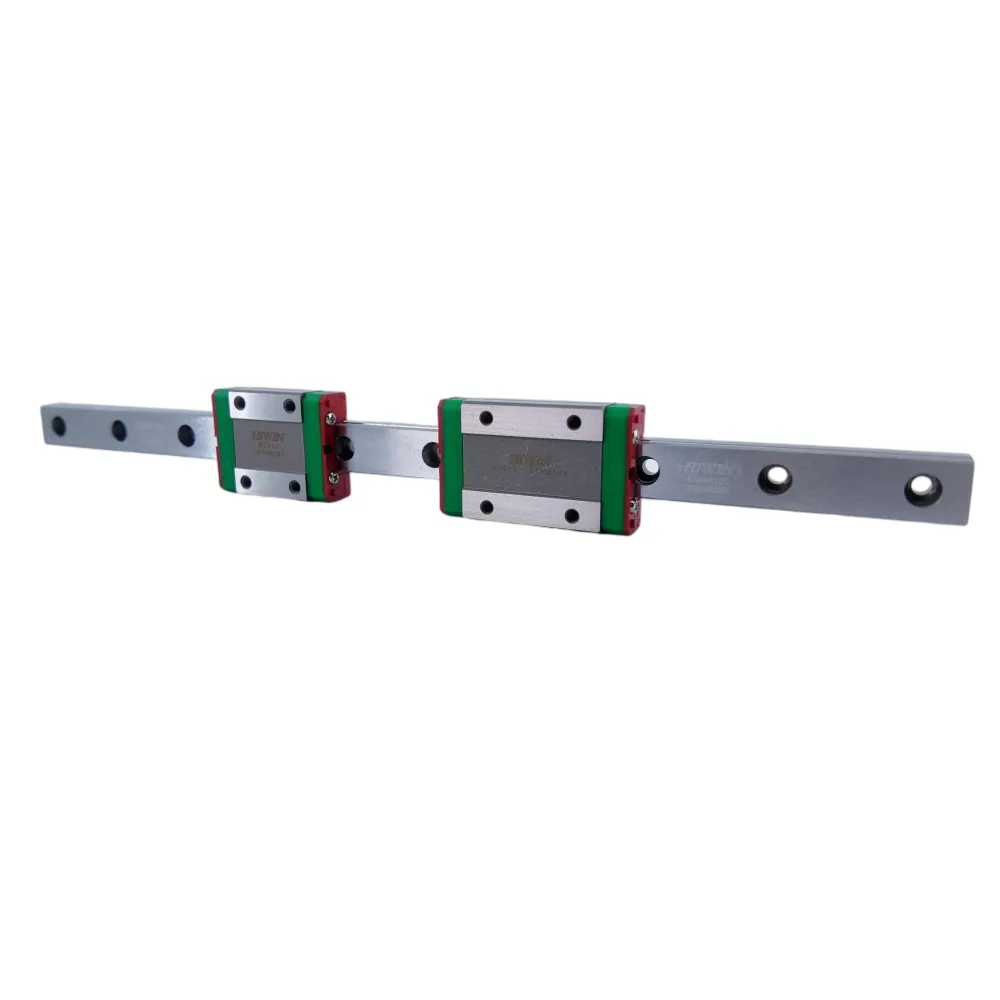
TEBAK MGN15 Linear Guide Rail, Stainless Steel
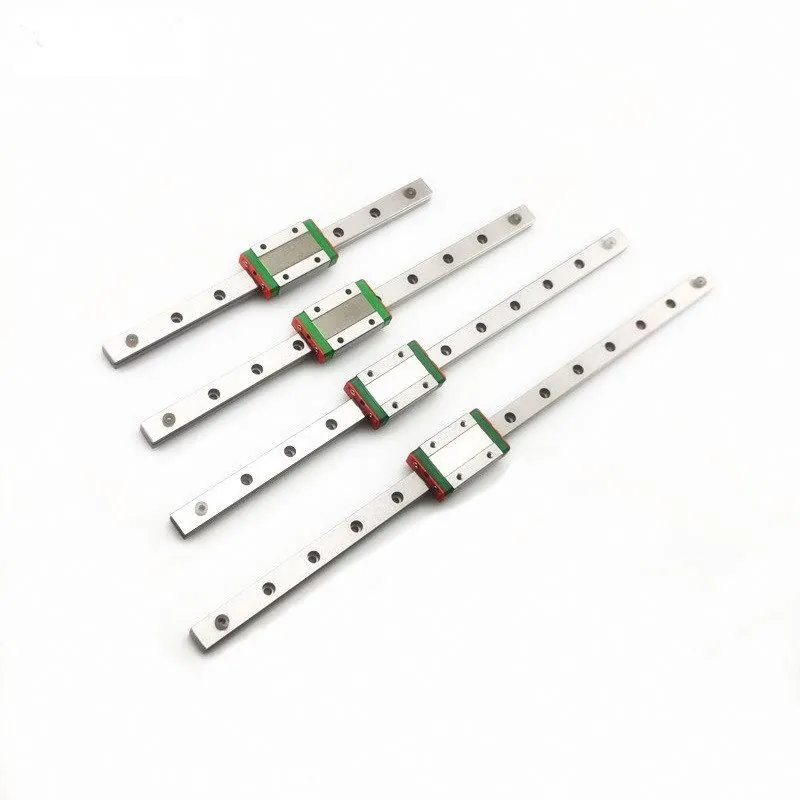
TEBAK MGN15H Linear Guide, length 100 mm 15 mm
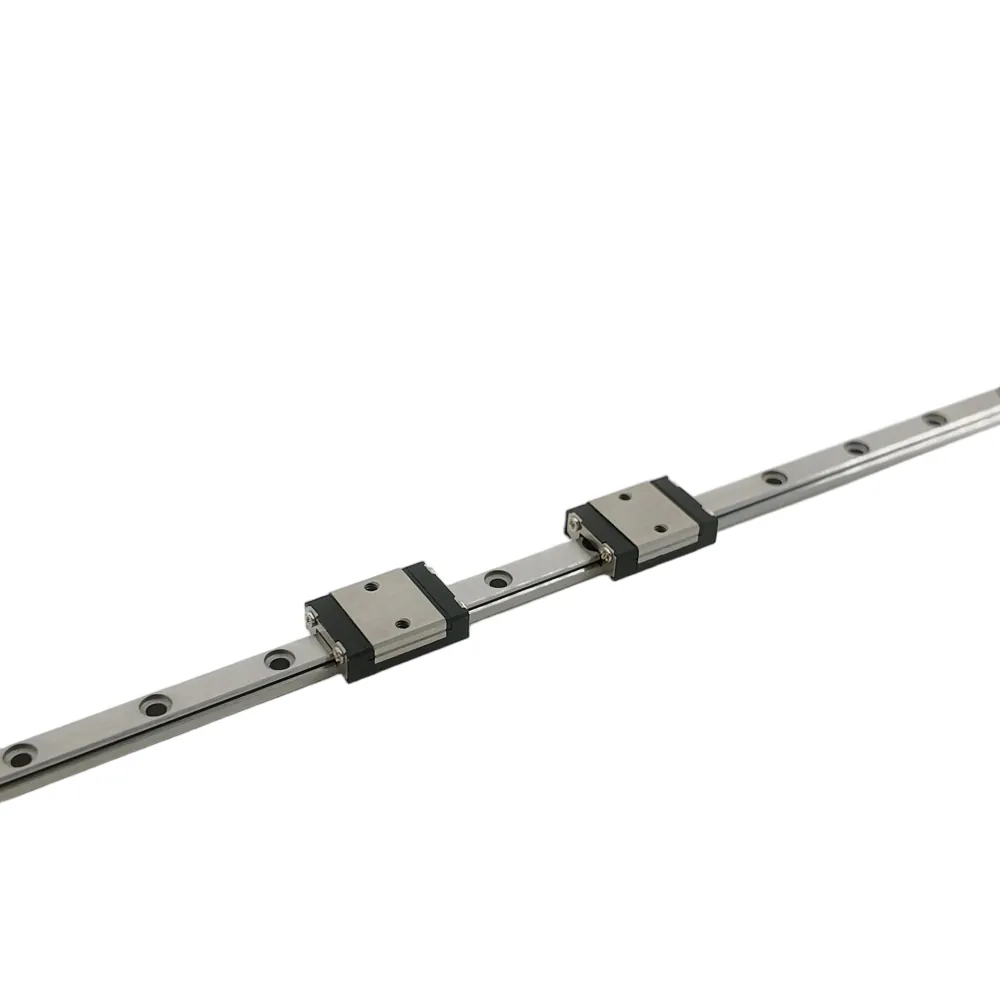
TEBAK MGN5C Linear Guide Rail, Aluminium
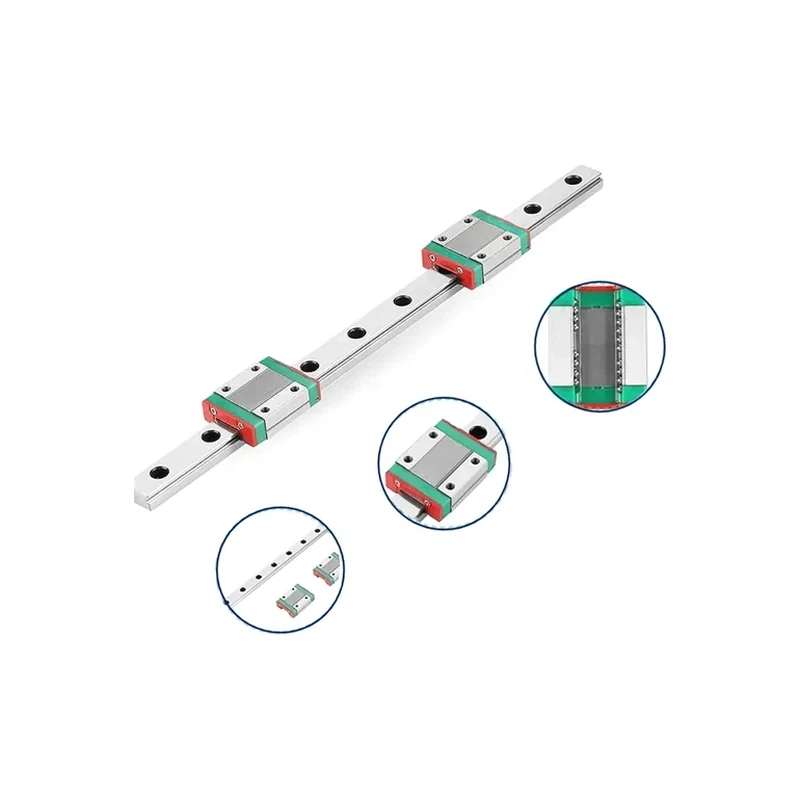
TEBAK MGN7–MGN15H Linear Guide 7 mm
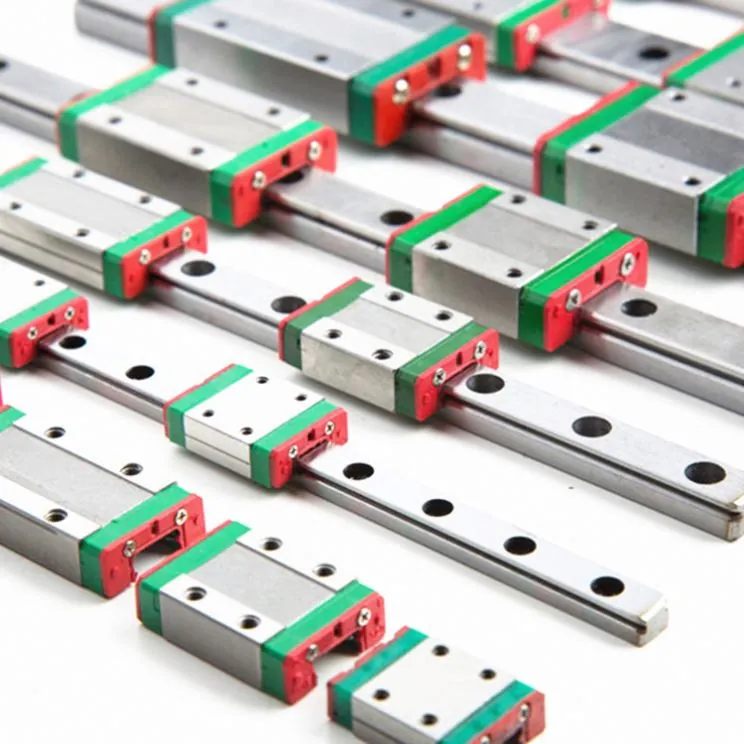
TEBAK MGW7C–MGW15H Linear Guide 7 mm
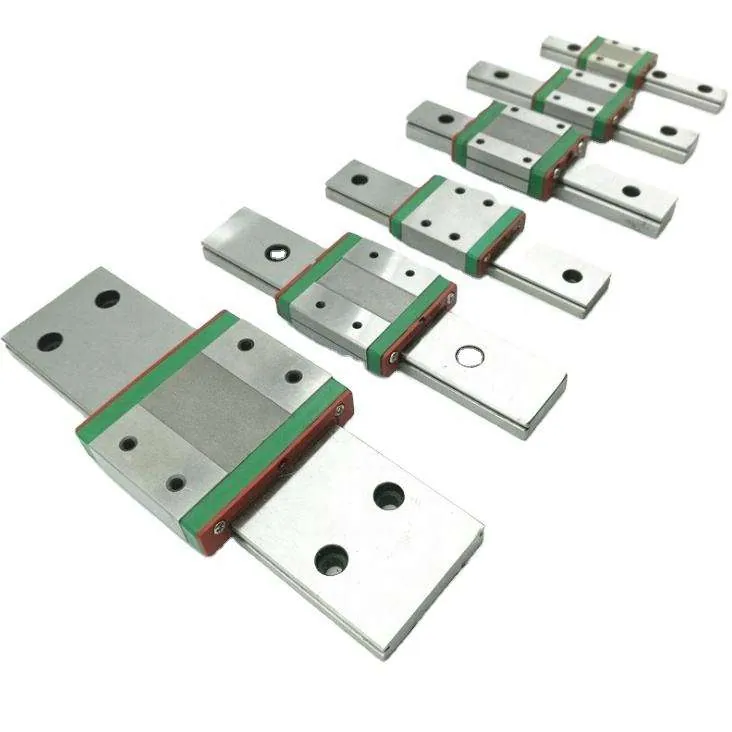
TEBAK Mini Linear Guide Rail, Stainless Steel
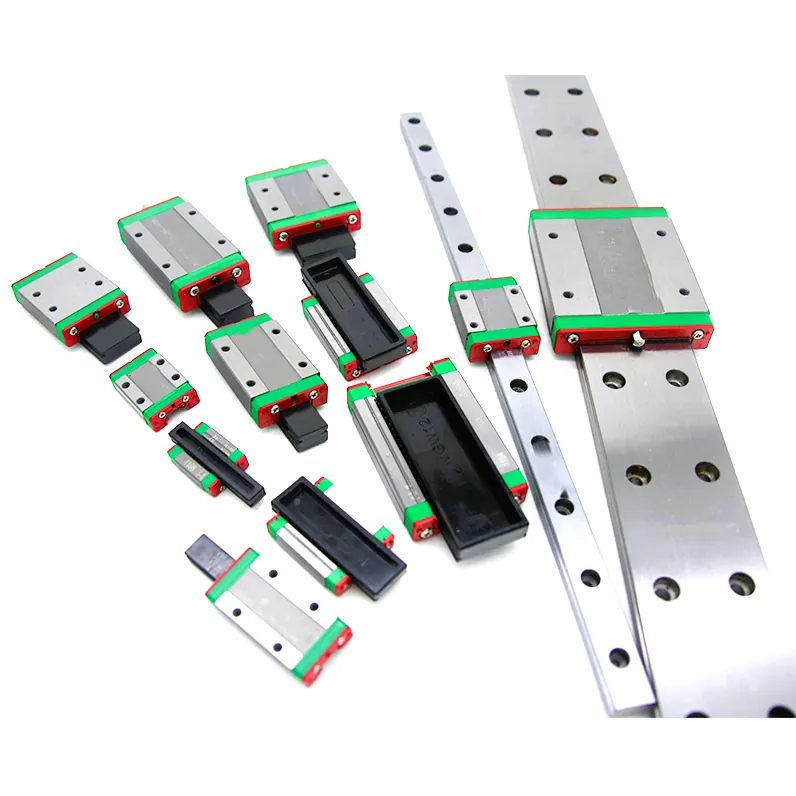
TEBAK Mini Linear Guide Rail, Stainless Steel, Block Slider
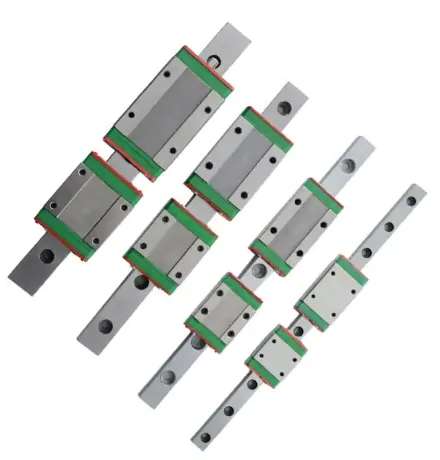
TEBAK Miniature MGN12–MGW12 Linear Guide 12 mm
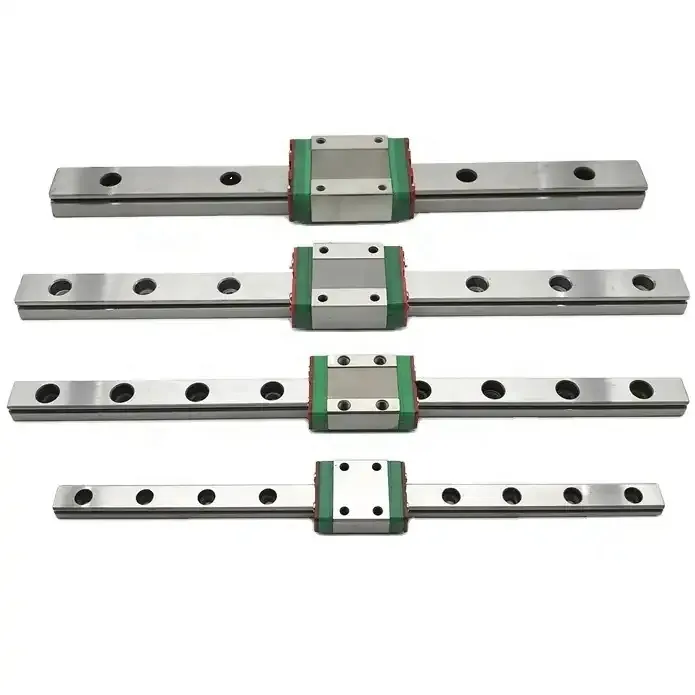
TEBAK Miniature MGN5–MGN15 Linear Guide 5 mm
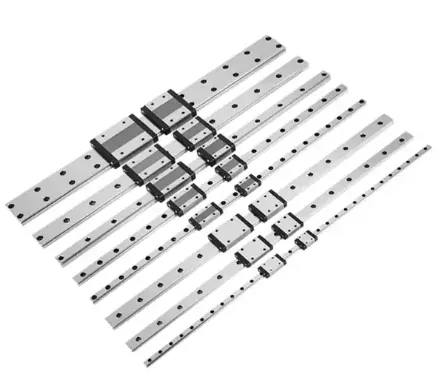
TEBAK Miniature MGN7–MGN9 Linear Guide Bearing
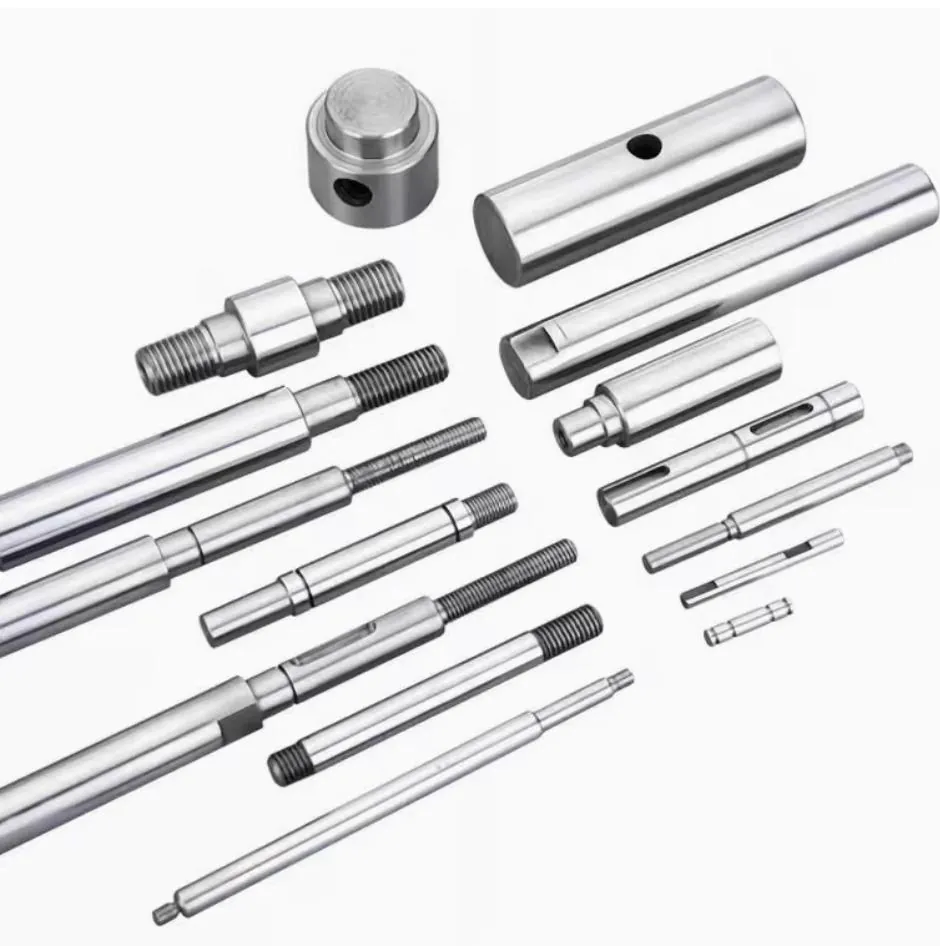
TEBAK Precision Linear Guide Carbon steel, bearing
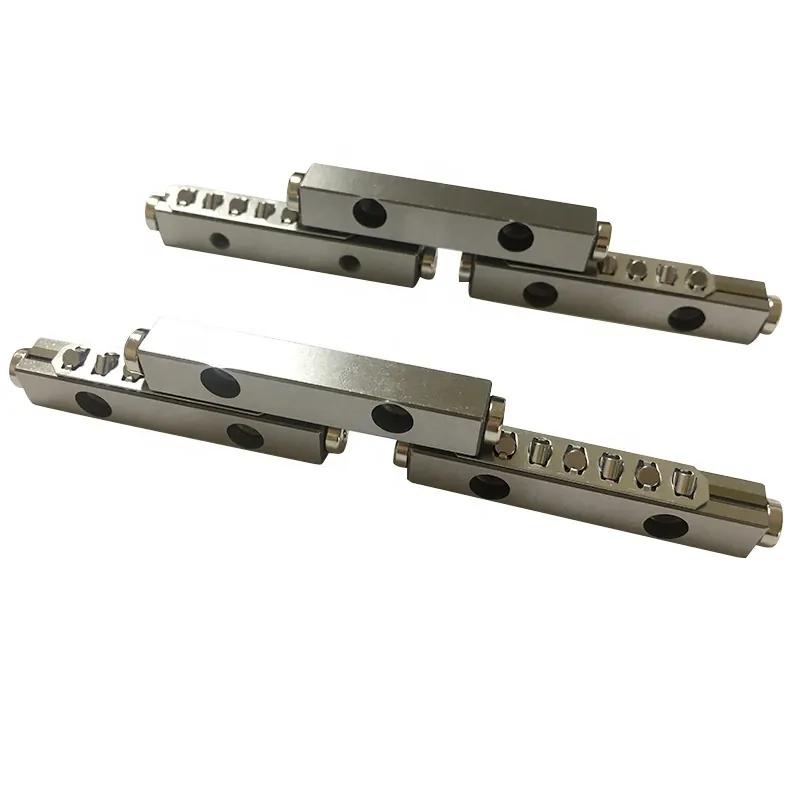
TEBAK Precision VR15 Linear Guide Bearing
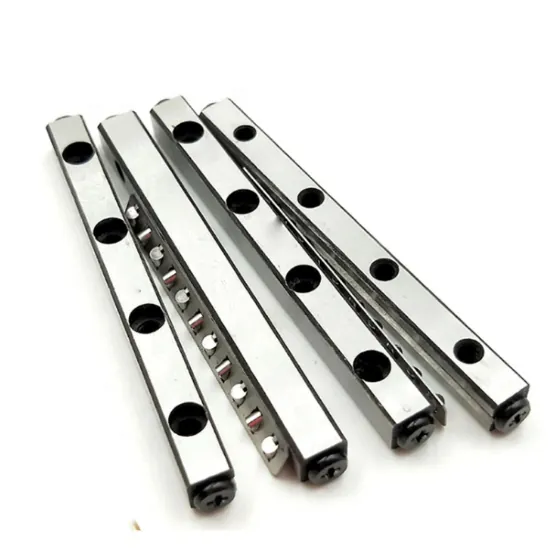
TEBAK Precision VR18 Linear Guide, grade C,H,P,SP,UP
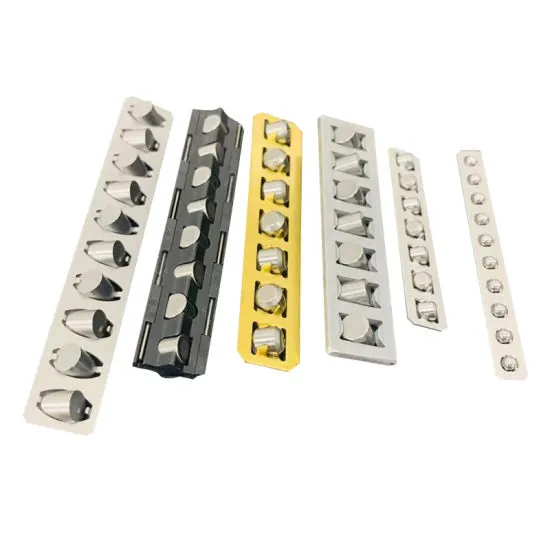
TEBAK Precision VR9200–VR18500 Linear Guide, grade H,P,SP
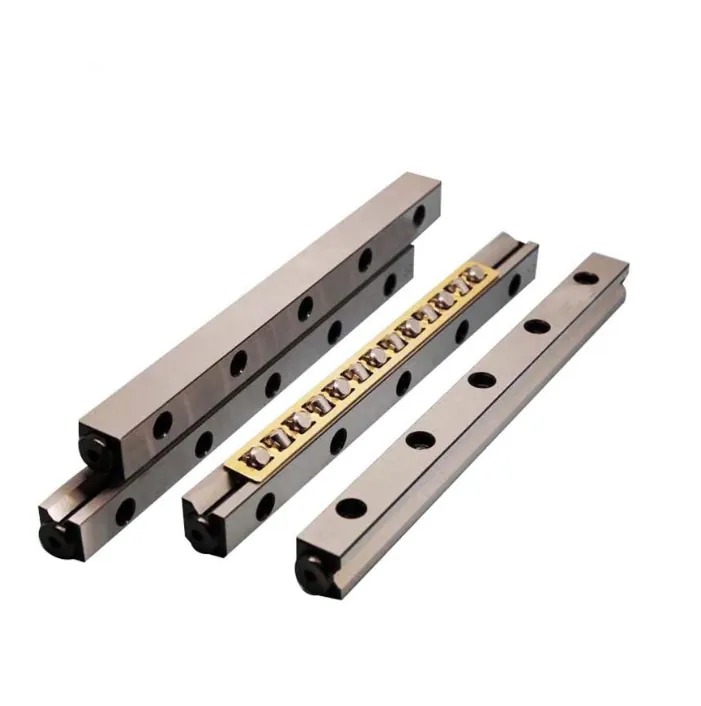
TEBAK Roller Linear Bearings VR1-20 VR2-30 VR3-50
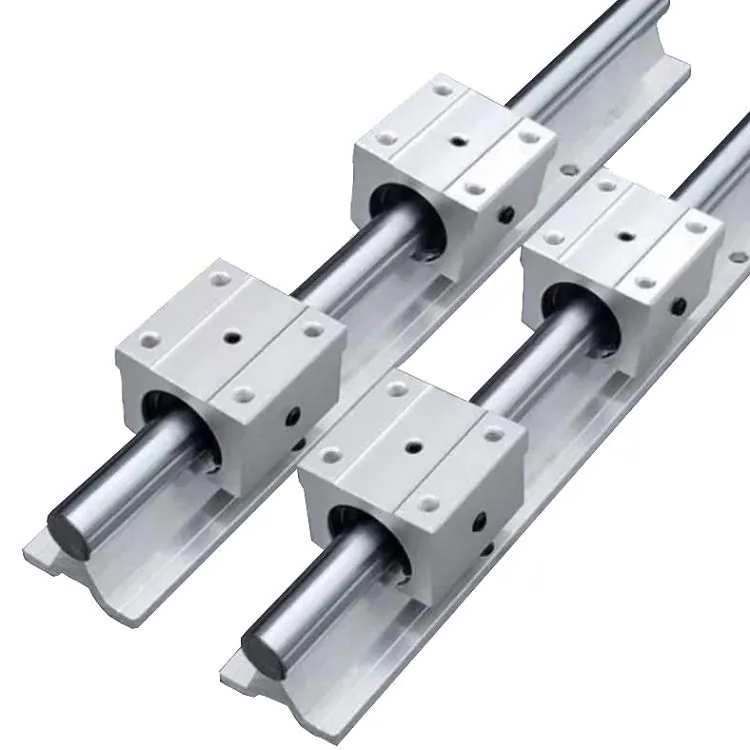
TEBAK SBR Series Aluminum Support Rail Linear Guide
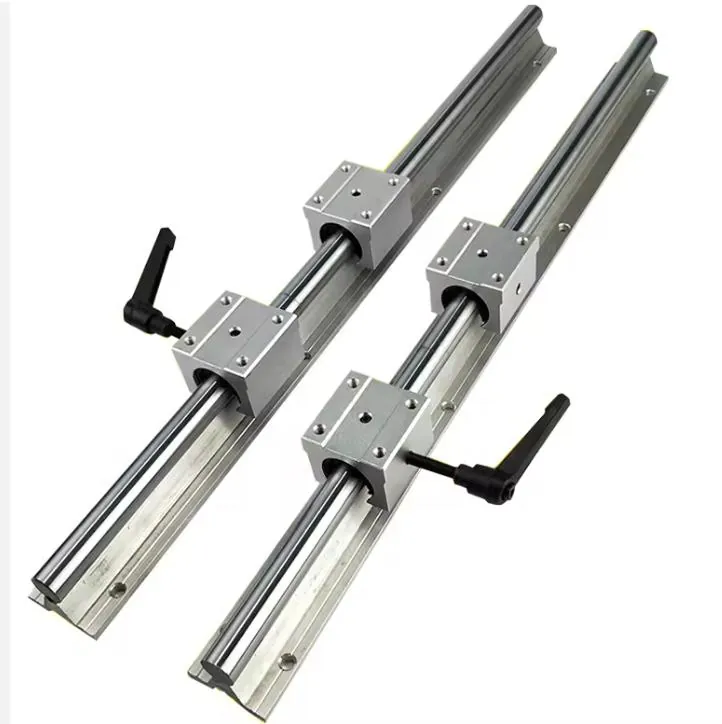
TEBAK SBR12–SBR12LUU Linear Guide 12 mm
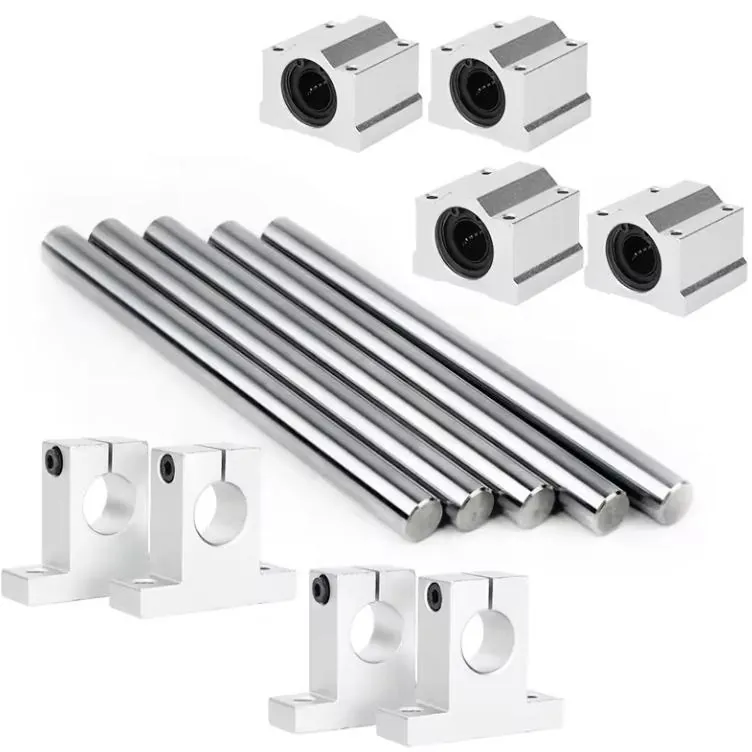
TEBAK SBR16UU–SBR16 Linear Guide 16 mm
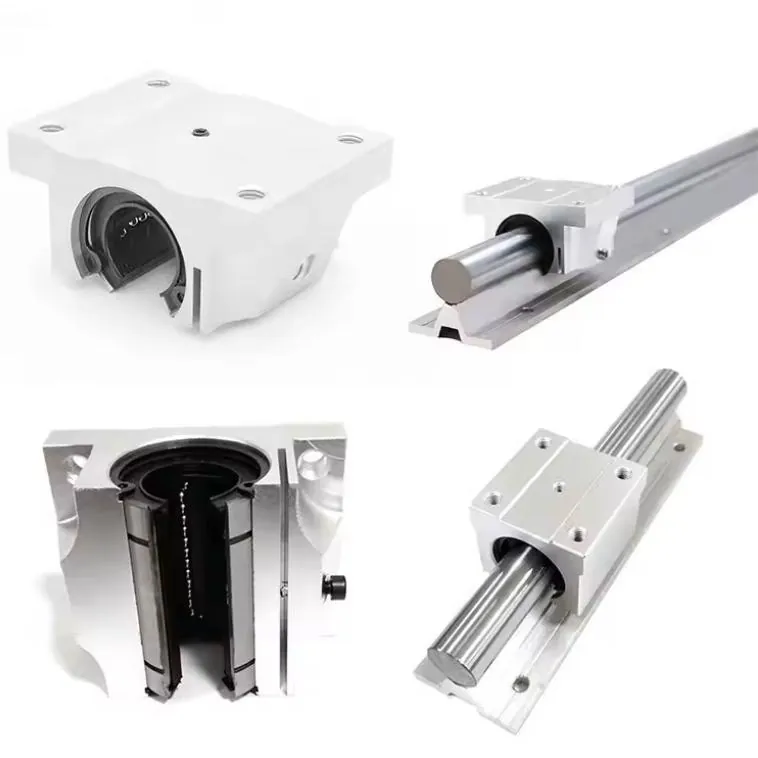
TEBAK SBR20–SBR50 Linear Guide 20 mm
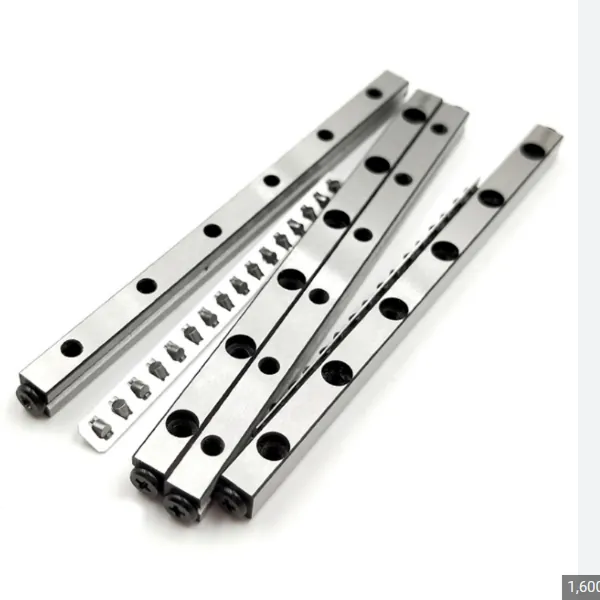
TEBAK Smooth Motion Precision Cross Roller Guides VR4
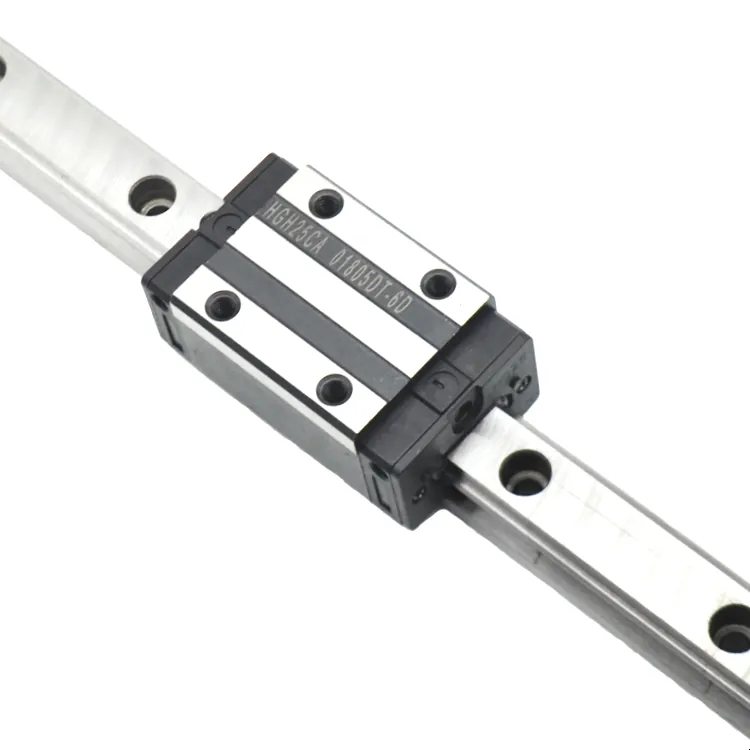
TEBAK Stainless Steel CNC Linear Motion Slide Rail Belt
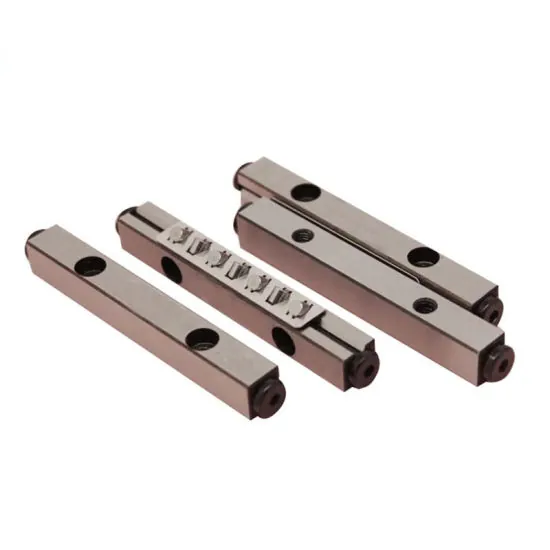
TEBAK Stainless VR1–VR18 Linear Guide, grade H,P,SP
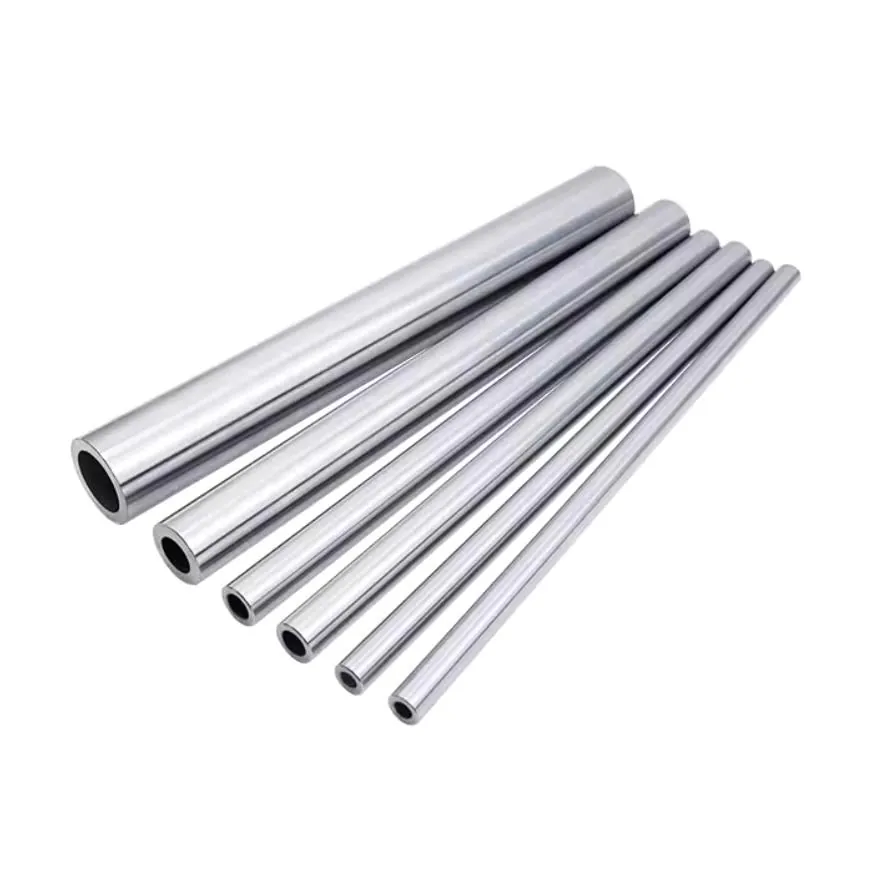
TEBAK Turning Machining Grinding Customized Linear Guide
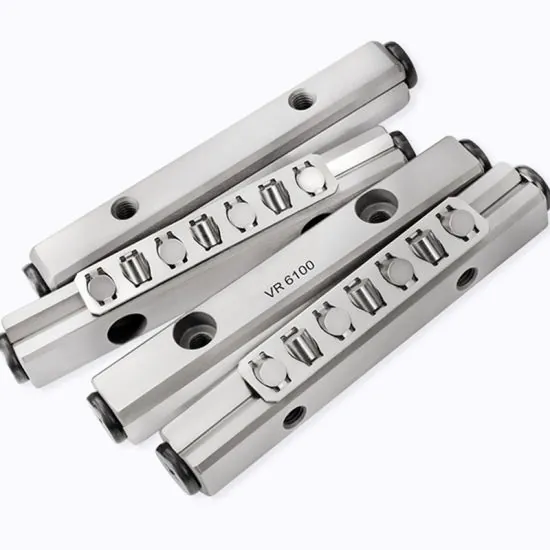
TEBAK V-Shaped Vr3 Vr4 Vr6 Vr9 Vr12 Vr15 Vr18 Cross
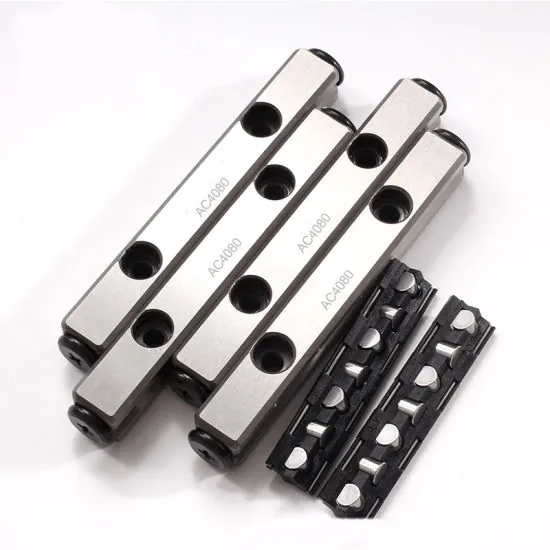
TEBAK VR2–VR2180 Linear Guide, grade H,P,SP
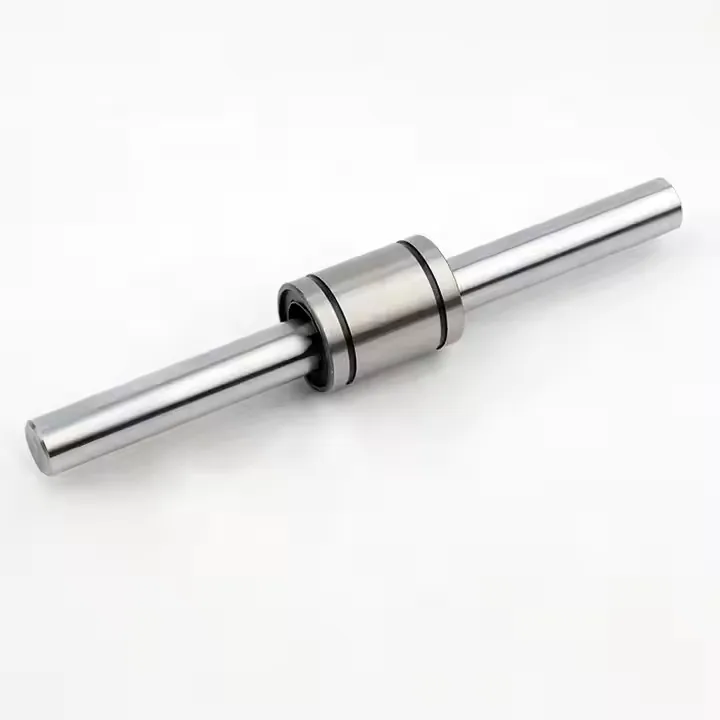
TEBAK Precision Linear Guide
Interested in this product?
Send your details and we will respond within 24 hours.