
Linear Module
36 items with published dimensions.
A linear slide table packages the guide, the drive and the carriage into one body, so an axis can be designed as a single part instead of a set of components that have to be aligned on site. The drive inside the profile is usually a ball screw for thrust and holding, a belt for speed over long travel, or a direct drive where acceleration matters. Because the carriage runs on rails machined into or bolted to the same extrusion, the axis arrives straight and square, which removes the most common source of error in a hand-built slide.
Selection starts with stroke, then the load and the overhang of the moving mass, then repeatability. A ball screw module gives thrust and holds position with the motor off; a belt module gives speed and can span a long distance without whip; a direct drive module gives high acceleration with no wear part in the drive, at the cost of needing an encoder and a servo loop. The mounting of the module to the machine frame, and the stiffness of that joint, often decide the finished accuracy more than the module itself.
These units are specified by automation integrators, machine builders and retrofit engineers for pick and place gantries, dispensing and assembly stations, laser and CNC gantries, test and inspection equipment, laboratory handling and packaging machines. Buyers usually need a specific stroke and a mounting interface that matches an existing frame, so the order is driven by a drawing rather than by a stock size.
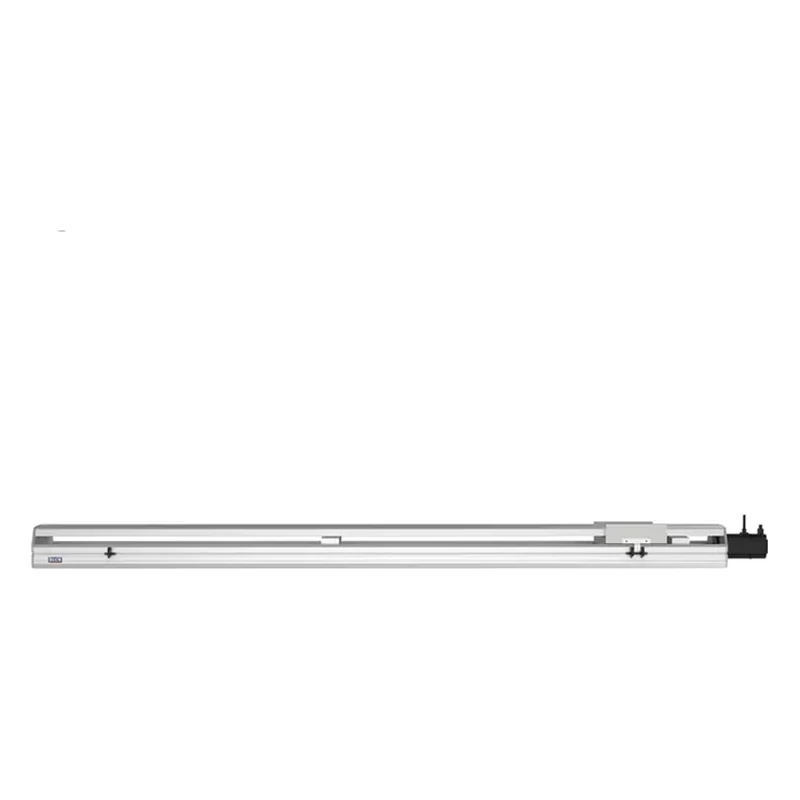
TEBAK 17M Ball Screw Linear Module, 220 mm Body Width
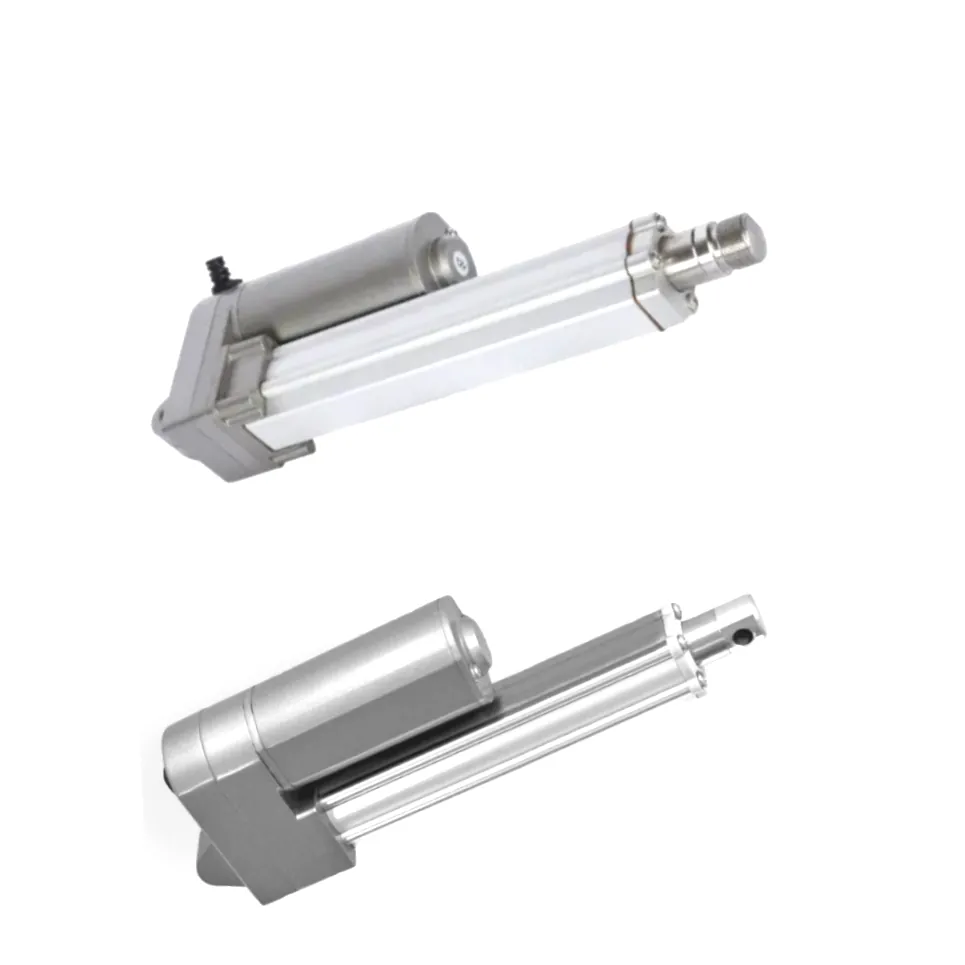
TEBAK Aluminum Alloy Linear Actuator Controller
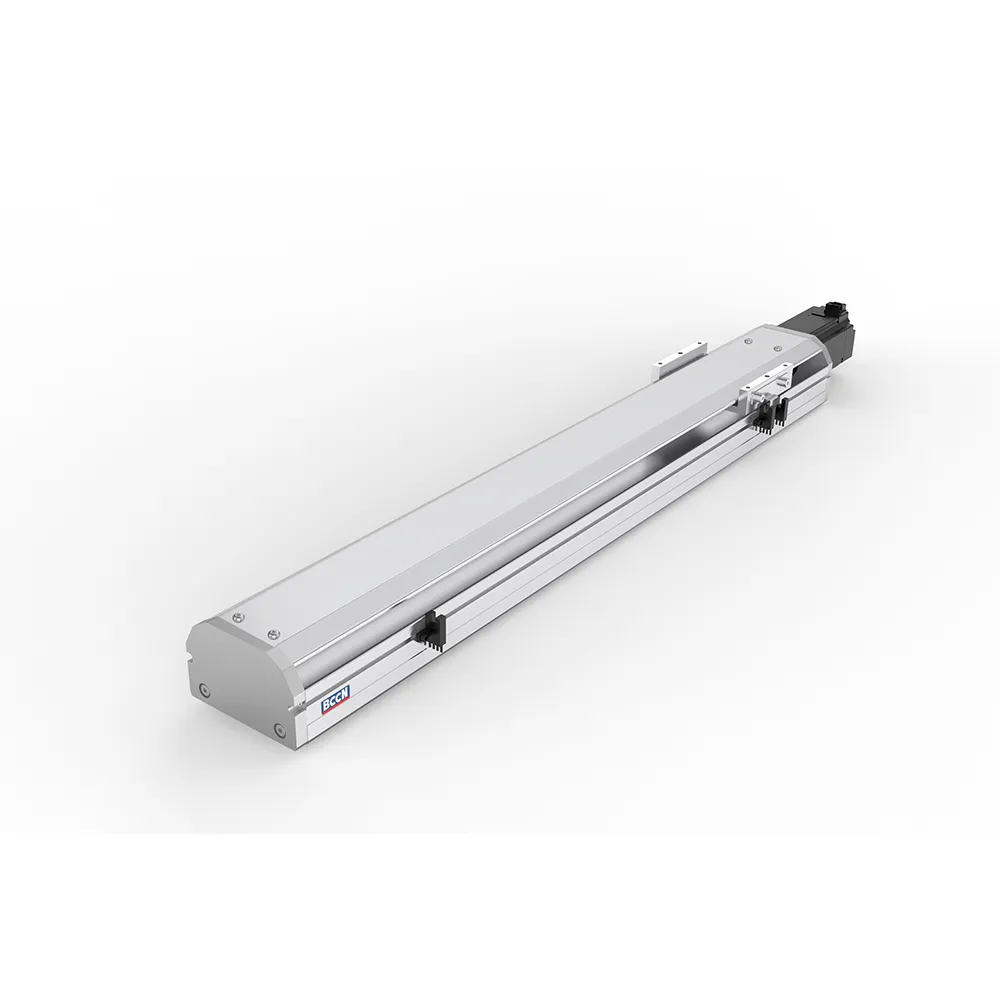
TEBAK BBC10 Ball Screw Linear Module, Aluminium Body
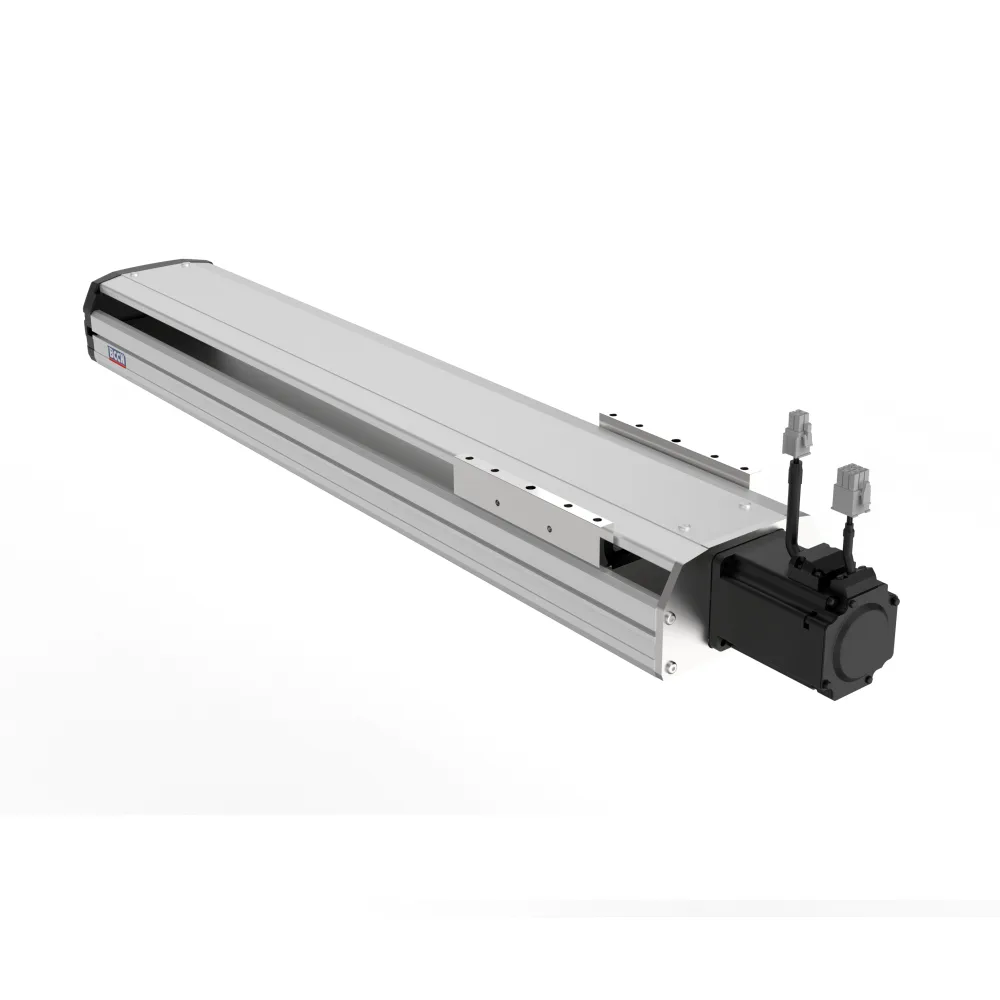
TEBAK BBC13 Ball Screw Linear Module, Aluminium Body
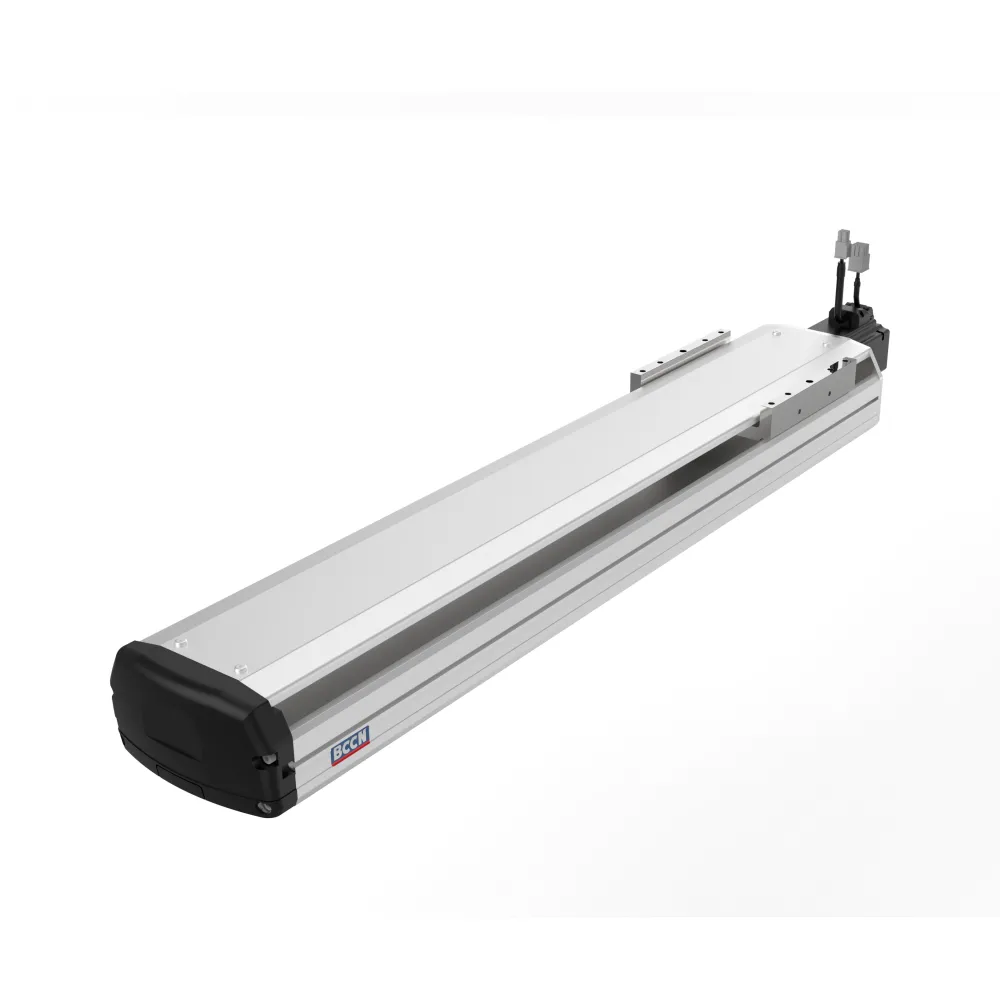
TEBAK BBC14 Ball Screw Linear Module, Aluminium Body
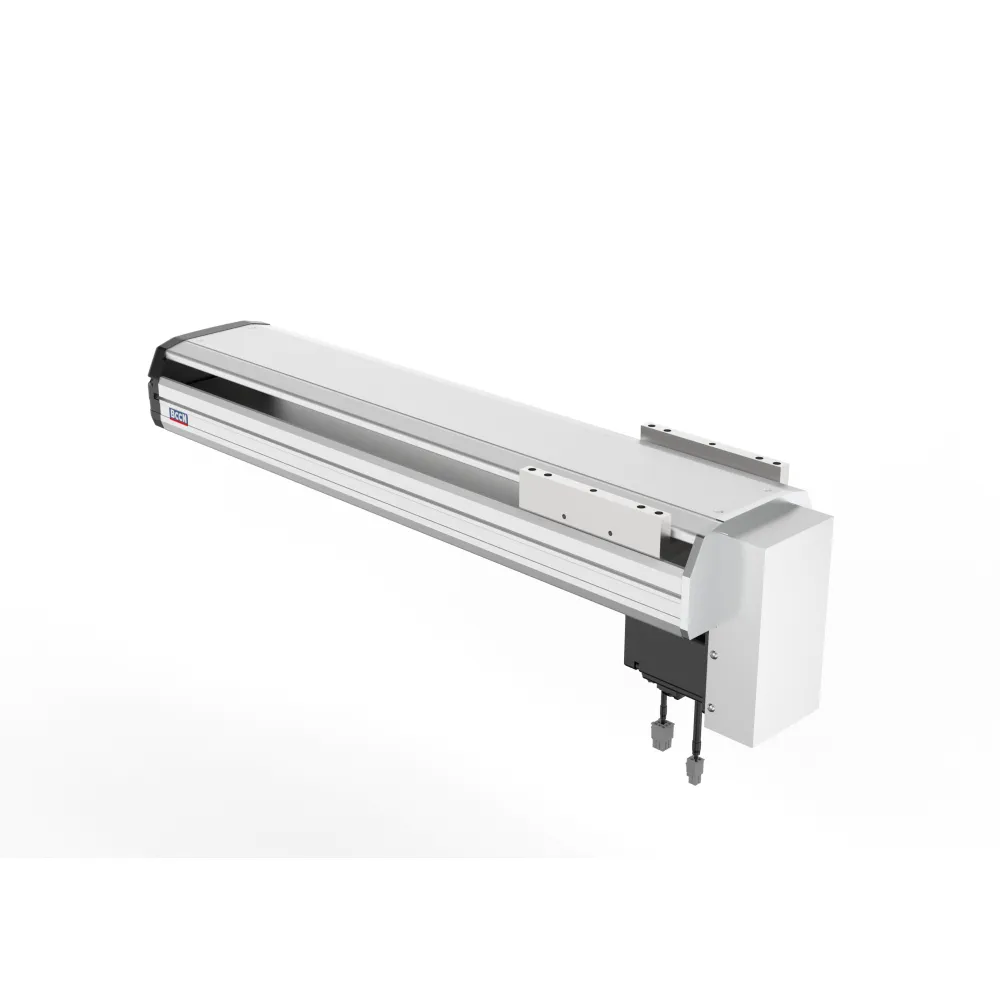
TEBAK BBC17 Ball Screw Linear Module, Aluminium Body
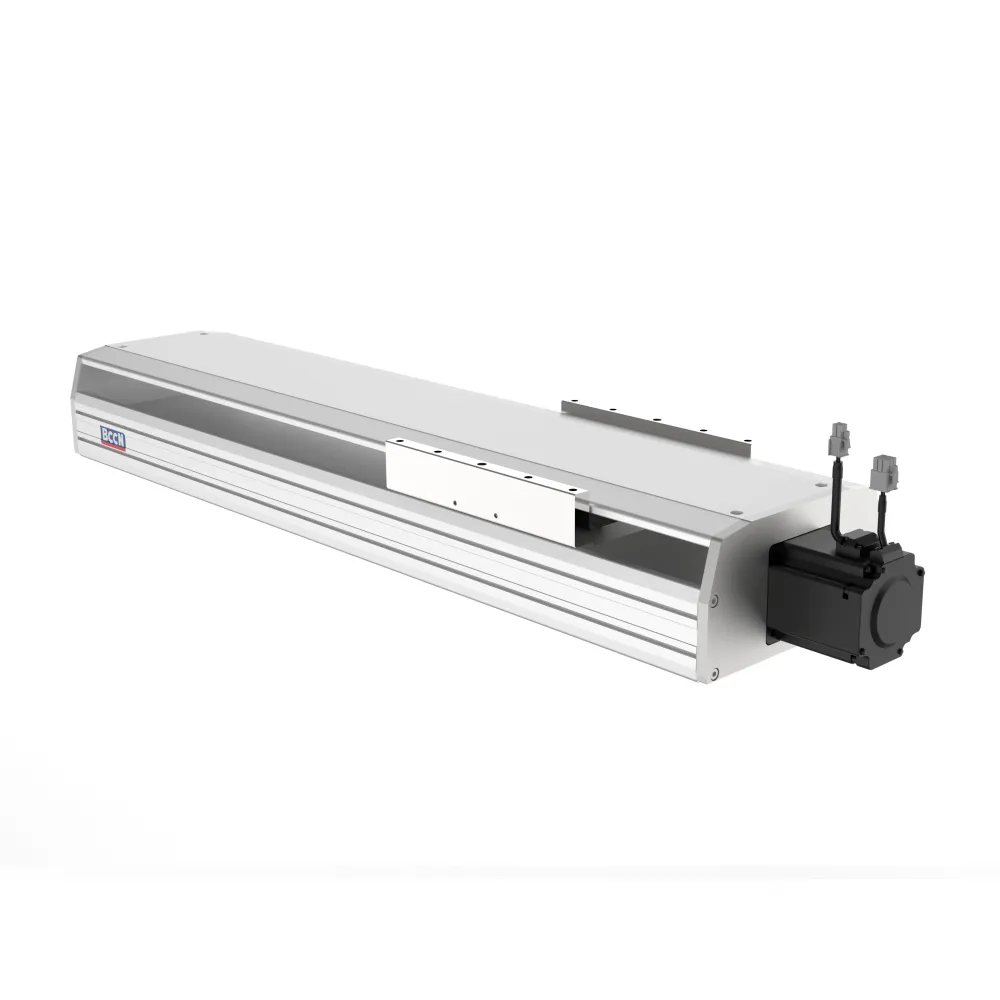
TEBAK BBC22H Ball Screw Linear Module, Aluminium Body
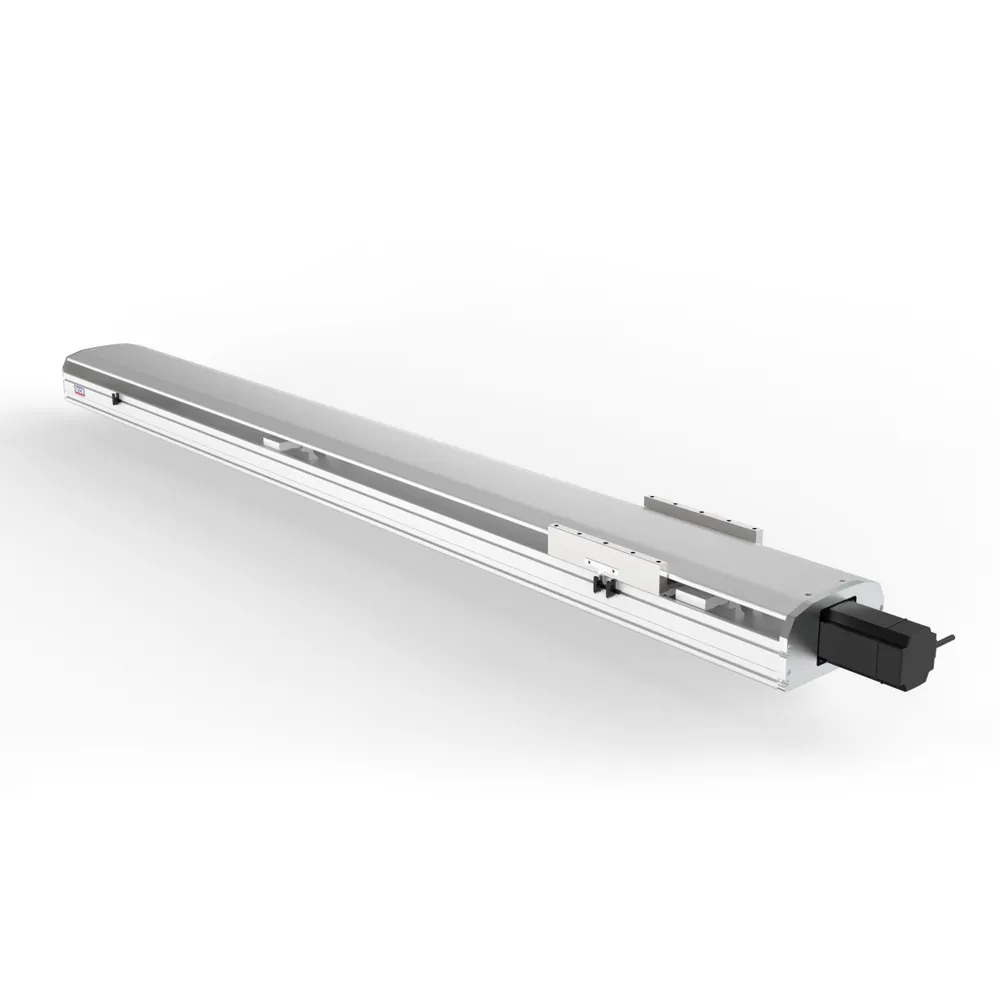
TEBAK BBC22M Ball Screw Linear Module, 130 kg Payload
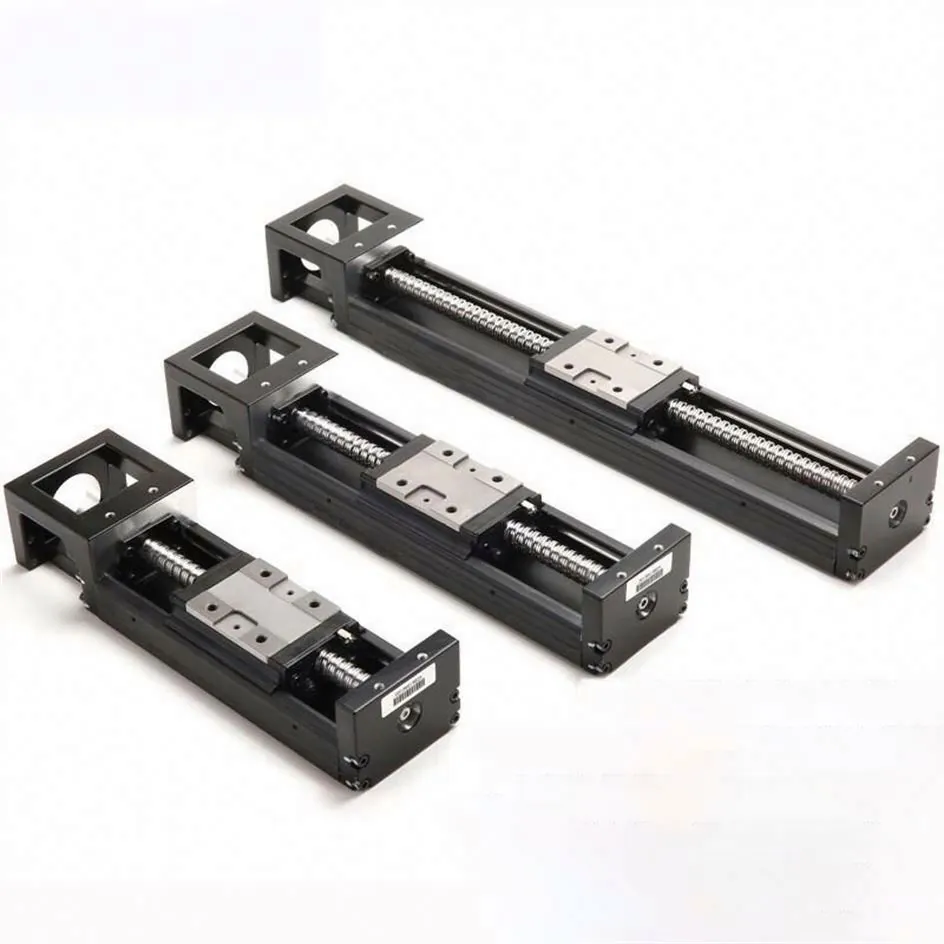
TEBAK Ball Screw Driven Linear Slide Module KK Module
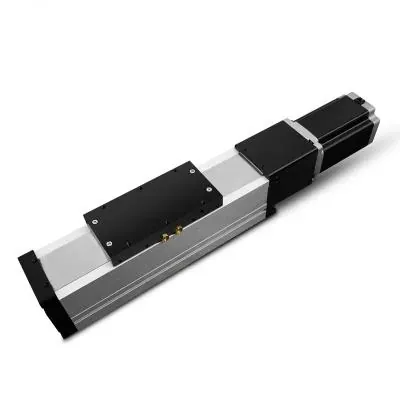
TEBAK Ball Screw Linear Actuator Linear Motion Module
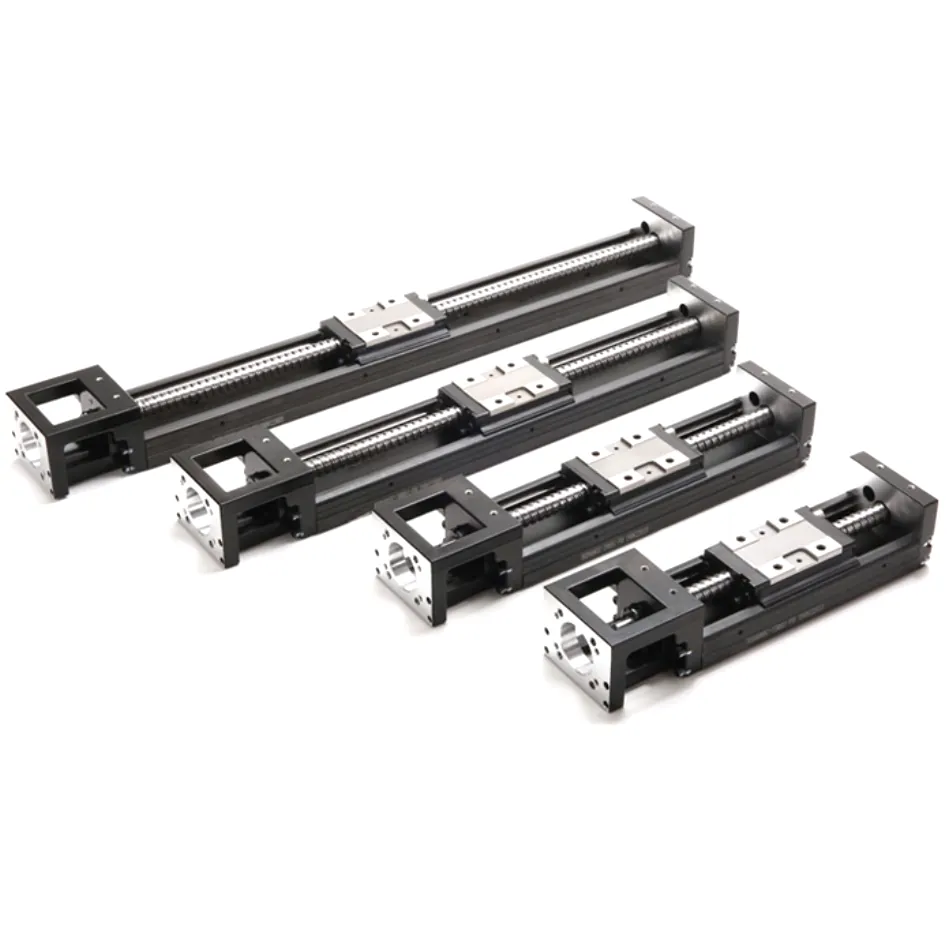
TEBAK Ball Screw Linear Slide, KK Series Single Axis Module
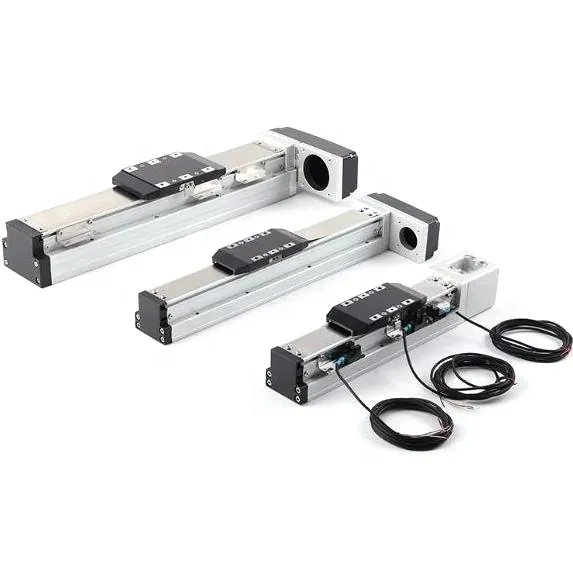
TEBAK Built-in High Precision Ball Screw Precision Slide
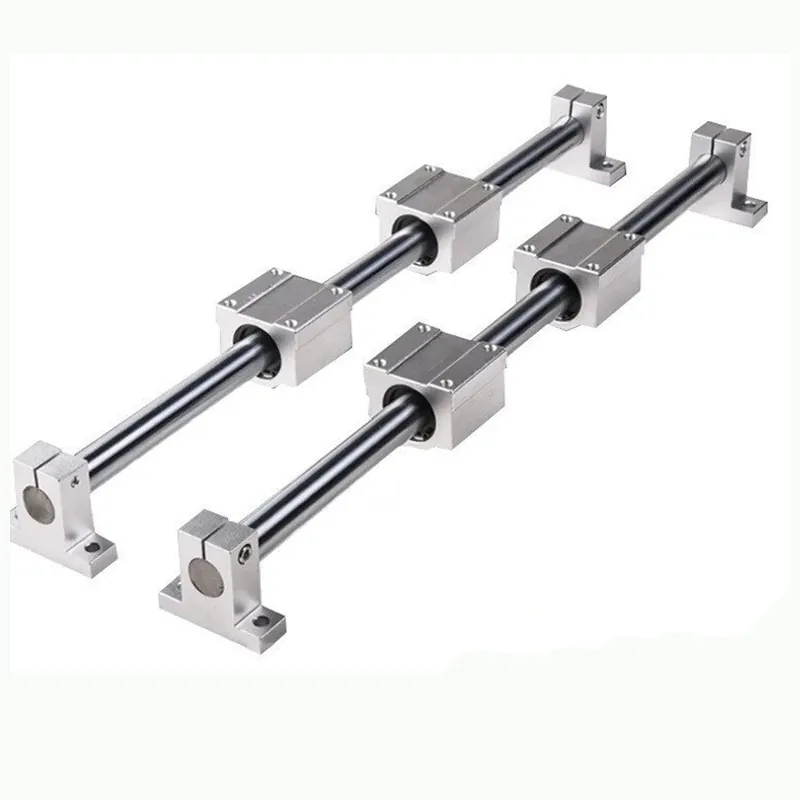
TEBAK Cross Slide Table, D-24Linear Cylindrical Guide 45
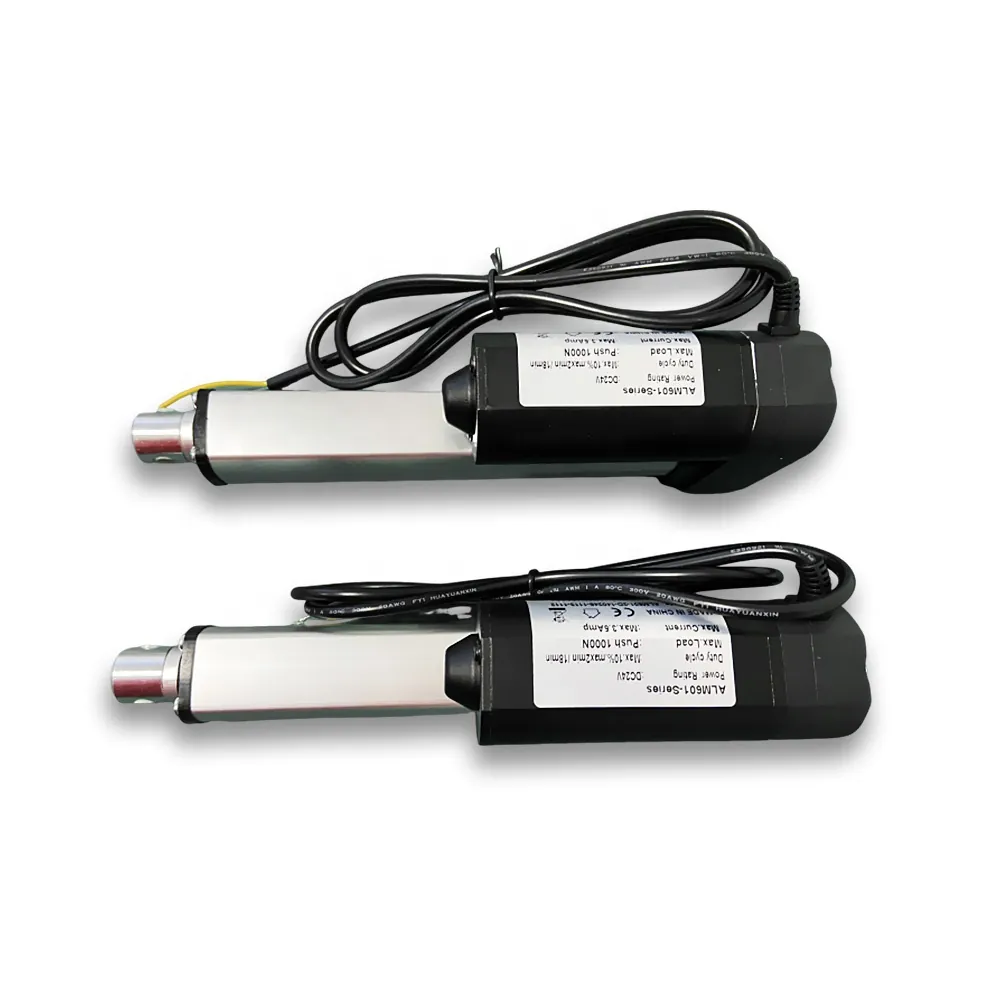
TEBAK Electric Waterproof Linear Actuator Heavy Duty
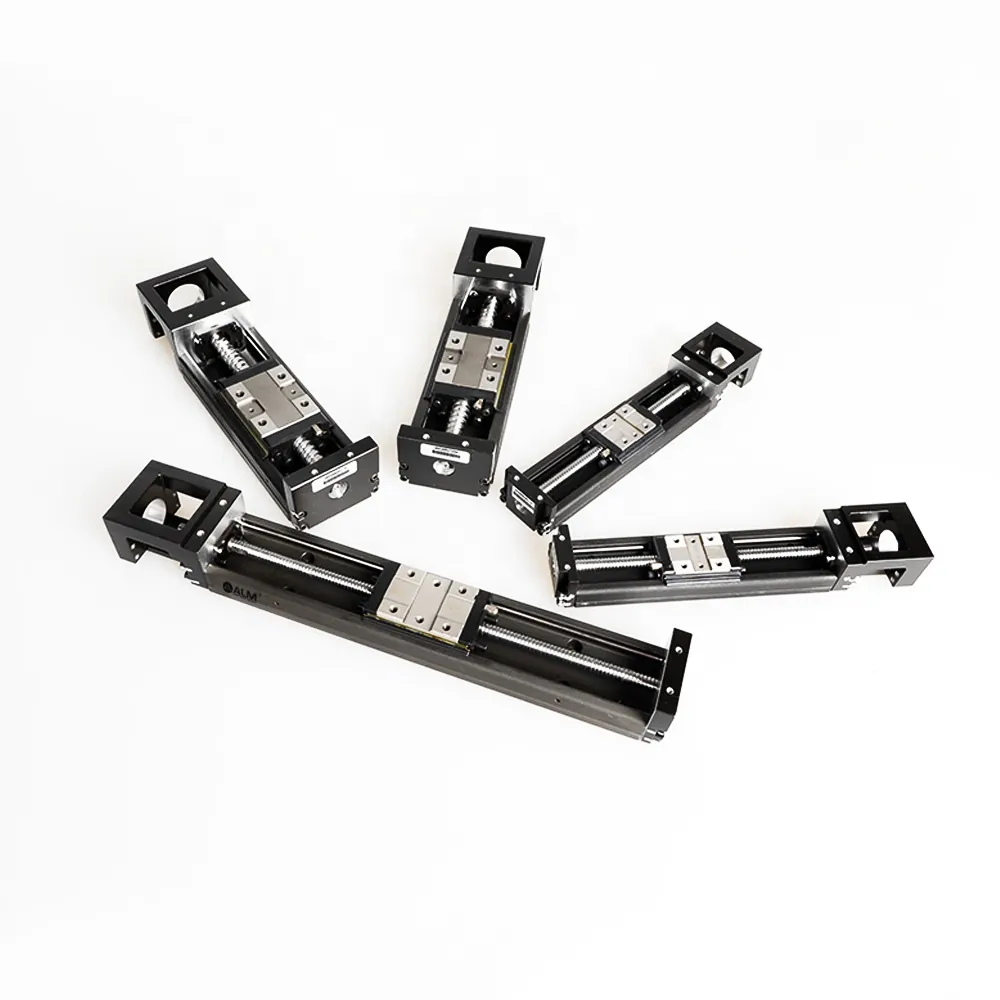
TEBAK High Performance KK Ball Screw Linear Motion Guide
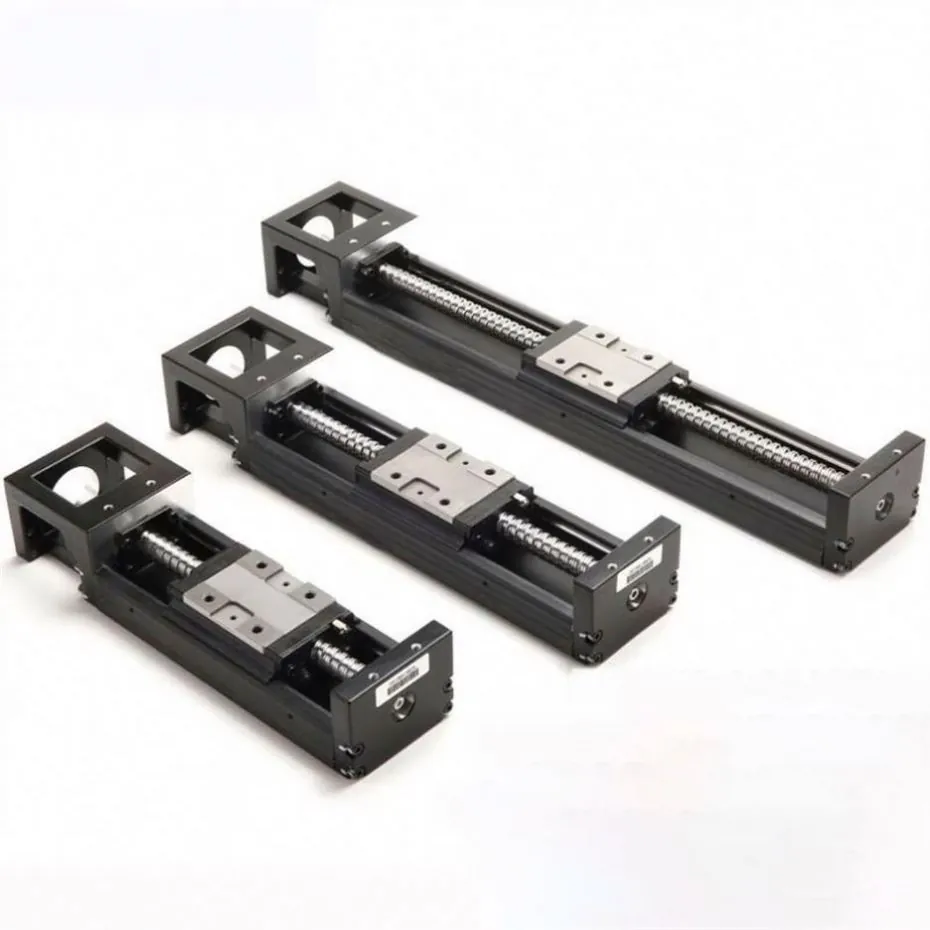
TEBAK High Precision Ball Screw Driven Linear Slide
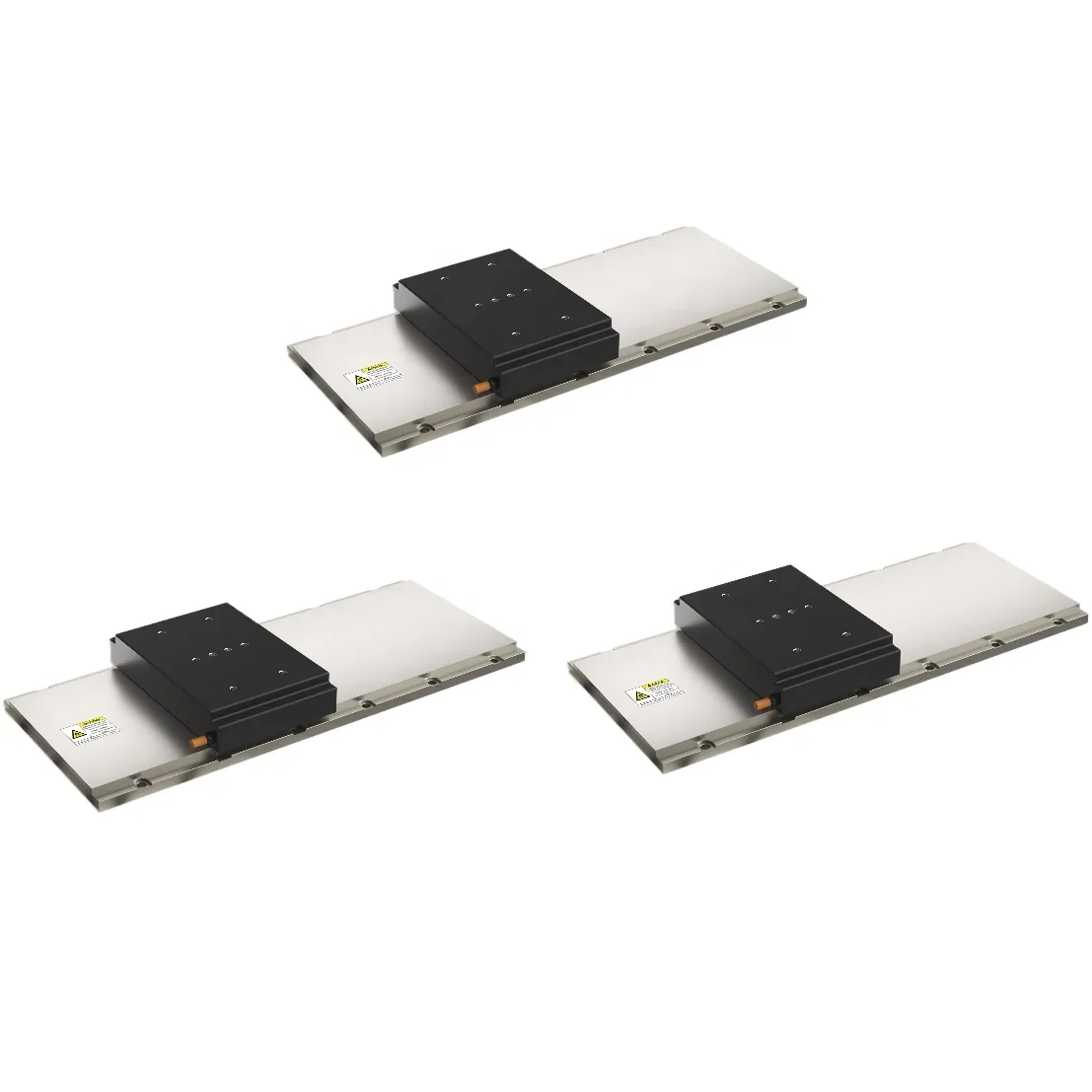
TEBAK Higher Thrust Density Low Noise Magnetic Direct
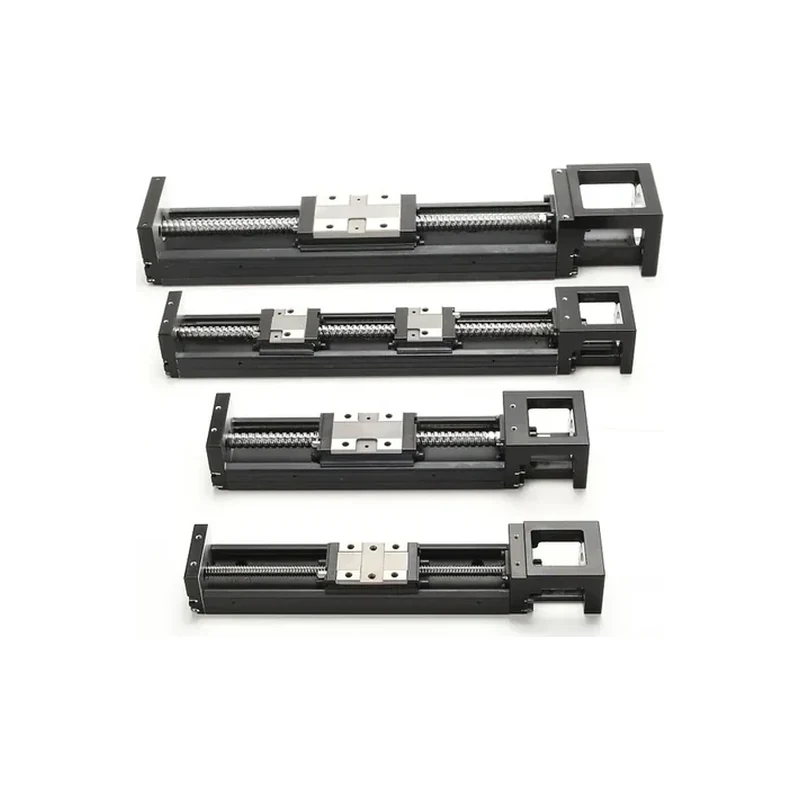
TEBAK KK40–KK130 Linear Module 40 mm
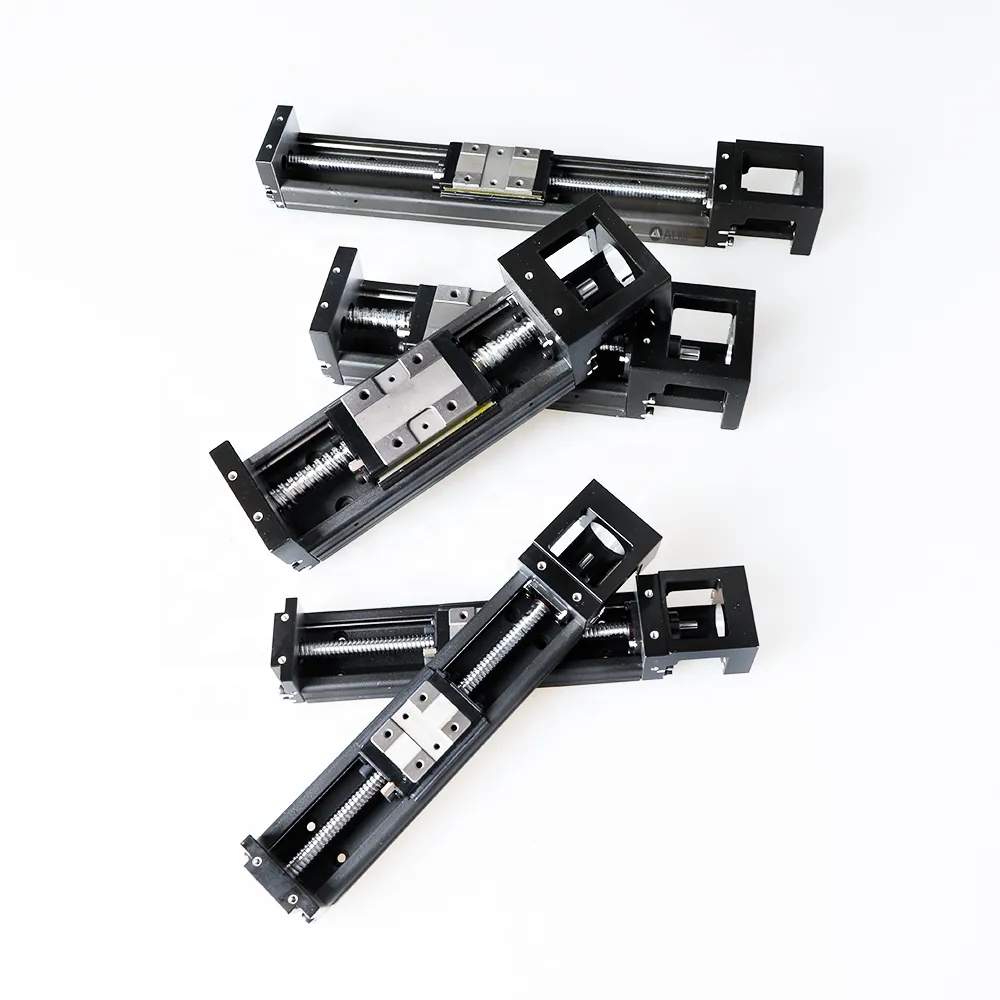
TEBAK KK6005C-150 Linear Module Single Axis Stage - KK
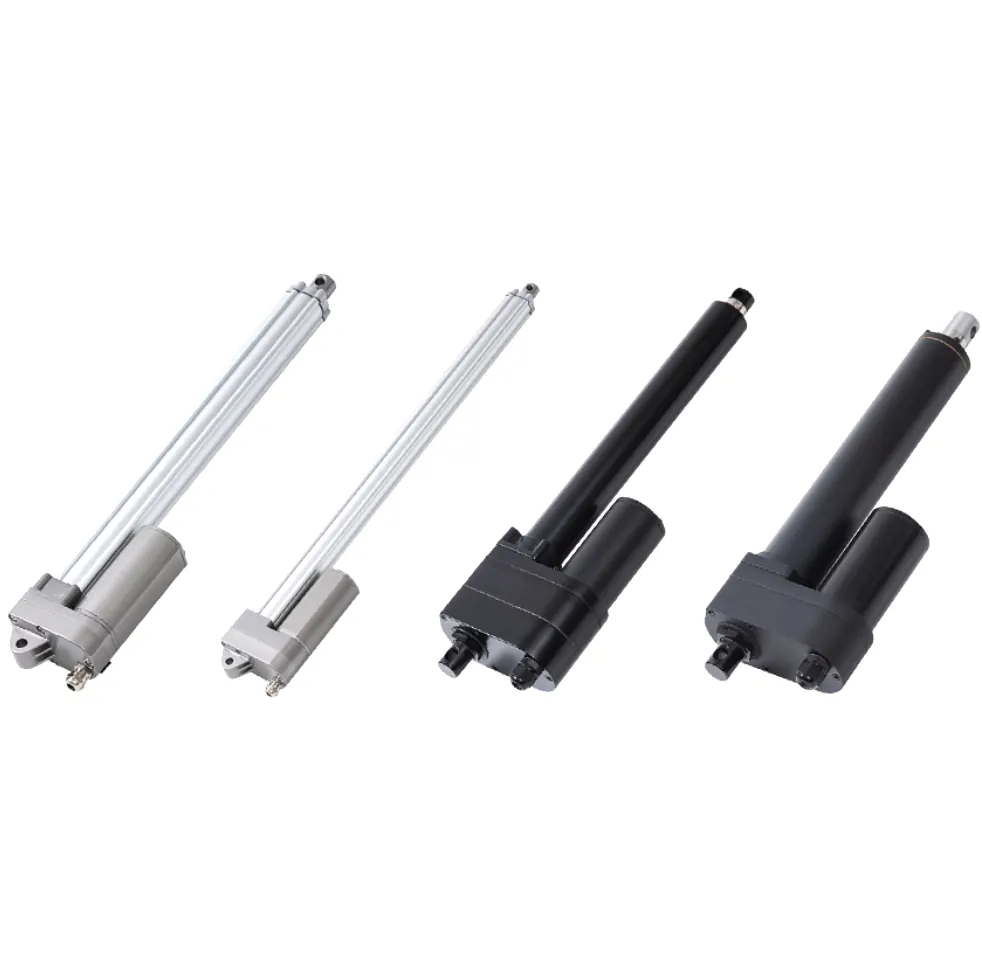
TEBAK Linear Actuator, Aluminum Alloy Housing Heavy Duty
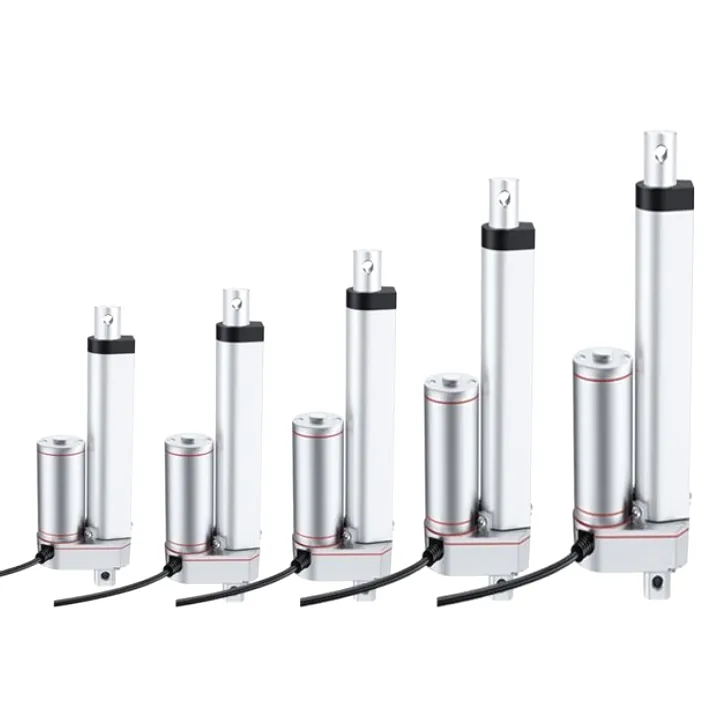
TEBAK Linear Actuator, Anti-corrosion Lead Screw Drive
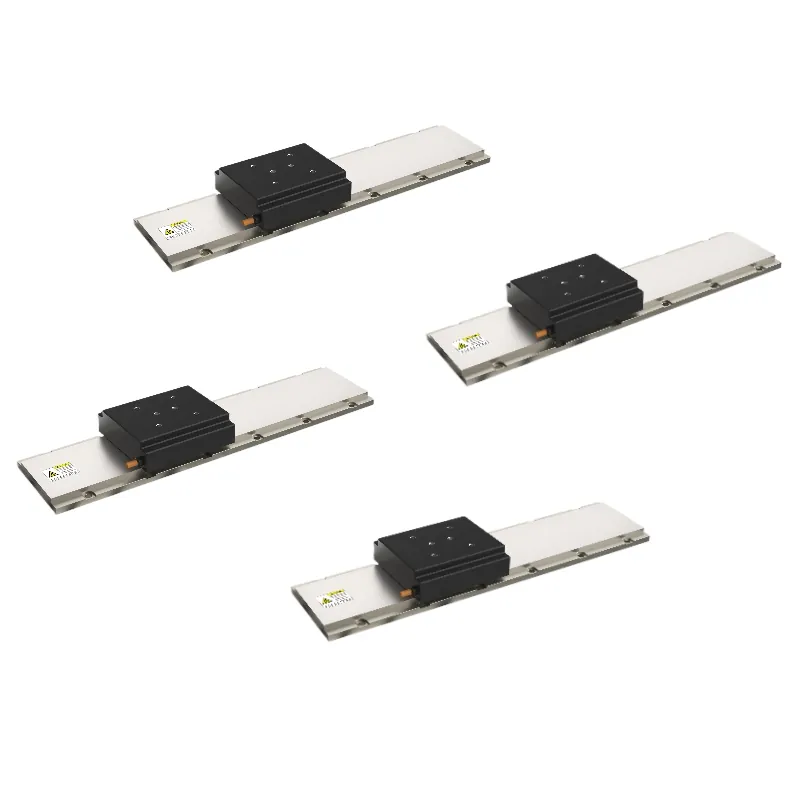
TEBAK Linear Actuator, High Thrust Linear Guide Linear
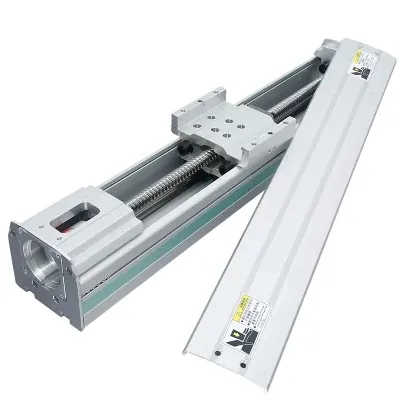
TEBAK Linear Actuator, Linear Motion Module Ball Screw
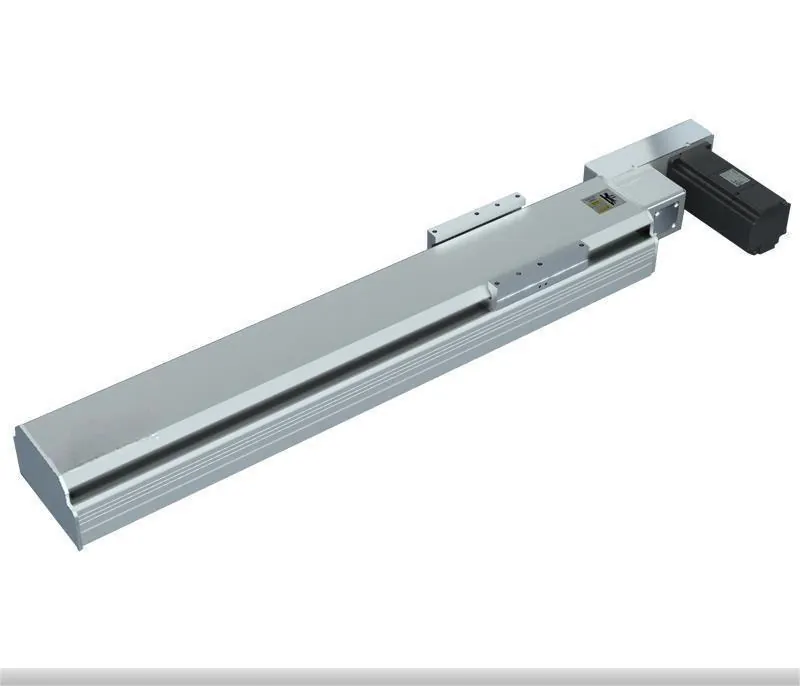
TEBAK Linear Actuator, Low Noise Single Axis Robot
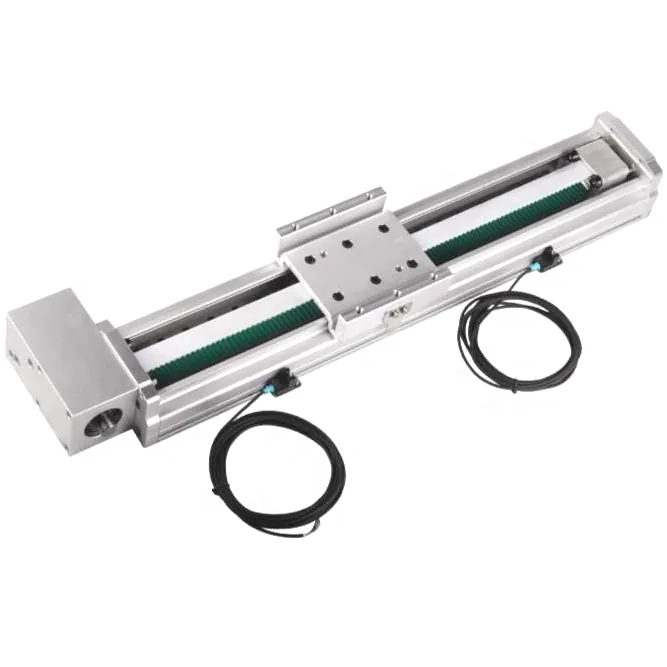
TEBAK Linear Actuator, Machine Rail Belt Driven Linear
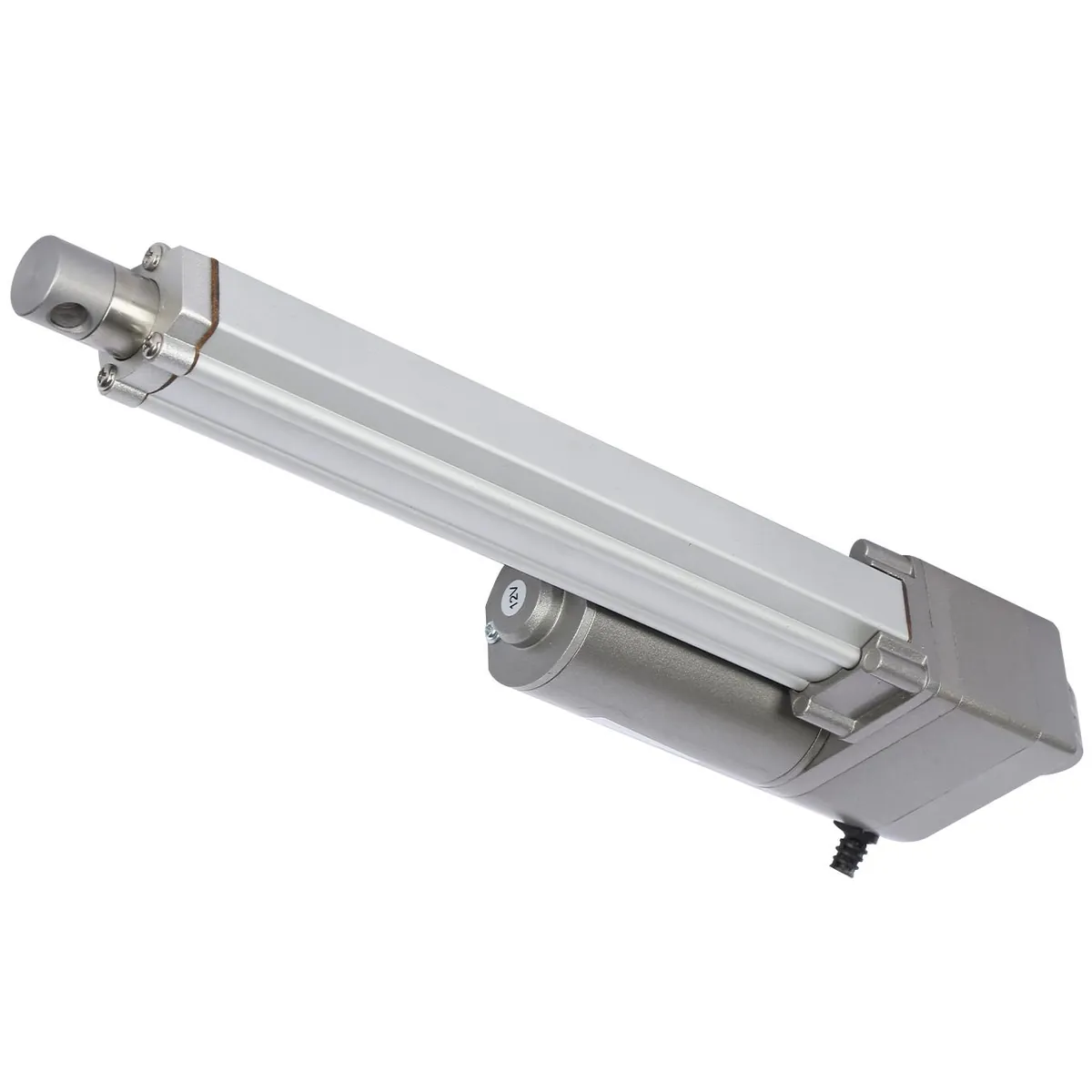
TEBAK Linear Actuator, Waterproof Compact Mechanical
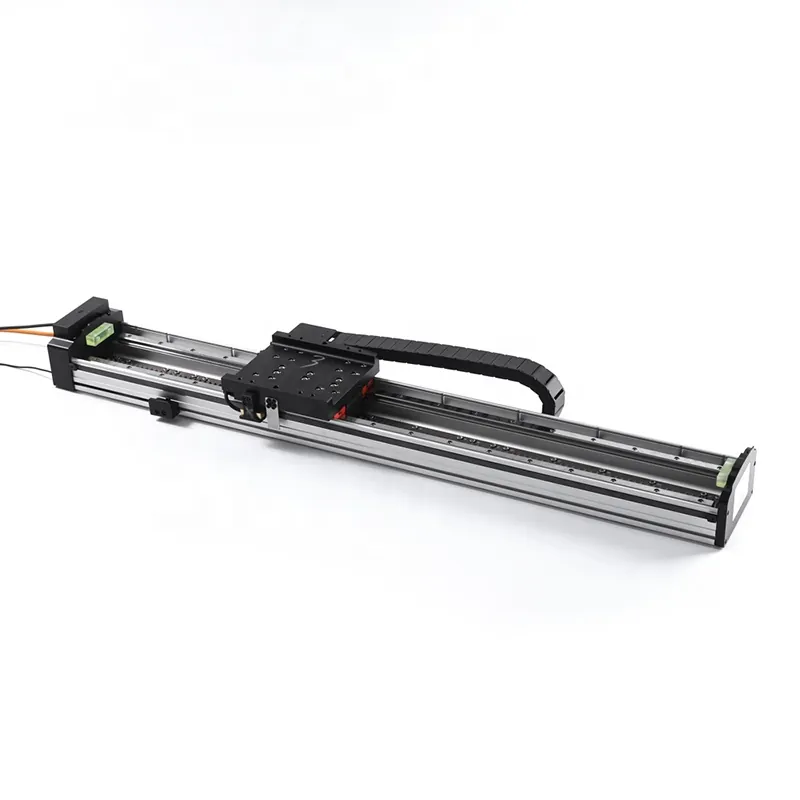
TEBAK Linear Module, 50% Cost Saving Low Cogging Force
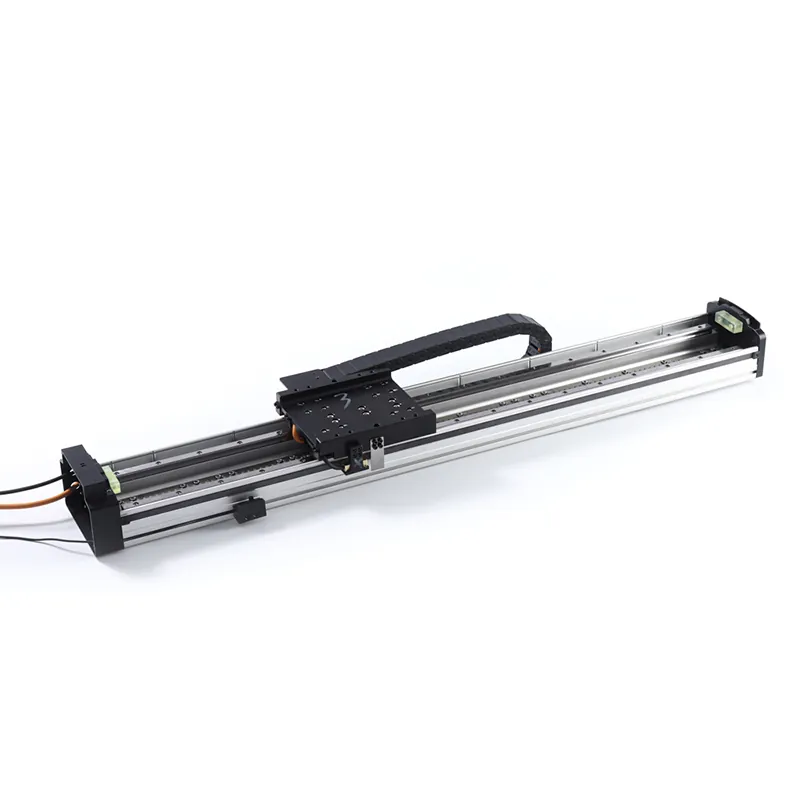
TEBAK Linear Module, High Speed Price Long Stroke Direct
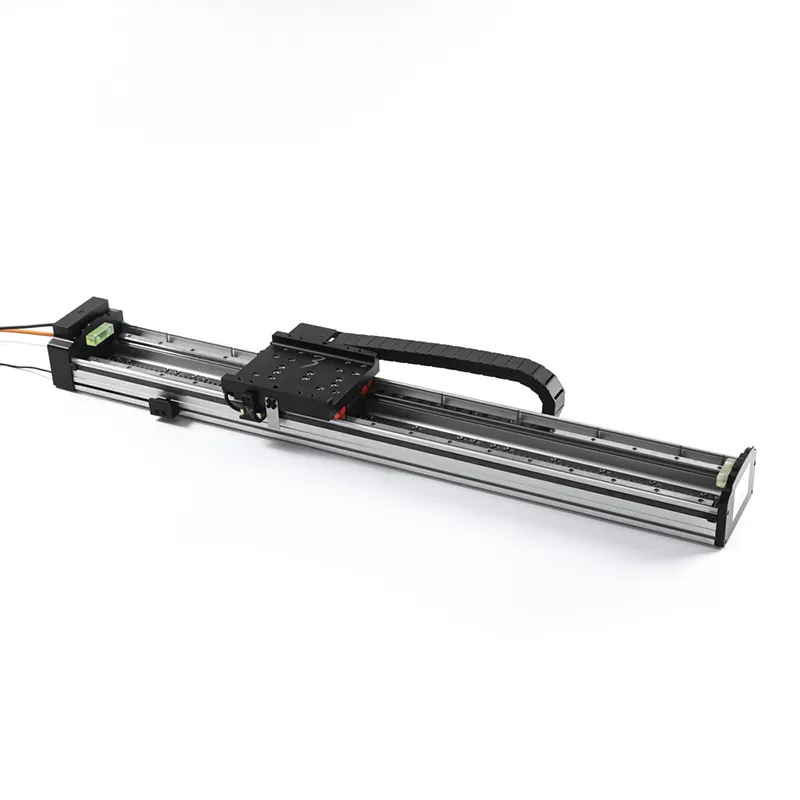
TEBAK Linear Module, Long Stroke Linear Motion Guide
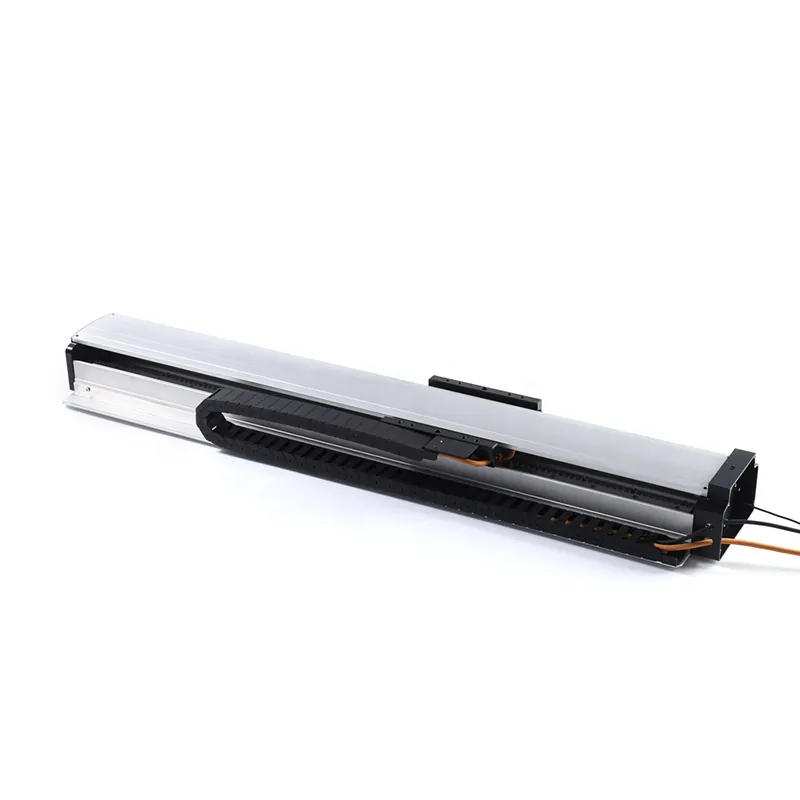
TEBAK Linear Module, Smaller Attraction Force Dustproof
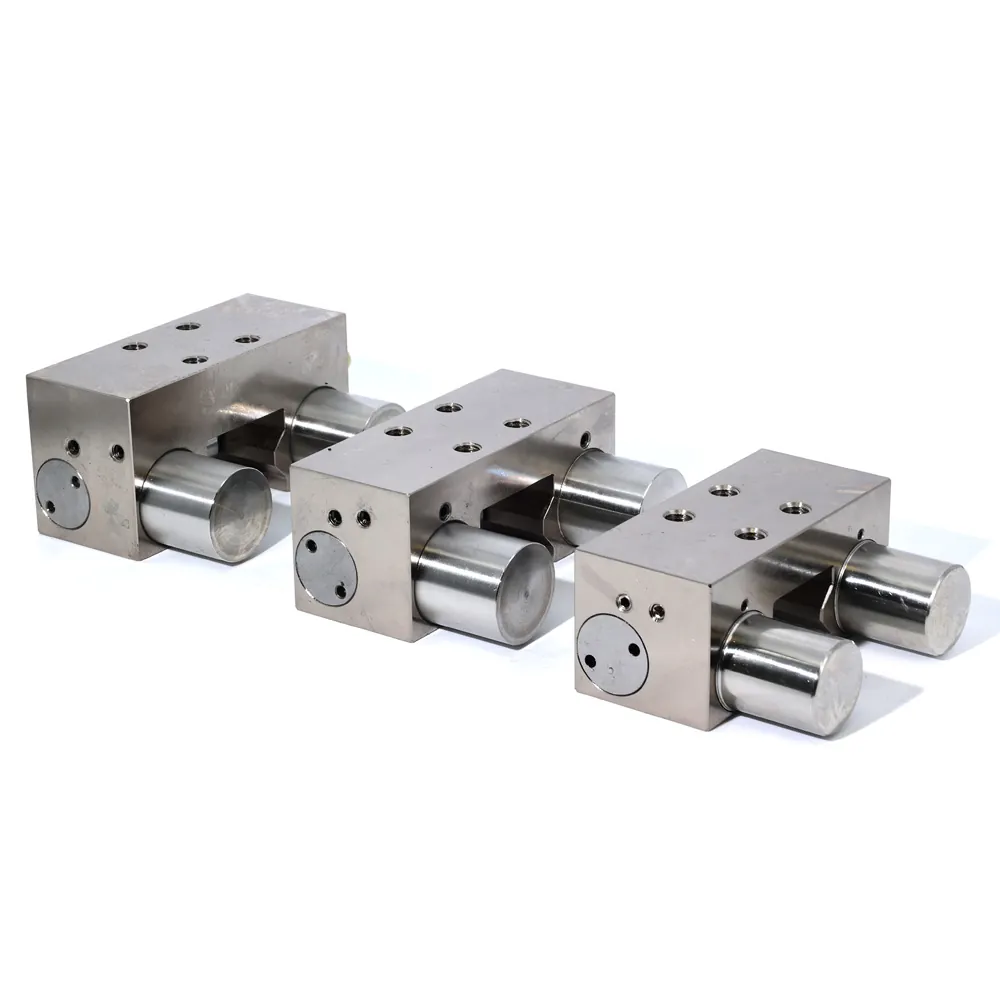
TEBAK Pneumatic MKS3001E AKS30R Linear Actuator
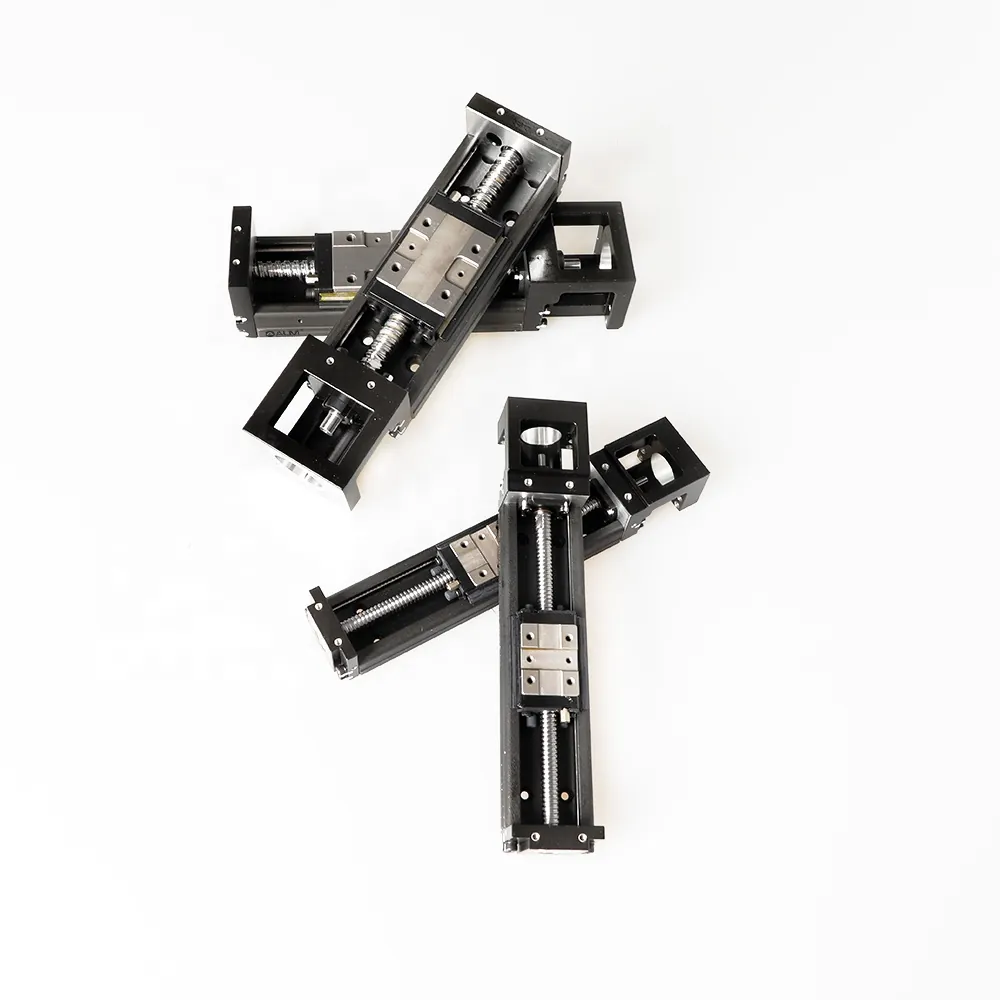
TEBAK Precision KK4001–KK13025 Ball Screw 40 mm
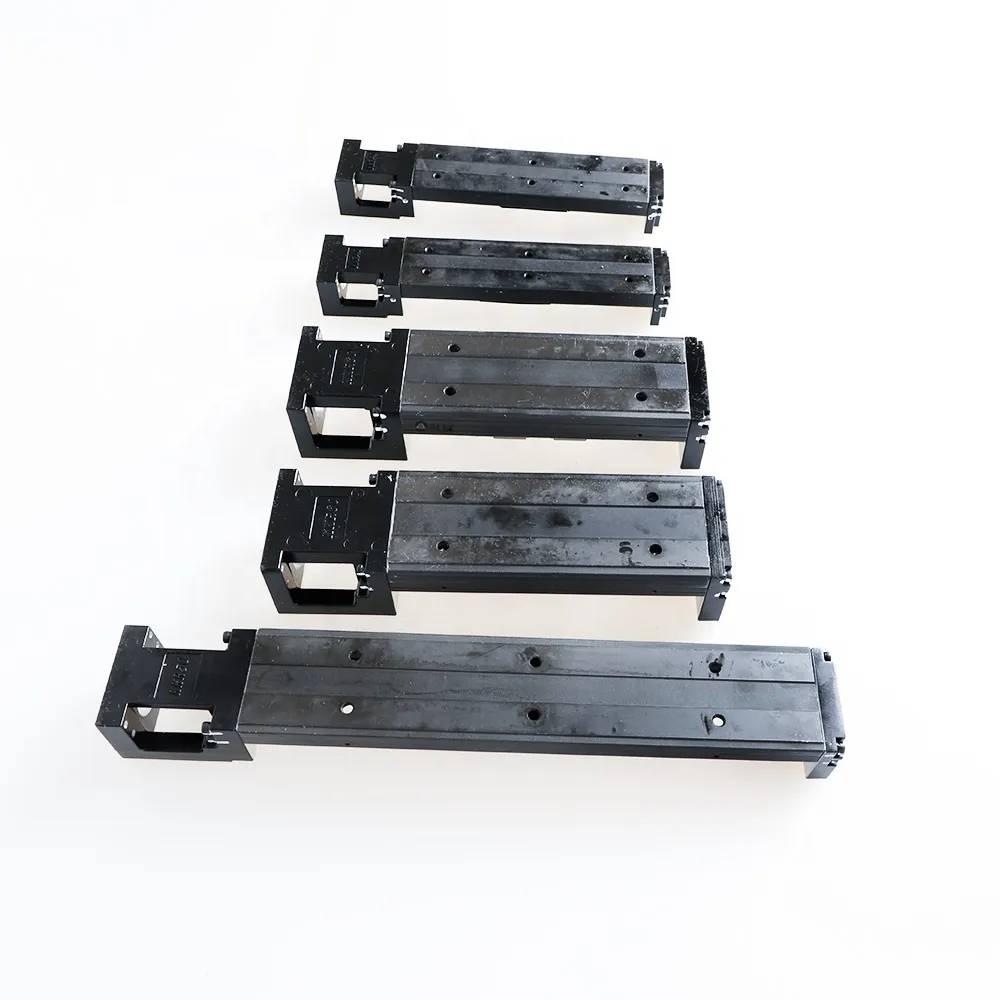
TEBAK Precision Linear Actuator grades C or P
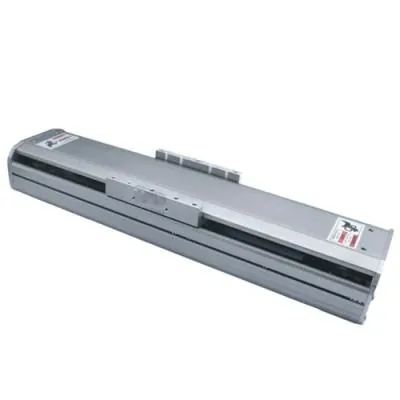
TEBAK X Y Axis High Precision Dustproof Ball Screw
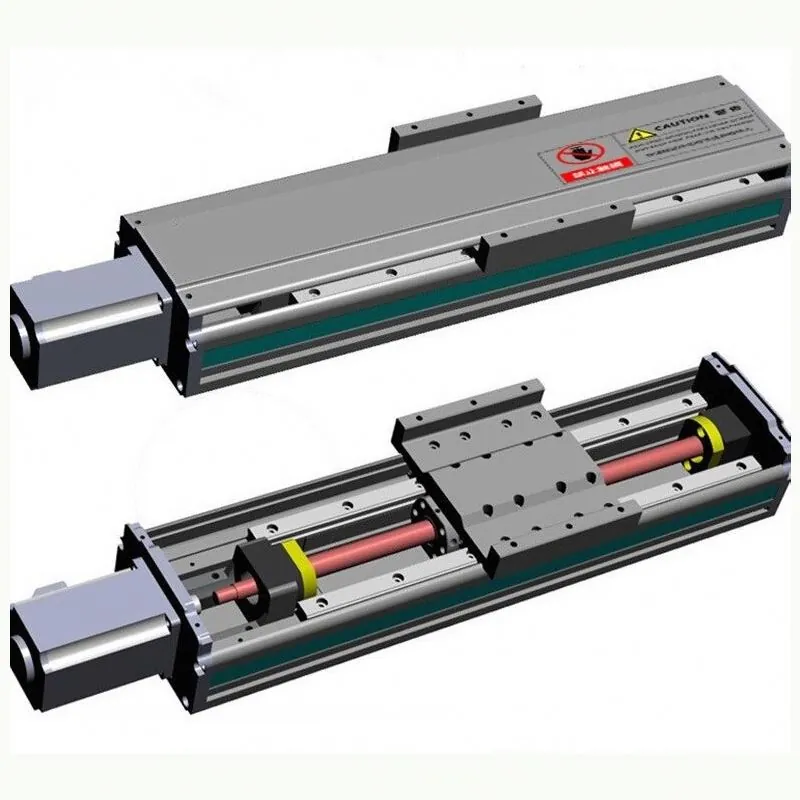
TEBAK Linear Module HX120 Robotic Arm Timing Belt Driven
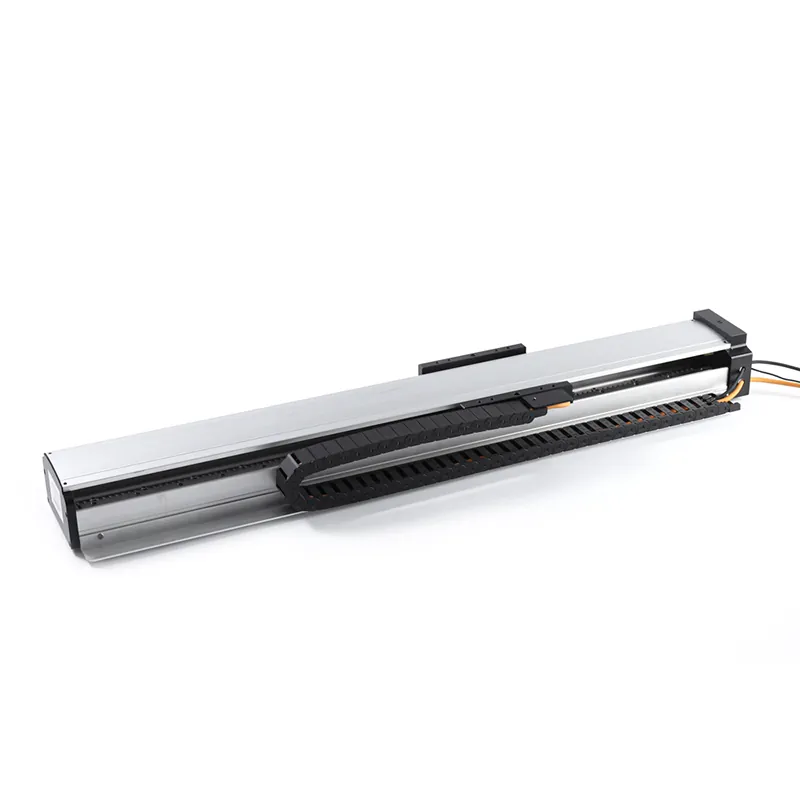
TEBAK Precision Linear Actuator
Interested in this product?
Send your details and we will respond within 24 hours.