
Ball Spline
11 items with published dimensions.
A ball spline transmits torque between a shaft and a nut while allowing the shaft to slide through the nut, with balls running in grooved races so the movement is rolling rather than sliding. That combination, torque plus free axial travel, is what the part exists for: a rotating component can move along its own axis without losing drive, and without the backlash that a keyed sliding joint develops as it wears.
The numbers to match are shaft diameter, groove count, rated torque and permissible axial load. Preload decides backlash, and the fit between the nut and its housing decides whether the assembly runs true over the whole stroke. Because the balls carry both the torque and the side load, a spline that is misaligned shows wear on one groove before it shows play, so the housing bore and the shaft support have to be right before the nut is tightened.
These parts are specified for machine tool spindles and quills, rotating and sliding transfer mechanisms, steering and drive shafts, printing and packaging drives, and automation that combines rotation with a stroke. Buyers are usually machine builders and repair shops who need a replacement for a worn spline, or an OEM design where the same shaft has to turn and travel at the same time.
A spline is usually part of a shaft assembly rather than a stand-alone purchase, so the drawing matters: shaft length, groove count, end machining and the nut housing all have to match the machine. Send the assembly drawing and the torque and stroke the shaft carries, and the size and preload can be confirmed.
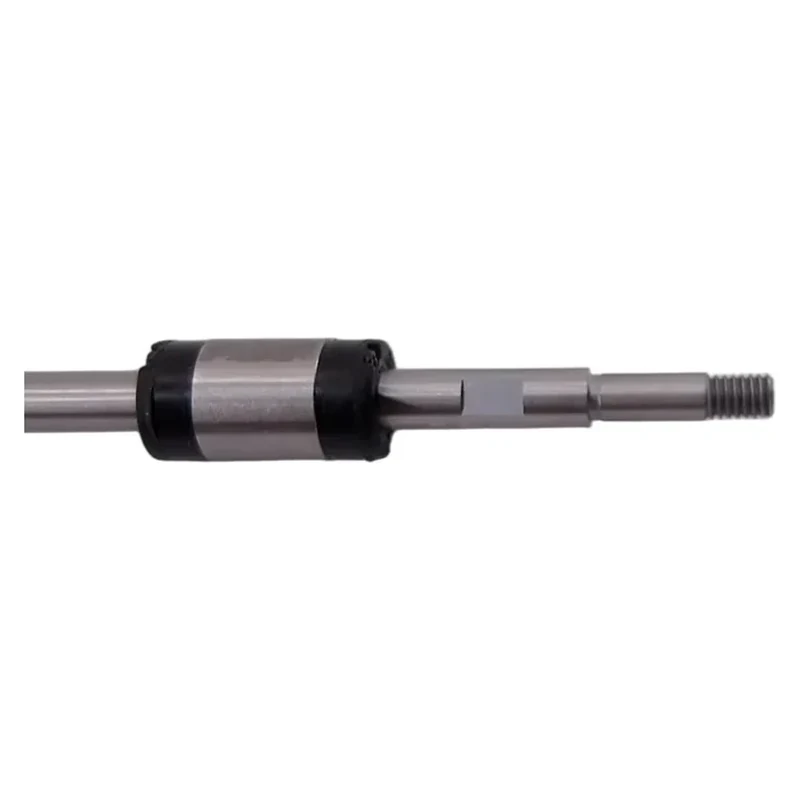
TEBAK Ball Spline Shaft, Zero Backlash for SMT Equipment
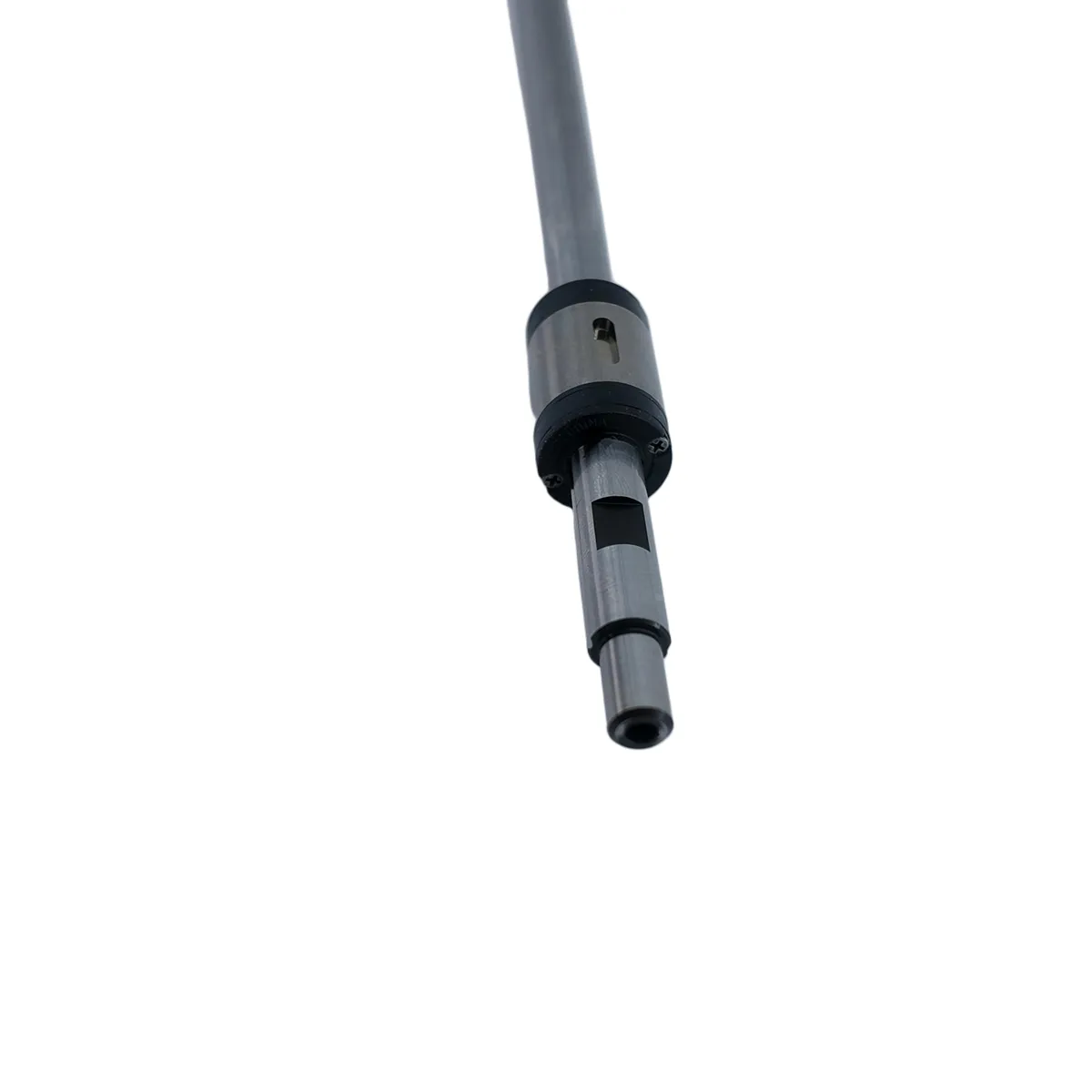
TEBAK Ball Spline Shaft, Zero Backlash, High Precision
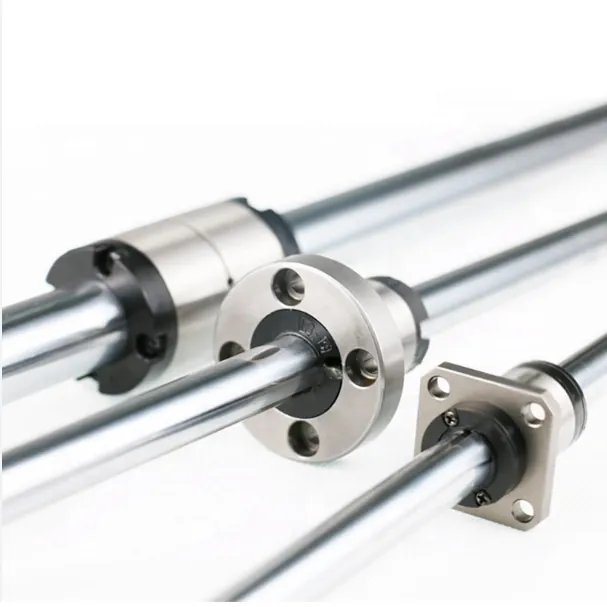
TEBAK Ball Spline, High Speed 10mm 13mm 16mm 20mm 25mm
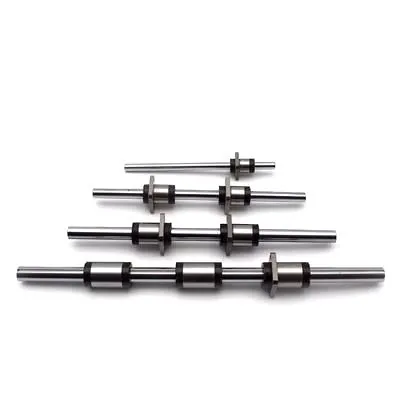
TEBAK Ball Spline, High Speed Spline Shaft Flange Type
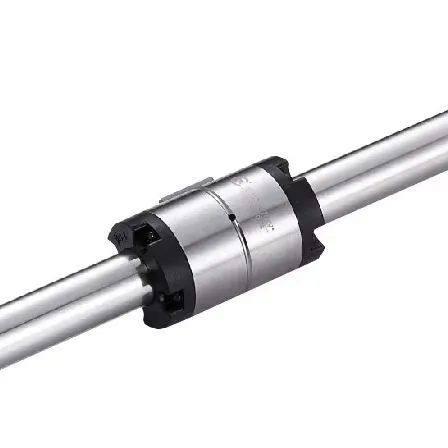
TEBAK Extended Ball Spline, Heavy Load, High Torque
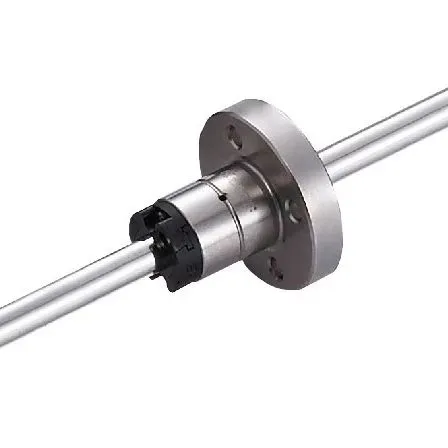
TEBAK Flange Type Ball Spline, Compact, Easy Install
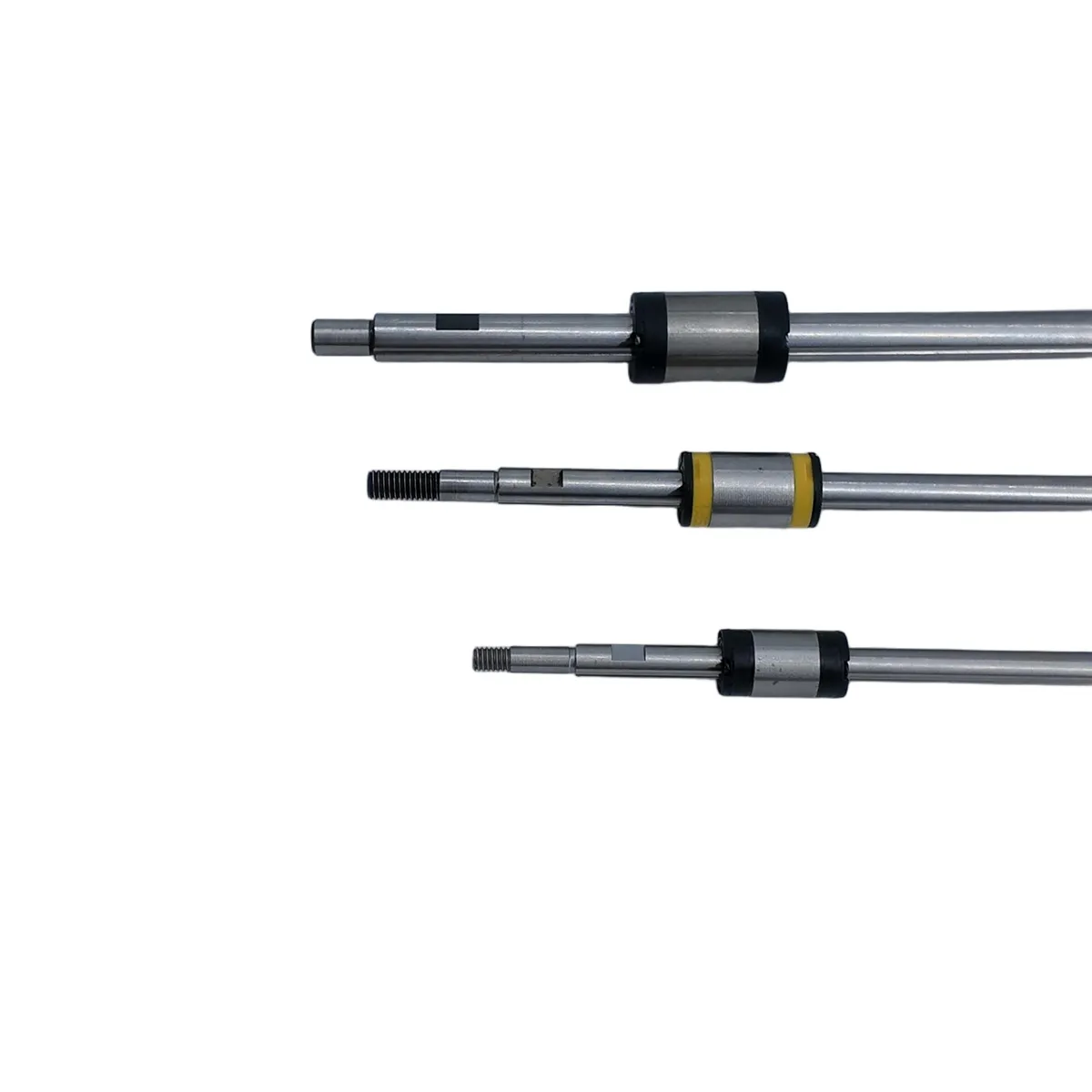
TEBAK Grade P Ball Spline, Nano Positioning, Low Vibration
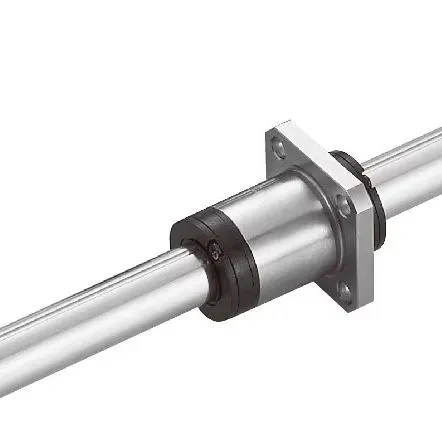
TEBAK Hollow Shaft Ball Spline, Low Inertia, High Speed
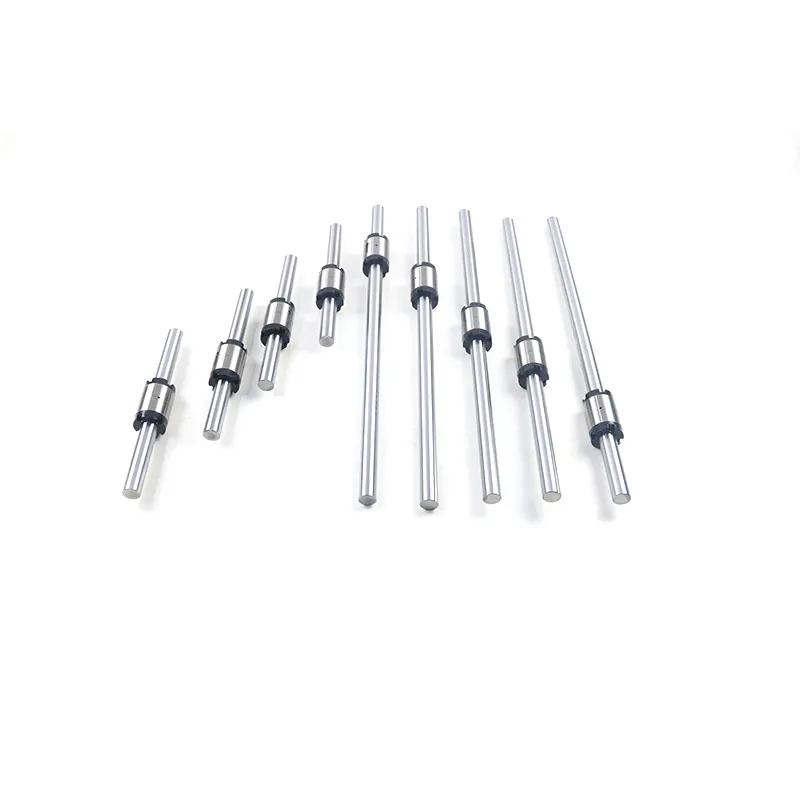
TEBAK Precision SLT008–SLT016 Ball Spline, grade N,H,P
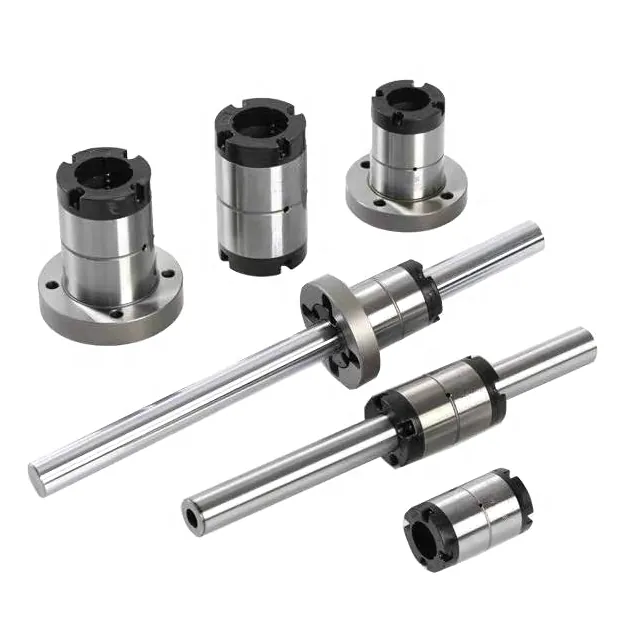
TEBAK Precision SLT016–SLT030 Ball Spline, grade N,H,P
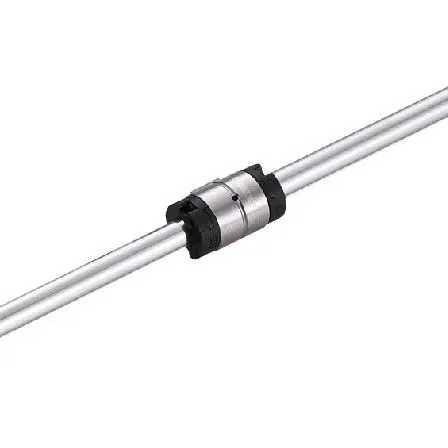
TEBAK Solid Shaft Ball Spline, Zero Backlash, High Rigidity
Interested in this product?
Send your details and we will respond within 24 hours.