
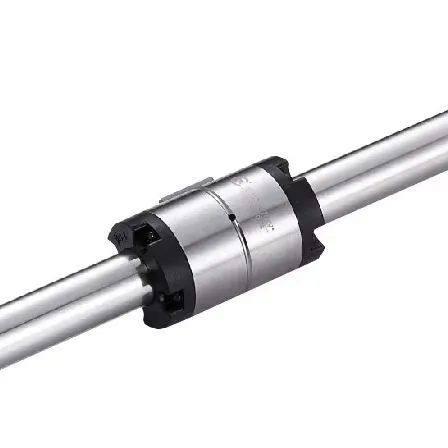
Extended Ball Spline, Heavy Load, High Torque, for machine tools
Request pricing, MOQ and lead time for this product — we reply within 24 hours.
Shaft and geometry
| Shaft diameter | 2, 3, 4, 5, 6, 8, 10, 12, 15 20, 25, 30mm |
|---|---|
| Spline type | Circumferential / Rolling Contact |
| Stroke length | 1-999mm |
Accuracy and performance
| Accuracy grade | P0 / P1 / P2 |
|---|
Material and surface treatment
| Material | Bearing Steel Or Stainless Steel |
|---|---|
| Surface treatment | Black Oxide / Anodized |
Application
| Application | Linear Motion / Rotary Actuation / Automation Equipmen |
|---|
Values above are the manufacturer's published figures for this series. Anything not listed — dynamic load rating, straightness, preload class — is confirmed against the drawing at RFQ.
Description
Overview
A ball spline is chosen for the job it does in the axis rather than on its own: the load it carries, the accuracy it has to hold and the way it is mounted decide whether a given size is right. This page sets out those relationships for this range. A ball spline transmits torque between a shaft and a nut while allowing the shaft to slide through the nut, with balls running in grooved races so the movement is rolling rather than sliding. That combination, torque plus free axial travel, is what a spline is for: a rotating part can move along its axis without losing drive and without the backlash of a keyed sliding joint.
Key Features
· Material: Bearing Steel Or Stainless Steel
· Product type: Ball Spline
· Shaft diameter: 2, 3, 4, 5, 6, 8, 10, 12, 15 20, 25, 30mm
· Spline type: Circumferential / Rolling Contact
· Accuracy grade: P0 / P1 / P2
· Stroke length: 1-999mm
· Supplied as a replacement part or as a production item for machine builders
· Material, tolerance and surface treatment confirmed against the drawing
Specifications
The parameter table above lists the values published for this item. Where a value depends on the machine it is going into, the drawing or the RFQ fixes it, and we confirm before production rather than after.
Application
Shaft diameter: 2, 3, 4, 5, 6, 8, 10, 12, 15 20, 25, 30mm. Material: Bearing Steel Or Stainless Steel.
The numbers to match are the shaft diameter, the number of spline grooves, the rated torque and the permissible axial load. Preload decides backlash, and the fit between the nut and its housing decides whether the assembly runs true along the whole stroke.
The three things that shorten the life of a part like this are contamination, misalignment and overload. Keep the working surfaces covered during assembly, align to the datum that the machine was built from, and keep the load inside the rating with a margin for the peaks that occur when an axis starts, stops or jams.
Where it is used: machine tool spindles and quills, rotating and sliding transfer mechanisms, steering and drive shafts, printing and packaging drives, automation with combined rotation and stroke.
Installation & Maintenance
Choosing between two sizes usually comes down to what the machine will do with the margin. A larger size carries the load more comfortably and lasts longer, but it takes more space, costs more, and may add mass that the drive then has to accelerate. A smaller size saves space and cost but leaves less room for the peak that appears when an axis reverses with the load at the end of its stroke, so the honest comparison is between total cost of ownership rather than unit price.
Load rating is a working limit rather than a failure point. A part run at its rated load for a long time will reach the end of its life sooner than one run at half that load, because life falls faster than load rises. In a machine the load also moves: an axis that stops and starts applies a peak at each reversal, and a gantry applies a moment when the load is at the end of its stroke rather than over the bearing.
Environment changes the specification more often than load does. Dust and chips get into working surfaces and act as an abrasive; coolant and wash down remove lubricant and start corrosion; heat moves the geometry and changes the clearance that was set cold. Each of these has an answer, but the answer has to be chosen before the order rather than after the machine is built.
Look for the signs that matter on this class of part: a polished band where the load concentrates, a burr at an edge that has been hit, corrosion on a bearing surface, and any lost motion that has appeared since installation. Each of these points to a cause in the machine rather than a fault in the part.
For a quotation, send the size, the quantity, the accuracy or grade required and a drawing or photograph of the mounting interface. Where the part has to match an existing machine, the dimensions of the old part and the distance between its mounting holes are the two measurements that avoid a mismatch.
Package & Lead Time
Standard export packing: each part is sleeved and cartoned, screws and rails are protected along their length, and larger assemblies travel crated. Lead time is confirmed with the quotation: standard sizes normally ship within 5 to 15 days of a confirmed drawing, custom parts against the agreed schedule. Minimum order is one piece, and sample orders are accepted before a production run.
Request a Quote
Send the model number or the drawing, with the shaft or rail size and the quantity you need, and we will reply with a quotation. For non-standard lengths, bore pairs, keyways and material changes we work from your drawing; bulk orders are quoted per quantity band and a sample can be supplied for approval.
Related components
Detail images
Questions buyers ask about this item
Which accuracy grades are available?
P0 / P1 / P2.
What shaft diameters are offered?
2, 3, 4, 5, 6, 8, 10, 12, 15 20, 25, 30mm.
What material is used?
Bearing Steel Or Stainless Steel.
What spline type is this?
Circumferential / Rolling Contact.
Related products
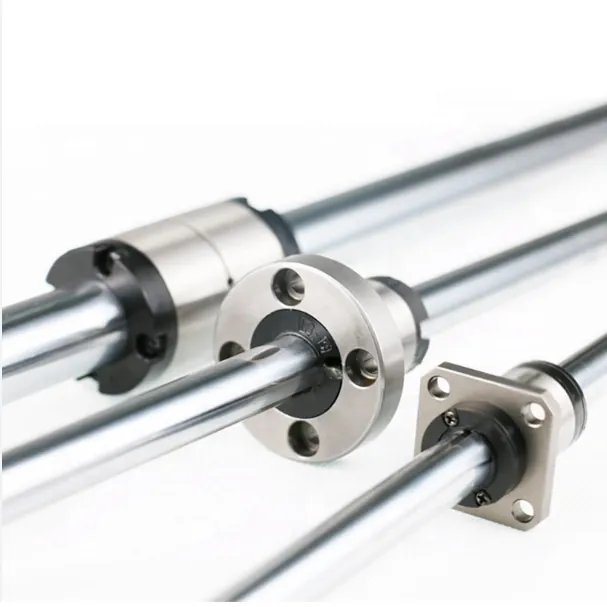
TEBAK Ball Spline, High Speed 10mm 13mm 16mm 20mm 25mm
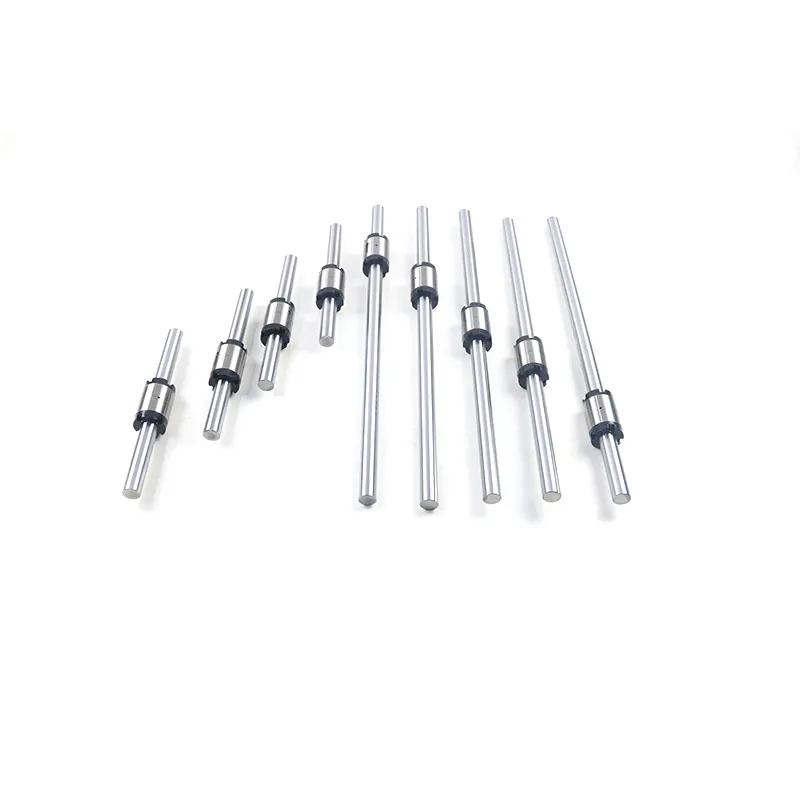
TEBAK Precision SLT008–SLT016 Ball Spline, grade N,H,P
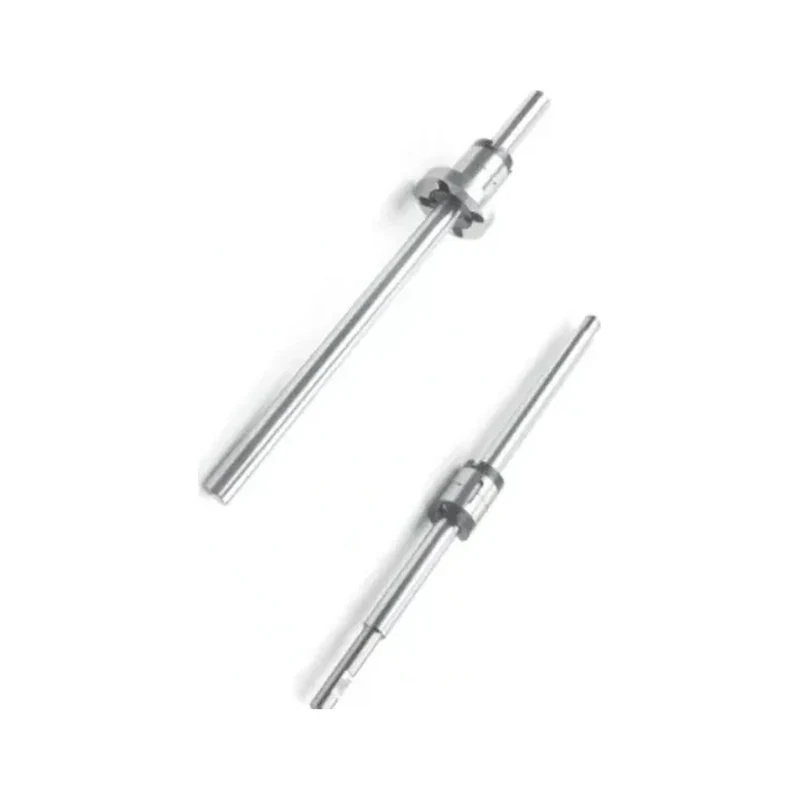
TEBAK Diameter 8mm 10mm 13mm 16mm Solid /hollow Custom
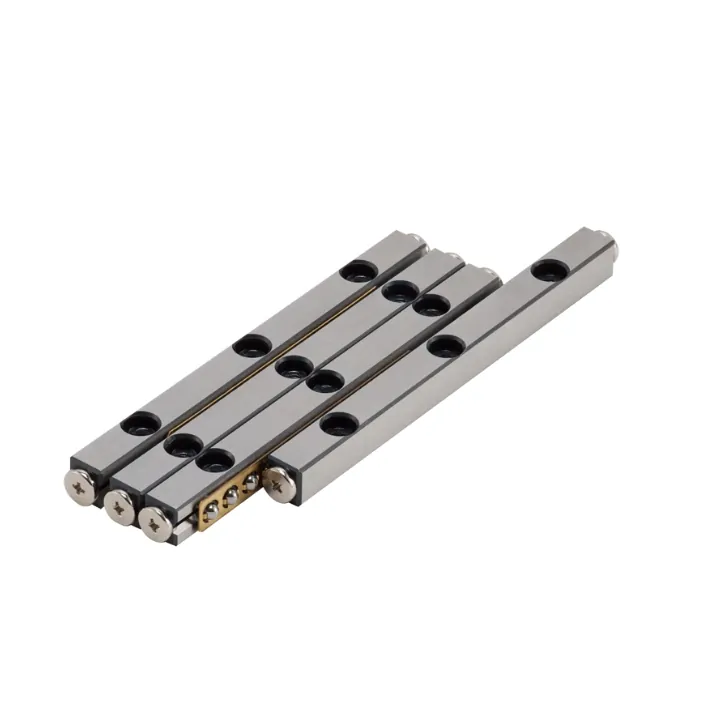
TEBAK Micron or Nanometer-level Positioning, grade H,P,SP
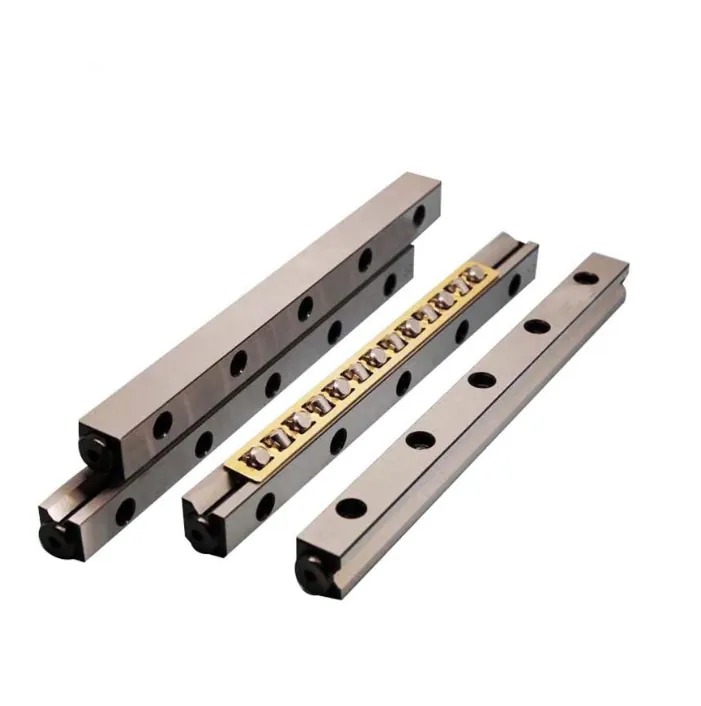
TEBAK Roller Linear Bearings VR1-20 VR2-30 VR3-50
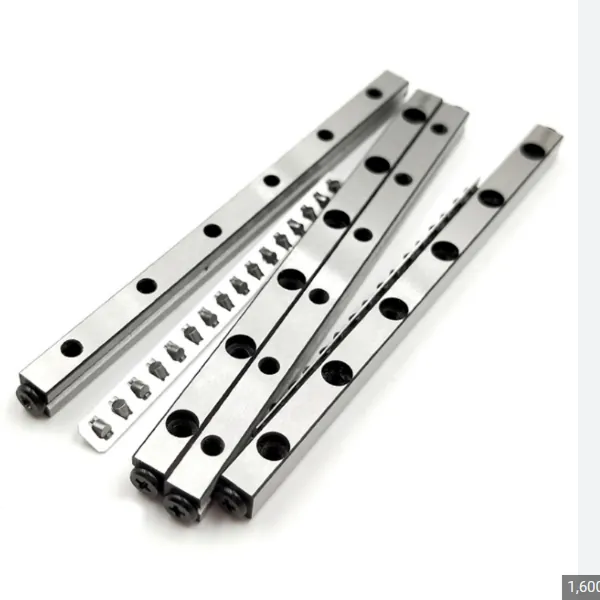
TEBAK Smooth Motion Precision Cross Roller Guides VR4
Interested in this product?
Send your details and we will respond within 24 hours.