
Bearings
44 items with published dimensions.
The bearings at each end of a screw decide how the axis behaves as much as the screw does. A fixed end carries the axial load through a pair of angular contact or deep groove bearings, and a floating end lets the screw grow with temperature instead of bowing. Linear bearings do the same job for a sliding shaft: they carry radial load on rolling elements, and the housing that holds them decides how much moment reaches the bearing itself.
Selection is driven by the load per bearing, the shaft or journal diameter, and the accuracy the axis must hold. Preload removes play but raises friction and heat; a sealed bearing keeps debris out but adds drag; and the housing tolerance decides whether the bearing runs true or is pinched. On a screw axis the bearing pair also sets the axial stiffness of the whole drive, which is why a cheap support on an expensive screw is a false economy.
Buyers are machine builders, CNC repair shops and automation integrators working on routers, mills, lathes, measuring stages, packaging lines and general linear motion. Most orders are replacements for a worn support on a machine in service, or a matched set specified with a new screw so the journals and the bearing bore are agreed at the same time.
Where a support is being replaced, the journal diameter, the distance between the bearing shoulders and the thread or locknut arrangement are the three measurements that avoid a mismatch. A photograph of the old support beside a rule is usually enough to confirm the housing style before anything is machined.
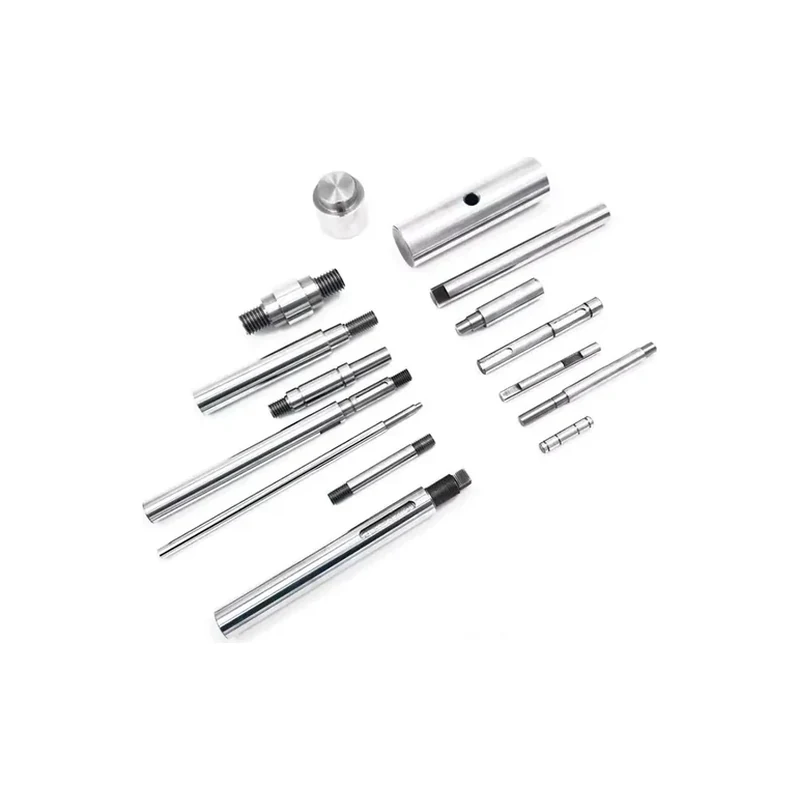
TEBAK 10mm 15mm 25mm 25mm Hard Chrome Linear Shaft 30mm
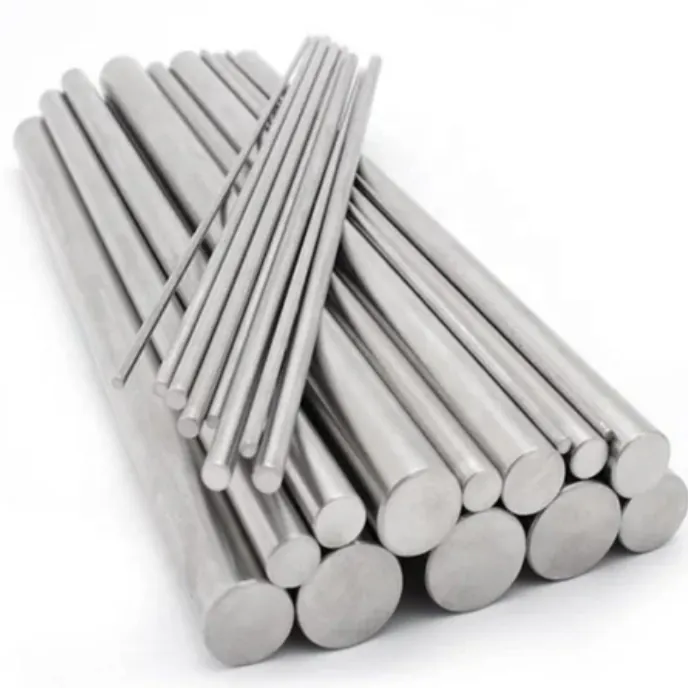
TEBAK 6mm 8mm 10mm 12mm 16mm 8mm 400mm Linear Shaft 3d
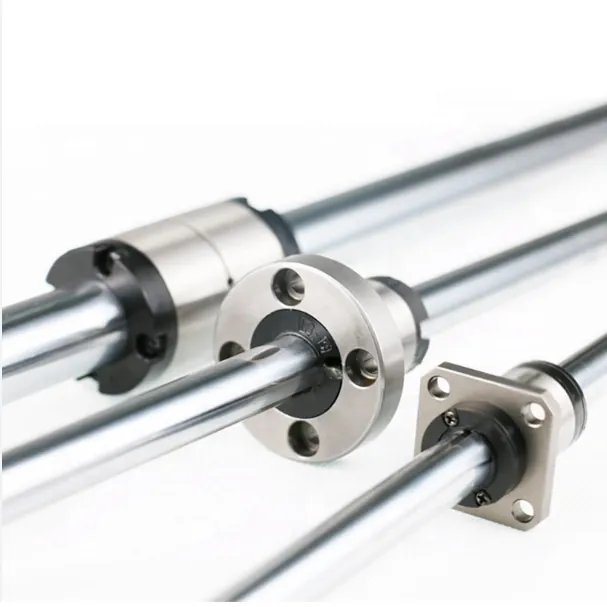
TEBAK Ball Spline, High Speed 10mm 13mm 16mm 20mm 25mm
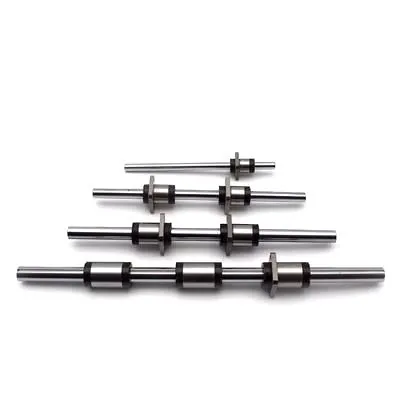
TEBAK Ball Spline, High Speed Spline Shaft Flange Type
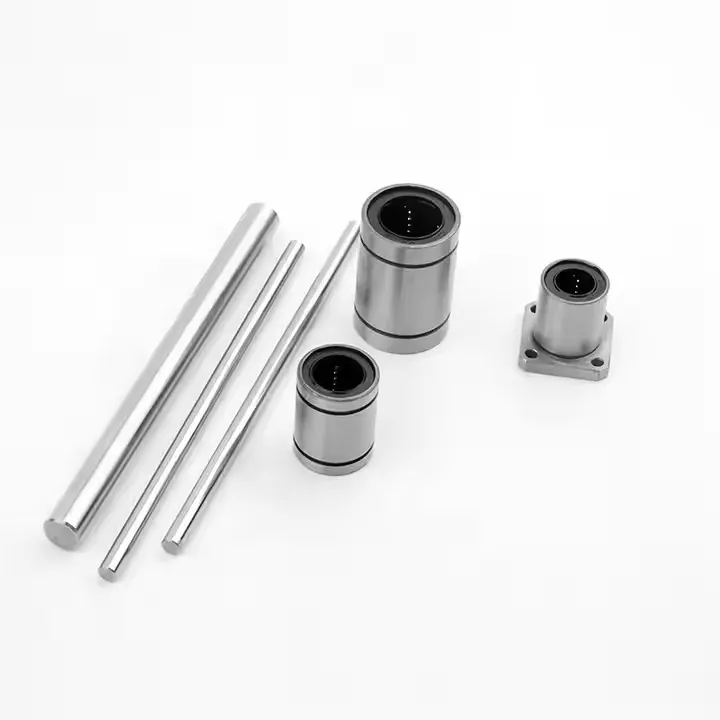
TEBAK Carbon steel, bearing — High-temperature Linear
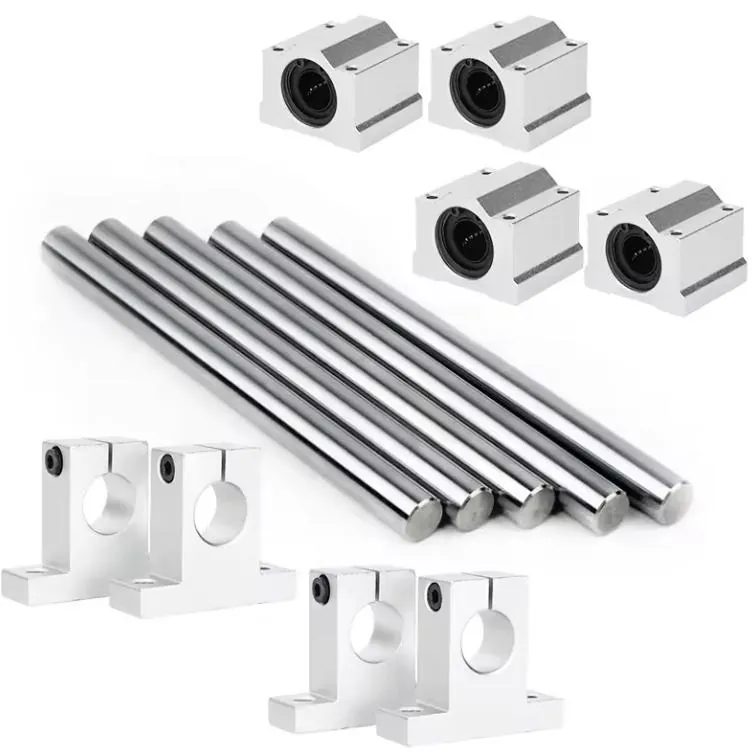
TEBAK Carbon steel, bearing — Precision Linear Guide
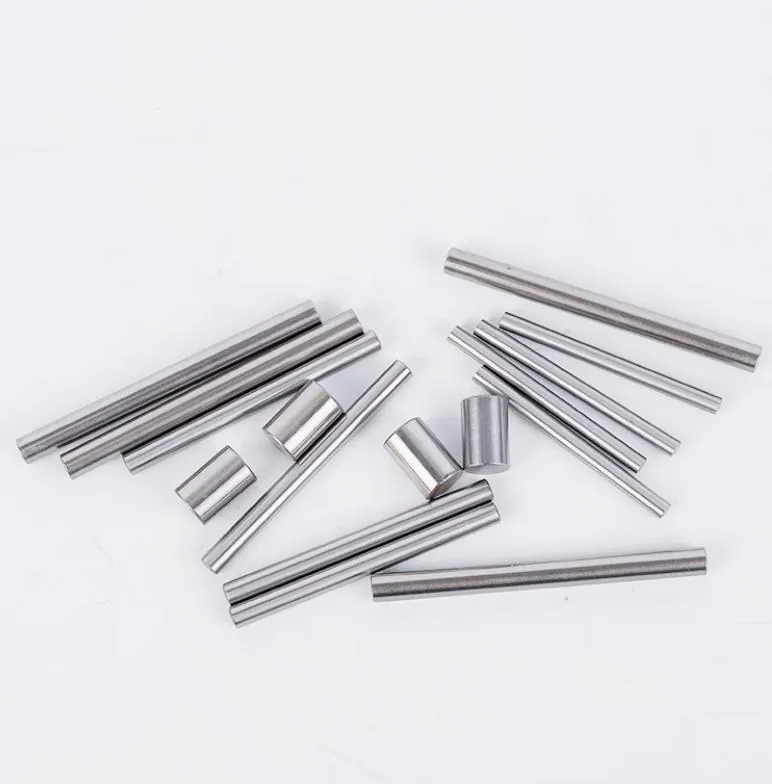
TEBAK Carbon steel, bearing — Stainless Linear Shaft
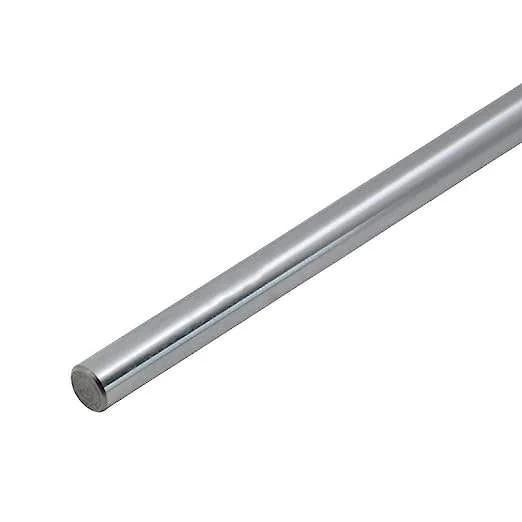
TEBAK Chrome Plated Linear Shaft S45C, 6 mm to 50 mm
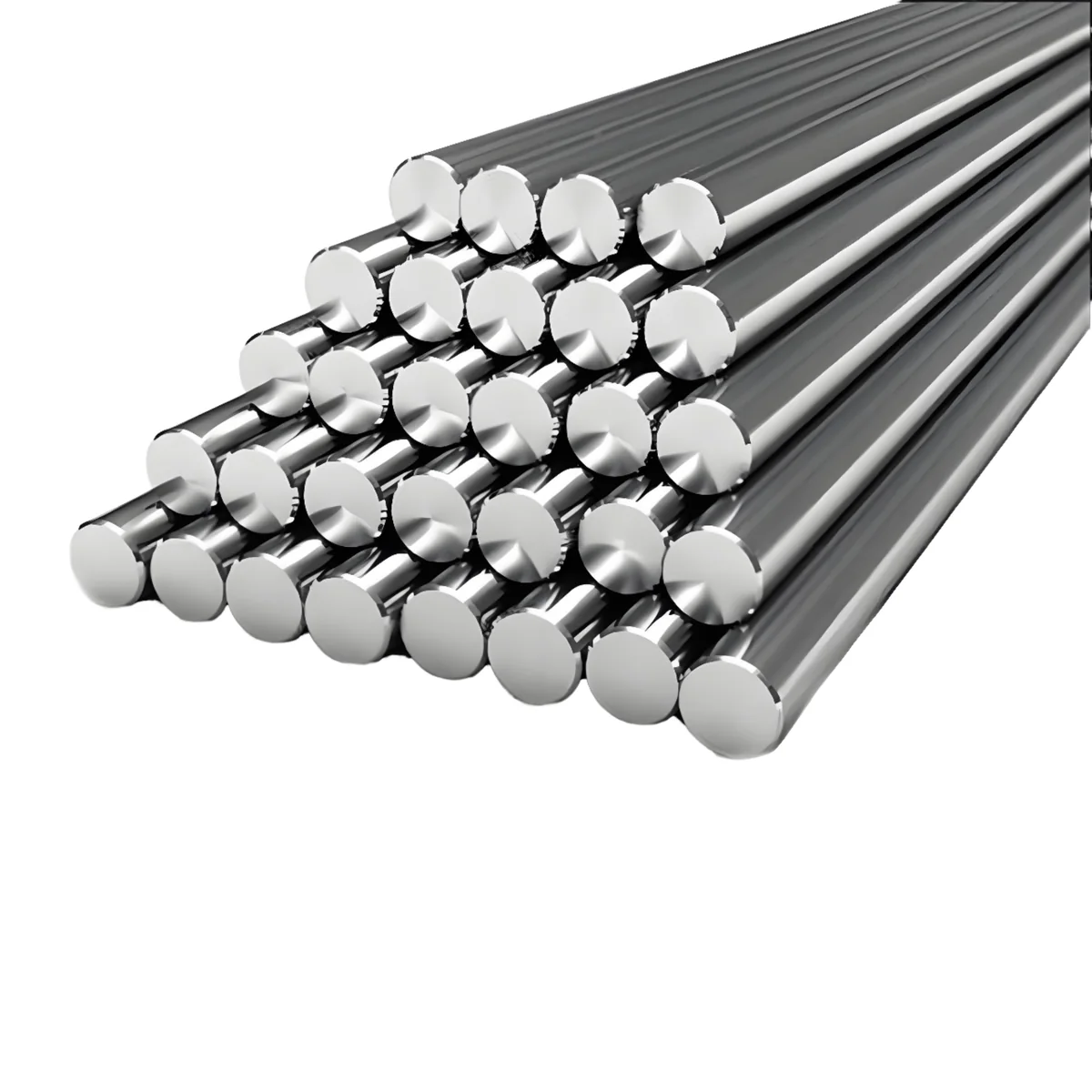
TEBAK Custom Machined Linear Shaft, 3 mm to 100 mm
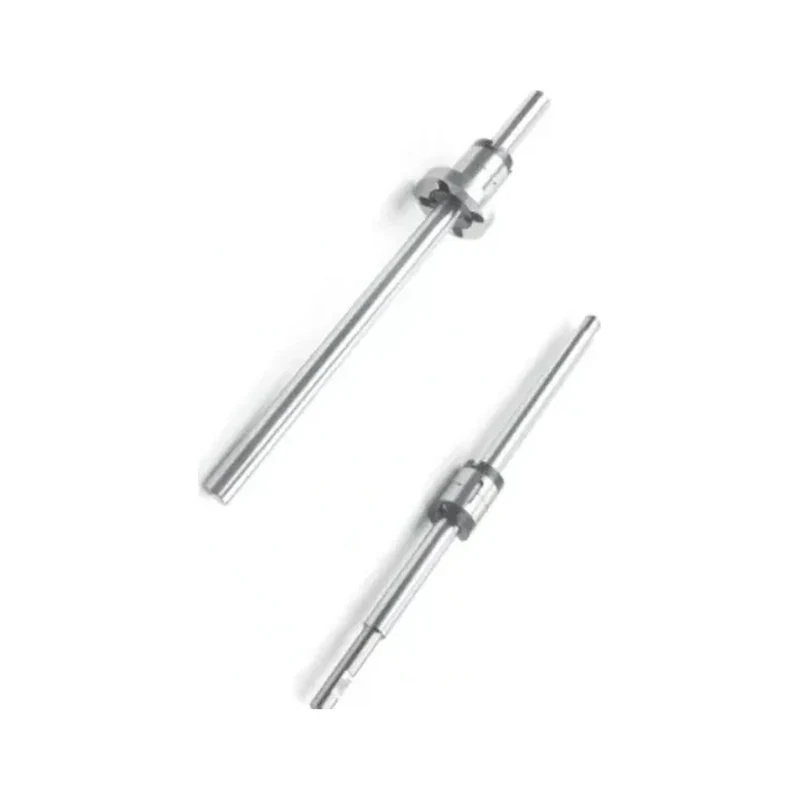
TEBAK Diameter 8mm 10mm 13mm 16mm Solid /hollow Custom
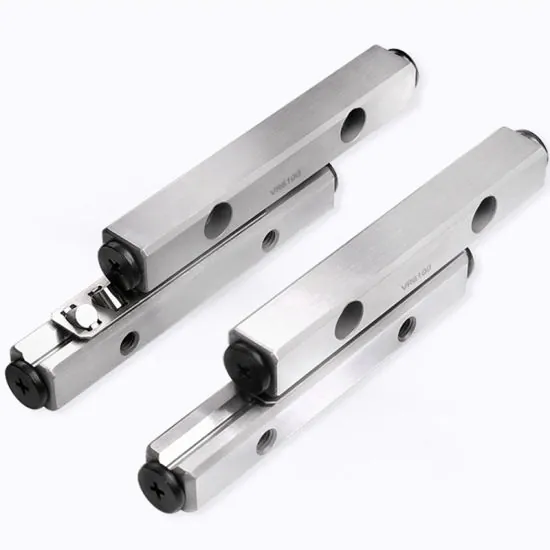
TEBAK Factory Price Linear Crossed Rail Vr350 Vr375
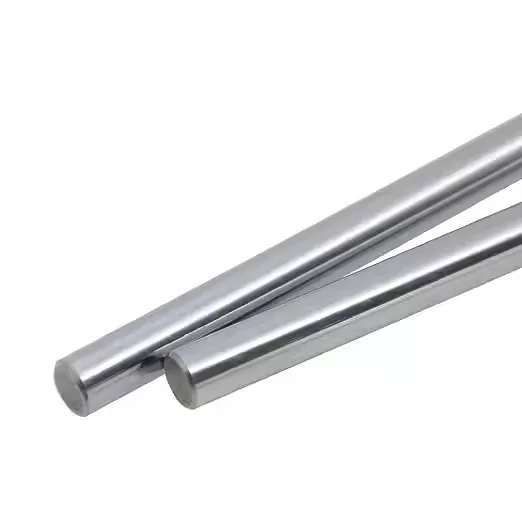
TEBAK Hardened Ground Shaft Rod, 1.5 mm to 10 mm
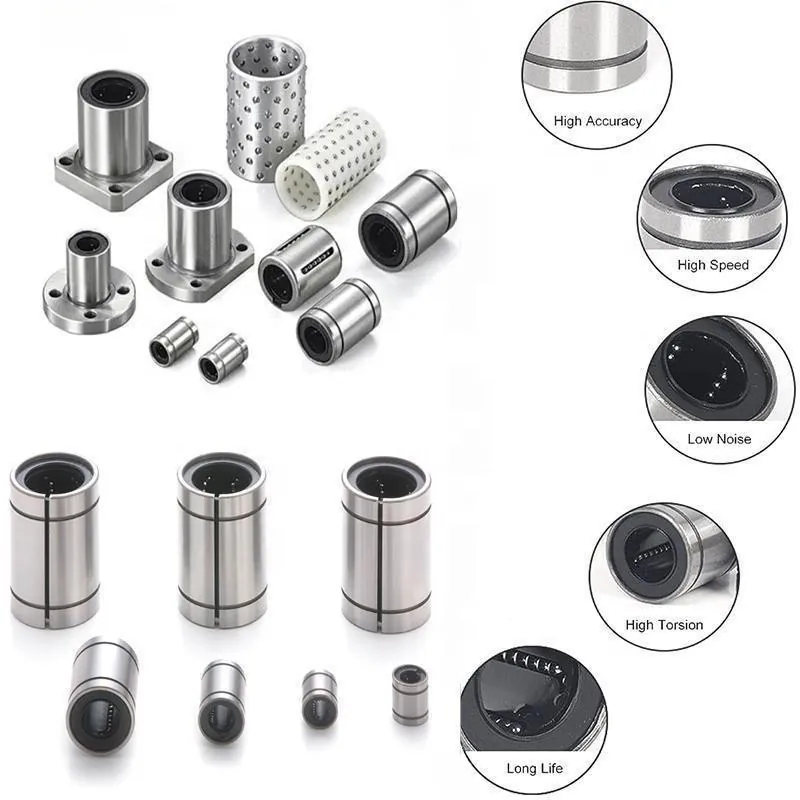
TEBAK High Load Flanged Type Linear Bearings LMF12UU
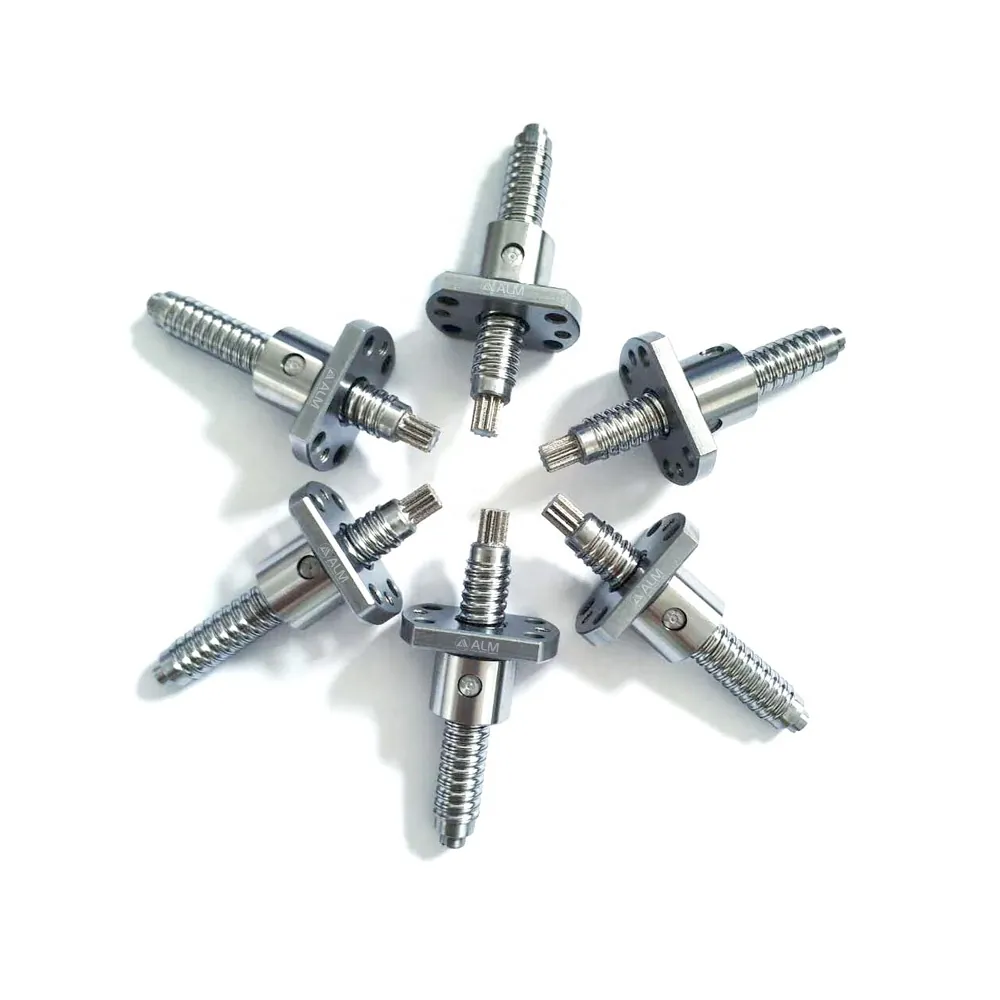
TEBAK High Precision Bearing Steel Stainless Steel
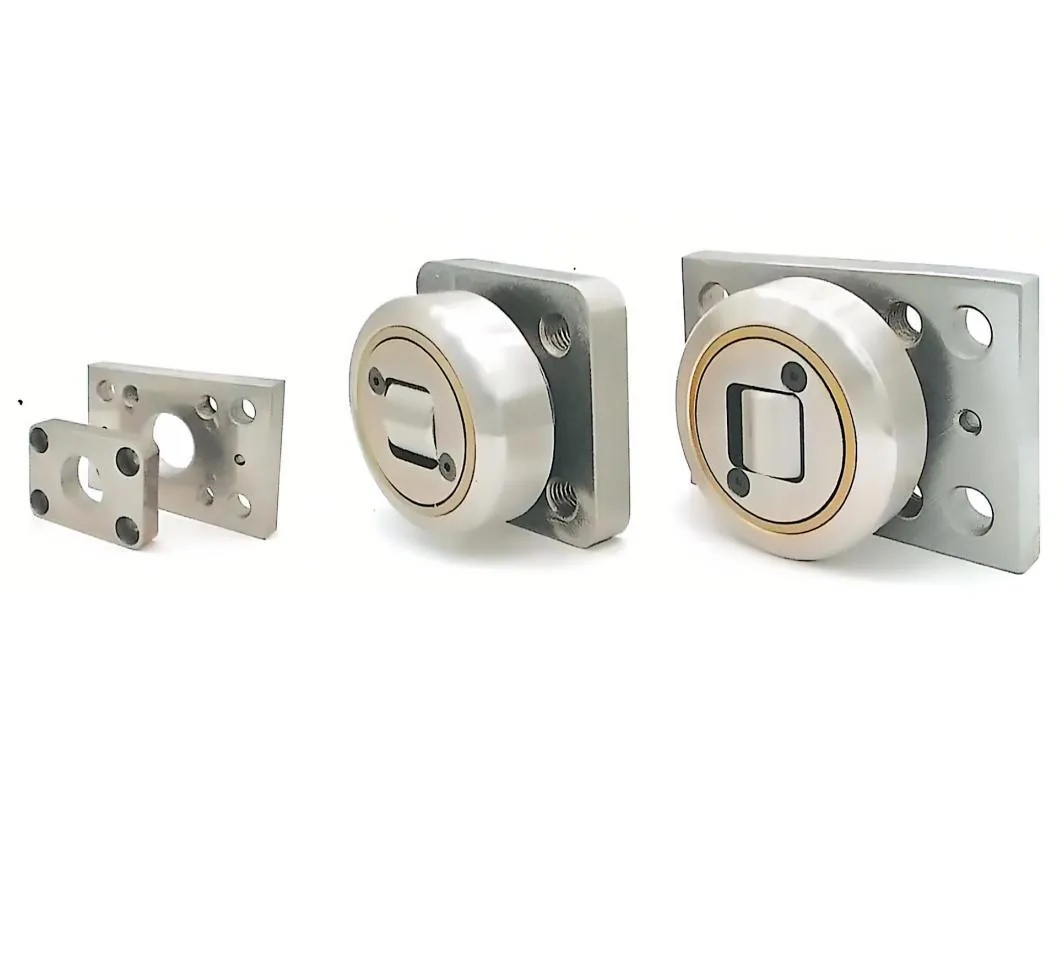
TEBAK High-capacity Cylindrical Roller Special Composite
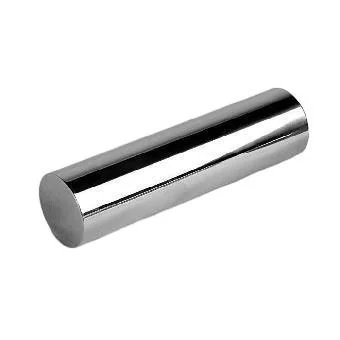
TEBAK Hollow Chrome Plated Linear Shaft, 10 mm to 60 mm
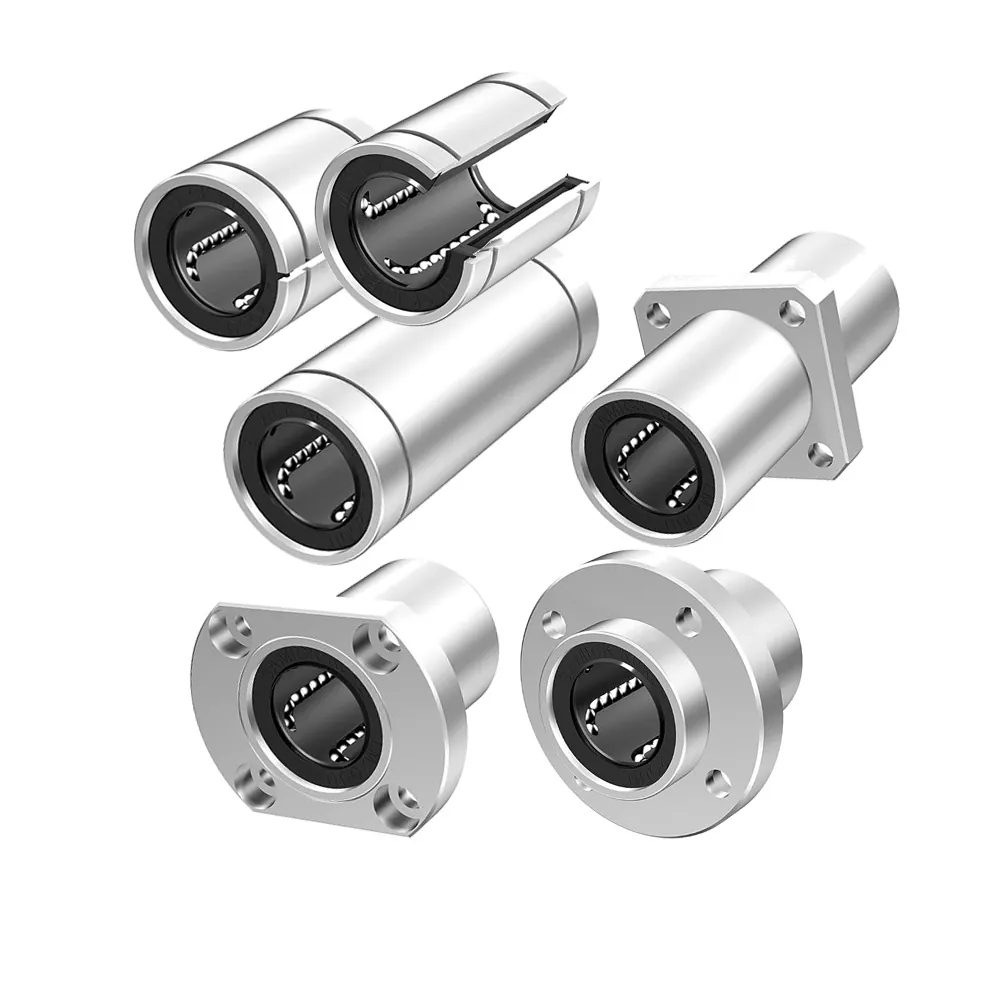
TEBAK LM3UU–LM12UU Linear Bushing Carbon steel, bearing
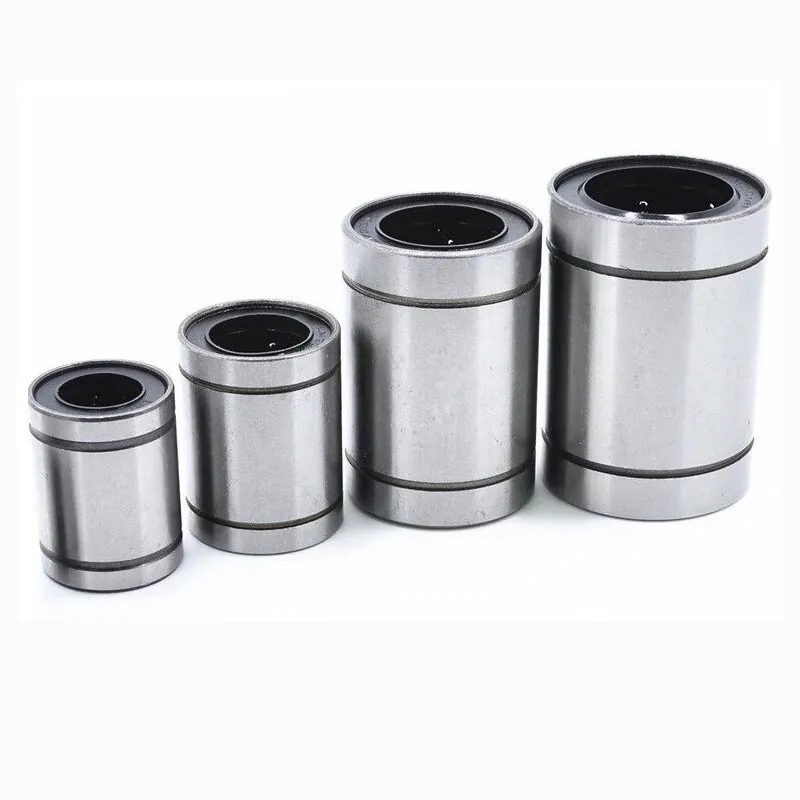
TEBAK LM8UU–LM30UU Linear Bushing
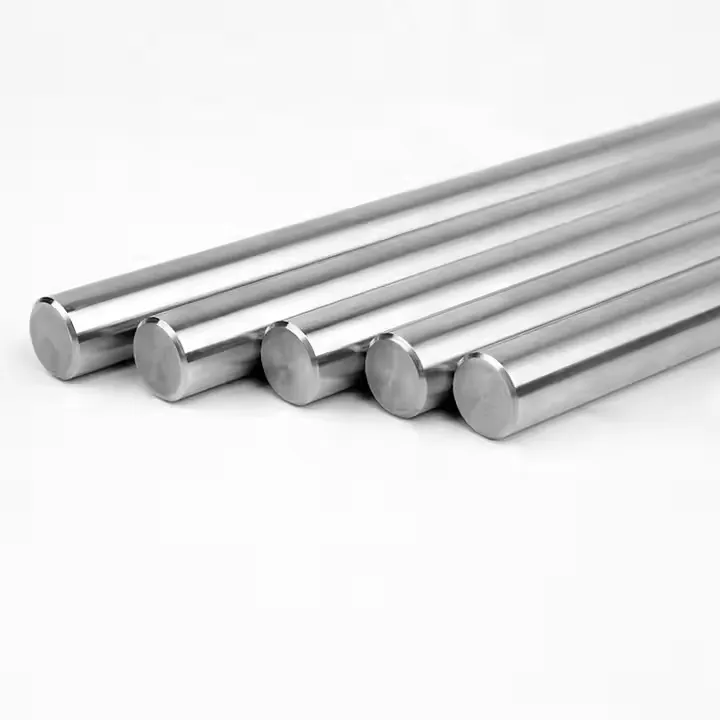
TEBAK Linear Guide, Machining Linear Rail Shafts with
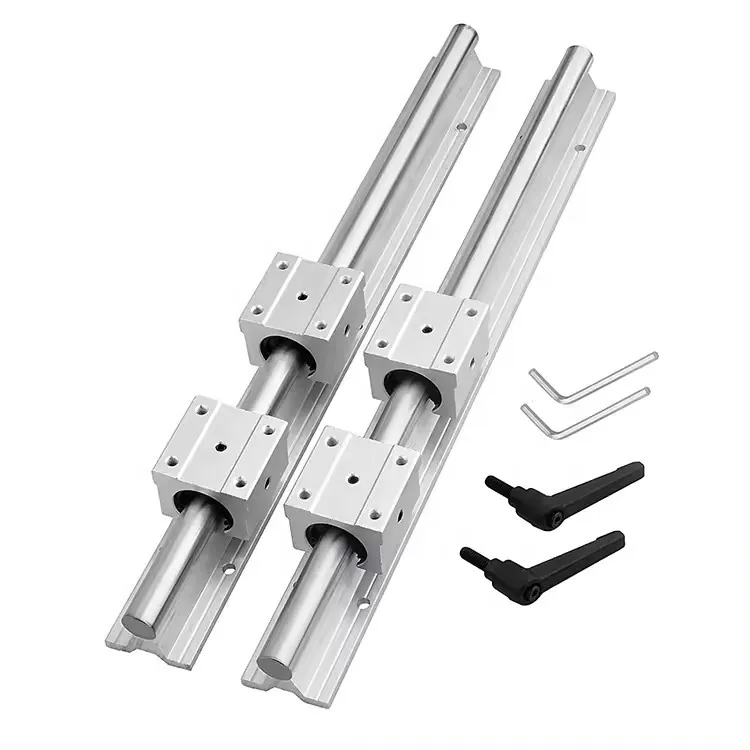
TEBAK Linear Guide, Parts Linear Shaft with End Support
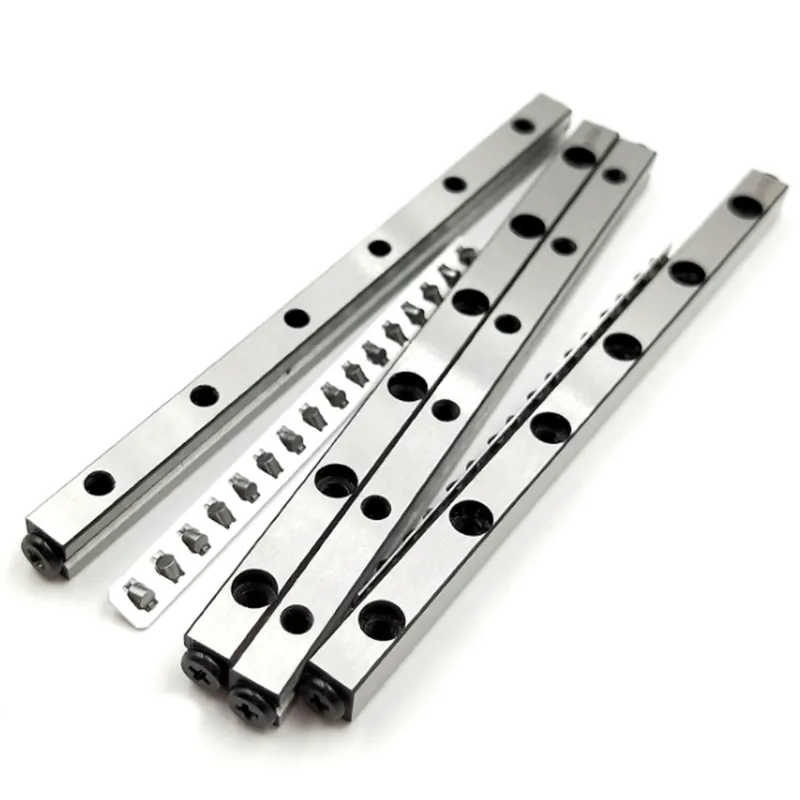
TEBAK Linear Motion Guides Precision Cylindrical Rollers
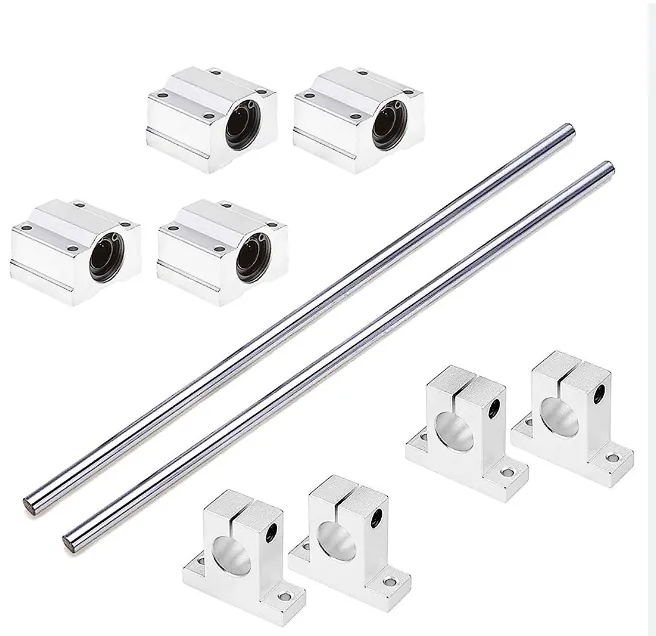
TEBAK Linear Shaft Optical Axis with Rod Rail Support
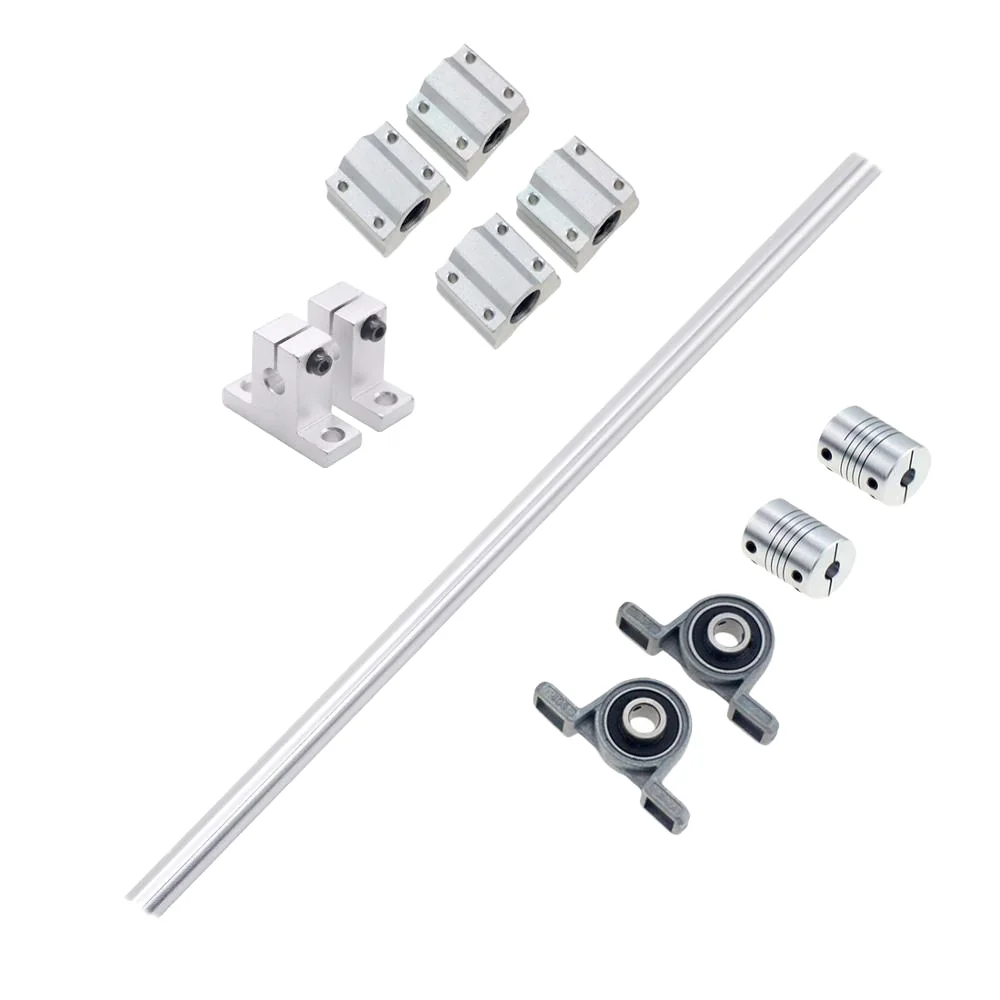
TEBAK Linear Shaft Support Rail Kit, 8 mm to 25 mm
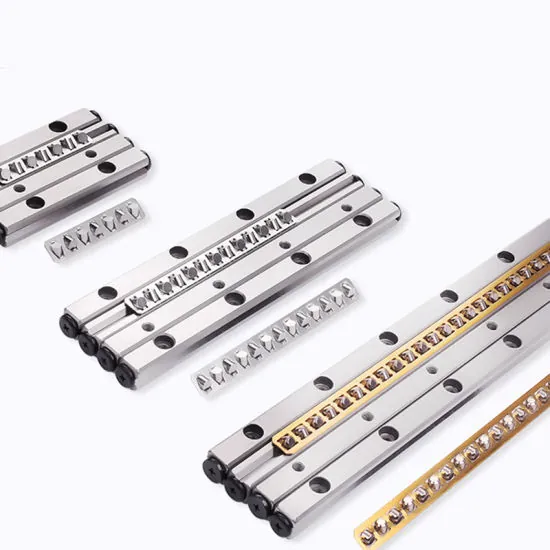
TEBAK Linear Sliding Guide Assembly Rolling Elements
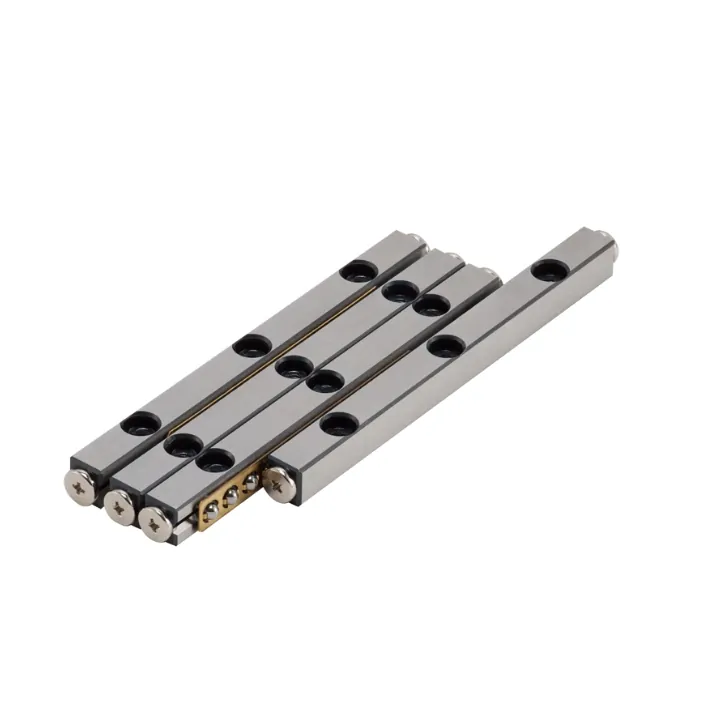
TEBAK Micron or Nanometer-level Positioning, grade H,P,SP
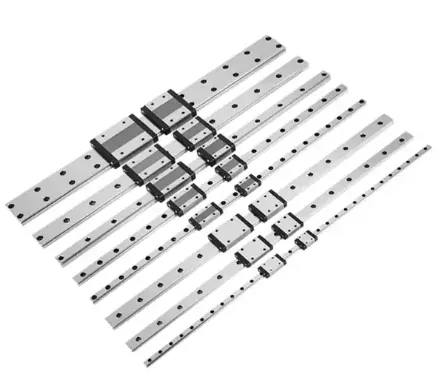
TEBAK Miniature MGN7–MGN9 Linear Guide Bearing
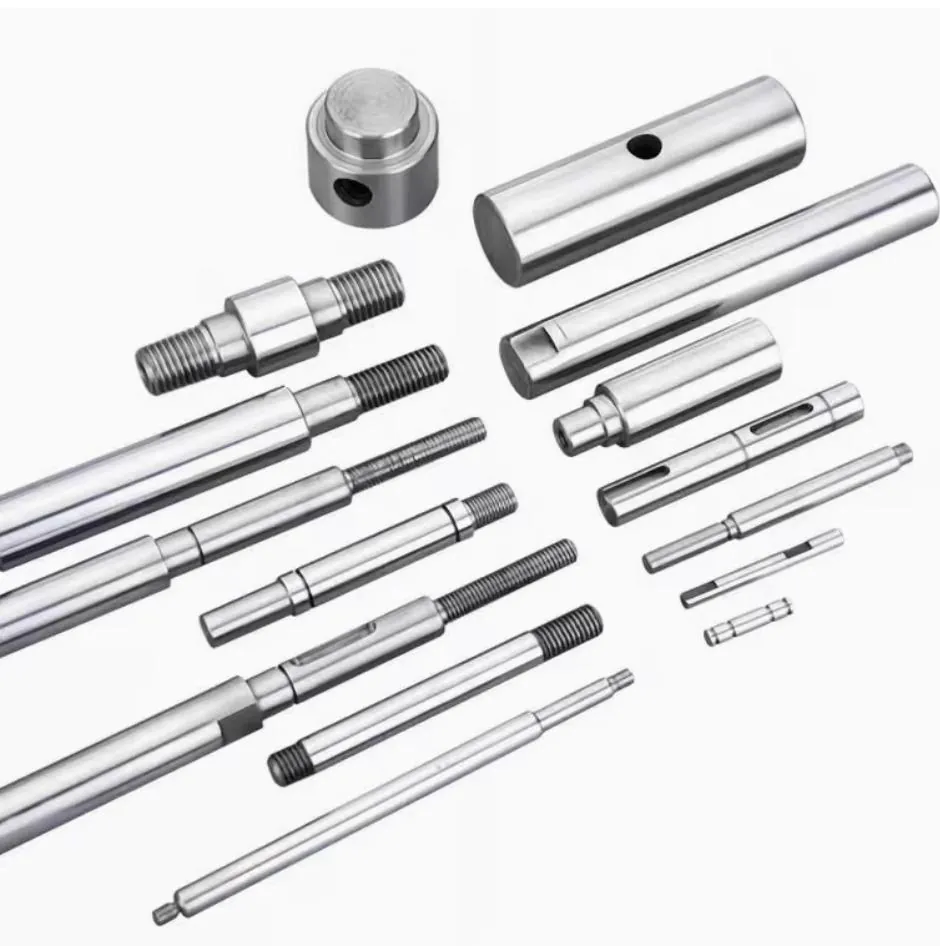
TEBAK Precision Linear Guide Carbon steel, bearing
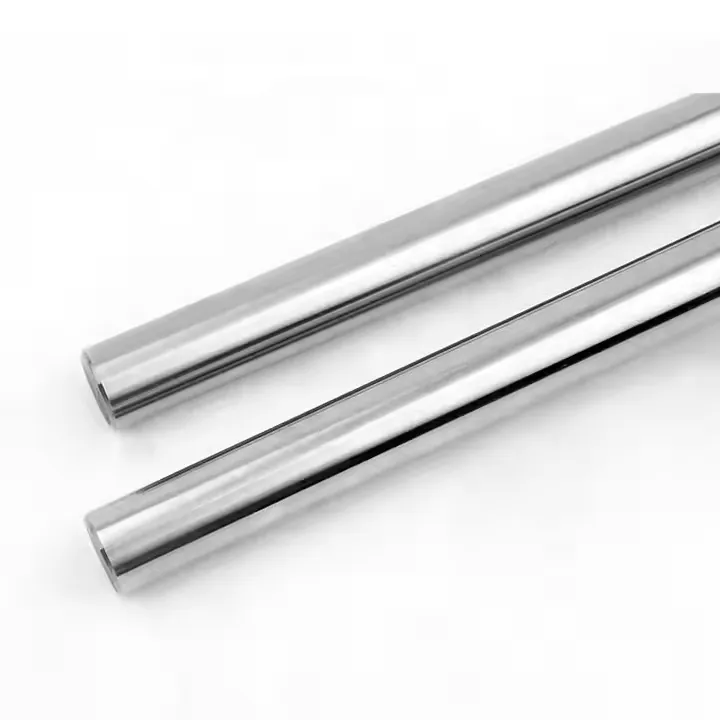
TEBAK Precision Linear Shaft Carbon steel, bearing
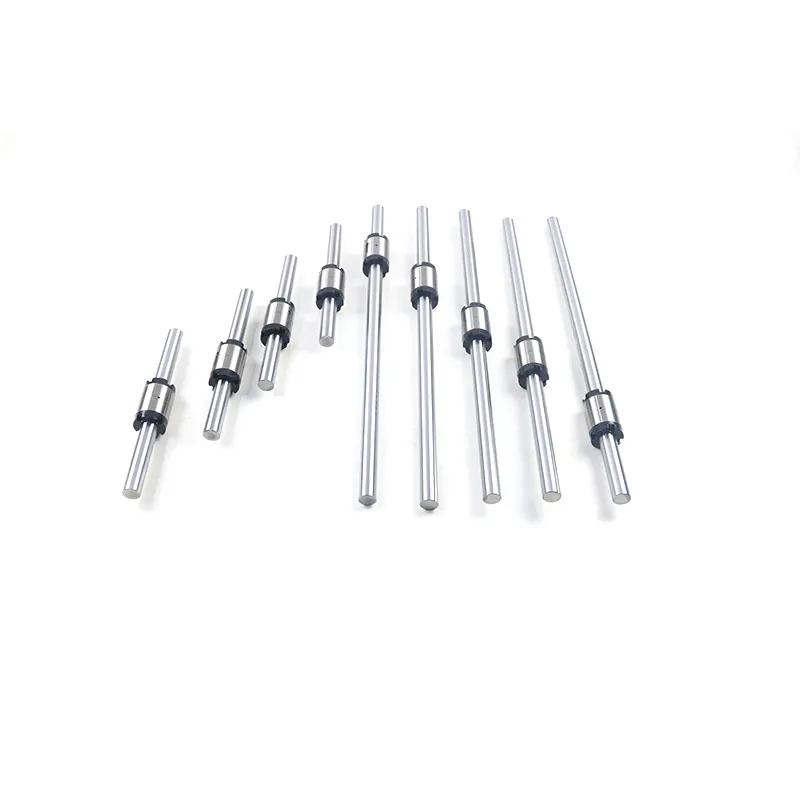
TEBAK Precision SLT008–SLT016 Ball Spline, grade N,H,P
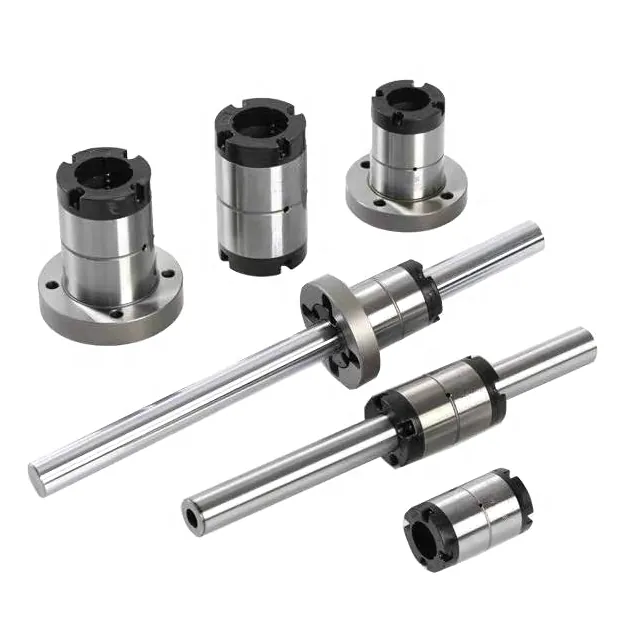
TEBAK Precision SLT016–SLT030 Ball Spline, grade N,H,P
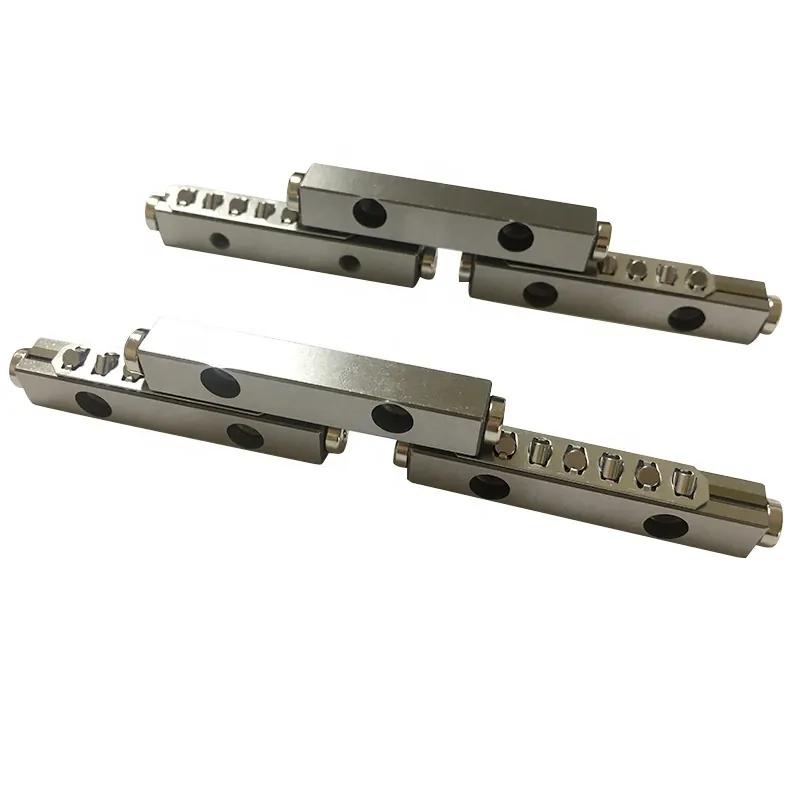
TEBAK Precision VR15 Linear Guide Bearing
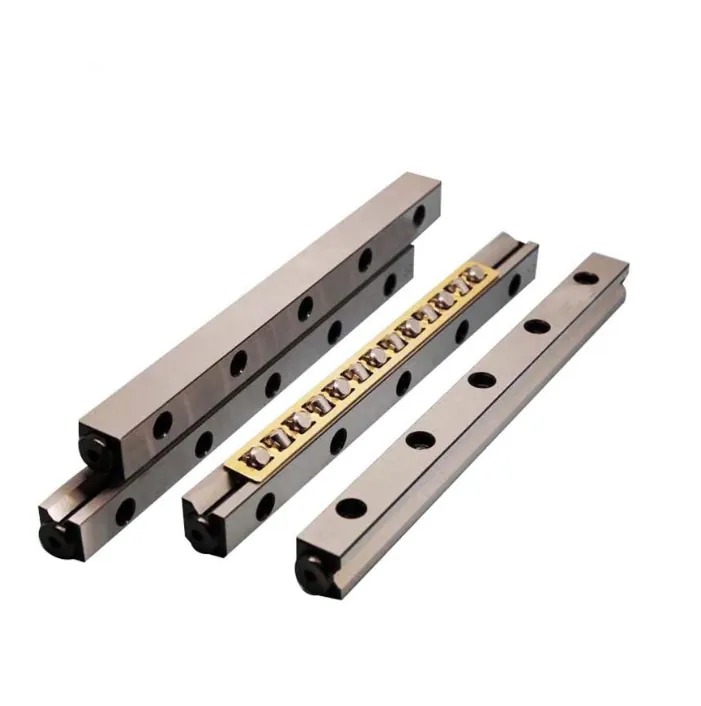
TEBAK Roller Linear Bearings VR1-20 VR2-30 VR3-50
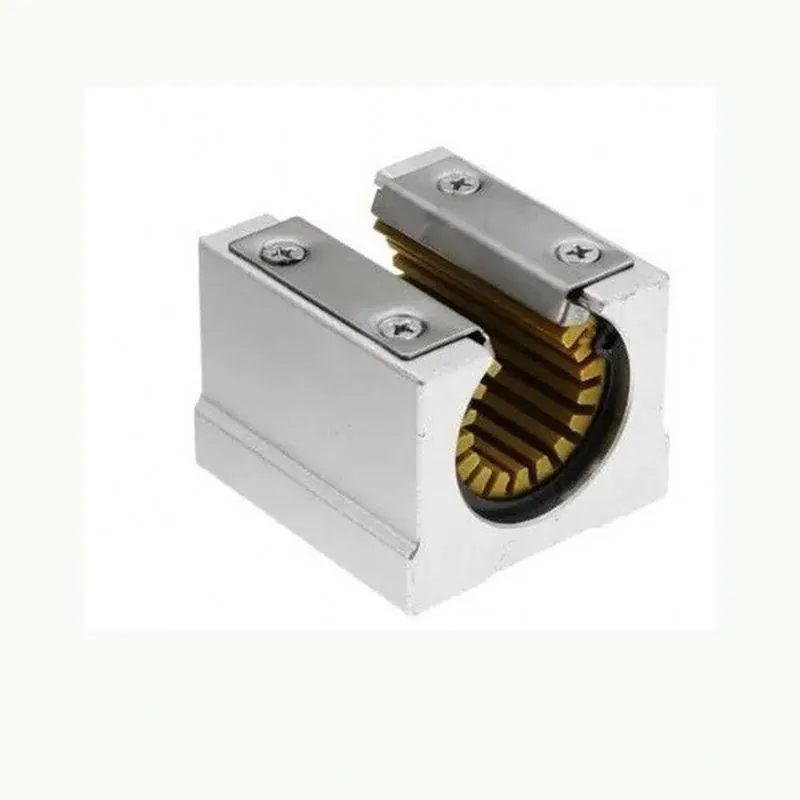
TEBAK SBR20UU LIN-11GK-20 Linear Bearing Plastic Linear
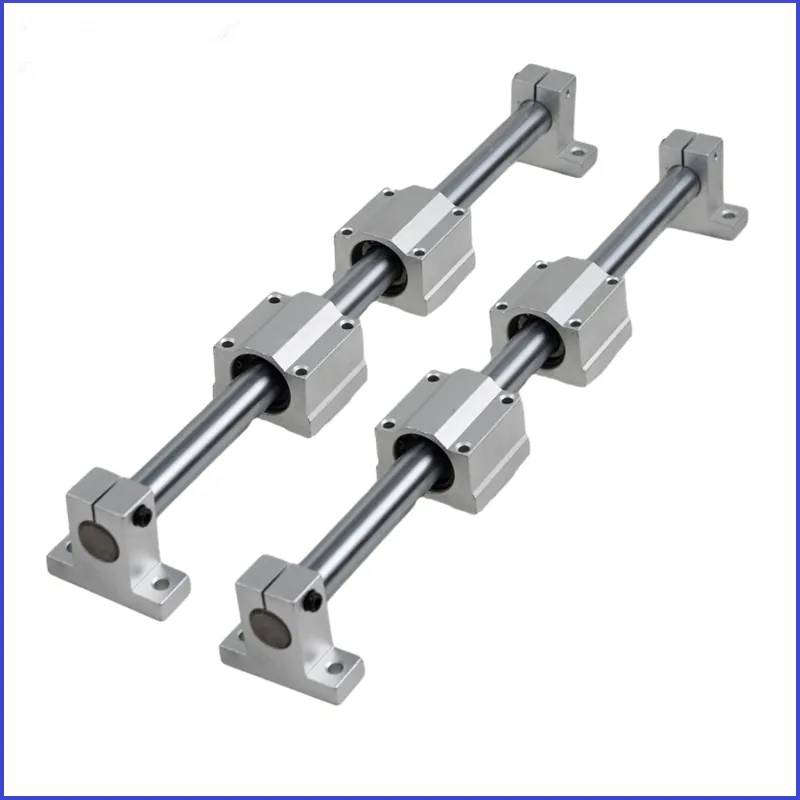
TEBAK SCS8 10 20 30 40 50 60UU Aluminium Linear Slide 45
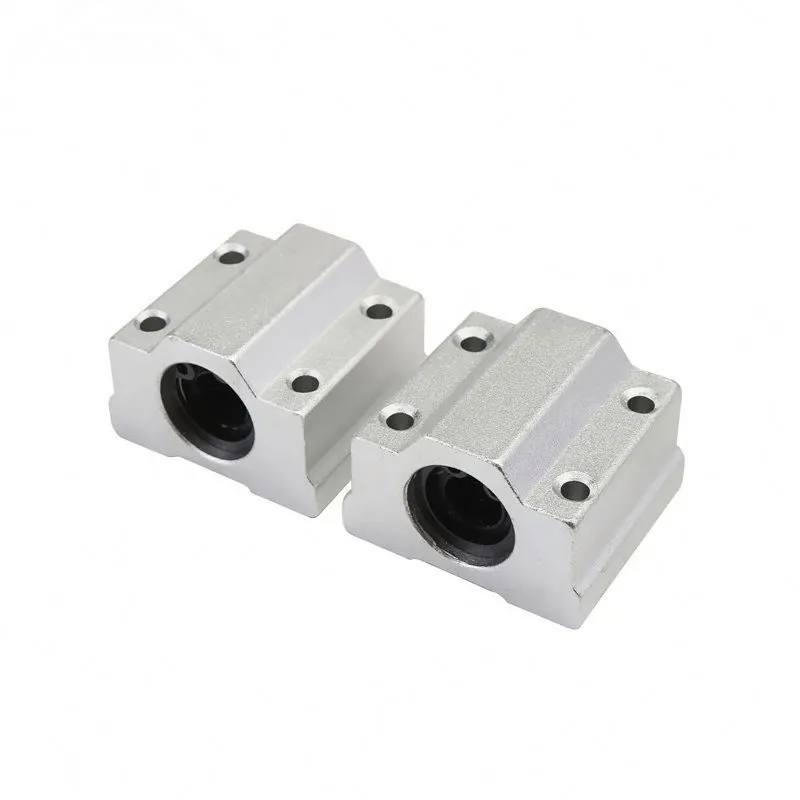
TEBAK SCS8UU–SCS30UU Linear Guide Bearing Steel (GCr15)
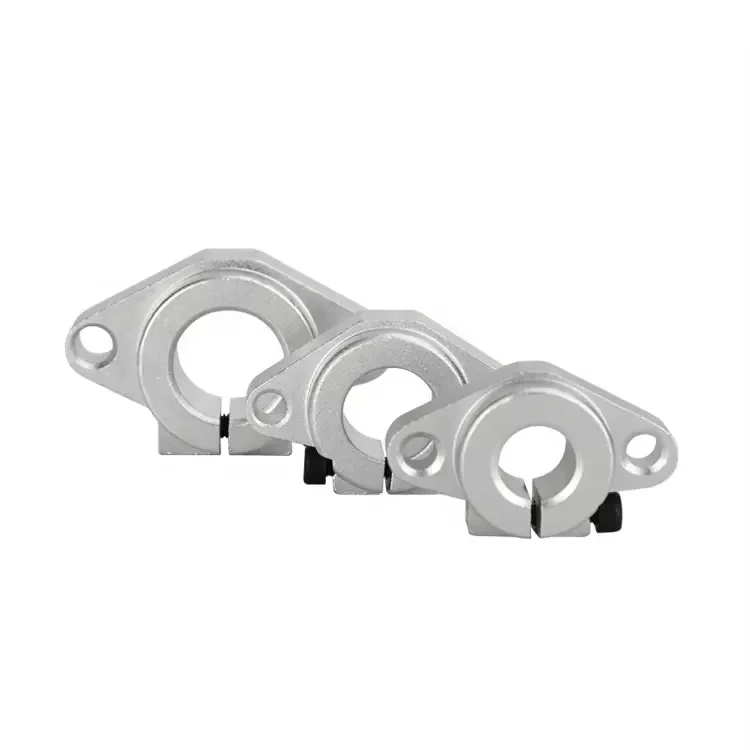
TEBAK SHF Flange Shaft Support, SHF8 to SHF50
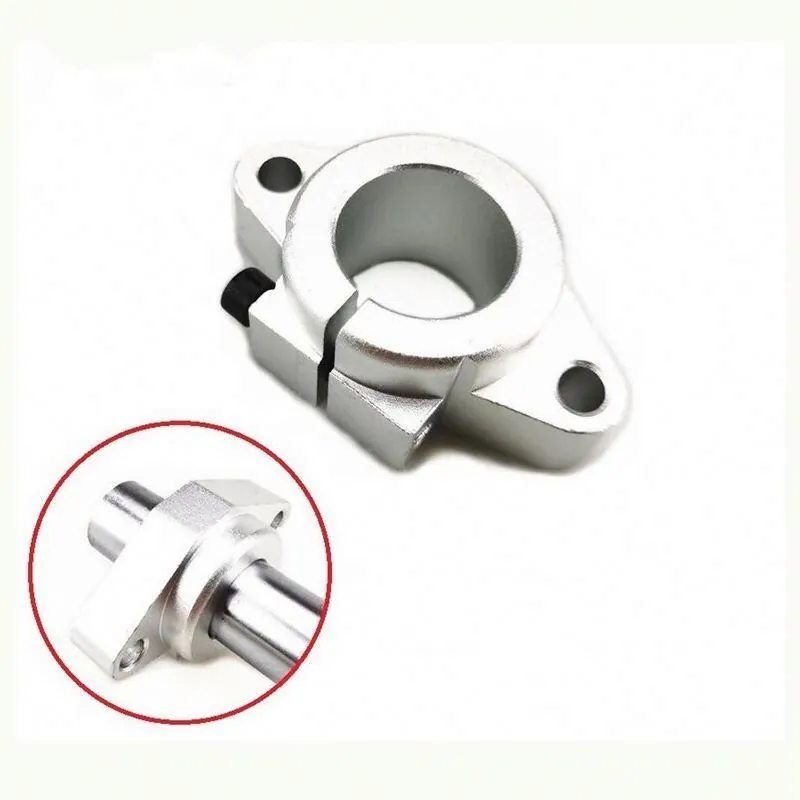
TEBAK SHF10–SHF30 Linear Shaft 10 mm
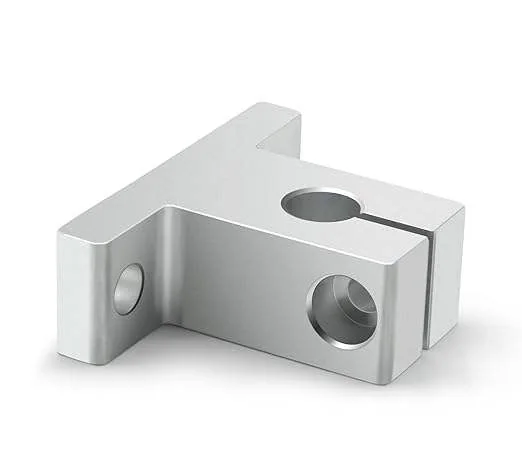
TEBAK SK Shaft End Support Block, SK8 to SK35
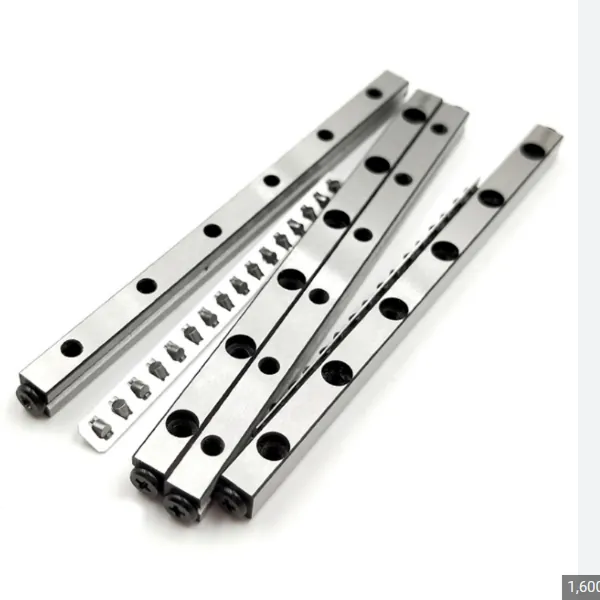
TEBAK Smooth Motion Precision Cross Roller Guides VR4
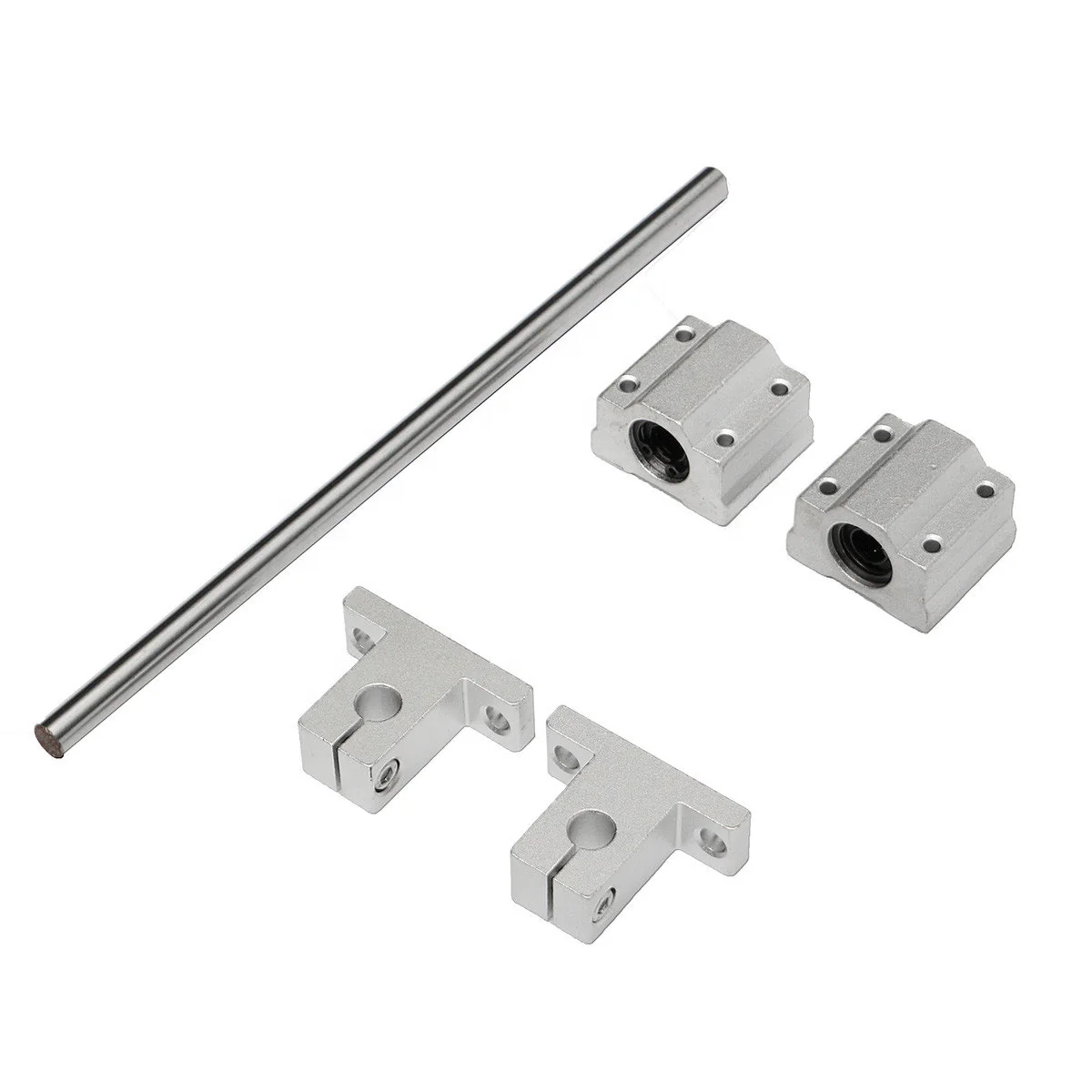
TEBAK Spline Linear Shaft with Ground Grooves, C45
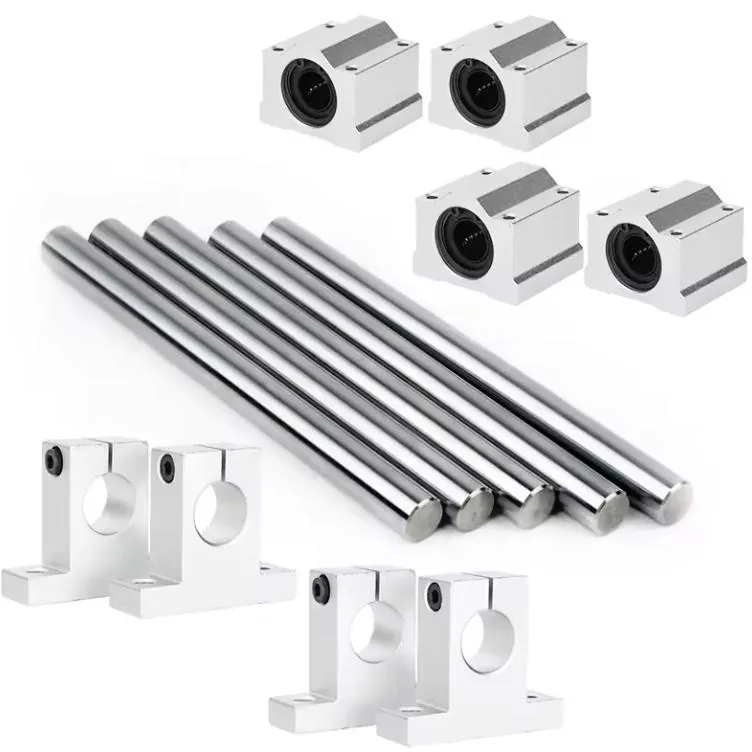
TEBAK Stainless Linear Shaft Carbon steel, bearing
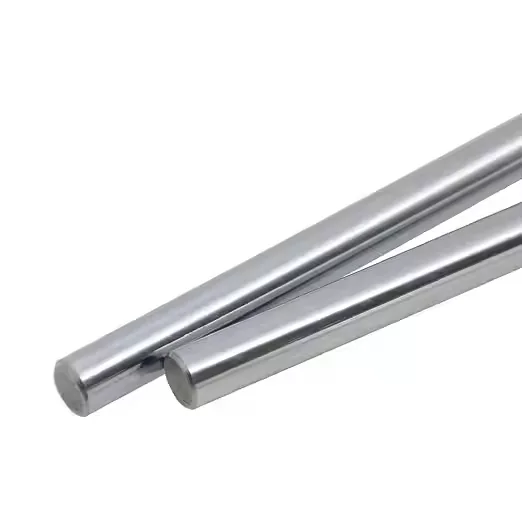
TEBAK Stainless Steel Linear Shaft 304, 6 mm to 150 mm
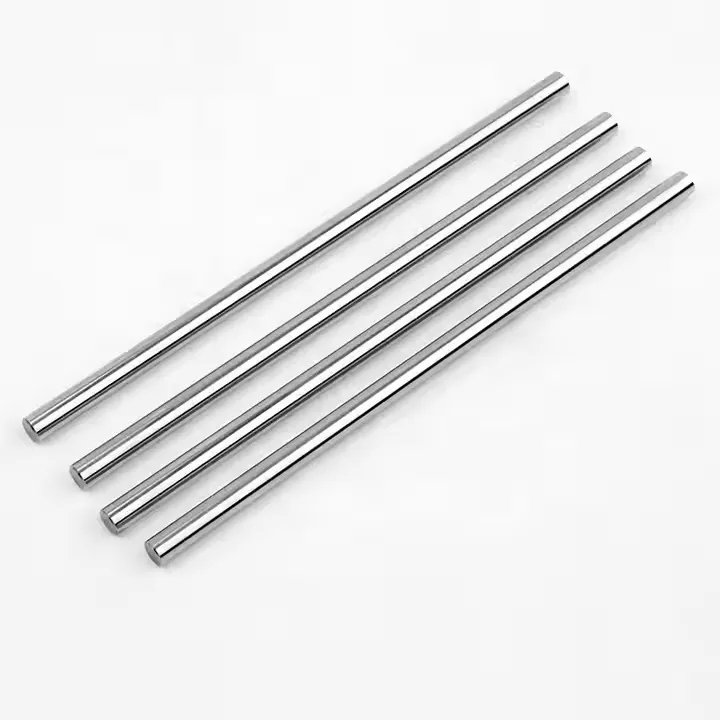
TEBAK High-temperature Linear Shafts with Diameters
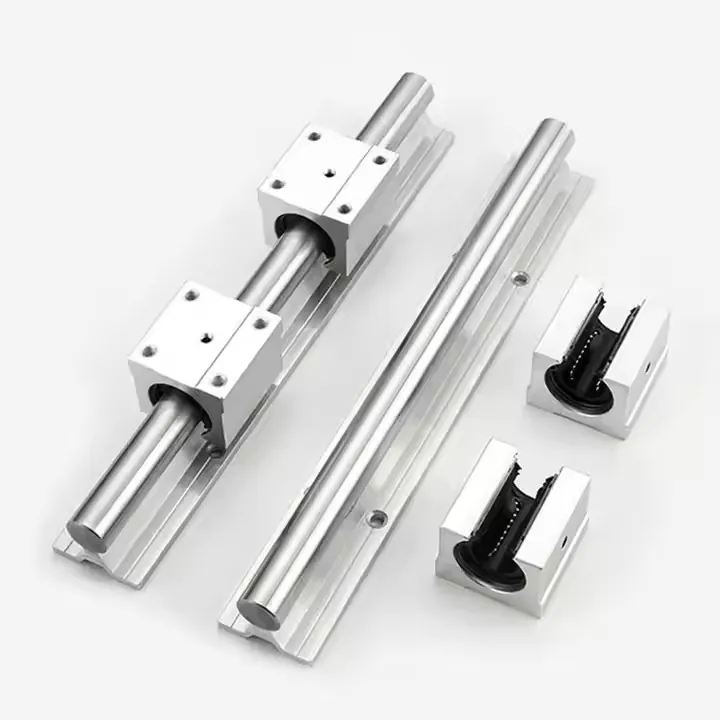
TEBAK Stainless Linear Shaft 1.5 year Type 2
Interested in this product?
Send your details and we will respond within 24 hours.