
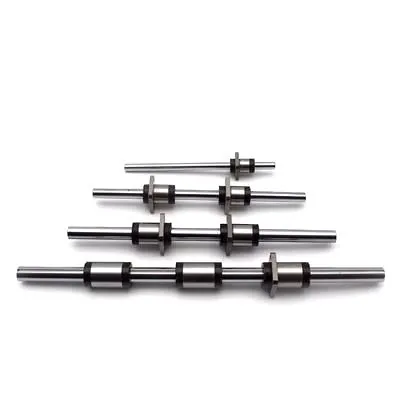
Ball Spline, High Speed Spline Shaft Flange Type, for machine tools
Request pricing, MOQ and lead time for this product — we reply within 24 hours.
Material and surface treatment
| Material | Bearing Steel,Stainless Steel |
|---|
Accuracy and running characteristics
| Accuracy grade | N,H,P |
|---|---|
| Preload | P0,P1,P2 |
| Efficiency | >90% |
Supply conditions
| Packing | Carton+Plastic bag + Wooden box or according to customers' demands |
|---|---|
| Customisation | Customized shaft end machining and surface treatment are available upon on requirements |
| Warranty | 1.5 year |
| Place of origin | Jiangsu, China |
| MOQ | 1 Set |
Values above are the manufacturer's published figures for this series. Anything not listed — dynamic load rating, straightness, preload class — is confirmed against the drawing at RFQ.
Description
Overview
A linear bearing is chosen for the job it does in the axis rather than on its own: the load it carries, the accuracy it has to hold and the way it is mounted decide whether a given size is right. This page sets out those relationships for this range. A linear bearing carries a shaft or a rail on rolling elements, so the moving part travels with low friction and with a clearance that can be set by preload. The bearing takes radial load and, depending on the type, moment load as well; the housing that holds it decides how much of that moment reaches the bearing itself.
Key Features
· Warranty: 1.5 year
· Weight (kg): 0.8
· Video outgoing-inspection: Provided
· Machinery test report: Provided
· Core components: Motor
· Material: Bearing steel/stainless steel
· Supplied as a replacement part or as a production item for machine builders
· Material, tolerance and surface treatment confirmed against the drawing
Specifications
The parameter table above lists the values published for this item. Where a value depends on the machine it is going into, the drawing or the RFQ fixes it, and we confirm before production rather than after.
Application
Material: Bearing steel/stainless steel.
Bearing selection is driven by the load per bearing, the shaft or rail diameter, the required accuracy and the environment. Preload removes play but raises friction; a sealed bearing keeps debris out but adds drag; and the housing tolerance decides whether the bearing runs true or is pinched.
The three things that shorten the life of a part like this are contamination, misalignment and overload. Keep the working surfaces covered during assembly, align to the datum that the machine was built from, and keep the load inside the rating with a margin for the peaks that occur when an axis starts, stops or jams.
Where it is used: linear motion axes, guide rod assemblies, 3D printers and small CNC machines, packaging and labelling equipment, medical and laboratory instruments, door and gate mechanisms.
Installation & Maintenance
Choosing between two sizes usually comes down to what the machine will do with the margin. A larger size carries the load more comfortably and lasts longer, but it takes more space, costs more, and may add mass that the drive then has to accelerate. A smaller size saves space and cost but leaves less room for the peak that appears when an axis reverses with the load at the end of its stroke, so the honest comparison is between total cost of ownership rather than unit price.
Load rating is a working limit rather than a failure point. A part run at its rated load for a long time will reach the end of its life sooner than one run at half that load, because life falls faster than load rises. In a machine the load also moves: an axis that stops and starts applies a peak at each reversal, and a gantry applies a moment when the load is at the end of its stroke rather than over the bearing.
Environment changes the specification more often than load does. Dust and chips get into working surfaces and act as an abrasive; coolant and wash down remove lubricant and start corrosion; heat moves the geometry and changes the clearance that was set cold. Each of these has an answer, but the answer has to be chosen before the order rather than after the machine is built.
Keep the part clean and dry, check the fasteners after the first hours of running, and re-check them at the interval the machine builder sets. A part that has started to move on its mounting shows as a mark around the bolt holes, and that is the point to correct the joint rather than to tighten it again.
Quote requests are answered against the drawing. Send the size, the load or torque the part will see, the mounting dimensions, and the accuracy the axis has to hold. If the application is unusual, say what the machine does, because the same size can be right for one duty and wrong for another.
Package & Lead Time
Standard export packing: each part is sleeved and cartoned, screws and rails are protected along their length, and larger assemblies travel crated. Lead time is confirmed with the quotation: standard sizes normally ship within 5 to 15 days of a confirmed drawing, custom parts against the agreed schedule. Minimum order is one piece, and sample orders are accepted before a production run.
Request a Quote
Send the model number or the drawing, with the shaft or rail size and the quantity you need, and we will reply with a quotation. For non-standard lengths, bore pairs, keyways and material changes we work from your drawing; bulk orders are quoted per quantity band and a sample can be supplied for approval.
Related components
Detail images
Questions buyers ask about this item
Which accuracy grades are available?
N,H,P. Tighter grades are quoted on request.
What preload options are offered?
P0,P1,P2
What material is it made from?
Bearing Steel,Stainless Steel
What is the minimum order quantity?
1 Set
Related products
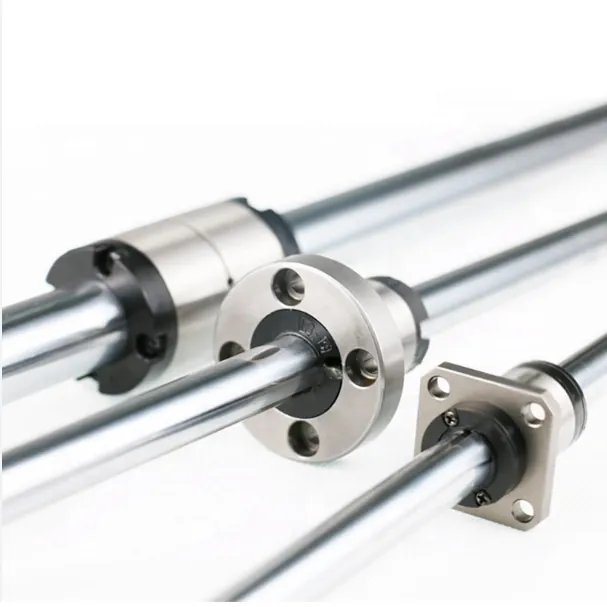
TEBAK Ball Spline, High Speed 10mm 13mm 16mm 20mm 25mm
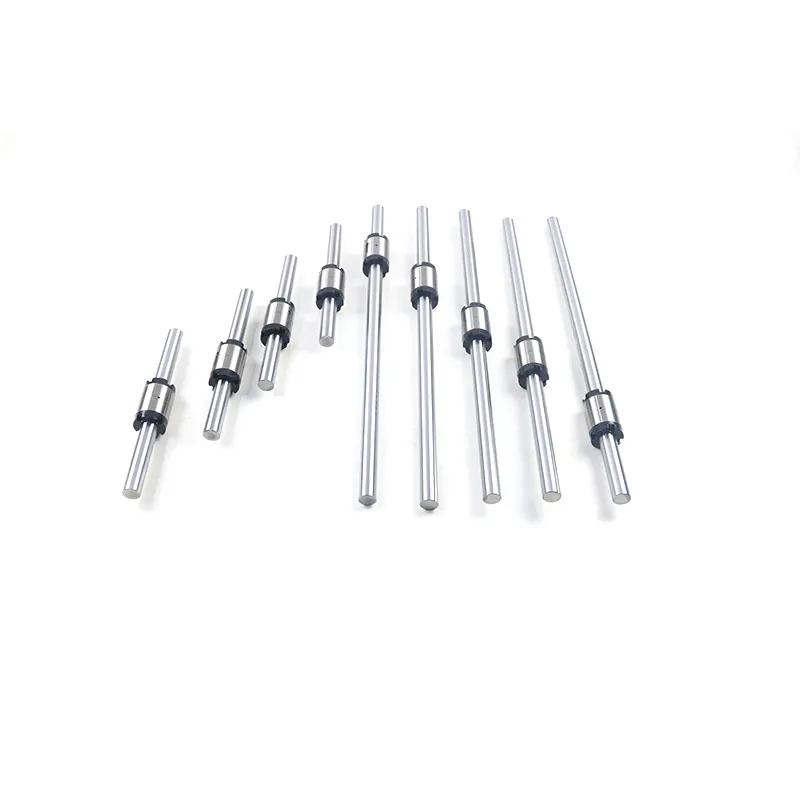
TEBAK Precision SLT008–SLT016 Ball Spline, grade N,H,P
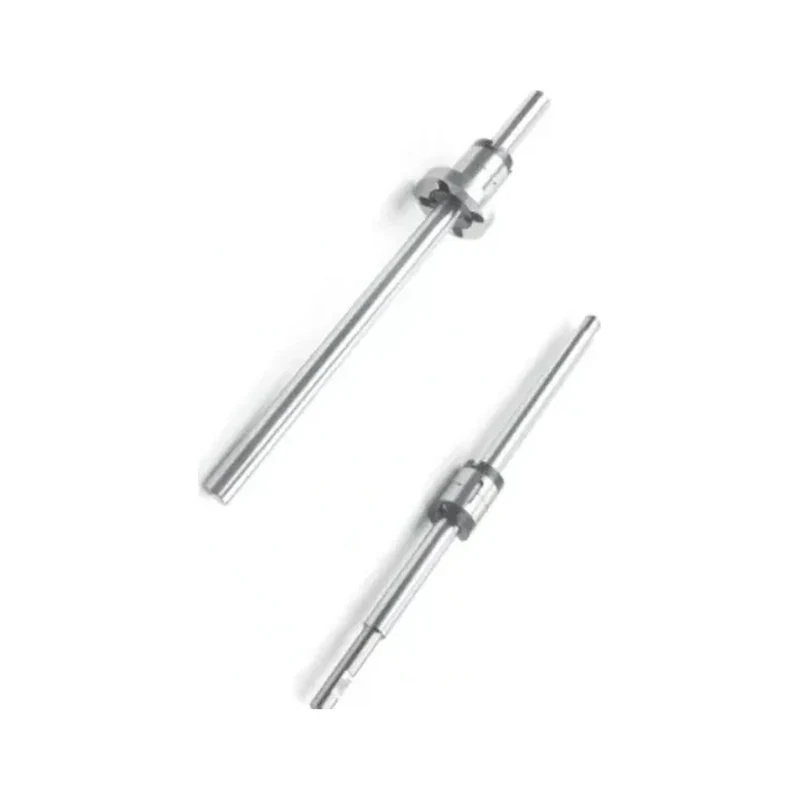
TEBAK Diameter 8mm 10mm 13mm 16mm Solid /hollow Custom
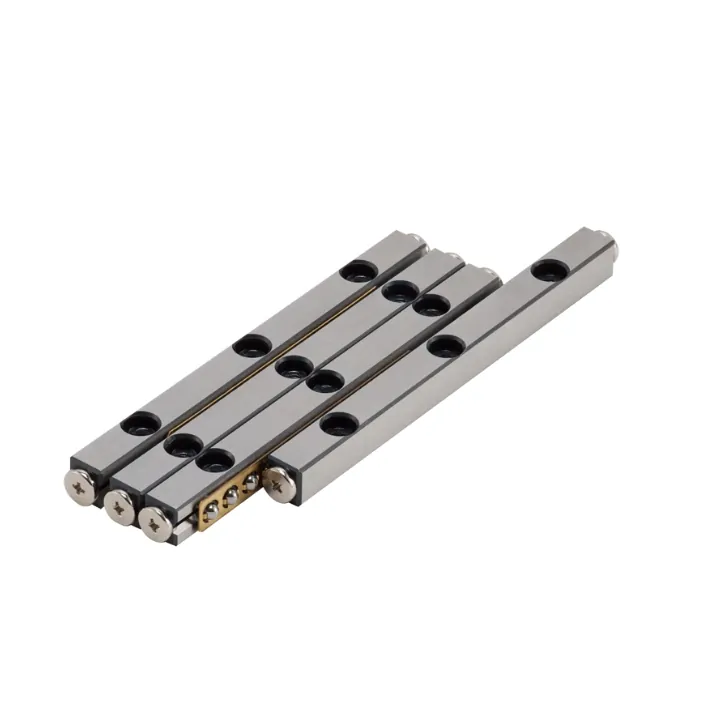
TEBAK Micron or Nanometer-level Positioning, grade H,P,SP
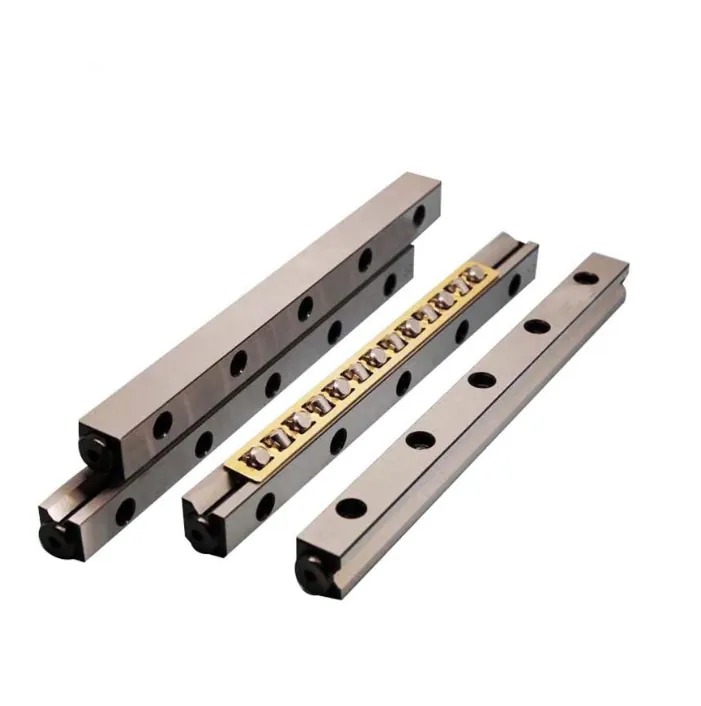
TEBAK Roller Linear Bearings VR1-20 VR2-30 VR3-50
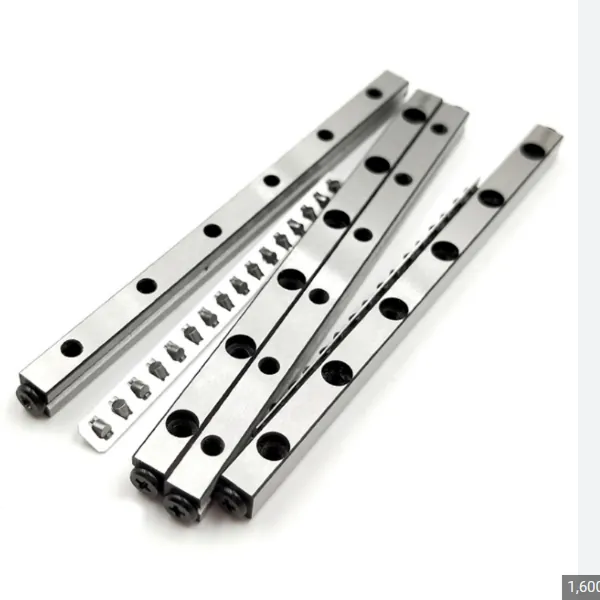
TEBAK Smooth Motion Precision Cross Roller Guides VR4
Interested in this product?
Send your details and we will respond within 24 hours.