
Linear Motor
9 items with published dimensions.
A linear motor produces thrust directly along the axis, with the forcer acting on a magnet track instead of turning a screw. With no screw, belt or rack between the motor and the load, there is no backlash, no wear part in the drive and no stroke limit other than the length of the track. The trade is control: a linear motor cannot hold position without a brake or an active servo loop, and it needs an encoder that measures the load rather than the motor.
Selection is driven by continuous thrust, peak thrust, the mass being accelerated and the cooling available. A forcer that is sized on peak thrust alone will overheat in continuous duty; a forcer sized for the heat load will have enough peak for the acceleration, so the thermal calculation comes first. Structure matters too: an ironless forcer has no attractive force between forcer and track and suits light, precise axes, while an iron core forcer gives more thrust per volume and accepts the attraction that comes with it.
These motors are used on high speed pick and place heads, semiconductor and display handling, laser cutting gantries, precision measurement stages and machine tools with fast tool servos. Buyers are automation integrators and machine builders who already work with servo drives and encoders, and who need acceleration or stroke that a screw axis cannot deliver.
Because the motor is only one part of the axis, the encoder, the guide and the drive all have to be chosen with it. Send the moving mass, the acceleration, the stroke and the accuracy the machine must hold, and the forcer, the track and the cooling arrangement can be sized together.
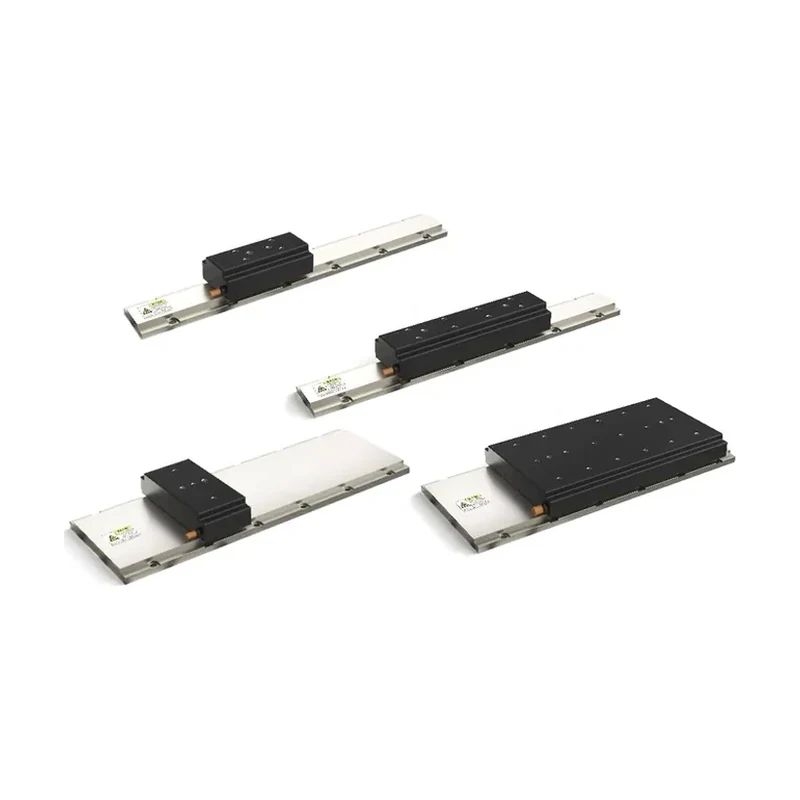
TEBAK Direct Drive Electric Motor Ultra-high Performance
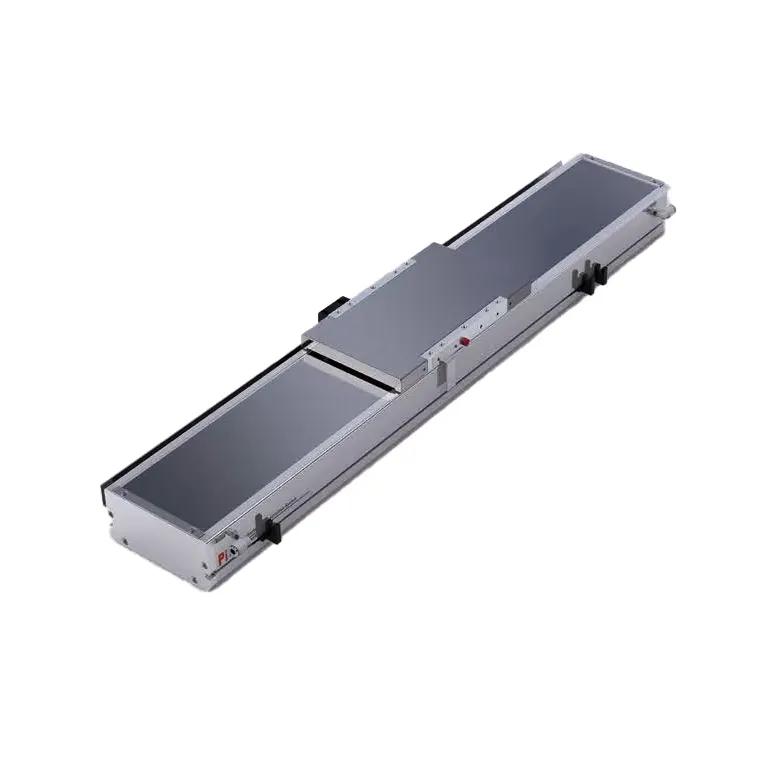
TEBAK Fully Enclosed Linear Motor, PCB and Aerospace
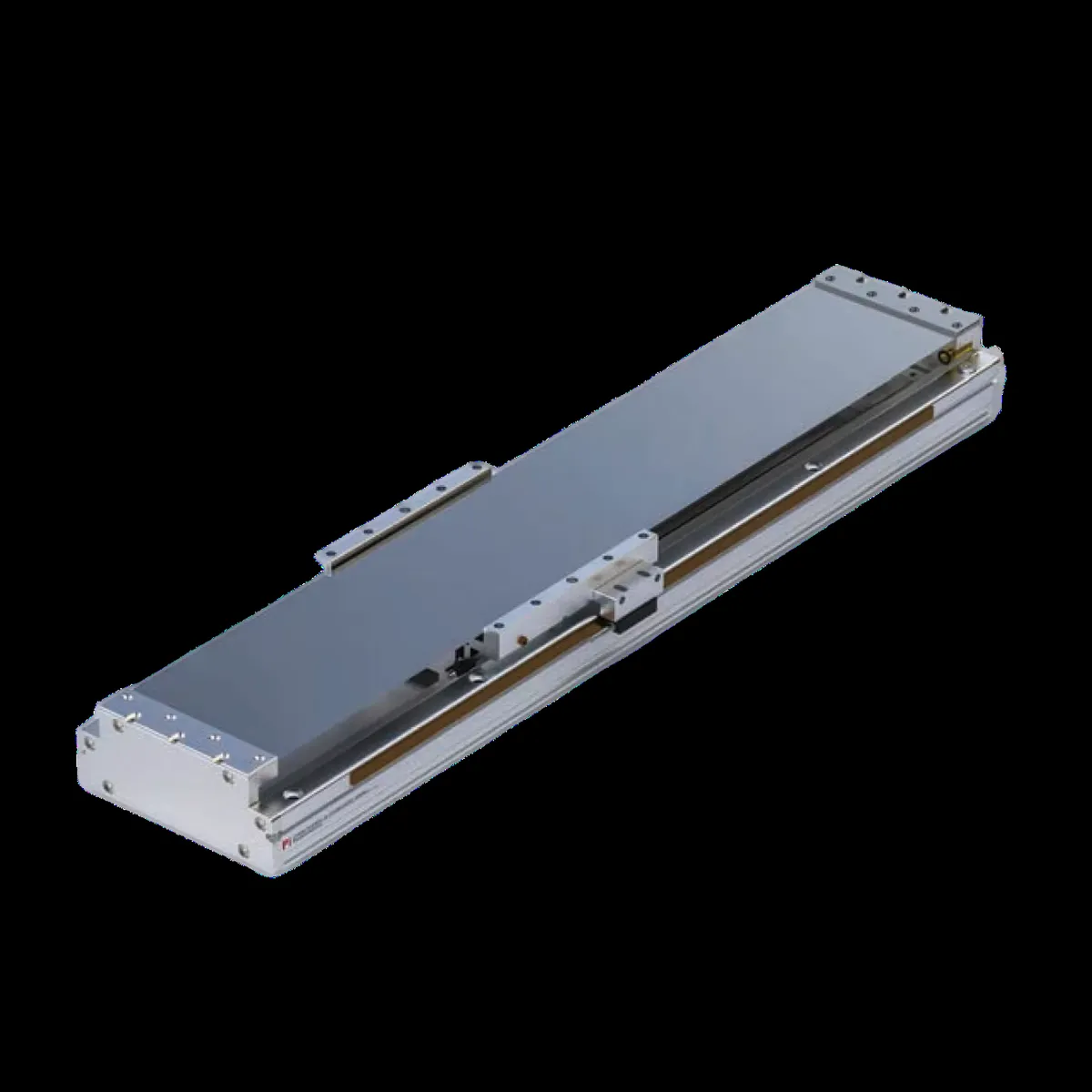
TEBAK GSL16 Guide Rail Linear Motor, 0.001 mm Accuracy
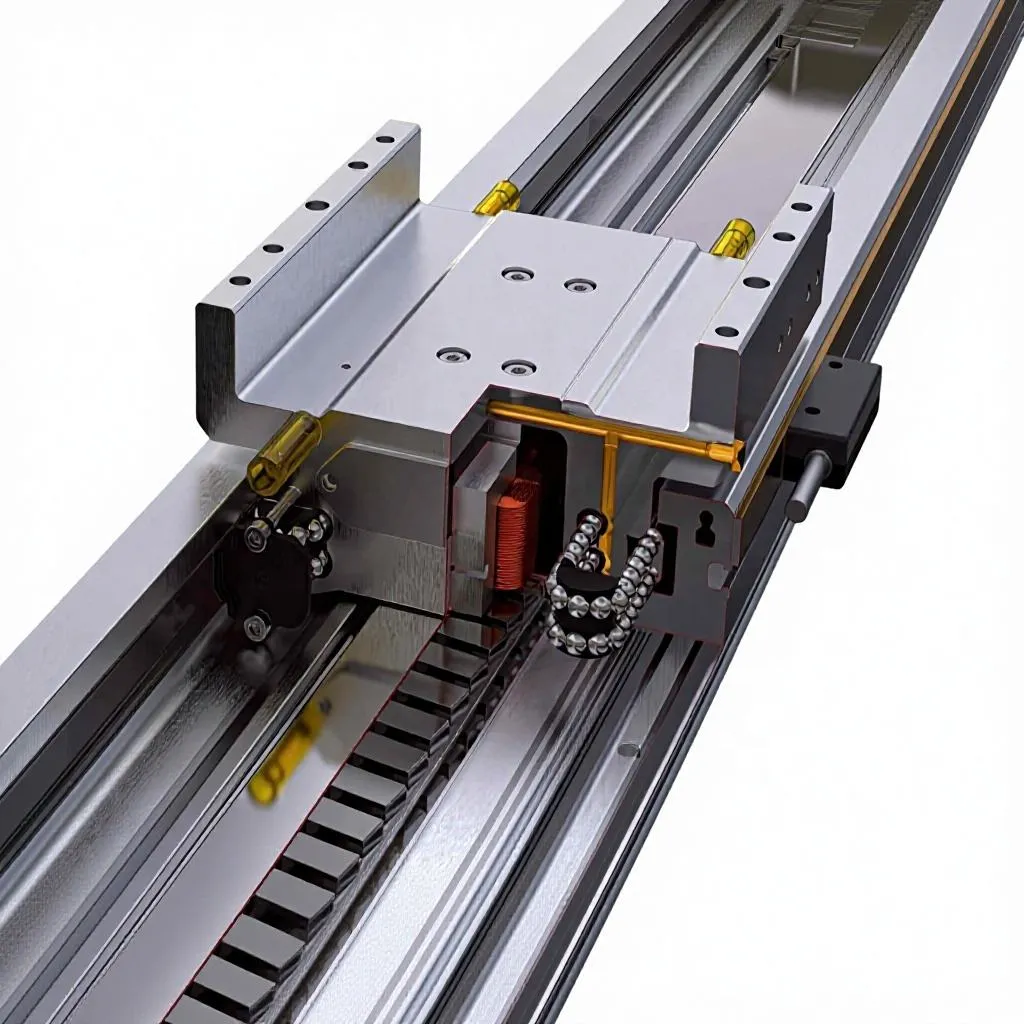
TEBAK Guide Rail Linear Motor Actuator, Laser Processing
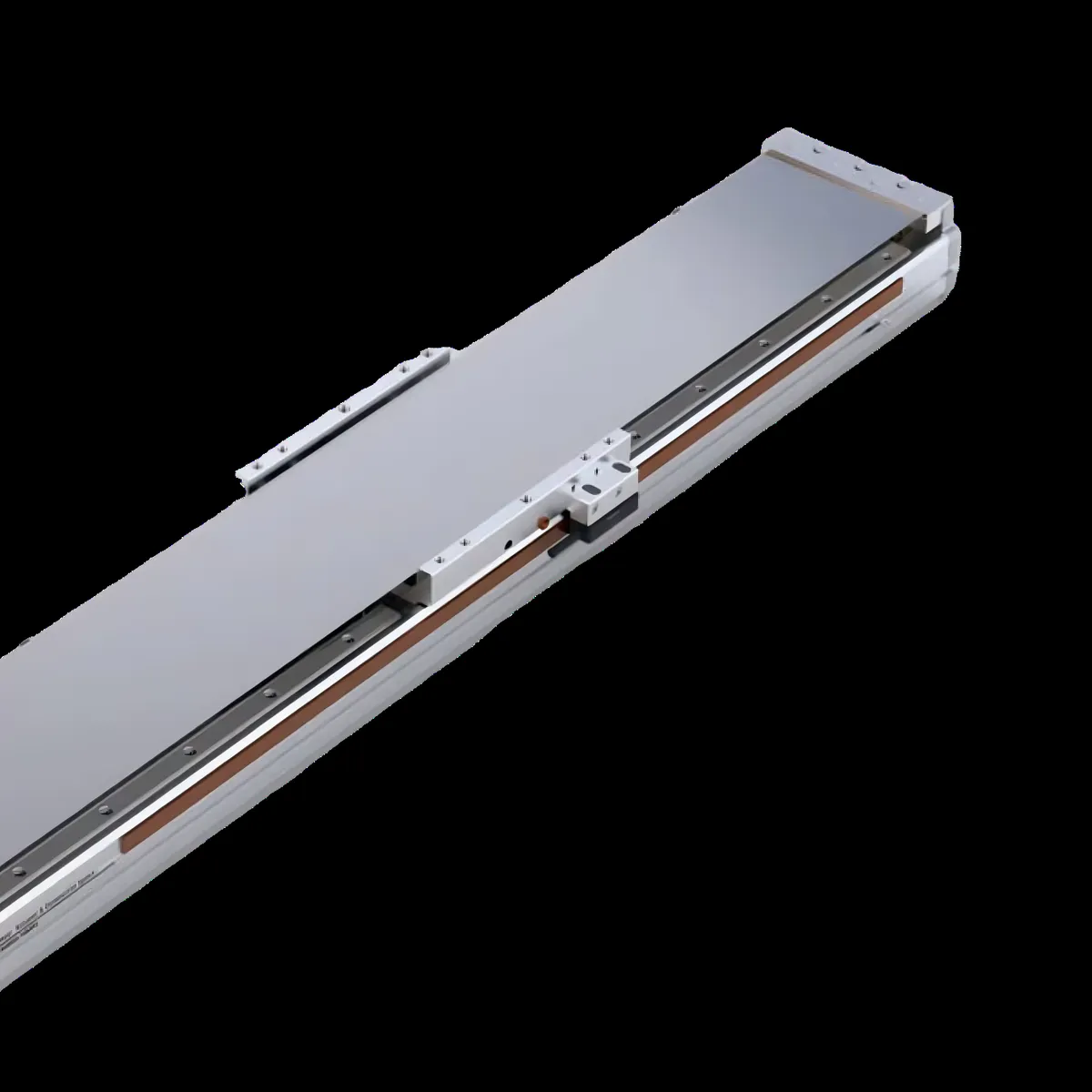
TEBAK LPH14 Four-Groove Built-in Linear Motor
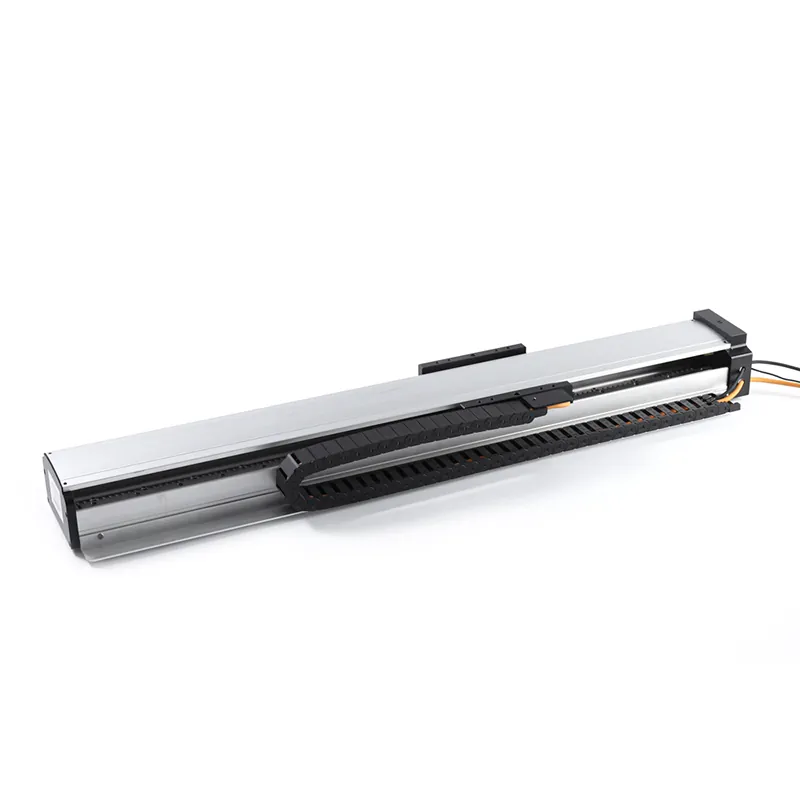
TEBAK Linear Module, Stroke 3000mm Direct Drive Linear
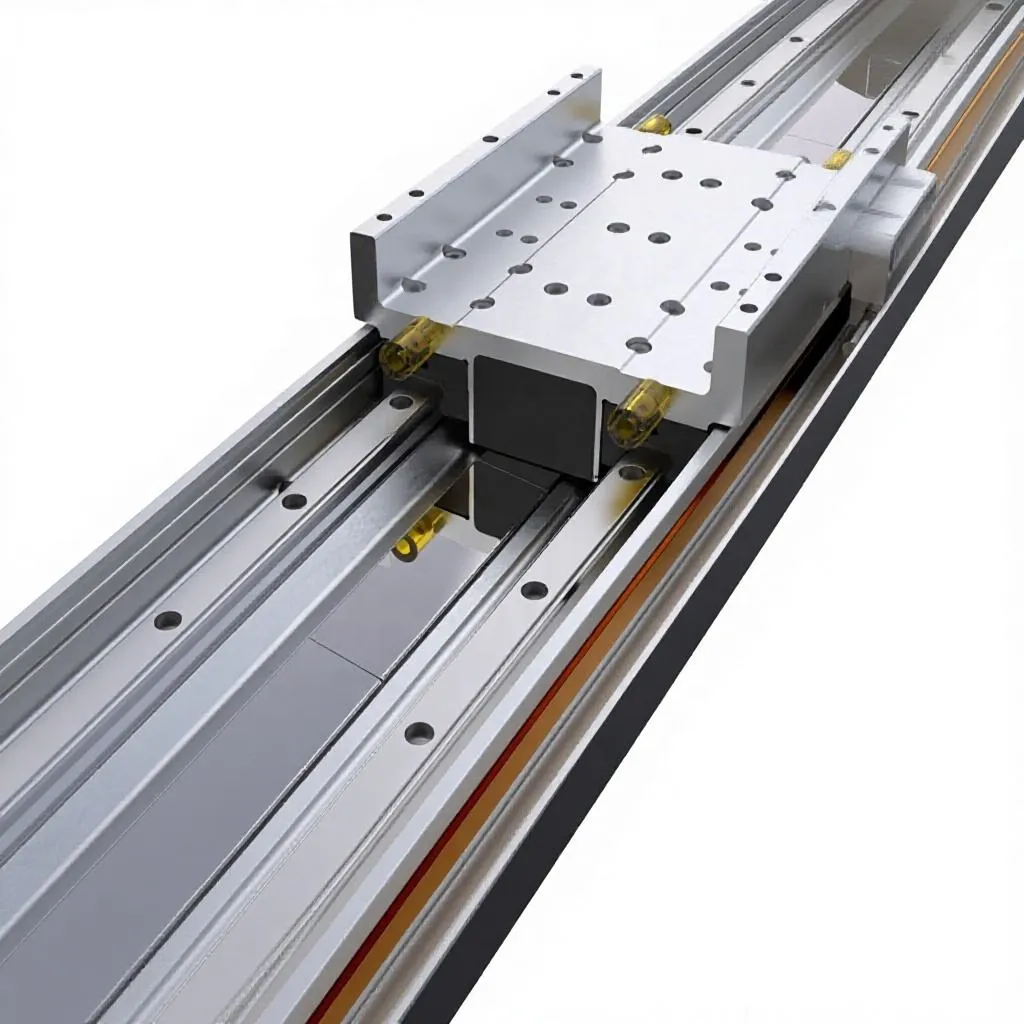
TEBAK Linear Motor for CNC Machine Tools, Direct Drive
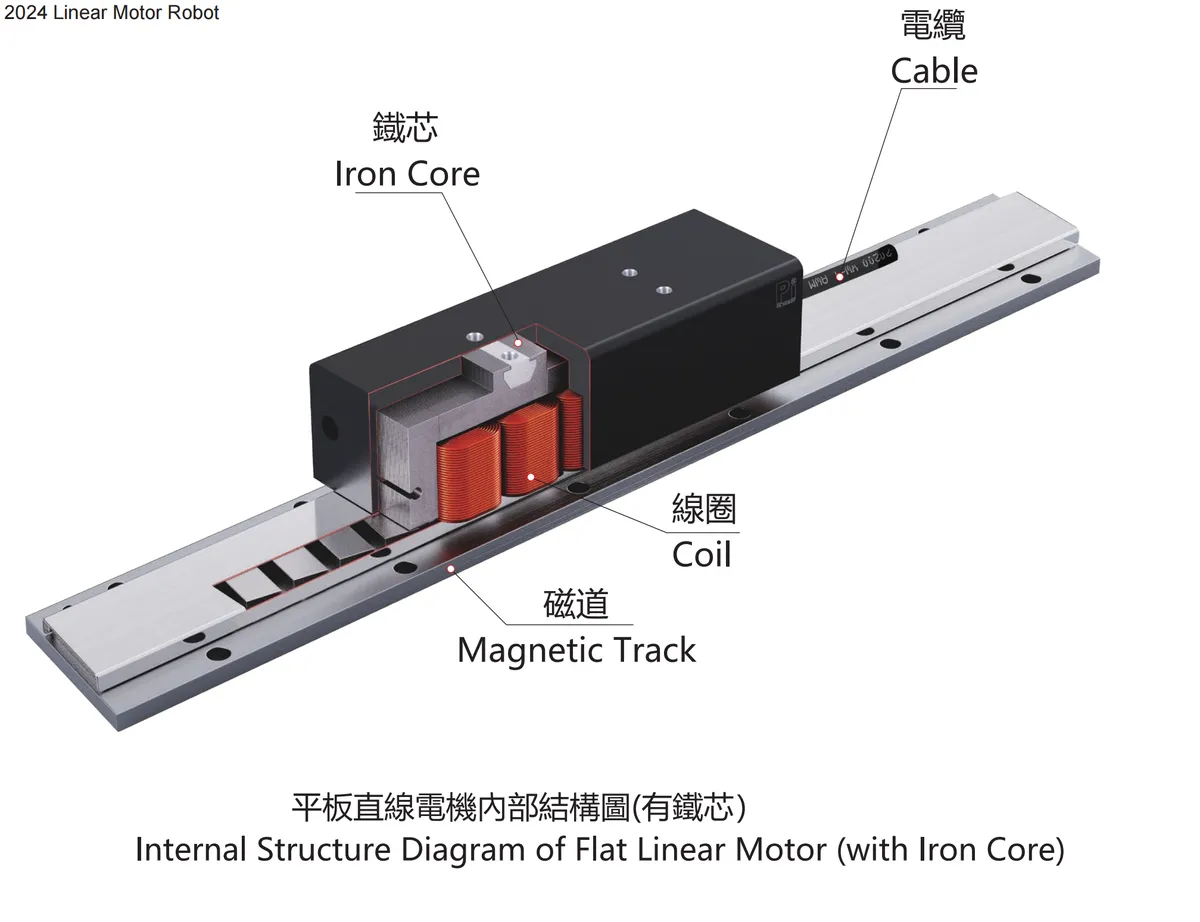
TEBAK P Series Iron Core Flat Linear Motor, Optical
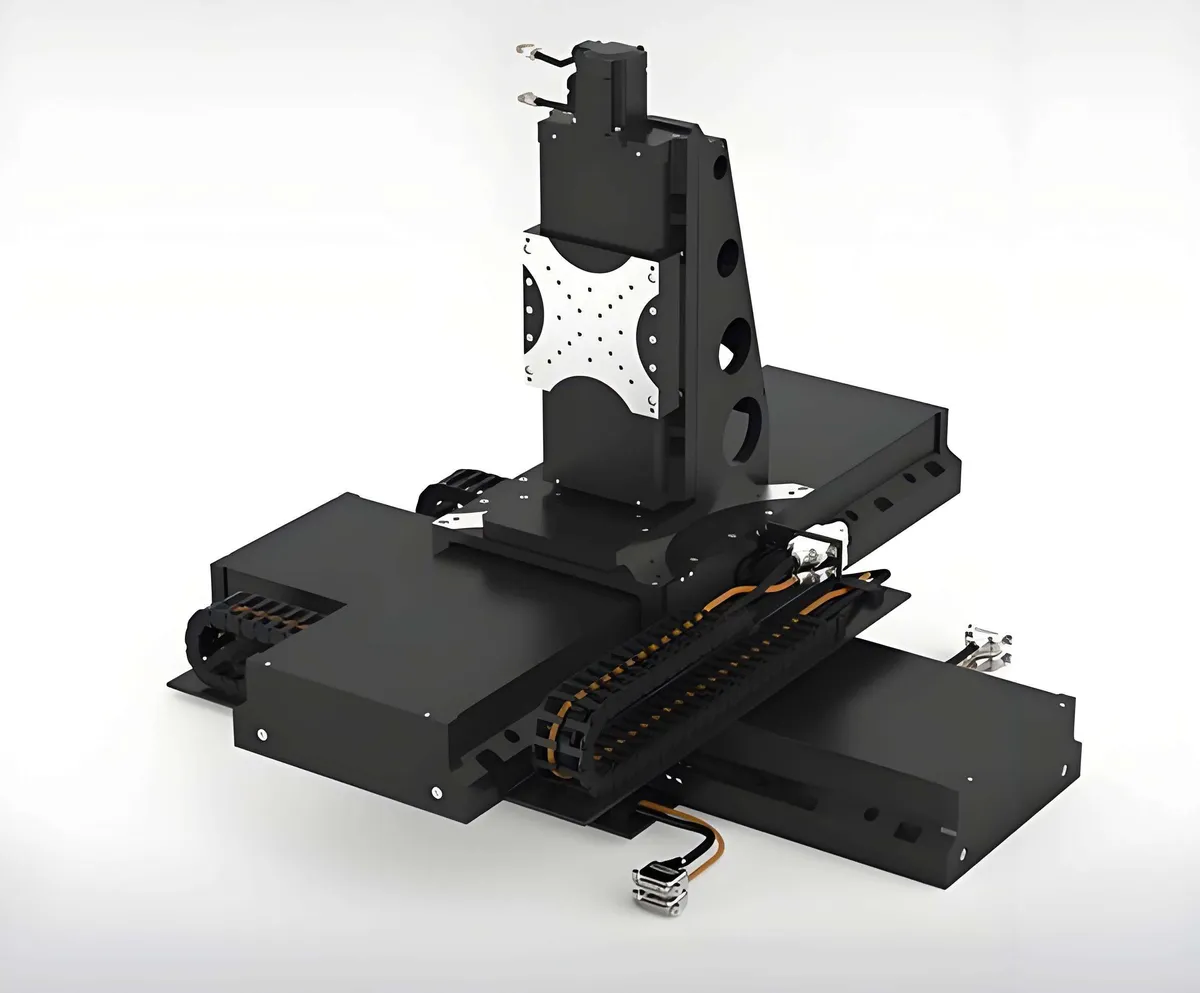
TEBAK Zero Backlash Direct Drive Linear Motor, SMT
Interested in this product?
Send your details and we will respond within 24 hours.