
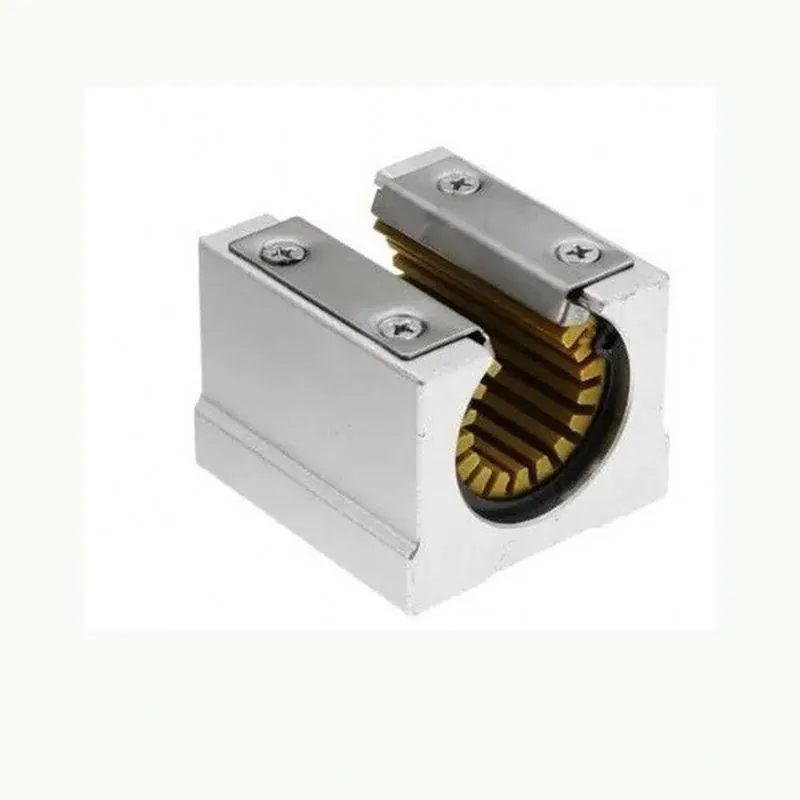
SBR20UU LIN-11GK-20 Linear Bearing Plastic Linear, for linear motion
Request pricing, MOQ and lead time for this product — we reply within 24 hours.
Dimensions and configuration
| Shaft diameter | 20 mm |
|---|
Supply conditions
| Packing | included 1 pcs LIN-11GK-20 (or other models) |
|---|
Values above are the manufacturer's published figures for this series. Anything not listed — dynamic load rating, straightness, preload class — is confirmed against the drawing at RFQ.
Description
Overview
A linear bearing is chosen for the job it does in the axis rather than on its own: the load it carries, the accuracy it has to hold and the way it is mounted decide whether a given size is right. This page sets out those relationships for this range. A linear bearing carries a shaft or a rail on rolling elements, so the moving part travels with low friction and with a clearance that can be set by preload. The bearing takes radial load and, depending on the type, moment load as well; the housing that holds it decides how much of that moment reaches the bearing itself.
Key Features
· Model: LIN-11GK-10 LIN-11GK-12 LIN-11GK-16 LIN-11GK-20 LIN-11GK-25 LIN-11GK-30 LIN-11GK-40 LIN-11GK-50
· Package included: 1 pcs LIN-11GK-20 (or other models) Note:Please leave a message or contact us directly if you need other lengt
· Supplied as a replacement part or as a production item for machine builders
· Material, tolerance and surface treatment confirmed against the drawing
Specifications
The parameter table above lists the values published for this item. Where a value depends on the machine it is going into, the drawing or the RFQ fixes it, and we confirm before production rather than after.
Application
Bearing selection is driven by the load per bearing, the shaft or rail diameter, the required accuracy and the environment. Preload removes play but raises friction; a sealed bearing keeps debris out but adds drag; and the housing tolerance decides whether the bearing runs true or is pinched.
The three things that shorten the life of a part like this are contamination, misalignment and overload. Keep the working surfaces covered during assembly, align to the datum that the machine was built from, and keep the load inside the rating with a margin for the peaks that occur when an axis starts, stops or jams.
Where it is used: linear motion axes, guide rod assemblies, 3D printers and small CNC machines, packaging and labelling equipment, medical and laboratory instruments, door and gate mechanisms.
The practical way to compare is to list what the axis needs, then check each candidate against that list: the load with its peaks, the accuracy the finished part must hold, the space available, the environment, and the maintenance the customer will actually do. A part that is right on the first four and wrong on the last will not perform, because a machine that is not maintained loses accuracy whatever it was built from.
Installation & Maintenance
The number in the catalogue is a single value, but the load in a real axis is a combination: a vertical component from gravity, a horizontal one from acceleration, and a moment from the offset between the load and the support. All three reach the part at once, so a size chosen only on the vertical load can be marginal once the carriage accelerates with the load at the outer end of its travel.
Temperature deserves a thought on any axis that runs for hours. A part that is clamped between two rigid structures and then warms up has nowhere to expand, so the geometry changes and the load goes up. Where that is likely, one end of the assembly is normally left free to move, and the part is mounted so that the movement does not affect the alignment of the axis.
Maintenance is inspection rather than servicing. Check for a change in the sound of the axis, for marks that show load concentrated in one place, and for any movement that was not there when the machine was built. Recording the condition at commissioning gives a baseline to compare against later.
For a quotation, send the size, the quantity, the accuracy or grade required and a drawing or photograph of the mounting interface. Where the part has to match an existing machine, the dimensions of the old part and the distance between its mounting holes are the two measurements that avoid a mismatch.
Package & Lead Time
Standard export packing: each part is sleeved and cartoned, screws and rails are protected along their length, and larger assemblies travel crated. Lead time is confirmed with the quotation: standard sizes normally ship within 5 to 15 days of a confirmed drawing, custom parts against the agreed schedule. Minimum order is one piece, and sample orders are accepted before a production run.
Request a Quote
Send the model number or the drawing, with the shaft or rail size and the quantity you need, and we will reply with a quotation. For non-standard lengths, bore pairs, keyways and material changes we work from your drawing; bulk orders are quoted per quantity band and a sample can be supplied for approval.
Related components
Detail images
Related products
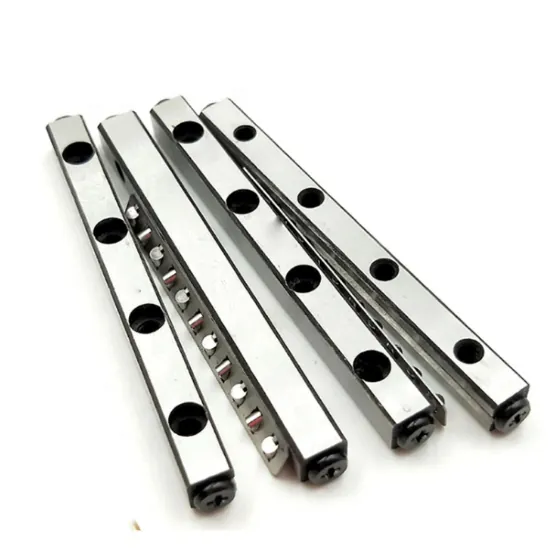
TEBAK Precision VR18 Linear Guide, grade C,H,P,SP,UP
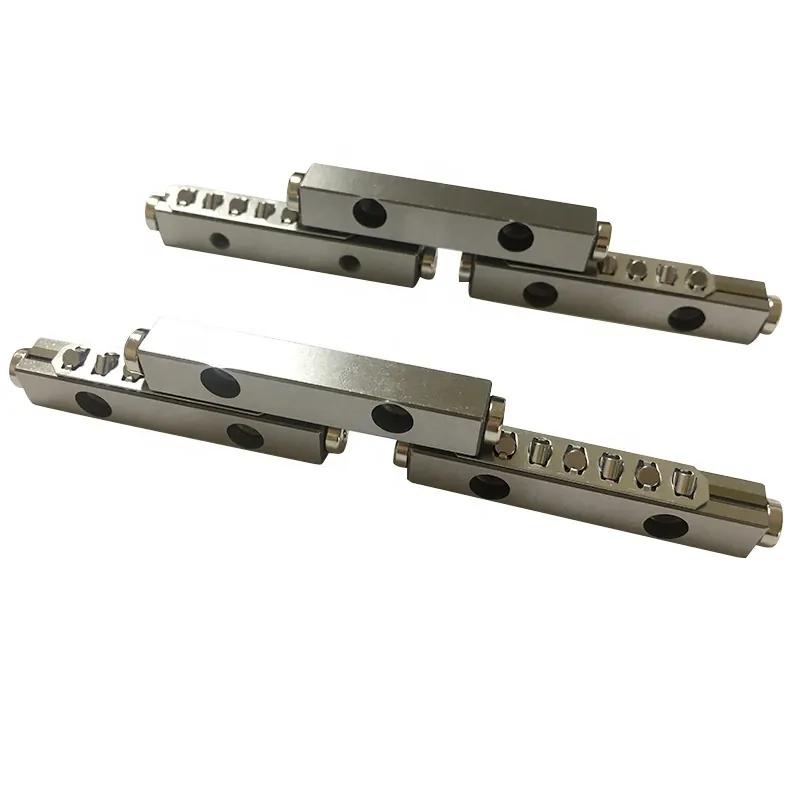
TEBAK Precision VR15 Linear Guide Bearing
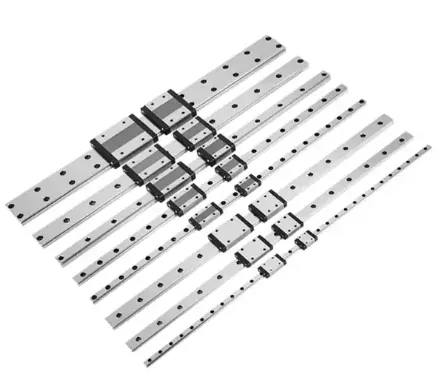
TEBAK Miniature MGN7–MGN9 Linear Guide Bearing
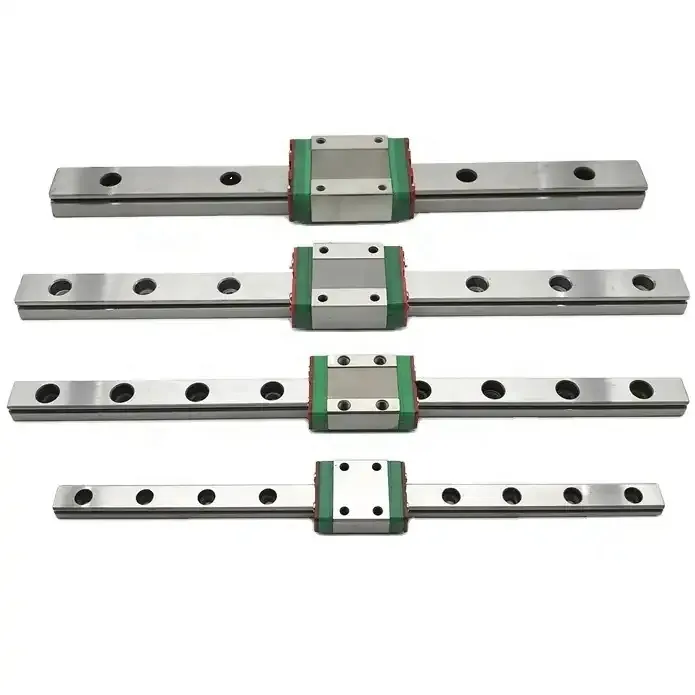
TEBAK Miniature MGN5–MGN15 Linear Guide 5 mm
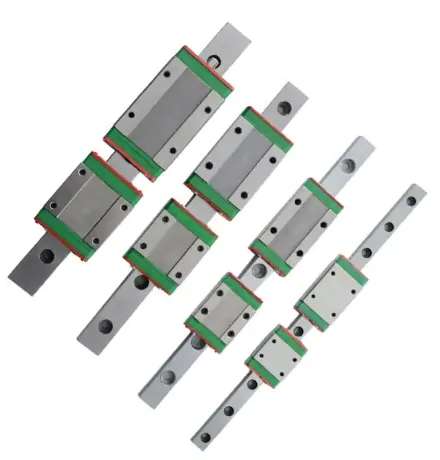
TEBAK Miniature MGN12–MGW12 Linear Guide 12 mm
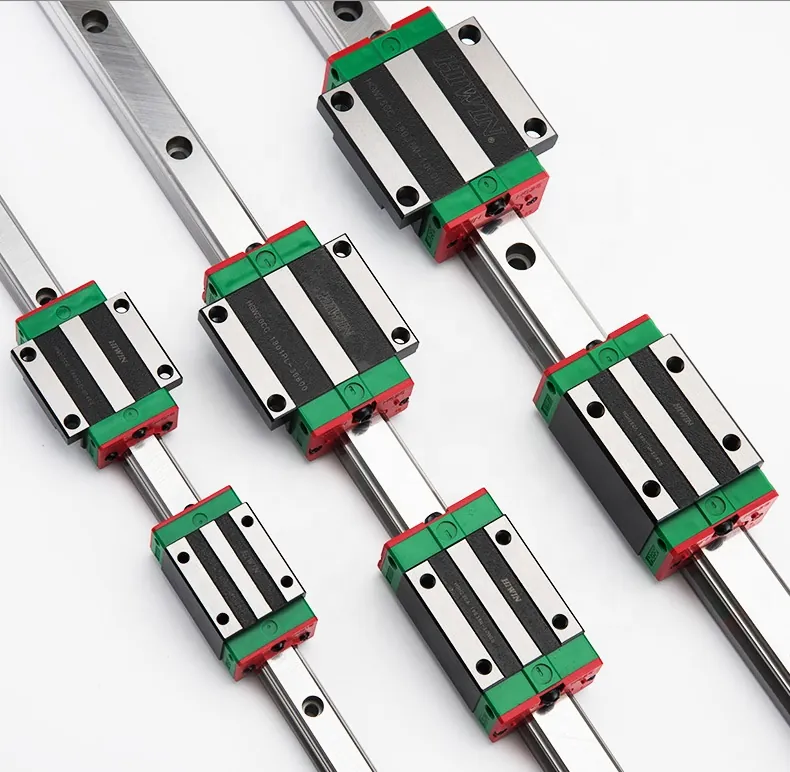
TEBAK Heavy Load HGR20–HGW20CA Linear Guide 20 mm
Interested in this product?
Send your details and we will respond within 24 hours.