
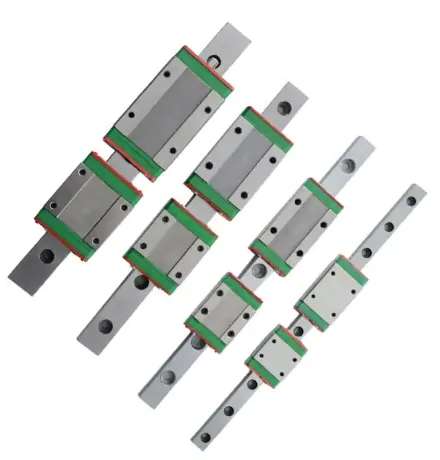
Miniature MGN12–MGW12 Linear Guide 12 mm, for industrial use
Request pricing, MOQ and lead time for this product — we reply within 24 hours.
Dimensions and configuration
| Rail width | 12 mm |
|---|
Material and surface treatment
| Material | Bearing steel,SUS440C |
|---|
Supply conditions
| Lead time | 5~15 days |
|---|---|
| Packing | Carton+Plastic bag + Wooden box or according to customers' demands |
| Certification | Confirm at RFQ |
| Warranty | 1.5 year |
| Place of origin | Jiangsu, China |
Values above are the manufacturer's published figures for this series. Anything not listed — dynamic load rating, straightness, preload class — is confirmed against the drawing at RFQ.
Available models (5)
This part is supplied in the following model and size combinations. State the model on your RFQ and we quote that variant.
| Model | Configuration |
|---|---|
| MGN12, MGN12C | Miniature MGN12 MGN12C Linear Guide, length 600 mm |
| MGN12, MGN12H | Stainless MGN12 MGN12H Linear Guide |
| MGN12, MGN12H | Stainless MGN12 MGN12H Linear Guide 12 mm |
| MGN12C | Miniature MGN12C Linear Guide 12 mm |
Description
Overview
This linear guide rail is a production part for machine builders, supplied to the dimensions in the table and used wherever an axis has to move or hold with a predictable result. The description below explains what the part does, what has to be decided before ordering, and where it is normally used. A linear guide carries a load on rolling elements that run between a rail and one or more bearing blocks, so the load moves along the rail with very little friction and without the stick slip of a sliding way. The rail is bolted to the machine bed and the block to the moving part, and the pair sets the straightness of the axis as well as its load capacity.
Key Features
· Warranty: 1.5 year
· Weight (kg): 0.8
· Video outgoing-inspection: Provided
· Machinery test report: Provided
· Core components: Motor
· Material: Bearing steel,SUS440C
· Supplied as a replacement part or as a production item for machine builders
· Material, tolerance and surface treatment confirmed against the drawing
Specifications
The parameter table above lists the values published for this item. Where a value depends on the machine it is going into, the drawing or the RFQ fixes it, and we confirm before production rather than after.
Application
Model designation: MGN12, MGW12. Rail material: Bearing steel, SUS440C.
Selection starts from the load on each block, the distance between blocks, and the overhang of the moving mass, because those three decide the moment load that the block has to carry. Accuracy grade, preload class and the parallelism of the two rails then set how the axis behaves under a changing load.
Fitting is a sequence rather than a single action: prepare the mounting face, place the part without forcing it, bring the fasteners up evenly, and check the result before moving on. Where two parts have to be parallel or in line, indicate one against the other rather than trusting the machined faces alone, because stacked tolerances are what turn a good part into an inaccurate axis.
Where it is used: machine tool axes, gantry structures, automation and pick and place units, measuring stages, printing and packaging machines, woodworking equipment.
Installation & Maintenance
The practical way to compare is to list what the axis needs, then check each candidate against that list: the load with its peaks, the accuracy the finished part must hold, the space available, the environment, and the maintenance the customer will actually do. A part that is right on the first four and wrong on the last will not perform, because a machine that is not maintained loses accuracy whatever it was built from.
The number in the catalogue is a single value, but the load in a real axis is a combination: a vertical component from gravity, a horizontal one from acceleration, and a moment from the offset between the load and the support. All three reach the part at once, so a size chosen only on the vertical load can be marginal once the carriage accelerates with the load at the outer end of its travel.
Temperature deserves a thought on any axis that runs for hours. A part that is clamped between two rigid structures and then warms up has nowhere to expand, so the geometry changes and the load goes up. Where that is likely, one end of the assembly is normally left free to move, and the part is mounted so that the movement does not affect the alignment of the axis.
Look for the signs that matter on this class of part: a polished band where the load concentrates, a burr at an edge that has been hit, corrosion on a bearing surface, and any lost motion that has appeared since installation. Each of these points to a cause in the machine rather than a fault in the part.
For a quotation, send the size, the quantity, the accuracy or grade required and a drawing or photograph of the mounting interface. Where the part has to match an existing machine, the dimensions of the old part and the distance between its mounting holes are the two measurements that avoid a mismatch.
Package & Lead Time
Standard export packing: each part is sleeved and cartoned, screws and rails are protected along their length, and larger assemblies travel crated. Lead time is confirmed with the quotation: standard sizes normally ship within 5 to 15 days of a confirmed drawing, custom parts against the agreed schedule. Minimum order is one piece, and sample orders are accepted before a production run.
Request a Quote
Send the model number or the drawing, with the shaft or rail size and the quantity you need, and we will reply with a quotation. For non-standard lengths, bore pairs, keyways and material changes we work from your drawing; bulk orders are quoted per quantity band and a sample can be supplied for approval.
Related components
Detail images
Questions buyers ask about this item
What rail width does this profile rail use?
12 mm
What material is it made from?
Bearing steel,SUS440C
What is the lead time?
5~15 days
Related products
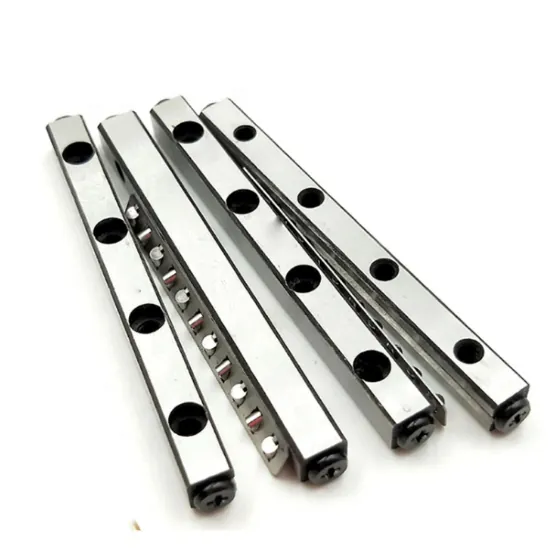
TEBAK Precision VR18 Linear Guide, grade C,H,P,SP,UP
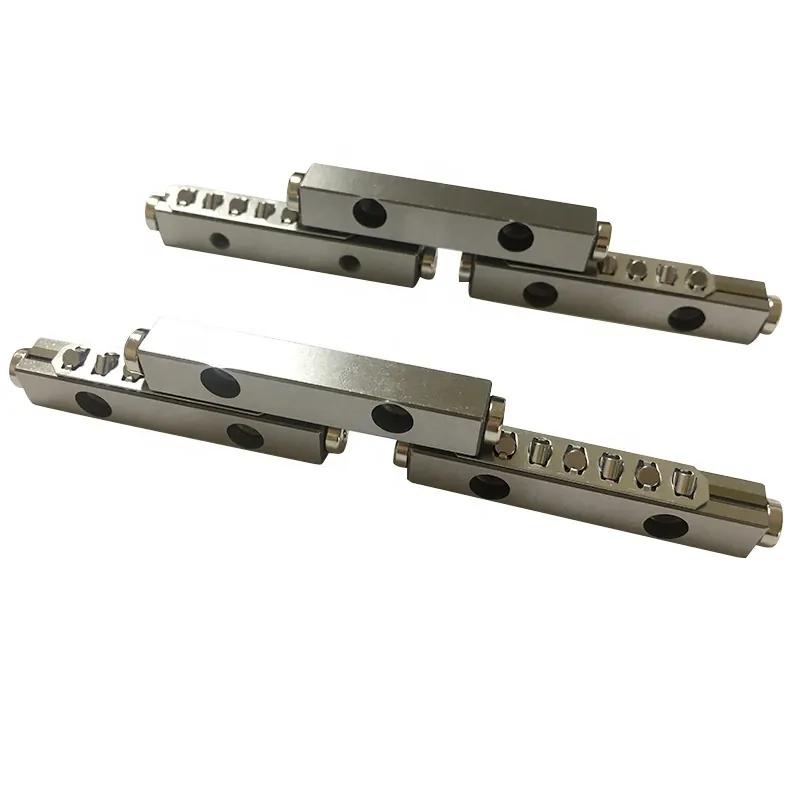
TEBAK Precision VR15 Linear Guide Bearing
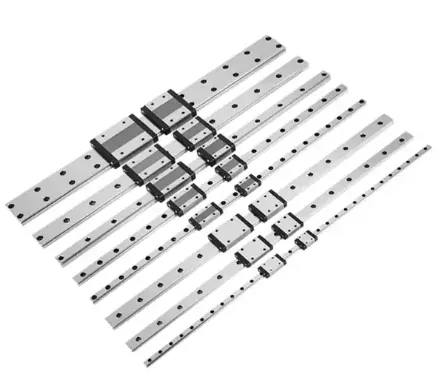
TEBAK Miniature MGN7–MGN9 Linear Guide Bearing
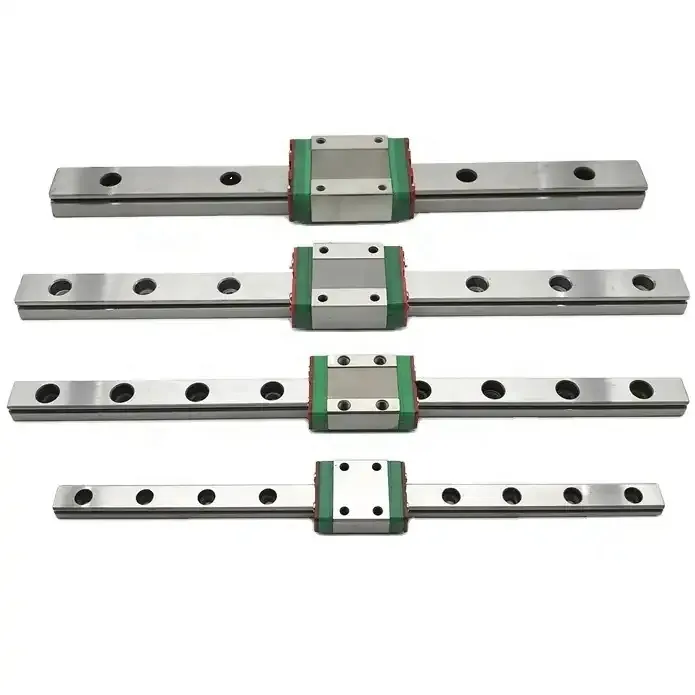
TEBAK Miniature MGN5–MGN15 Linear Guide 5 mm
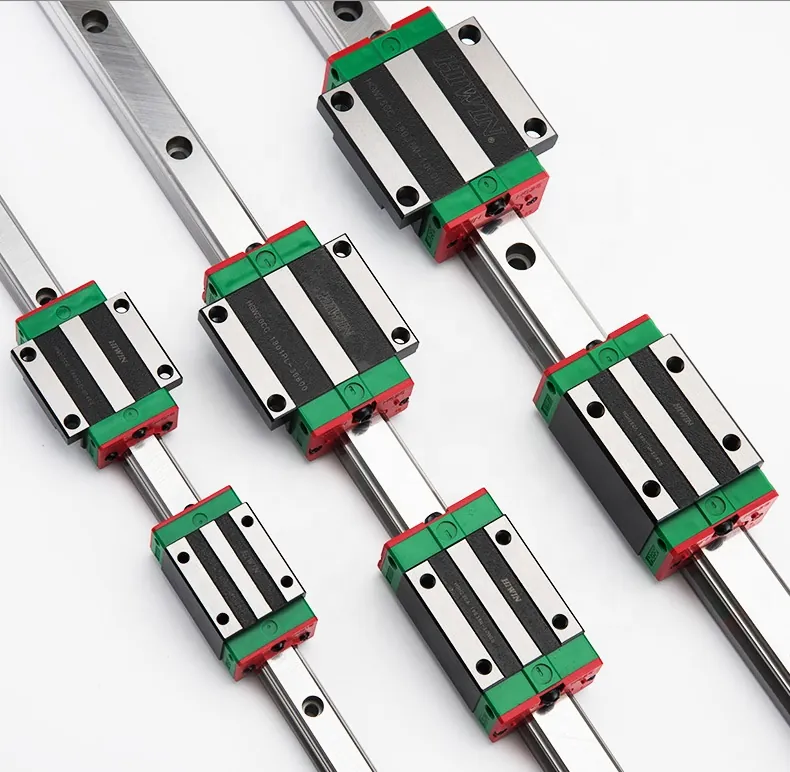
TEBAK Heavy Load HGR20–HGW20CA Linear Guide 20 mm
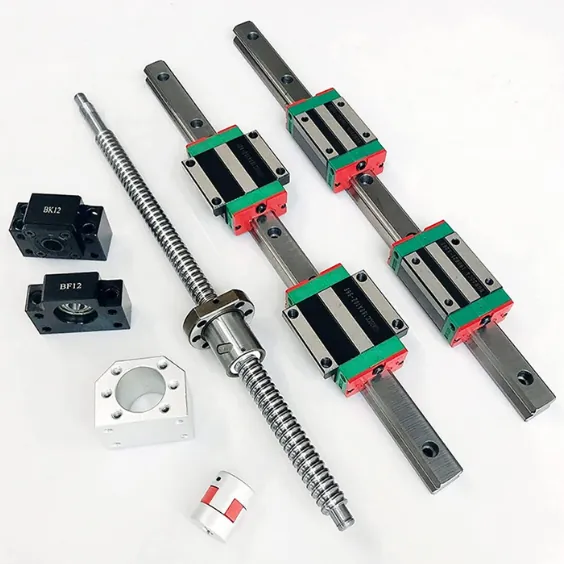
TEBAK HGR15 HGH15CA Linear Guide 15 mm
Interested in this product?
Send your details and we will respond within 24 hours.