
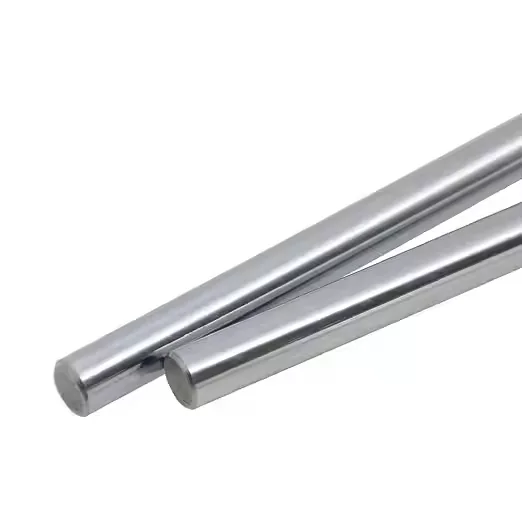
Stainless Steel Linear Shaft, 304, Ground and Polished
Request pricing, MOQ and lead time for this product — we reply within 24 hours.
Material and finish
| Material | 304 stainless steel; 316 available for chloride exposure |
|---|---|
| Surface | Ground and polished, no plating |
| Corrosion | Suits washdown, coolant and humid rooms |
| Straightness | Confirmed against the drawing for the length ordered |
Supply conditions
| Diameter range | 6 mm to 150 mm |
|---|---|
| Length | 100 to 4000 mm, cut to order |
| End machining | Thread, step, tap, chamfer to drawing |
| Lead time | Confirmed at quotation |
Values above are the manufacturer's published figures for this series. Anything not listed — dynamic load rating, straightness, preload class — is confirmed against the drawing at RFQ.
Description
Overview
A stainless linear shaft does the same job as a chrome plated one, with one difference that decides most of the applications: there is no coating to breach. Chrome plating protects a carbon steel core, so a scratch, a ding or a worn patch exposes steel that will rust, and in a washdown or coolant-heavy machine that rust becomes the failure. A 304 shaft is stainless through its section, so surface damage changes the finish but does not start a corrosion cell.
That makes it the usual choice for food and pharmaceutical equipment, medical and laboratory stages, wet machining, plating lines, and anywhere the machine is cleaned with water or chemicals rather than wiped down.
Key Features
· 304 stainless steel as standard, 316 available where chlorides are present
· Ground and polished, with no plating to chip or flake
· Diameters from 6 mm to 150 mm cover light stages up to heavy transfer axes
· Cut to length from 100 mm to 4000 mm
· Ends machined to drawing: turned, threaded, tapped, or stepped for a support block
· Suits washdown, coolant, humid rooms and food-contact areas
Specifications
The parameter table above lists the published values for this item. Grade, diameter, length and end detail are confirmed on the drawing that accompanies the quotation; where the cleaning chemicals or the load make the grade a question, we confirm the choice before production rather than shipping 304 into a chloride environment and finding out afterwards.
Application
Stainless shafts are used on food packing and filling lines, laboratory and medical positioning stages, semiconductor wet benches, plating and anodising lines, water treatment equipment, and outdoor or unheated machines where condensation forms. On machine tools they appear where coolant floods the axis and the chrome shafts on the same machine keep failing.
They are also the practical answer for equipment that must pass a hygiene inspection: a shaft with no coating has no coating to fail, and it can be cleaned with the same agents as the stainless frame around it.
Installation & Maintenance
Stainless is softer than a hardened carbon shaft, so treat the running surface as a wear part and keep grit away from it: a chip trapped under a bushing will score stainless faster than it scores hardened steel. Use stainless or non-metallic fasteners where the mounting blocks are also stainless, to avoid galvanic marking, and check the shaft for pick-up whenever the bushing is replaced.
Clean with the agents the plant already uses, rinse and dry rather than leaving chemical residue on the surface, and store shafts horizontally on a clean support so they do not pick up marks before installation.
Package & Lead Time
Shafts are sleeved individually, cartoned, and long lengths ship in a wooden case. Lead time is confirmed at quotation: standard diameters normally leave within 5 to 15 days of a confirmed drawing, and machined ends follow the agreed schedule. Minimum order is one piece, and samples can be supplied for approval.
Request a Quote
Send the grade, the diameter, the length, the end detail and the environment the shaft works in. If chlorides or strong sanitisers are involved, say so and we will quote 316 alongside 304 so the choice is made on the drawing instead of after the first rust spot.
Related components
Detail images
Questions buyers ask about this item
When should I use a stainless shaft instead of a chrome plated one?
When the shaft will see water, washdown chemicals, food contact or a humid room. Chrome plating protects a carbon steel core, but a scratch that reaches the steel becomes a rust point; stainless is the same material all the way through, so damage does not start a corrosion cell.
Is 304 hard enough to run a bearing on?
It is softer than a hardened carbon shaft, which is why stainless is chosen for corrosion resistance and lighter loads rather than for heavy preloaded carriages. Tell us the load and the duty cycle and we will say whether 304, 316 or a hardened alternative is the right choice for the axis.
Will it rust in a food plant washdown?
304 handles normal washdown; chloride-based sanitisers and salt are the case where 316 is specified instead. Give us the cleaning agents used and we will confirm the grade.
Can the shaft be supplied with a machined end for a support block?
Yes, ends can be turned, threaded and tapped to take SK or SHF supports, or to fit an existing bearing housing on the machine.
Related products
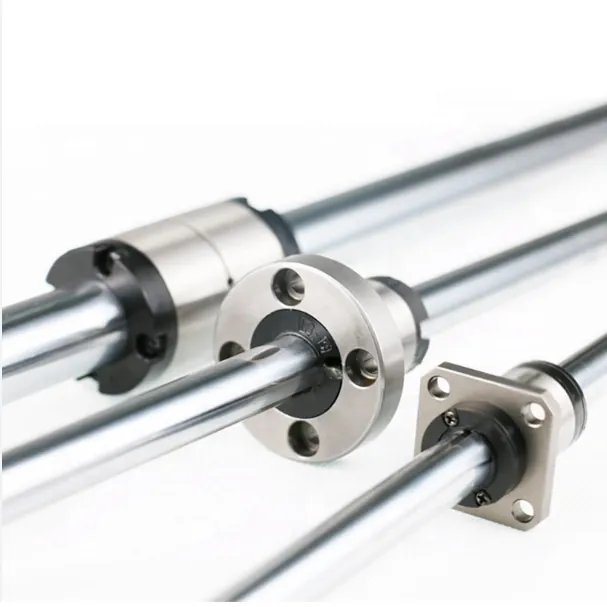
TEBAK Ball Spline, High Speed 10mm 13mm 16mm 20mm 25mm
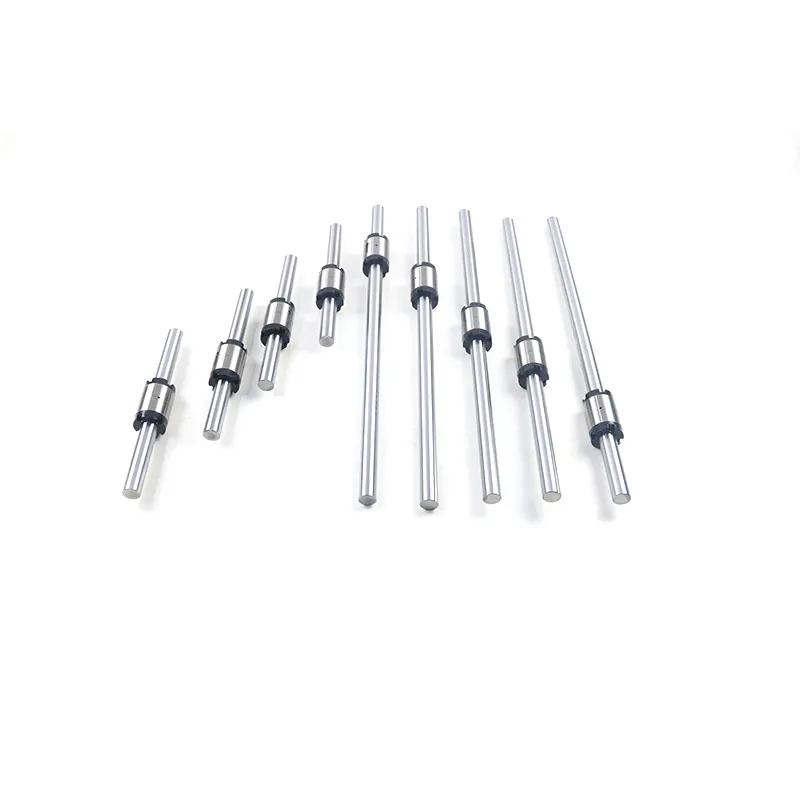
TEBAK Precision SLT008–SLT016 Ball Spline, grade N,H,P
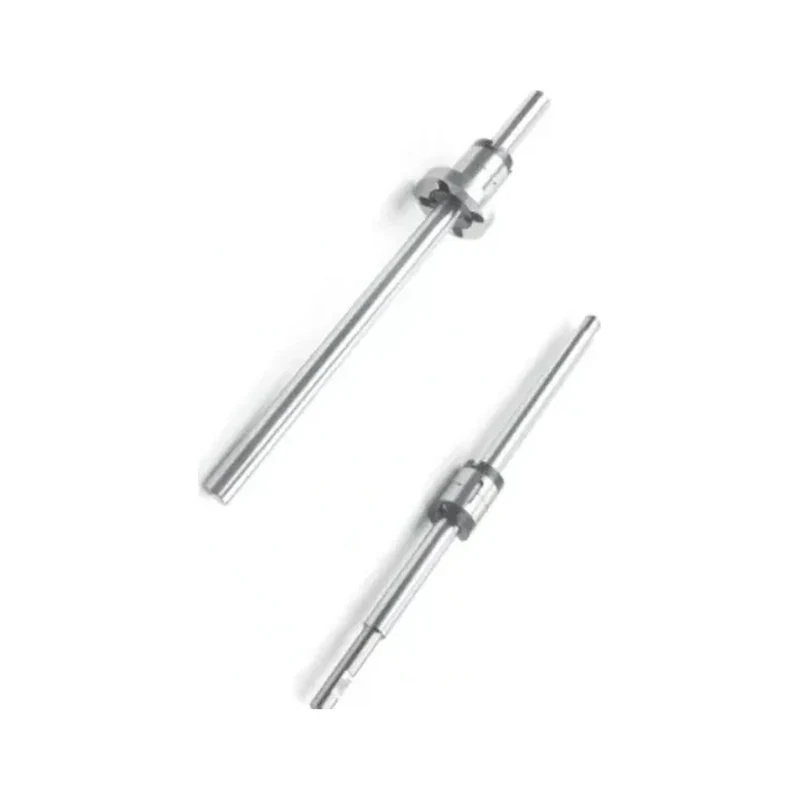
TEBAK Diameter 8mm 10mm 13mm 16mm Solid /hollow Custom
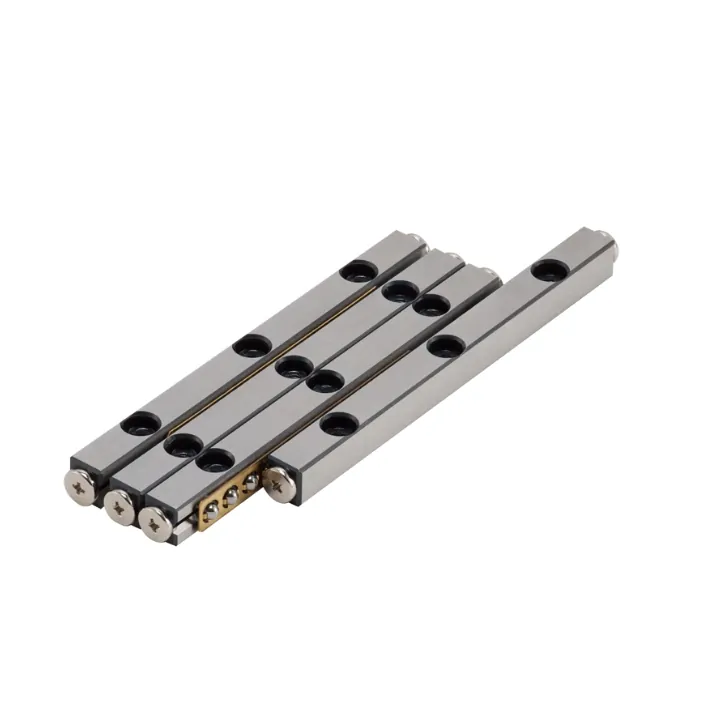
TEBAK Micron or Nanometer-level Positioning, grade H,P,SP
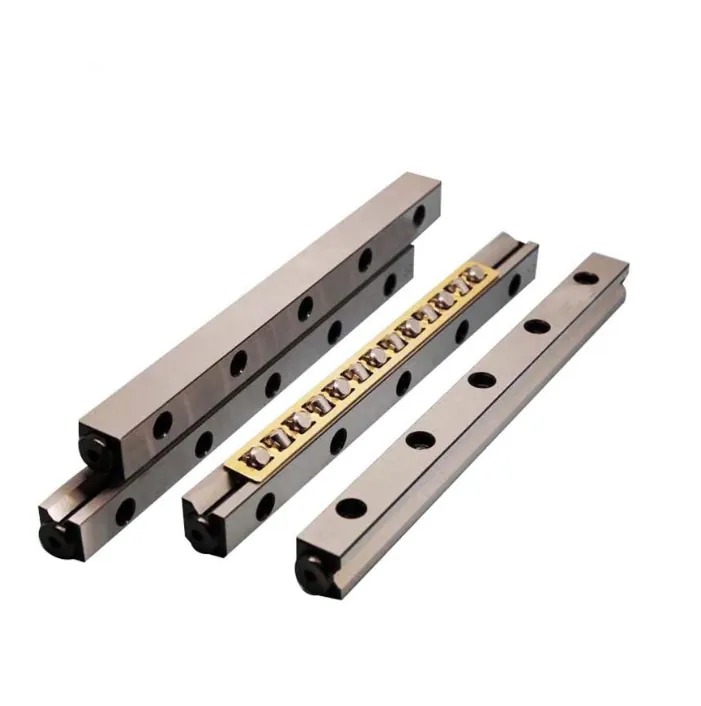
TEBAK Roller Linear Bearings VR1-20 VR2-30 VR3-50
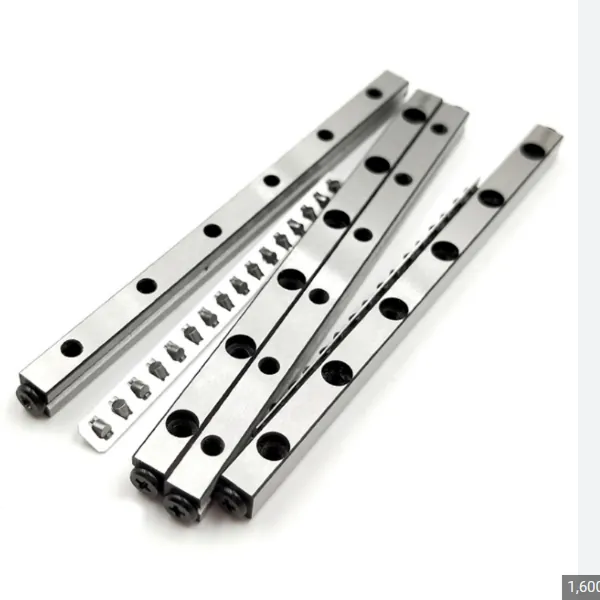
TEBAK Smooth Motion Precision Cross Roller Guides VR4
Interested in this product?
Send your details and we will respond within 24 hours.