
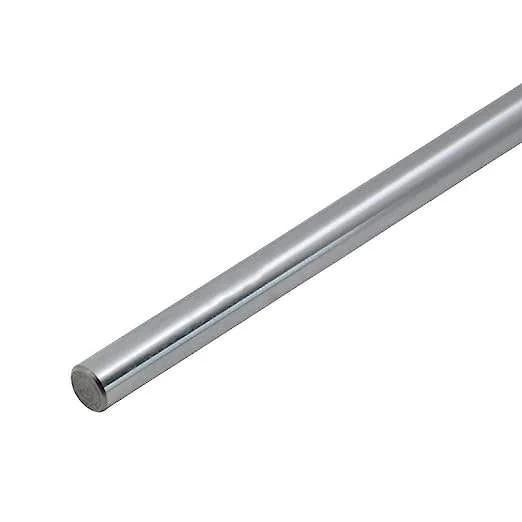
Chrome Plated Linear Shaft, S45C, Induction Hardened
Request pricing, MOQ and lead time for this product — we reply within 24 hours.
Material and finish
| Base material | S45C / 45# carbon steel, GCr15 on request |
|---|---|
| Hardening | Induction hardened, depth confirmed on drawing |
| Coating | Hard chrome, ground after plating |
| Straightness | Confirmed against the drawing for the length ordered |
Supply conditions
| Length | 100 to 4000 mm, cut to order; longer on request |
|---|---|
| End machining | Thread, step, tap, keyway, chamfer to drawing |
| Packing | Sleeved per shaft, carton, wooden case for long lengths |
| Lead time | Confirmed at quotation |
Values above are the manufacturer's published figures for this series. Anything not listed — dynamic load rating, straightness, preload class — is confirmed against the drawing at RFQ.
Description
Overview
This is the shaft most linear axes are built on: a carbon steel bar, induction hardened, ground, hard chrome plated and ground again. The hardening gives the surface the wear resistance a bearing needs; the plating keeps corrosion out and reduces friction; the final grind brings the diameter back to tolerance after plating, which is the step that decides whether the shaft runs true or binds.
The part matters because it is half of a sliding pair. A linear bearing is only as good as the surface it runs on, and a shaft that is soft, out of round or undersized will show up as play in the carriage, noise at speed, and uneven wear on the bearing. Buying the shaft and the bearing as a matched pair, with the diameter tolerance agreed between them, is what keeps an axis repeatable after a rebuild.
Key Features
· S45C / 45# carbon steel base, with GCr15 available where a harder core is needed
· Induction hardened before grinding, so the wear surface is not a thin case
· Hard chrome plated and finish ground after plating
· Diameters from 6 mm to 50 mm in the standard range, other sizes to drawing
· Cut to length from 100 mm to 4000 mm, with end machining included
· Tolerance band chosen to suit the bushing: h6, g6 or f7 on request
Specifications
The parameter table above lists the values published for this item. Where a value depends on the machine it is going into, the drawing or the RFQ fixes it, and we confirm before production rather than after. Hardness depth, straightness over the ordered length and the tolerance band are all stated on the drawing that accompanies the quotation, so the shaft can be inspected against a number instead of a description.
Application
Chrome plated shafts carry linear bushings and open-type bearing blocks on routers, laser cutters, plasma tables, pick-and-place heads, packaging machines, measuring stages and general transfer equipment. They are also the guide surface under a supported rail where the load is light enough that a plain round shaft is enough.
In repair work the shaft is usually replaced because the old one is worn oval under the bushing, pitted from coolant, or bent from a crash. In new builds it is specified together with the bushing so that the clearance is designed rather than discovered during assembly.
Installation & Maintenance
Support the shaft over its whole length rather than at the ends alone; an unsupported span bends under load and the bend is what the carriage feels. Check that the mounting faces are flat and clean before the shaft goes down, bring the fasteners up evenly, and confirm the shaft is parallel to the drive before tightening the bearing housing. A shaft that is bolted down twisted will bind at one end of the stroke and run free at the other.
Keep the running surface lubricated with the grease the bushing maker specifies, wipe chips and coolant off at the end of a shift, and inspect the surface for scoring whenever the machine is serviced. Replacing a scored shaft early is cheaper than replacing the bushing and the shaft together later.
Package & Lead Time
Each shaft is sleeved, cartoned, and long lengths travel in a wooden case so they cannot bow in transit. Threads and machined ends are protected. Lead time is confirmed with the quotation: standard diameters normally ship within 5 to 15 days of a confirmed drawing, and custom end machining follows the agreed schedule. Minimum order is one piece, and a sample can be supplied for approval before a production run.
Request a Quote
Send the diameter, the length, the tolerance you need and the end detail, or simply the drawing. Tell us which bushing or bearing block the shaft will run in and we will confirm the matching tolerance band with the quotation. Bulk orders are quoted per quantity band.
Related components
Detail images
Questions buyers ask about this item
What is the difference between this shaft and a standard chrome rod?
A standard chrome rod is plated for corrosion resistance and sold in fixed lengths. This shaft is induction hardened before grinding, then chrome plated and ground again, so the surface that the bearing runs on keeps its size and its hardness over the stroke.
Which diameter should I choose for a given load?
Diameter is set by the deflection you can accept over the unsupported span, not by the load alone. A long thin shaft bends under the same load that a short thick one ignores, so give us the span and the load and we will confirm the diameter instead of guessing.
Can the ends be machined for my machine?
Yes. Threads, steps, tapped ends, keyways and flats are machined to your drawing, and the shaft arrives ready to mount rather than being reworked on site.
Is the chrome plating decorative or functional?
Functional. On a linear shaft the chrome is the wear surface: it resists abrasion from the bearing and keeps corrosion away from the hardened steel underneath.
Related products
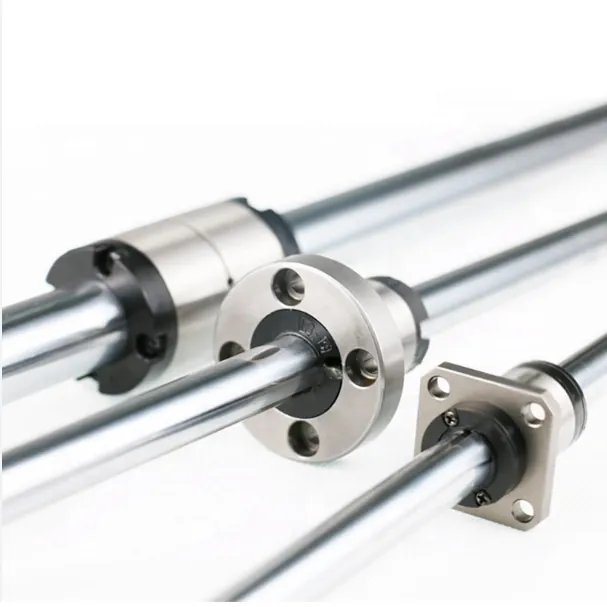
TEBAK Ball Spline, High Speed 10mm 13mm 16mm 20mm 25mm
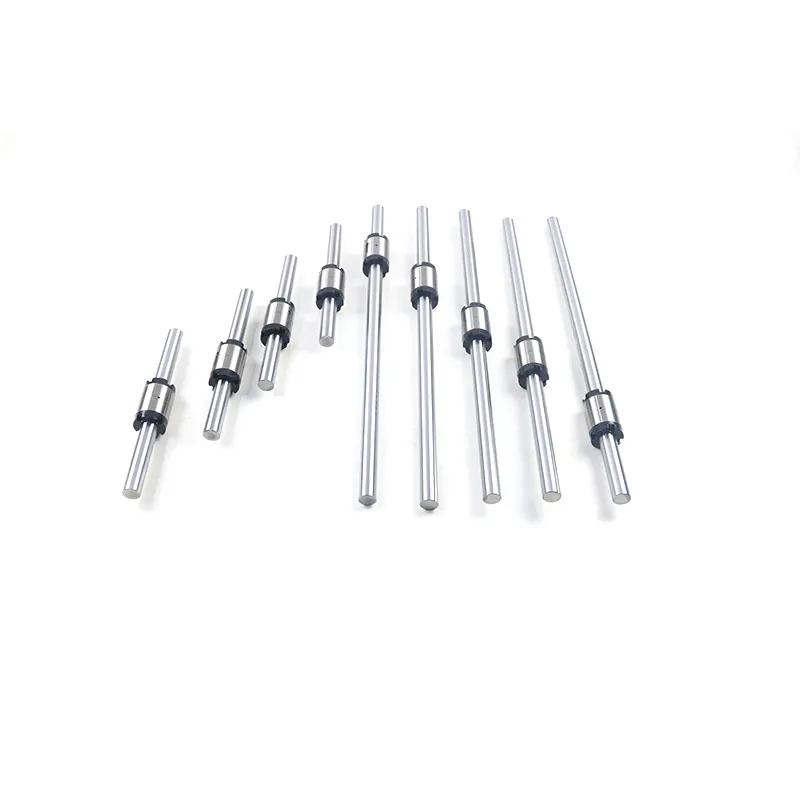
TEBAK Precision SLT008–SLT016 Ball Spline, grade N,H,P
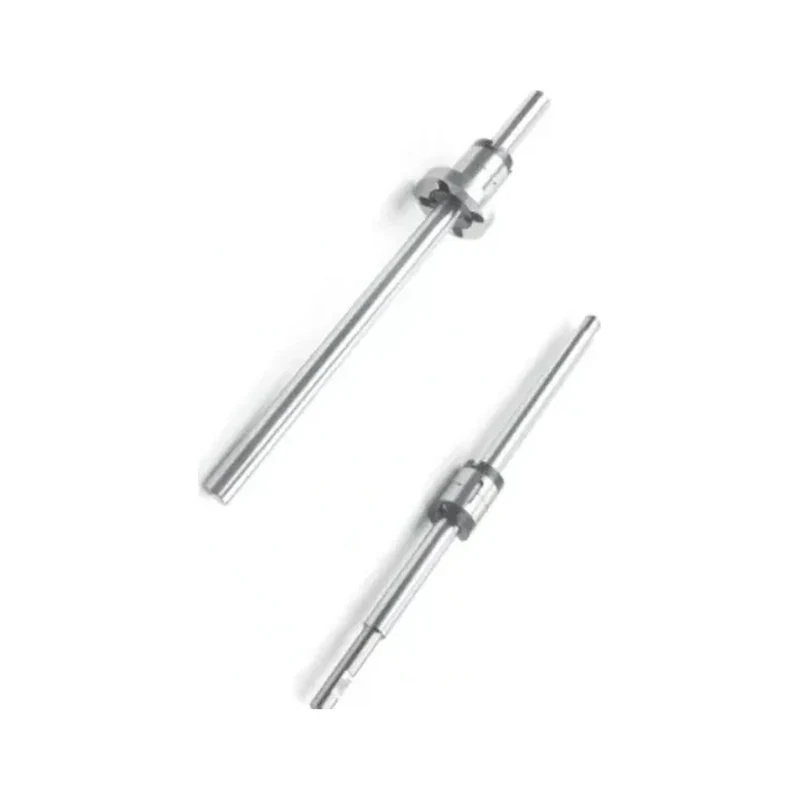
TEBAK Diameter 8mm 10mm 13mm 16mm Solid /hollow Custom
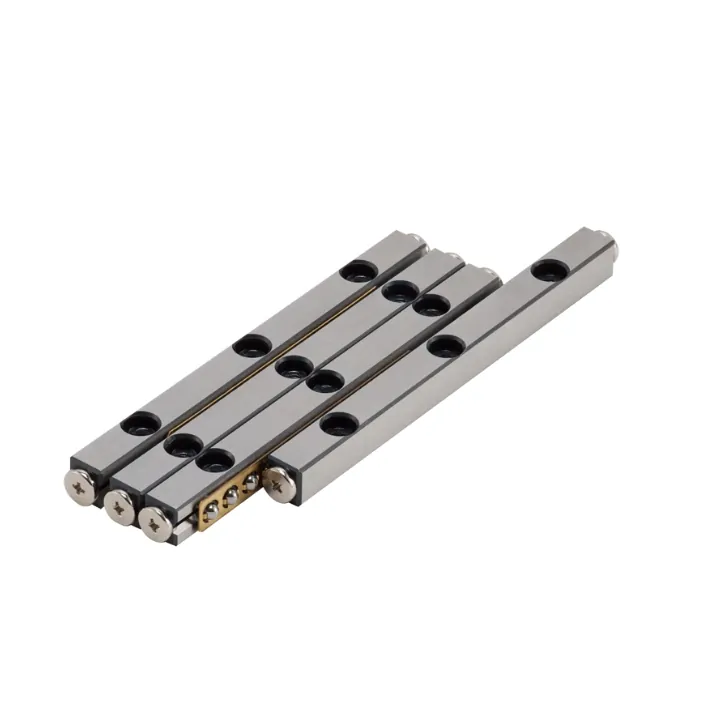
TEBAK Micron or Nanometer-level Positioning, grade H,P,SP
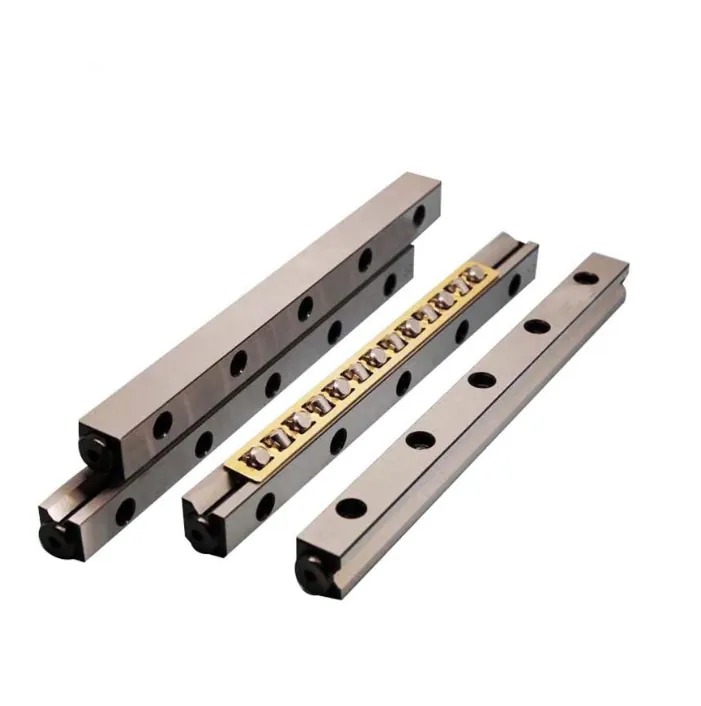
TEBAK Roller Linear Bearings VR1-20 VR2-30 VR3-50
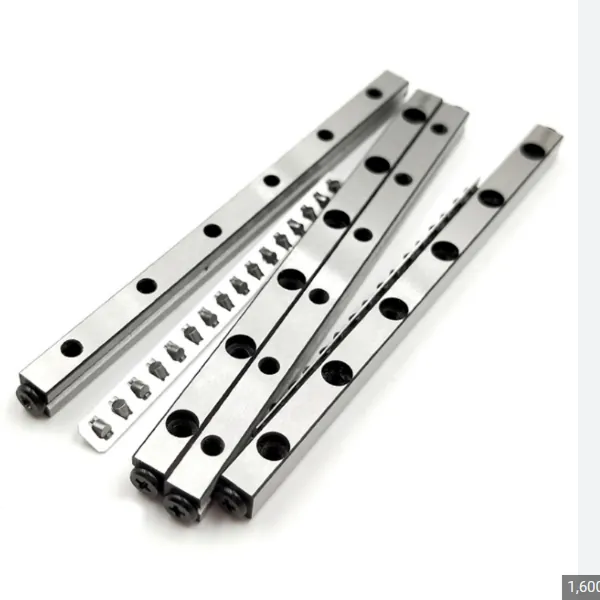
TEBAK Smooth Motion Precision Cross Roller Guides VR4
Interested in this product?
Send your details and we will respond within 24 hours.