
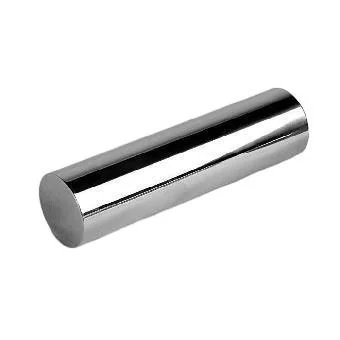
Hollow Chrome Plated Linear Shaft, Lower Inertia
Request pricing, MOQ and lead time for this product — we reply within 24 hours.
Material and finish
| Construction | Seamless or welded tube, machined true |
|---|---|
| Coating | Hard chrome on the running surface |
| Bore | Open or plugged, to drawing |
| Straightness | Confirmed against the drawing |
Supply conditions
| Outer diameter | 10 mm to 60 mm |
|---|---|
| Length | Cut to order |
| End machining | Thread, step, plug, tap to drawing |
| Lead time | Confirmed at quotation |
Values above are the manufacturer's published figures for this series. Anything not listed — dynamic load rating, straightness, preload class — is confirmed against the drawing at RFQ.
Description
Overview
A hollow shaft is chosen for mass, not for strength. On a moving axis the shaft itself travels, so every gram in it is accelerated and stopped on every stroke; removing the core of the shaft cuts that mass while the outside diameter, which is what sets bending stiffness, stays the same. The result is an axis that can accelerate harder, settle sooner and draw less current from the motor for the same move.
The outside is chrome plated and ground, so the bushing or bearing block runs on the same kind of surface it would see on a solid chrome shaft. The difference is inside.
Key Features
· Outer diameter from 10 mm to 60 mm, with the wall set against the load and the span
· Hard chrome plated and ground on the running surface
· Markedly lower moving mass than a solid shaft of the same diameter
· Bore usable for a rod, a cable or a coolant line, or plugged at both ends
· Ends machined to drawing: thread, step, plug or tap
· Suits fast pick-and-place, gantry and long-stroke axes
Specifications
The parameter table above carries the published values. Wall thickness, bore treatment, tolerance and straightness are fixed on the drawing, because a hollow shaft has one extra variable a solid one does not: the wall has to be thick enough for the load path and thin enough to be worth the trouble. We confirm both before production.
Application
Hollow shafts appear on fast pick-and-place heads, gantry and portal axes, long-stroke transfer units, printing and labelling machines, and any axis where the moving mass sets the cycle time. They are also used where something has to pass through the shaft: a rod, a cable, a sensor lead or a coolant line, which a solid shaft cannot carry.
Where the shaft is fixed and only the bushing moves, the mass argument disappears, and a solid shaft is the simpler choice.
Installation & Maintenance
Treat the bore as a machined feature: if it carries a sliding rod, keep it clean and lightly oiled, and if it is plugged, check the plugs before the shaft goes into the machine. Support the shaft over its length the same way you would a solid one, and check straightness after mounting, because a tube is less forgiving of a twisted mounting face than a solid bar.
Watch the running surface for scoring the way you would on any chrome shaft, and keep chips out of the bore if it is open, since debris inside the tube can migrate to the ends and mark the machined faces.
Package & Lead Time
Shafts are sleeved and cartoned, with long lengths crated. Open bores are capped for transport so chips and dust cannot enter. Lead time is confirmed at quotation, normally 5 to 15 days for standard sizes after drawing confirmation. Minimum order is one piece, and samples can be supplied before a production run.
Request a Quote
Send the outside diameter, the wall or the bore requirement, the length and the end detail, plus the load and span if the wall thickness is still open. If the bore has to carry something through it, tell us what, so the ends are machined for it in one operation.
Related components
Detail images
Questions buyers ask about this item
Why use a hollow shaft instead of a solid one?
Weight. On a moving axis the shaft travels with the carriage, so its mass is accelerated on every stroke. A hollow shaft of the same outside diameter keeps the bending stiffness that the outside diameter provides while removing most of the mass in the middle, which lowers the inertia the motor has to drive.
Does the hole weaken the shaft?
Bending stiffness comes mostly from the outer diameter, so removing the core costs much less stiffness than removing the same weight from the outside. The exact wall thickness is set against the load and the span on the drawing.
Can the bore be used for anything?
Yes: it can carry a rod, a cable or a coolant line, or it can be plugged at both ends. Tell us which, because the end machining differs.
Is the running surface the same as on a solid chrome shaft?
Yes. The outside is chrome plated and ground to the tolerance agreed on the drawing, so the bushing sees the same kind of surface.
Related products
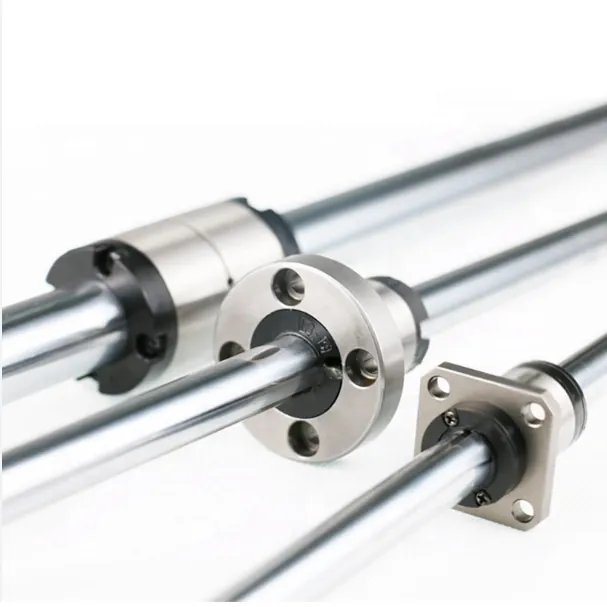
TEBAK Ball Spline, High Speed 10mm 13mm 16mm 20mm 25mm
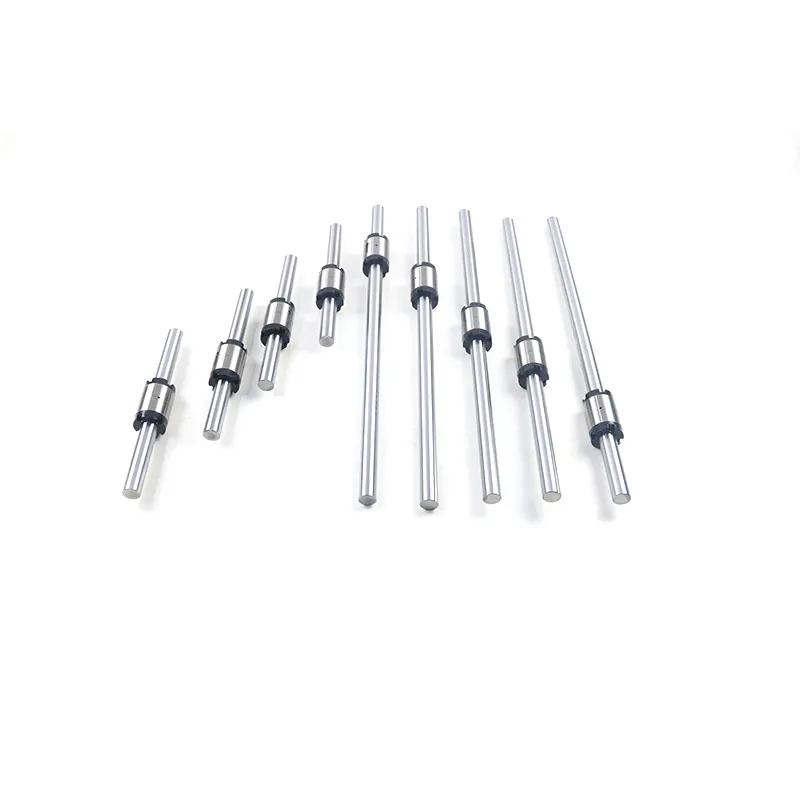
TEBAK Precision SLT008–SLT016 Ball Spline, grade N,H,P
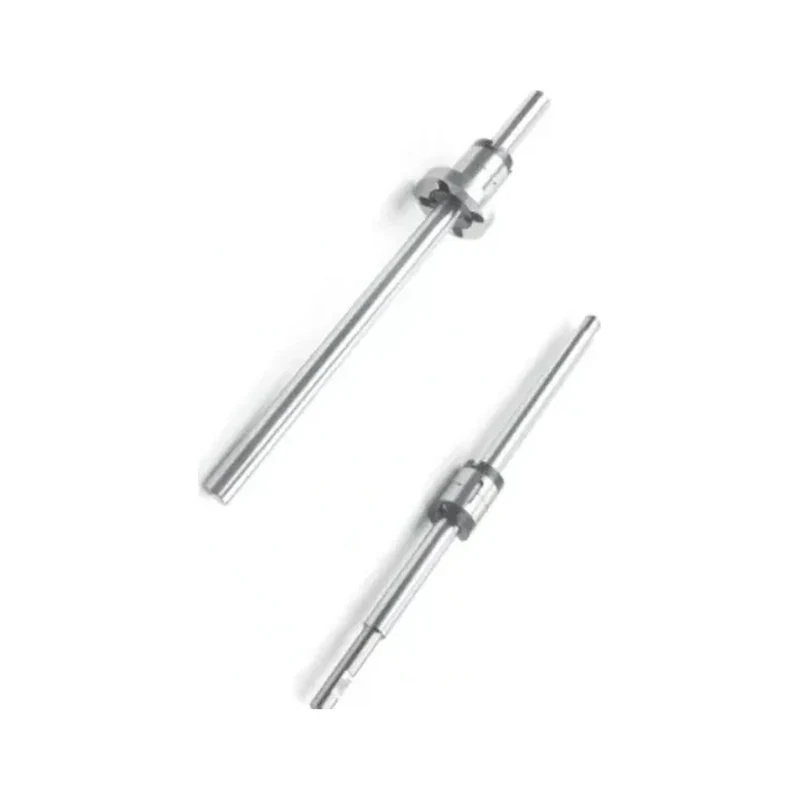
TEBAK Diameter 8mm 10mm 13mm 16mm Solid /hollow Custom
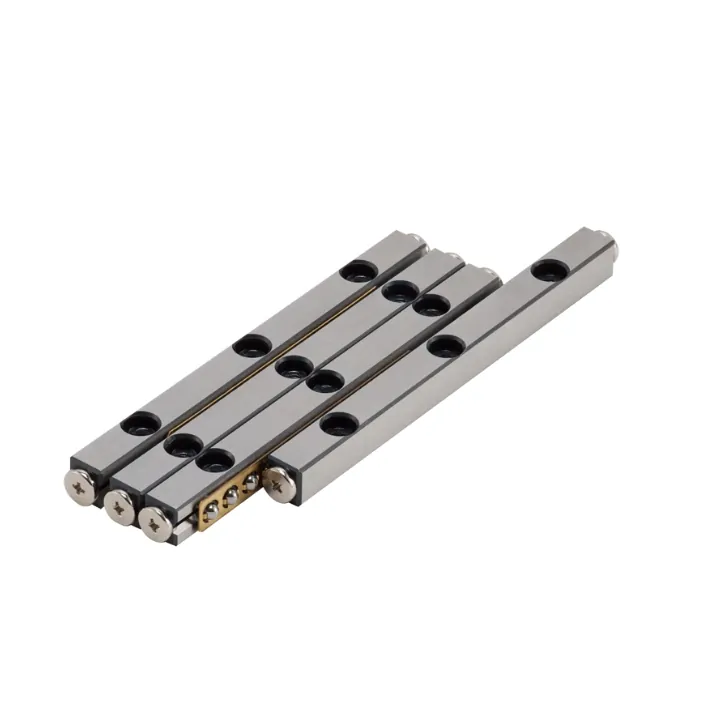
TEBAK Micron or Nanometer-level Positioning, grade H,P,SP
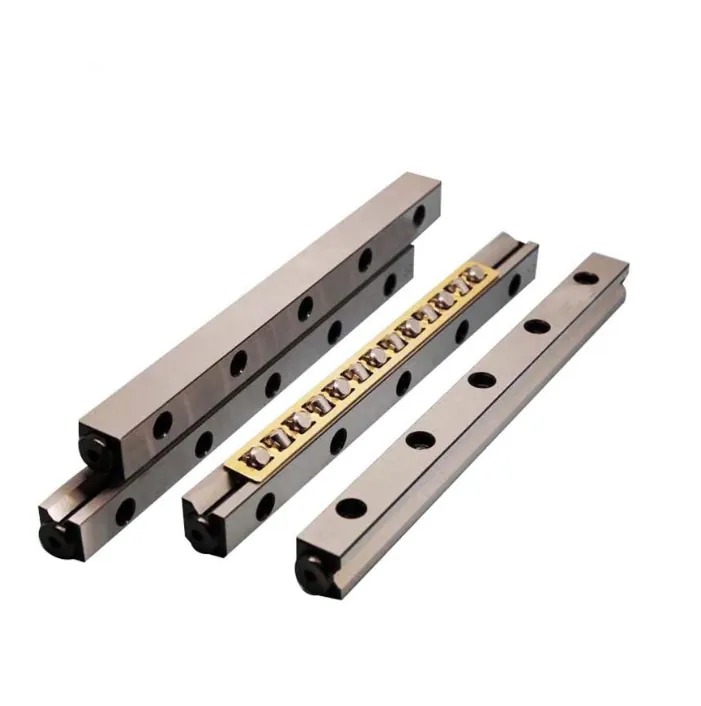
TEBAK Roller Linear Bearings VR1-20 VR2-30 VR3-50
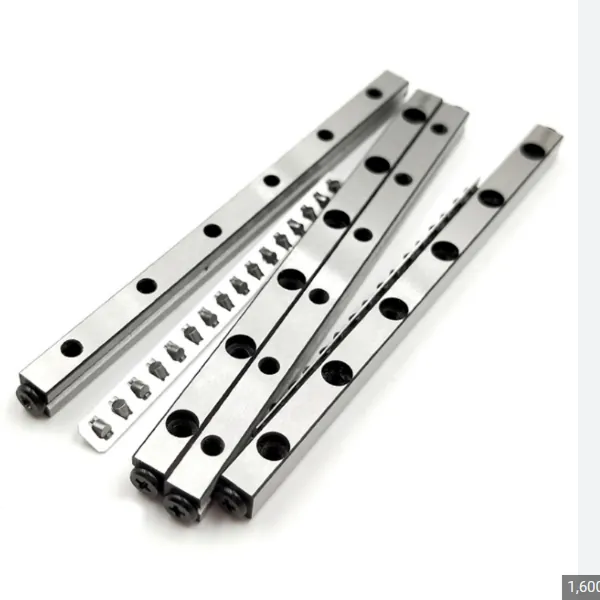
TEBAK Smooth Motion Precision Cross Roller Guides VR4
Interested in this product?
Send your details and we will respond within 24 hours.