
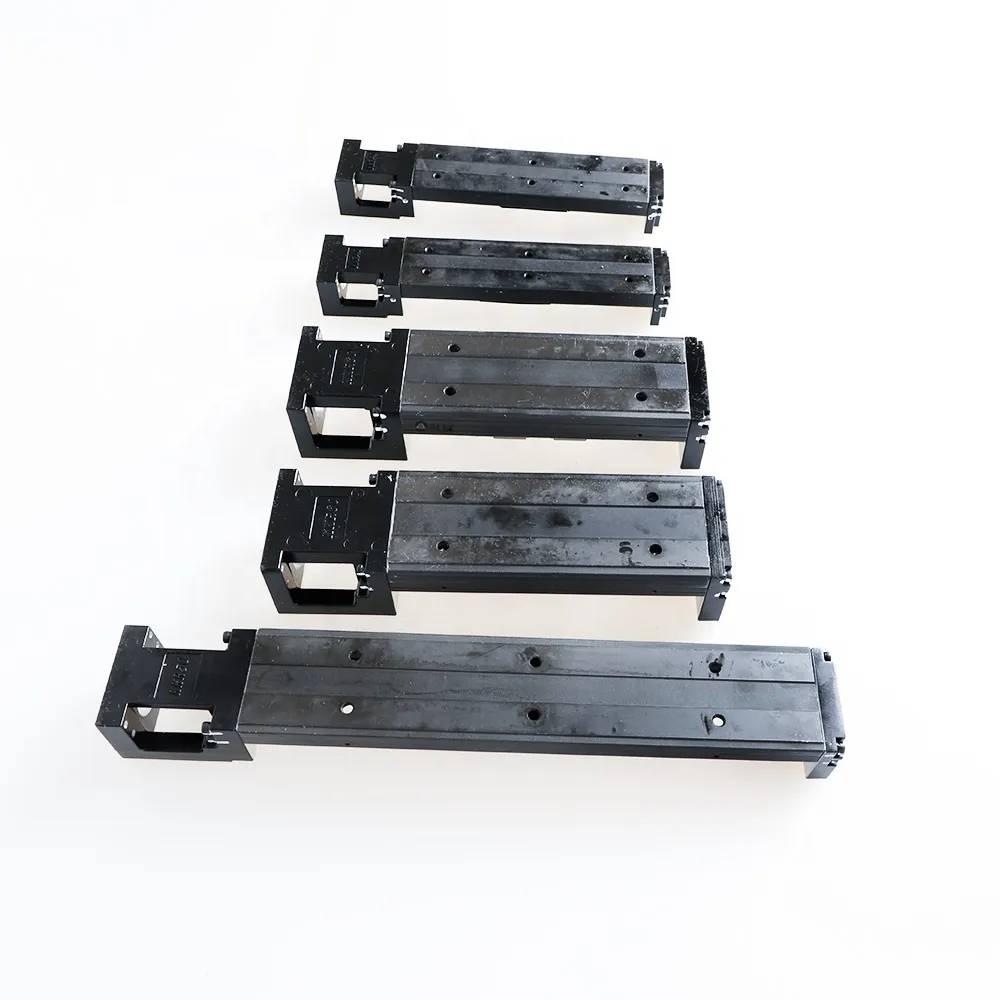
Precision Linear Actuator grades C or P, for industrial use
Request pricing, MOQ and lead time for this product — we reply within 24 hours.
Material and surface treatment
| Material | Carbon steel Black types Square,flange,lengthed |
|---|
Accuracy and running characteristics
| Accuracy grade | C grade or P grade |
|---|
Supply conditions
| Warranty | 1.5 year |
|---|---|
| Place of origin | Jiangsu, China |
Values above are the manufacturer's published figures for this series. Anything not listed — dynamic load rating, straightness, preload class — is confirmed against the drawing at RFQ.
Description
Overview
This linear module is a production part for machine builders, supplied to the dimensions in the table and used wherever an axis has to move or hold with a predictable result. The description below explains what the part does, what has to be decided before ordering, and where it is normally used. A linear module packages the guide, the drive and the carriage into one extrusion, so an axis can be designed as a single part rather than as a set of components that have to be aligned on site. The drive is usually a ball screw or a belt inside the profile, and the carriage runs on rails machined into or bolted to the same body, which is what keeps the axis straight without a separate alignment step.
Key Features
· Warranty: 1.5 year
· Weight (kg): 0.8
· Video outgoing-inspection: Provided
· Machinery test report: Provided
· Core components: PLC, Bearing, Gearbox, Motor, Gear
· Manufacturing process: Rolled Thread
· Supplied as a replacement part or as a production item for machine builders
· Material, tolerance and surface treatment confirmed against the drawing
Specifications
The parameter table above lists the values published for this item. Where a value depends on the machine it is going into, the drawing or the RFQ fixes it, and we confirm before production rather than after.
Application
Stroke, load capacity, repeatability and the drive type decide the model. A ball screw module gives thrust and holding; a belt module gives speed and long stroke. The mounting of the module to the machine and the stiffness of that joint often decide the finished accuracy more than the module itself.
Fitting is a sequence rather than a single action: prepare the mounting face, place the part without forcing it, bring the fasteners up evenly, and check the result before moving on. Where two parts have to be parallel or in line, indicate one against the other rather than trusting the machined faces alone, because stacked tolerances are what turn a good part into an inaccurate axis.
Where it is used: pick and place gantries, dispensing and assembly stations, CNC and laser gantries, test and inspection equipment, automation cells, laboratory handling.
The practical way to compare is to list what the axis needs, then check each candidate against that list: the load with its peaks, the accuracy the finished part must hold, the space available, the environment, and the maintenance the customer will actually do. A part that is right on the first four and wrong on the last will not perform, because a machine that is not maintained loses accuracy whatever it was built from.
Installation & Maintenance
Two limits belong together: the static one, which sets how much load the part can take without permanent deformation, and the dynamic one, which sets life under movement. A machine that is loaded while stationary is limited by the first, a machine that runs continuously is limited by the second, and a machine that does both has to satisfy whichever number is smaller in the application.
Temperature deserves a thought on any axis that runs for hours. A part that is clamped between two rigid structures and then warms up has nowhere to expand, so the geometry changes and the load goes up. Where that is likely, one end of the assembly is normally left free to move, and the part is mounted so that the movement does not affect the alignment of the axis.
Look for the signs that matter on this class of part: a polished band where the load concentrates, a burr at an edge that has been hit, corrosion on a bearing surface, and any lost motion that has appeared since installation. Each of these points to a cause in the machine rather than a fault in the part.
Ordering information that shortens delivery: the size designation from the table, any non standard length or bore, the material or coating if the environment requires it, and the quantity for the first order. Where the part is part of a set, order the set so the fit is matched rather than assembling a mixed batch.
Package & Lead Time
Standard export packing: each part is sleeved and cartoned, screws and rails are protected along their length, and larger assemblies travel crated. Lead time is confirmed with the quotation: standard sizes normally ship within 5 to 15 days of a confirmed drawing, custom parts against the agreed schedule. Minimum order is one piece, and sample orders are accepted before a production run.
Request a Quote
Send the model number or the drawing, with the shaft or rail size and the quantity you need, and we will reply with a quotation. For non-standard lengths, bore pairs, keyways and material changes we work from your drawing; bulk orders are quoted per quantity band and a sample can be supplied for approval.
Related components
Detail images
Questions buyers ask about this item
Which accuracy grades are available?
C grade or P grade. Tighter grades are quoted on request.
What material is it made from?
Carbon steel Black types Square,flange,lengthed
Related products
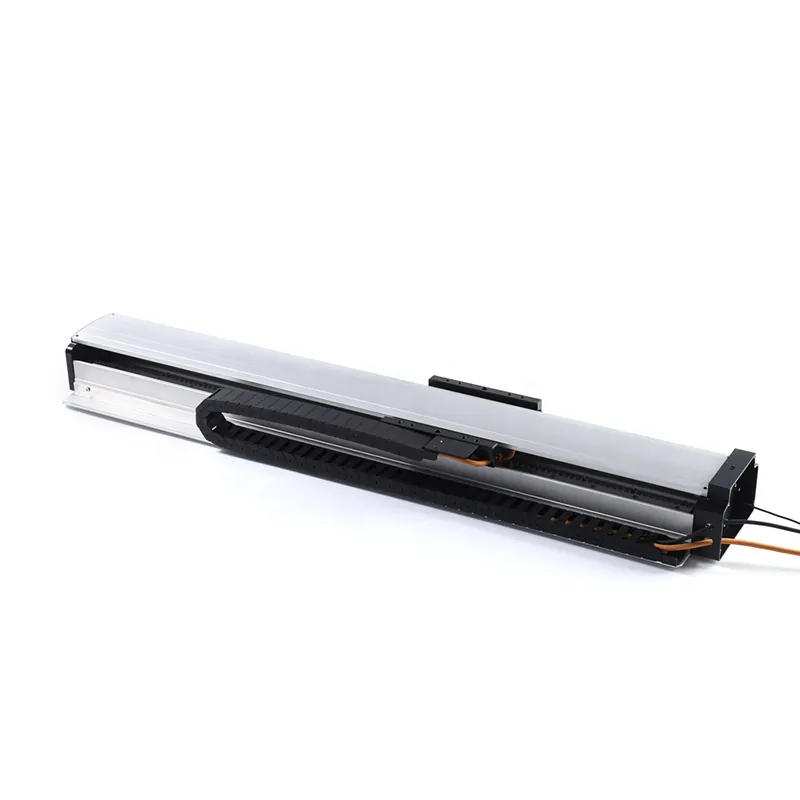
TEBAK Linear Module, Smaller Attraction Force Dustproof
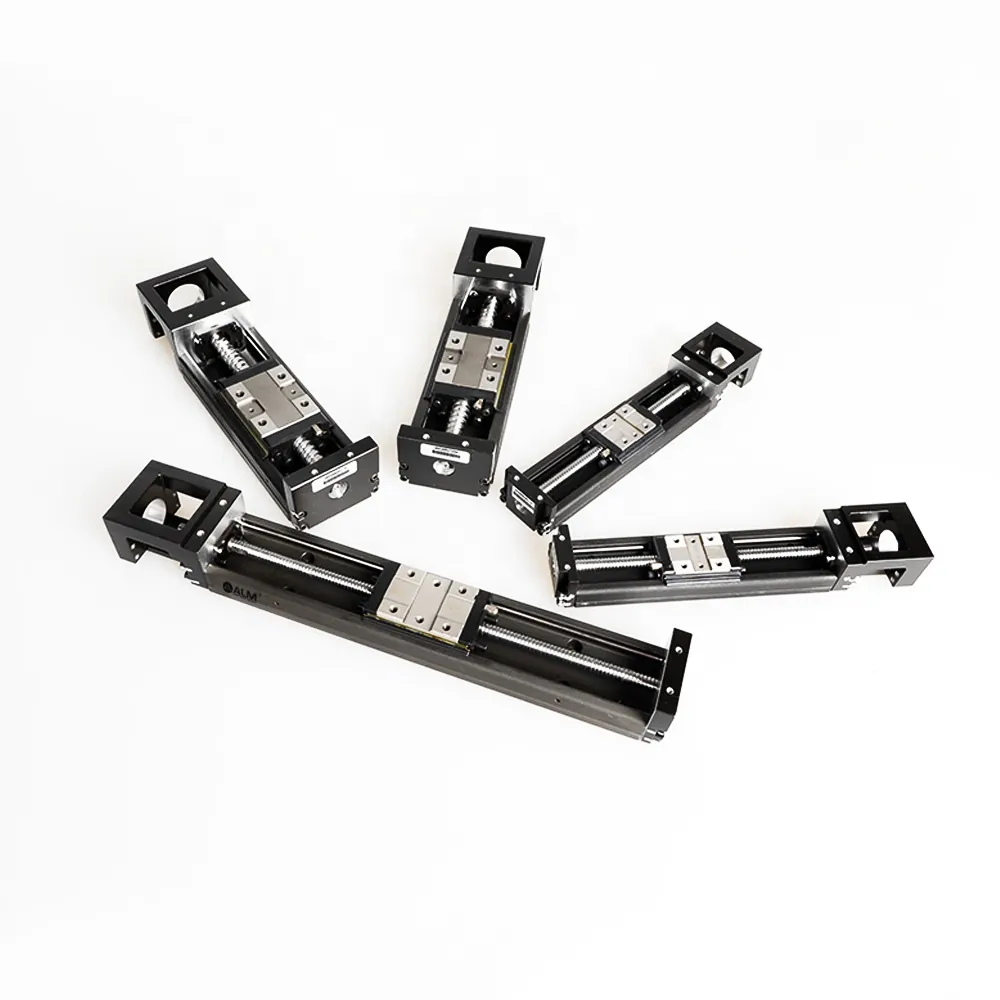
TEBAK High Performance KK Ball Screw Linear Motion Guide
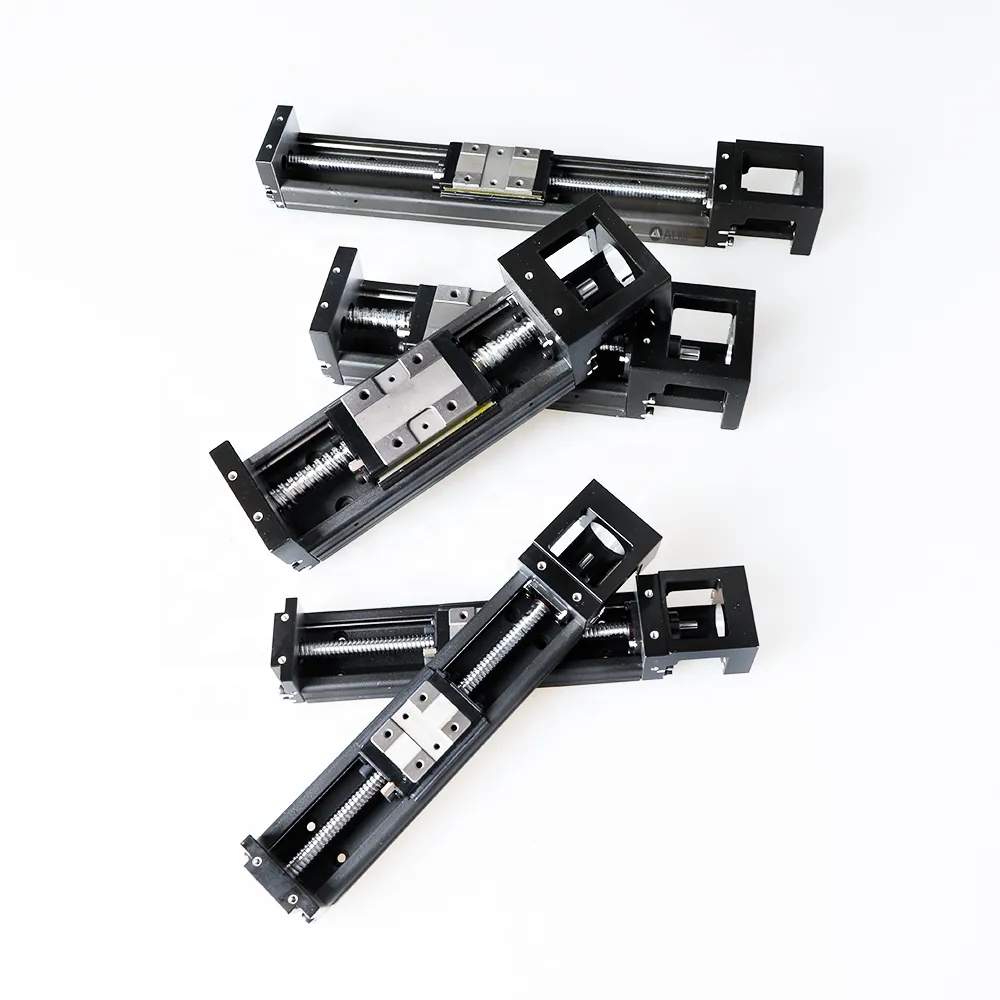
TEBAK KK6005C-150 Linear Module Single Axis Stage - KK
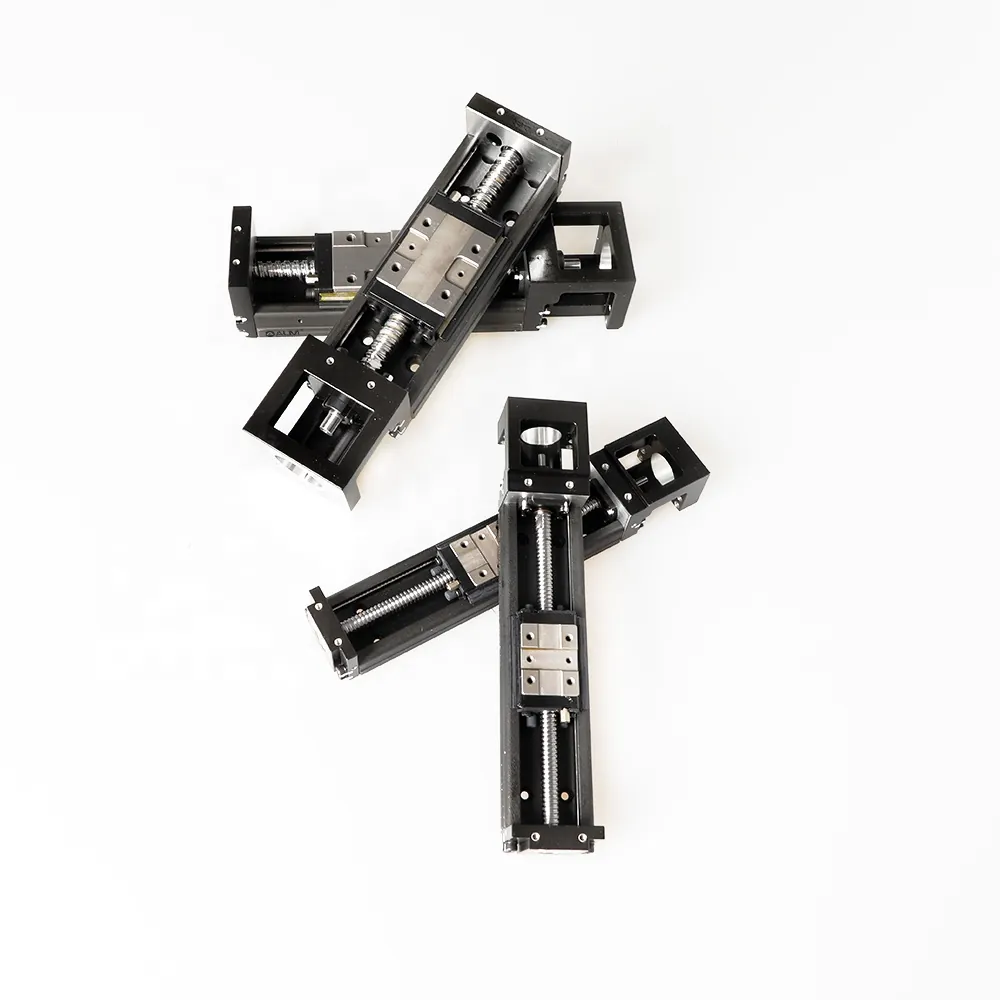
TEBAK Precision KK4001–KK13025 Ball Screw 40 mm
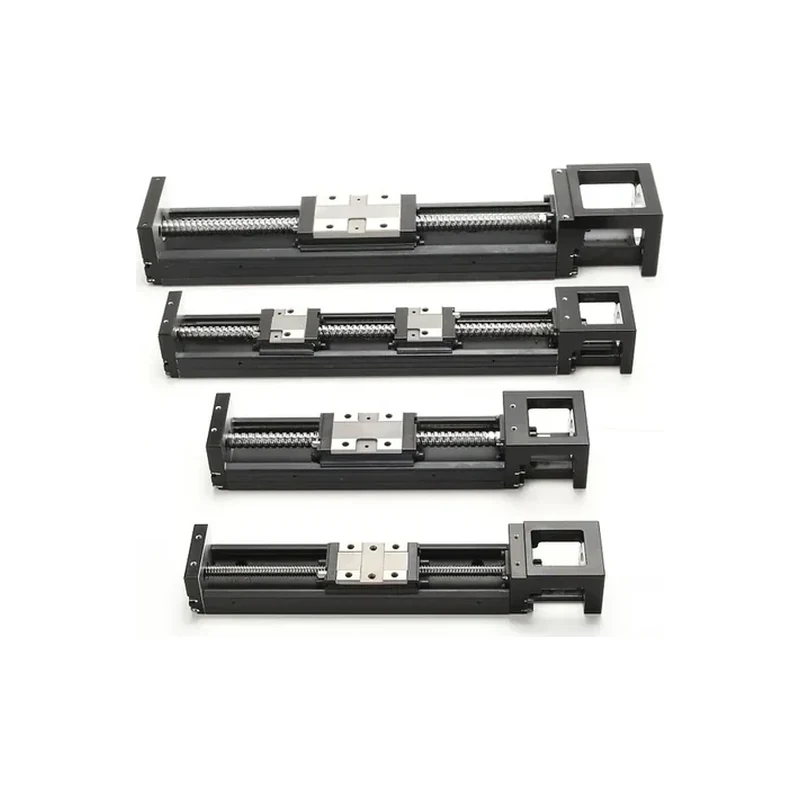
TEBAK KK40–KK130 Linear Module 40 mm
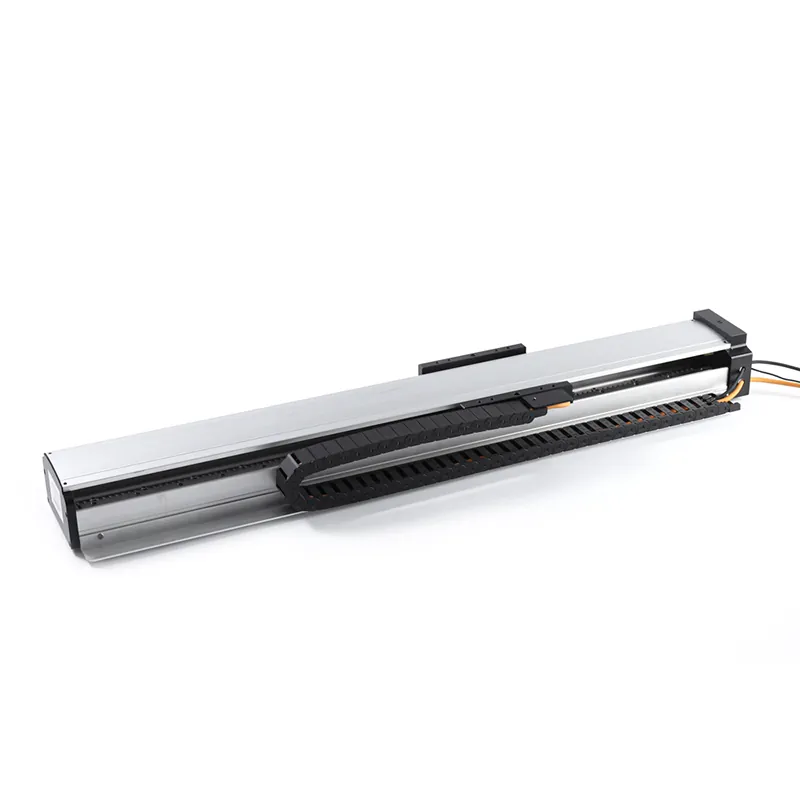
TEBAK Precision Linear Actuator
Interested in this product?
Send your details and we will respond within 24 hours.