
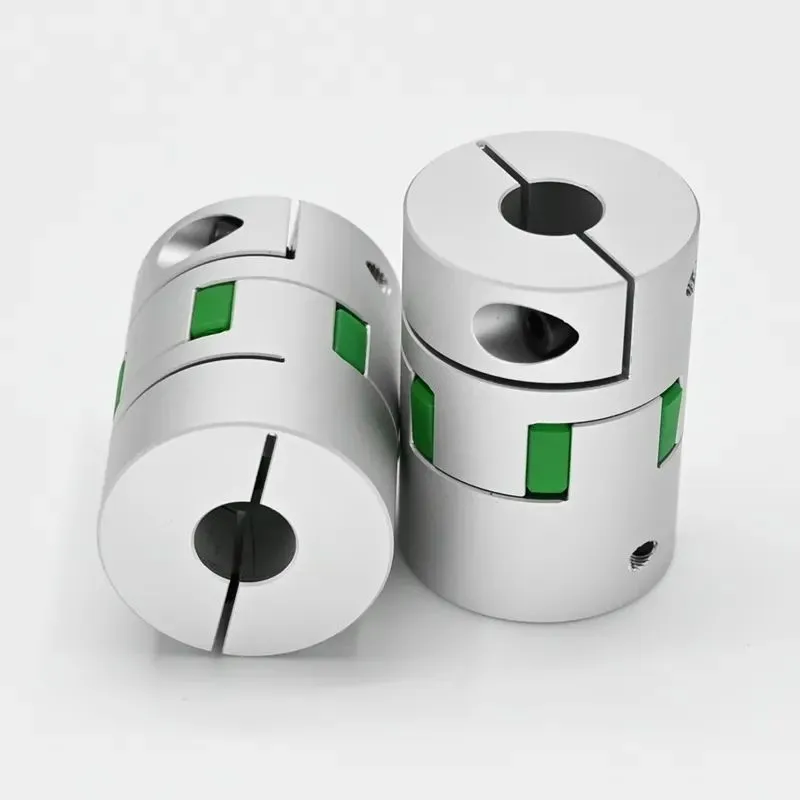
Plum Clamp Coupling, D30L35-D45L66, 14-105 mm Bore, for servo drives
Request pricing, MOQ and lead time for this product — we reply within 24 hours.
Construction
| Type | Flexible |
|---|---|
| Structure | Jaw / Spider |
| Material | Aluminum |
| Flexibility | Flexible |
Size
| Bore diameter | 14 mm - 105 mm |
|---|---|
| Size | Customized |
| Length | Customized |
| Models | D40L85, D45L55, D45L66, D40L50, D40L55, D40L66, D30L35, D30L42, D35L50 |
Performance
| Rated torque | 300 N·m |
|---|---|
| Maximum speed | 3,000 rpm |
Supply
| Standard | Standard |
|---|---|
| Customized support | OEM, ODM |
| MOQ | 1 Set |
| Packing | Plastic bags +Carton or wooden boxes |
Application
| Colour | Customized |
|---|---|
| Application | CNC machinery, automated machinery, etc. |
Values above are the manufacturer's published figures for this series. Anything not listed — dynamic load rating, straightness, preload class — is confirmed against the drawing at RFQ.
Description
Overview
A plum clamp coupling for larger shafts, with bores from 14 mm to 105 mm, body sizes from D30L35 to D45L66, a rated torque of 300 N·m and a rated speed of 3,000 rpm. The sizes in this range are the ones used where a small coupling is no longer enough: the motor is larger, the screw or the shaft carries more load, and the coupling has to pass a real torque without becoming the weak point in the drive train. The clamp hubs are machined from aluminium alloy with a slit closed by a screw, so the grip comes from friction around the bore rather than from a key.
Key Features
· Type: Flexible
· Bore diameter: 14 mm - 105 mm
· Rated torque: 300 N·m
· Maximum speed: 3,000 rpm
· Structure: Jaw / Spider
· Material: Aluminum
· Supplied as a replacement part or as a production item for machine builders
· Material, tolerance and surface treatment confirmed against the drawing
Specifications
The parameter table above lists the values published for this item. Where a value depends on the machine it is going into, the drawing or the RFQ fixes it, and we confirm before production rather than after.
Application
The body list covers the common steps in this size class: D30L35, D30L42, D35L50, D40L50, D40L55, D40L66, D40L85, D45L55 and D45L66, where the first number is the outside diameter and the second is the body length. Having both D40L66 and D40L85 available, for example, lets a designer keep the same diameter and gain axial length for a longer hub or a wider star, instead of jumping to the next diameter and losing clearance. Bores from 14 mm to 105 mm cover motor shafts, gearbox inputs and shaft ends on the medium machines that make up most production equipment.
The star between the hubs is the flexible element. It carries the torque in compression between the jaws of the two hubs, absorbs the shock of a start against load, and takes up the residual misalignment that remains after the motor bracket and the machine frame have been machined and bolted. Because the star is an elastomer, the coupling also damps torsional vibration and insulates the shafts, which on a larger drive protects the gearbox from the ripple that a variable frequency drive or a servo can produce.
300 N·m is a working load for this size class, and the selection question is what the drive will actually deliver at its peak. A motor that accelerates a heavy load, an axis that hits a stop, or a machine that jams will produce far more than the running torque, and the star absorbs that peak by compressing further. A star that has been asked to absorb too many peaks will take a permanent set, and the symptom is a knock at each start rather than at each reversal, because the star has lost the preload that kept the jaws in contact.
The 3,000 rpm rating is generous for the sizes in this range, since most applications run well below it. The practical limits on a larger coupling are usually the critical speed of the driven shaft, the balance of the assembled line, and the load the coupling places on the bearings if it is not aligned. A large coupling that is out of alignment produces a once per revolution force that shows up as vibration at the bearing housing, and that is a coupling installation problem rather than a coupling fault.
Installation & Maintenance
Applications: the motor to gearbox input on conveyors, mixers and extruders; the drive to a ball screw or a rack and pinion axis on larger CNC machines; pump and fan drives; printing press and converting machine main drives; packaging machines with heavy index tables; crane and hoist drives; agricultural and construction equipment; and test benches that apply a measured torque. On each of these the coupling is chosen for torque and for the misalignment the structure will actually produce, not for the largest size that will fit.
Installation on shafts of this size needs care with two things. The first is alignment: on a larger drive, a small angular error produces a large displacement at the coupling diameter, so the shafts should be indicated and shimmed before the coupling is fitted, and checked again after the machine has run and reached working temperature. The second is the clamp screw torque: an aluminium hub of this size has a substantial thread, and the screw should be tightened to the specified figure with a wrench, in stages, with the hub checked for runout afterwards.
The star can be replaced without moving either hub, which is the main service advantage of this design. A star that is worn shows a set in the arms, cracks at the root, a polished face where it has been working against the jaw, or a colour change from heat. Replacement restores the original characteristic and takes minutes rather than the hours needed to re-set a shaft line. Keeping a spare star on the shelf is normal for a machine that runs continuously.
Ordering: bore pair, body size from the list, star hardness, keyway requirement, the maximum and peak torque of the drive, the maximum speed, and the ambient conditions if the machine runs hot, wet or dusty. Packing is by plastic bag and carton, or wooden boxes for larger quantities, and the minimum order is one set. Where the coupling replaces one on an existing machine, the shaft diameters, the distance between the shaft ends and a photo of the old part are enough to match the size.
This is a plum coupling for larger shafts, also ordered as a jaw coupling or a spider coupling, and the body list from D30L35 to D45L66 is what makes it fit a range of motor and gearbox combinations without changing the shaft coupling interface. It does not have the zero backlash of a metal disc coupling and its torsional stiffness depends on the star, so a drive that needs an exact phase should look at the diaphragm type instead. For a servo motor or a gearbox input where shock and misalignment both occur, the star is the reason this coupling is chosen.
Package & Lead Time
Standard export packing: each part is sleeved and cartoned, screws and rails are protected along their length, and larger assemblies travel crated. Lead time is confirmed with the quotation: standard sizes normally ship within 5 to 15 days of a confirmed drawing, custom parts against the agreed schedule. Minimum order is one piece, and sample orders are accepted before a production run.
Request a Quote
Send the model number or the drawing, with the shaft or rail size and the quantity you need, and we will reply with a quotation. For non-standard lengths, bore pairs, keyways and material changes we work from your drawing; bulk orders are quoted per quantity band and a sample can be supplied for approval.
Related components
Detail images
Questions buyers ask about this item
What bore sizes are available?
14mm-105mm.
Which body sizes are in this range?
D40L85, D45L55, D45L66, D40L50, D40L55, D40L66, D30L35, D30L42, D35L50.
What speed is it rated for?
3,000 rpm.
Can the bore be machined to my shaft?
Yes. Bore pairs, keyways and clamp sizes are machined to the drawing, including mixed bores on the two hubs.
Is the torque rating fixed?
Torque is quoted for the body and bore you order and is confirmed on the drawing.
Related products
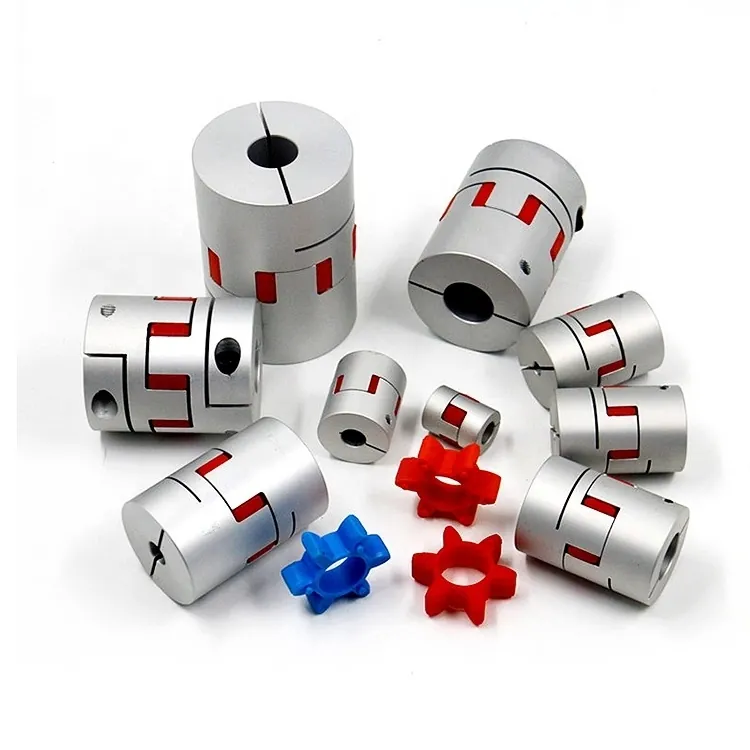
TEBAK High-strength Flexible Spider Jaw Type Clamping
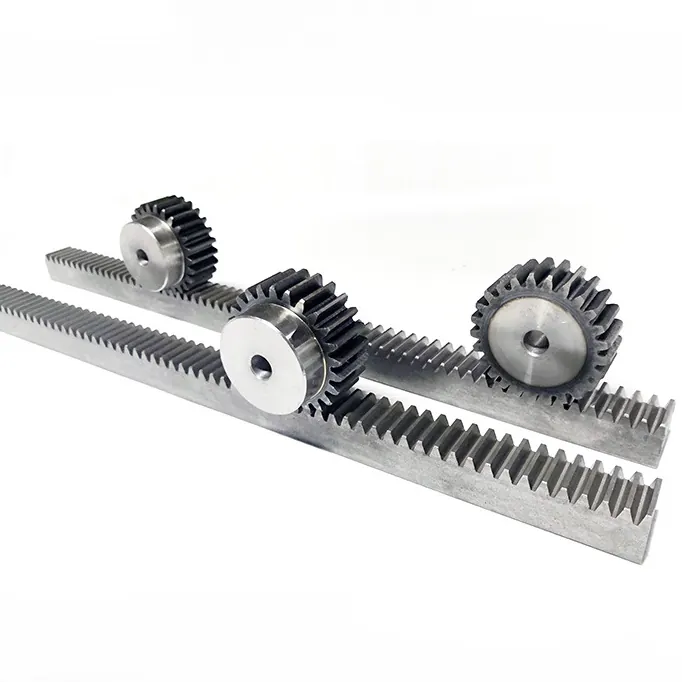
TEBAK Gear Rack, Straight Tooth M1 M2 M3 M4 M5 M6 Custom
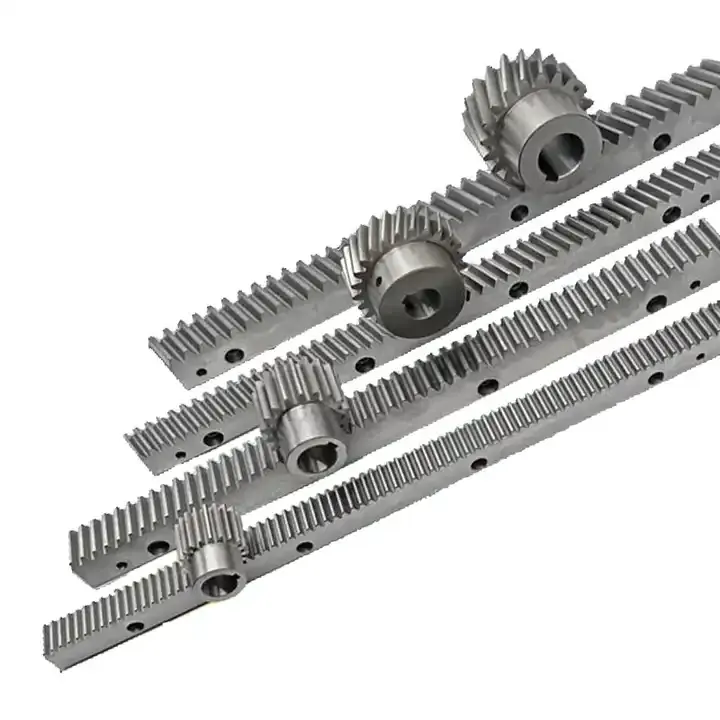
TEBAK Gear Rack, European Standard, Module Cut to Order
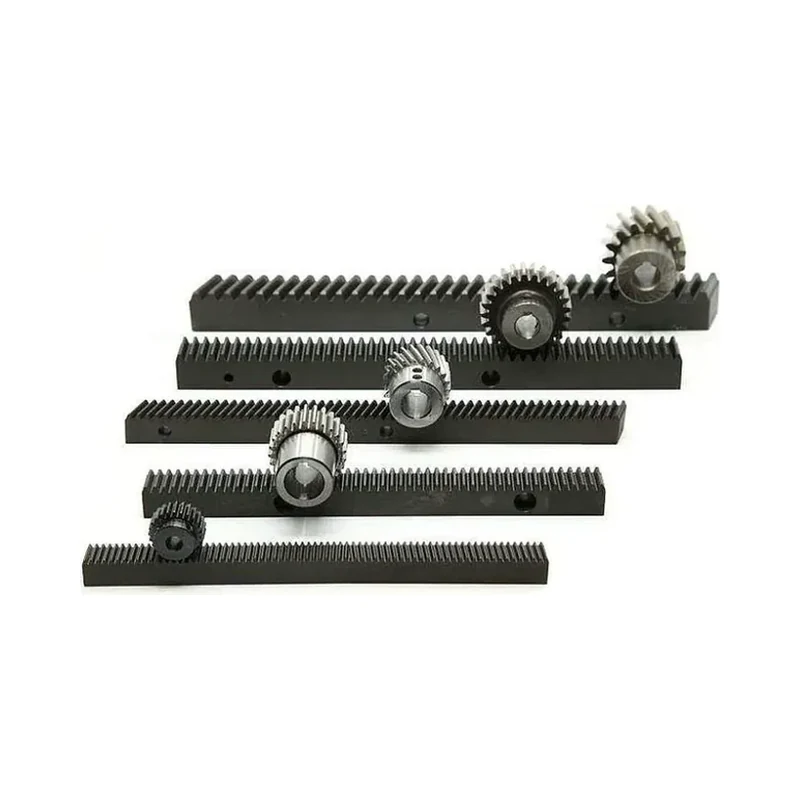
TEBAK Black Oxide Steel Straight Helical Gear Rack
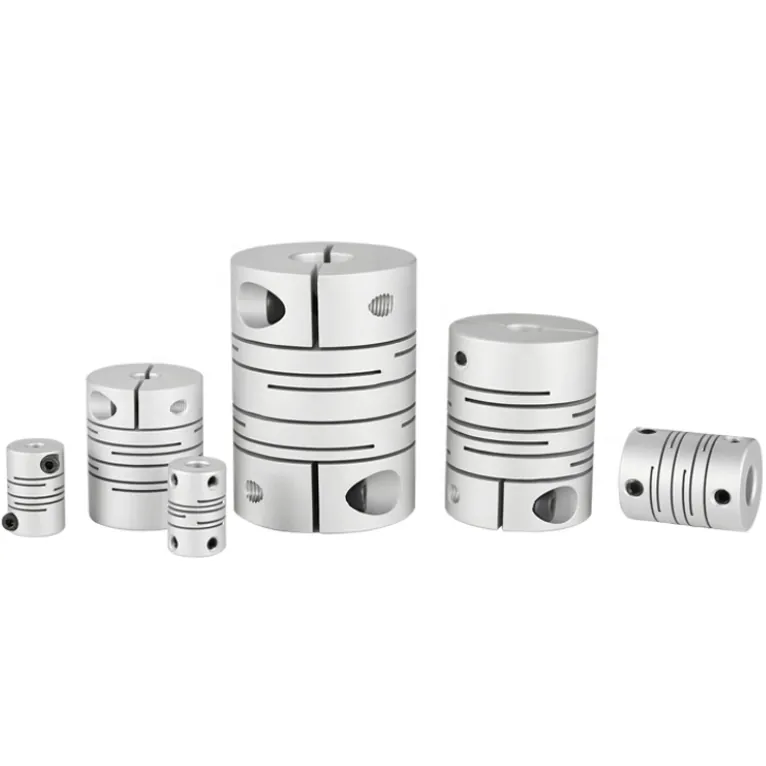
TEBAK Coupling, Grooved Parallel Line Coupler Aluminum
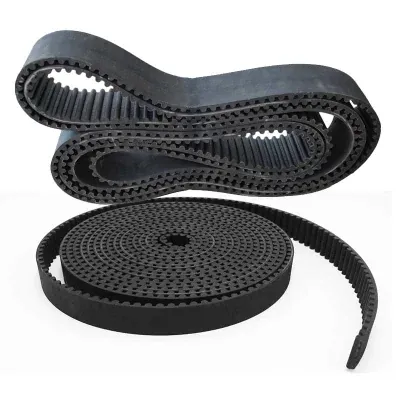
TEBAK Timing Belt, Open End Rubber or PU Industrial Belt
Interested in this product?
Send your details and we will respond within 24 hours.