
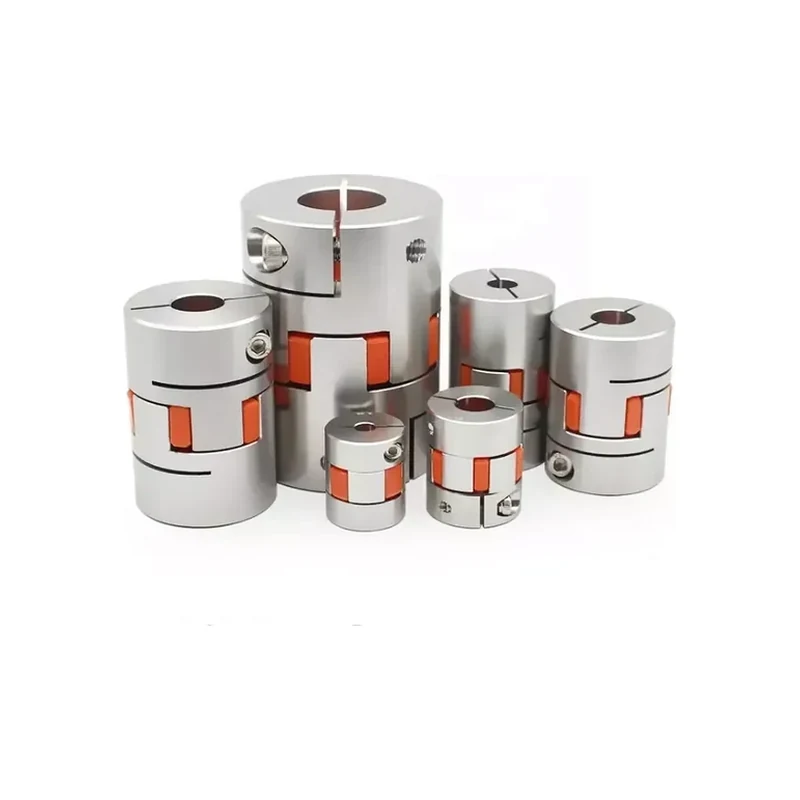
Ball Screw Clamp Coupling, 6.35-12 mm Bore, C45 Steel, for servo drives
Request pricing, MOQ and lead time for this product — we reply within 24 hours.
Construction
| Structure | Jaw / Spider |
|---|---|
| Material | Aluminum |
| Flexibility | Flexible |
| Type | Flexible Clamp Coupling |
| Surface treatment | Black oxide |
| Body material | C45 Steel |
Size
| Bore diameter | 6.35 mm / 8 mm / 10 mm / 12 mm |
|---|---|
| Size | Customized |
Supply
| Standard | Standard |
|---|---|
| Customized support | OEM |
Application
| Colour | Customized |
|---|
Values above are the manufacturer's published figures for this series. Anything not listed — dynamic load rating, straightness, preload class — is confirmed against the drawing at RFQ.
Description
Overview
A clamp style flexible coupling for ball screw drives, with bores from 6.35 mm to 12 mm, a C45 steel body with a black oxide finish, and a jaw and spider element between the two hubs. The clamp hub is the reason this coupling exists: a split hub closed by a screw grips the shaft around its full circumference, so the joint transmits torque by friction instead of by a key or a set screw pressing on one point of the shaft. On a ball screw axis that reverses thousands of times a day, the difference shows up as an absence of the small rotational play that a set screw connection develops, and as a shaft that has not been marked where the screw bit into it.
Key Features
· Structure: Jaw / Spider
· Bore diameter: 6.35 mm / 8 mm / 10 mm / 12 mm
· Material: Aluminum
· Standard: Standard
· Flexibility: Flexible
· Customized support: OEM
· Supplied as a replacement part or as a production item for machine builders
· Material, tolerance and surface treatment confirmed against the drawing
Specifications
The parameter table above lists the values published for this item. Where a value depends on the machine it is going into, the drawing or the RFQ fixes it, and we confirm before production rather than after.
Application
The body is C45 medium carbon steel, a material chosen for a hub that has to hold a thread and a slit without deforming under clamp load, and the black oxide surface treatment gives a dark, mildly corrosion resistant finish that also holds oil. Black oxide is not a coating that builds thickness, so it does not change the bore dimension and does not flake off into a ball screw nut. The jaw geometry between the hubs carries the drive through an elastomer spider, which is what makes the coupling flexible: the spider takes the misalignment and damps the torsional shock that a direct metal connection would pass into the screw.
Bores of 6.35, 8, 10 and 12 mm cover the shaft sizes found on the ball screws used in small and medium CNC machines, and 6.35 mm is the quarter inch size common on imported screws and on stepper motors with imperial shafts. A bore pair can be specified, so a metric motor shaft and an imperial screw shaft can be joined directly. Where the machine uses a keyed shaft, a keyway can be cut; where the shaft has a flat, the clamp will still grip, but the flat should be long enough to sit under the full width of the hub.
Ball screw drives put specific demands on a coupling. The screw has to turn with as little lost motion as possible, because every degree of play appears as position error at the nut, and the axis has to accelerate its own inertia plus the table mass, so the coupling sees a torque peak at every start. The elastomer spider softens those peaks slightly, which protects the screw and the motor, while the steel hubs keep the torsional stiffness high enough that the axis does not feel springy under a change of direction. The coupling also has to tolerate the small misalignment that remains after the screw bearing housing and the motor mount have been machined and shimmed.
Installation follows the usual sequence for a clamp coupling, with two details that matter on a ball screw. First, the motor and the screw must each be indicated before the coupling is fitted; the coupling is not a device for correcting alignment, and forcing it to do so loads the screw bearing, which is the most expensive part of the drive. Second, the axial position of the screw must be set before the coupling is tightened, because a screw that is pulled or pushed by the coupling will show as a preload error or as end float. Fit the coupling with the shafts at their working position, tighten the clamp screws to the specified torque, and check the runout of both hubs.
Installation & Maintenance
Speeds on a ball screw axis are usually well inside the range of this coupling, and the limit is more often set by the critical speed of the screw than by the coupling. What does limit life is the number of reversals and the presence of shock. A machine that homes against a hard stop, or that loses position and jams, sends a spike through the spider; a spider that has been overloaded shows cracks at the roots of its teeth, and the first symptom is a knock at each reversal. Inspecting the spider at the machine's annual service is cheaper than replacing a screw after a jam.
Applications for this coupling are mostly in machine tools and automation: the motor to ball screw joint on CNC routers, mills, lathes and drilling machines, the Z axis of engraving machines, gantry axes on cutting tables, positioning tables and linear actuators, laser and waterjet gantries, woodworking machines, and the screw drives on packaging and assembly stations. It is also used on lead screw axes that need a clamp hub rather than a set screw, and on any drive where the shaft must stay unmarked for a later re-setting.
Ordering information: bore pair, keyway requirement, clamp screw position if it has to clear an obstruction, the motor shaft diameter and its tolerance, the maximum torque of the drive, and the ambient conditions if coolant or wash down is present. Where the coupling sits inside a housing, give the outside diameter and length available, because the clamp screw needs room to be reached with a wrench. A drawing with the shaft diameters and the space envelope is enough to quote a part that fits the machine rather than one that has to be modified on site.
Ordered by name, this is a ball screw shaft coupling with a clamp hub, and the jaw coupling construction with a spider between the hubs is what gives it the flexibility a screw drive needs. It is not a plum coupling and it does not offer zero backlash in the sense a disc coupling does, because the star compresses under load; what it does offer is a clamp hub that holds the screw shaft without a key and a body that survives the reversals of a servo motor axis. Where an enquiry asks for a zero backlash shaft coupling for a screw, the disc coupling in the same bore range is the closer match.
Package & Lead Time
Standard export packing: each part is sleeved and cartoned, screws and rails are protected along their length, and larger assemblies travel crated. Lead time is confirmed with the quotation: standard sizes normally ship within 5 to 15 days of a confirmed drawing, custom parts against the agreed schedule. Minimum order is one piece, and sample orders are accepted before a production run.
Request a Quote
Send the model number or the drawing, with the shaft or rail size and the quantity you need, and we will reply with a quotation. For non-standard lengths, bore pairs, keyways and material changes we work from your drawing; bulk orders are quoted per quantity band and a sample can be supplied for approval.
Related components
Questions buyers ask about this item
Can the bore be machined to my shaft?
Yes. Bore pairs, keyways and clamp sizes are machined to the drawing, including mixed bores on the two hubs.
Is the torque rating fixed?
Torque is quoted for the body and bore you order and is confirmed on the drawing.
Related products
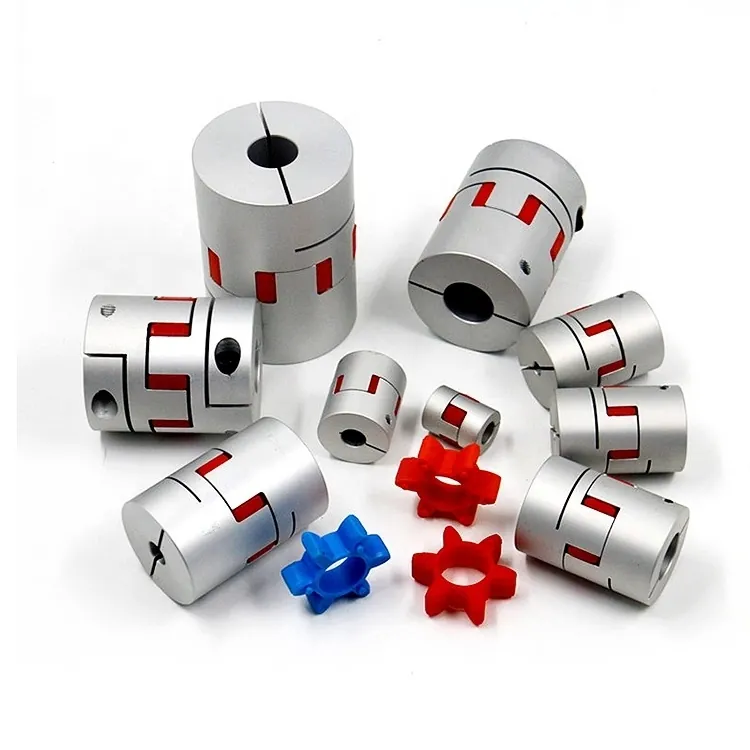
TEBAK High-strength Flexible Spider Jaw Type Clamping
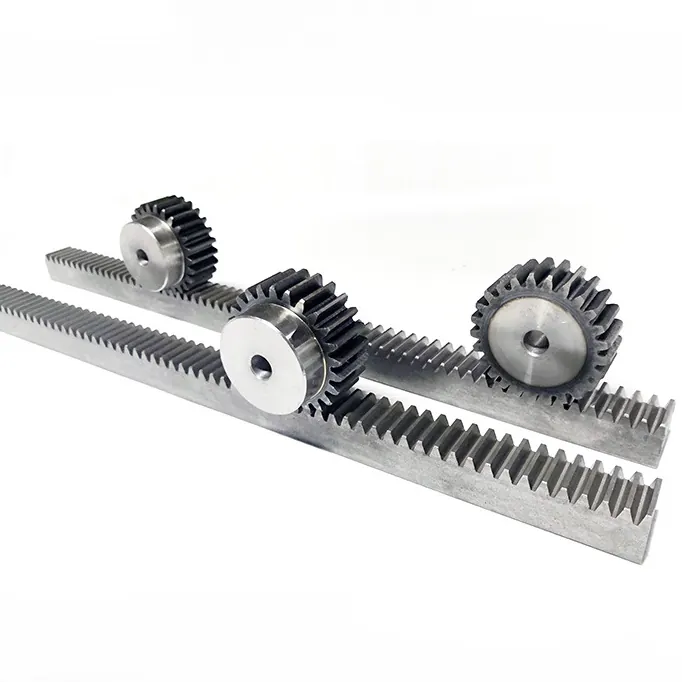
TEBAK Gear Rack, Straight Tooth M1 M2 M3 M4 M5 M6 Custom
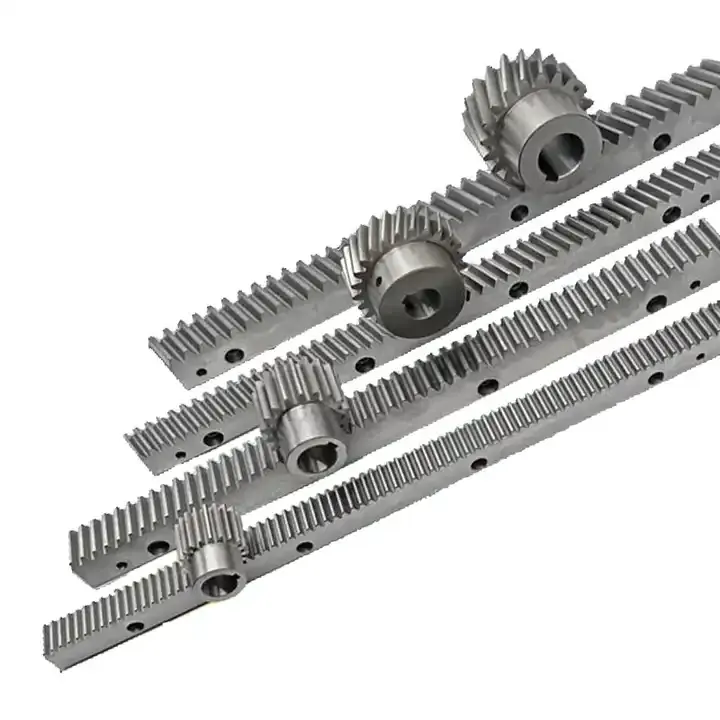
TEBAK Gear Rack, European Standard, Module Cut to Order
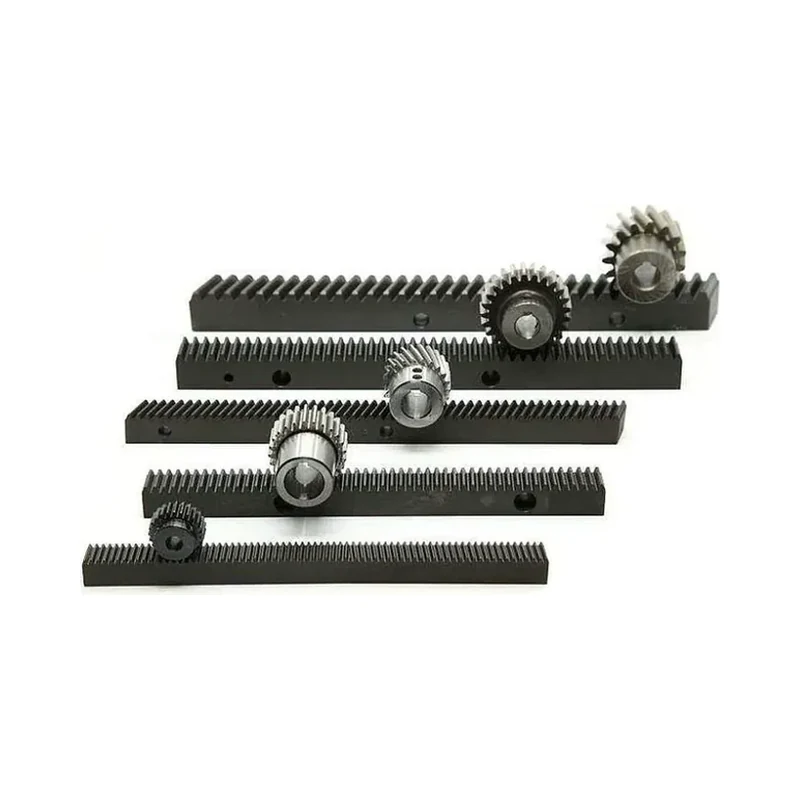
TEBAK Black Oxide Steel Straight Helical Gear Rack
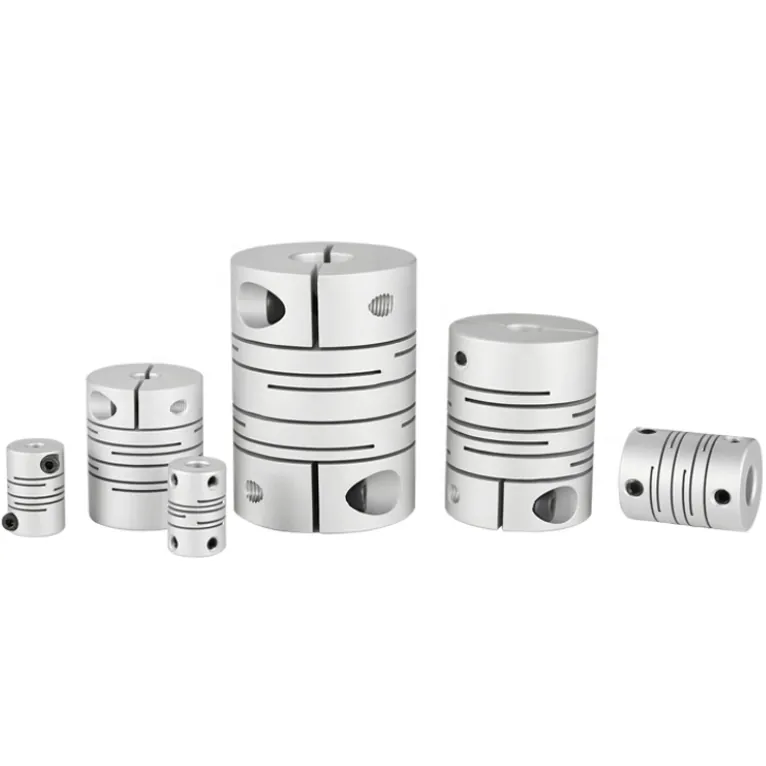
TEBAK Coupling, Grooved Parallel Line Coupler Aluminum
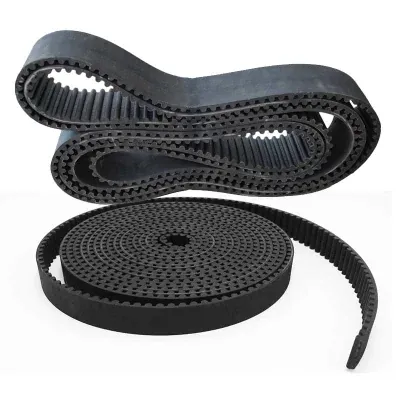
TEBAK Timing Belt, Open End Rubber or PU Industrial Belt
Interested in this product?
Send your details and we will respond within 24 hours.