
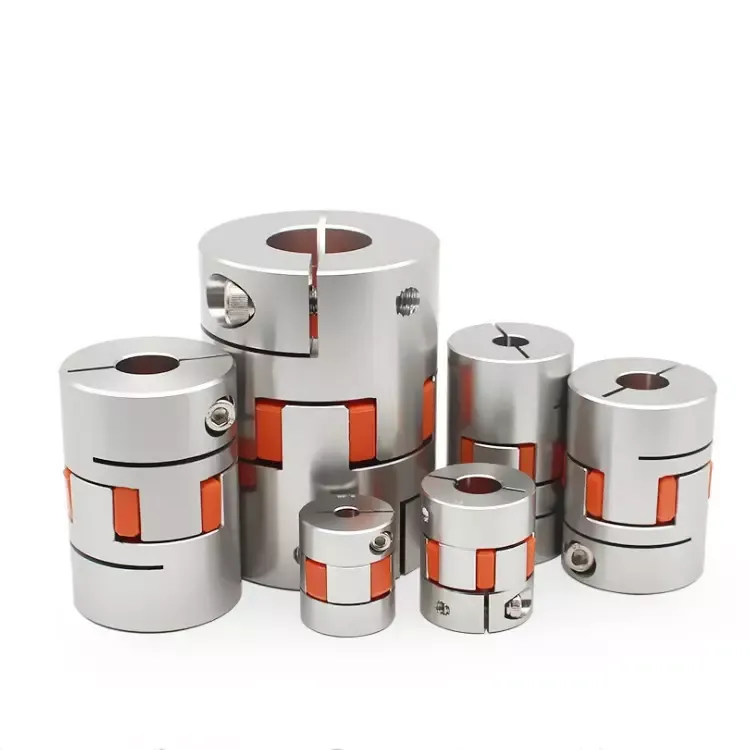
Spider Jaw Coupling, 3-60 mm Bore, PU Rubber Insert, for servo drives
Request pricing, MOQ and lead time for this product — we reply within 24 hours.
Construction
| Type | Flexible |
|---|---|
| Structure | Jaw / Spider |
| Material | Aluminum |
| Flexibility | Flexible |
| Body material | Aluminum Alloy |
Size
| Bore diameter | 3 mm - 60 mm |
|---|---|
| Length | 30 mm |
Performance
| Rated torque | 100 N·m |
|---|---|
| Maximum speed | 1,000 rpm |
Supply
| Standard | Standard |
|---|---|
| Customized support | OEM, ODM |
| MOQ | 1 Set |
| Packing | Carton |
Application
| Colour | Customized |
|---|---|
| Coupling type | CNC Stepper Motor Shaft Couplings |
| Usage | Cnc Part |
Values above are the manufacturer's published figures for this series. Anything not listed — dynamic load rating, straightness, preload class — is confirmed against the drawing at RFQ.
Description
Overview
A spider jaw coupling in aluminium alloy with bores from 3 mm to 60 mm, a rated torque of 100 N·m, a rated speed of 1,000 rpm, a 30 mm body length and a PU rubber insert. This is the general purpose version of the jaw coupling family: a broad bore range in one body size, an elastomer star that absorbs misalignment and shock, and a price that suits machines built in volume. The PU insert is the working element, and its properties set what the coupling can do.
Key Features
· Type: Flexible
· Bore diameter: 3 mm - 60 mm
· Rated torque: 100 N·m
· Maximum speed: 1,000 rpm
· Structure: Jaw / Spider
· Material: Aluminum
· Supplied as a replacement part or as a production item for machine builders
· Material, tolerance and surface treatment confirmed against the drawing
Specifications
The parameter table above lists the values published for this item. Where a value depends on the machine it is going into, the drawing or the RFQ fixes it, and we confirm before production rather than after.
Application
The jaw and spider principle is simple and that is why it survives: each hub has curved jaws, the star has arms that fit between them, and the drive passes through the elastomer in compression. Because the elastomer is loaded in compression rather than in shear, the coupling tolerates a considerable misalignment without the star being torn, and it keeps working after the star has taken a set. The star also damps the torsional vibration that a metal coupling would pass straight into the driven shaft, which is what protects a gearbox or a screw from the ripple that a stepper motor produces.
Bores from 3 mm to 60 mm make this one part suitable for a very wide range of machines, from a small instrument shaft to the input of a modest conveyor gearbox, and the bore is machined to the ordered size rather than chosen from a fixed list. That is worth knowing when a design has an unusual shaft diameter: the coupling does not have to be redesigned around a catalogue step. Bore pairs, keyways and flats can all be specified, and the PU insert is available in different hardnesses where the drive needs a softer or a firmer characteristic.
100 N·m is a useful torque for a coupling of this size and covers the small to medium drives that dominate general machinery. What matters in selection is the peak rather than the continuous figure: a motor starting a conveyor, a jam at a limit, or a stepper losing sync all produce torque well above the running value, and the star is the part that absorbs it. A star that has been repeatedly overloaded shows a permanent set and then cracks at the root of the arms, so the insert is also a record of what the drive has been doing.
The 30 mm body length keeps the coupling compact axially, which matters when the motor and the driven part are close together and there is no room for a longer spacer coupling. Where a longer distance has to be bridged, this coupling is used at each end of a short shaft rather than as a single long part. The aluminium body keeps the mass low so the coupling does not add to the inertia that the motor has to accelerate on every move.
Installation & Maintenance
Applications are wide: conveyor and feeder drives, agitators and mixers on small tanks, pumps and fans, packaging and labelling machines, printing equipment, woodworking machines, agricultural implements, garage and workshop equipment, gate and door drives, and the axis drives on CNC routers and plasma tables. On any of these, the coupling is doing two jobs at once, transmitting torque and isolating the driven machine from the motor's vibration and from small alignment errors that would otherwise load the bearings.
Installation points that decide life: align the two shafts as well as the machine allows before fitting, because the star is a flexible element and not a correction device; leave the axial gap the drawing calls for so the star is not preloaded; tighten the hub screws evenly; and indicate the hubs after tightening. On a belt driven machine, check that the belt tension does not pull the shafts out of line after the coupling has been set, which is a common cause of a coupling that runs hot.
Maintenance is the insert and a visual check. Replace the star when the arms show a set, cracks, or a change of colour from heat, and check the jaws for wear marks that indicate the star has been moving in the teeth. Because the insert can be changed without disturbing the shaft line, this is a maintenance task that can be done in minutes. Keep spare inserts of the hardness used on the machine, and record which hardness went into which position, so a replacement matches what the designer intended.
Ordering: bore pair, keyway or plain bore, insert hardness, and the shaft diameters with their tolerances. Where the coupling is going into an existing machine, a photo of the old coupling and the shaft diameters is usually enough to match the bore and the insert. Packing is by carton, the minimum order is one set, and the colour can be specified where the part is visible on the machine.
In the catalogue this is a spider jaw coupling, and the same part is ordered as a shaft coupling, a spider coupling or a plum coupling by buyers who use the names interchangeably. The clamp hub and the clamp screw are what distinguish it from the set screw version, and the PU insert is why it does not claim zero backlash: the insert compresses under load and recovers. On a small machine the insert is also the part that protects the drive, which is the argument for choosing it over a rigid or a disc coupling where shock is present.
Package & Lead Time
Standard export packing: each part is sleeved and cartoned, screws and rails are protected along their length, and larger assemblies travel crated. Lead time is confirmed with the quotation: standard sizes normally ship within 5 to 15 days of a confirmed drawing, custom parts against the agreed schedule. Minimum order is one piece, and sample orders are accepted before a production run.
Request a Quote
Send the model number or the drawing, with the shaft or rail size and the quantity you need, and we will reply with a quotation. For non-standard lengths, bore pairs, keyways and material changes we work from your drawing; bulk orders are quoted per quantity band and a sample can be supplied for approval.
Related components
Detail images
Questions buyers ask about this item
What bore sizes are available?
10mm.
What speed is it rated for?
1,000 rpm.
Can the bore be machined to my shaft?
Yes. Bore pairs, keyways and clamp sizes are machined to the drawing, including mixed bores on the two hubs.
Is the torque rating fixed?
Torque is quoted for the body and bore you order and is confirmed on the drawing.
Related products
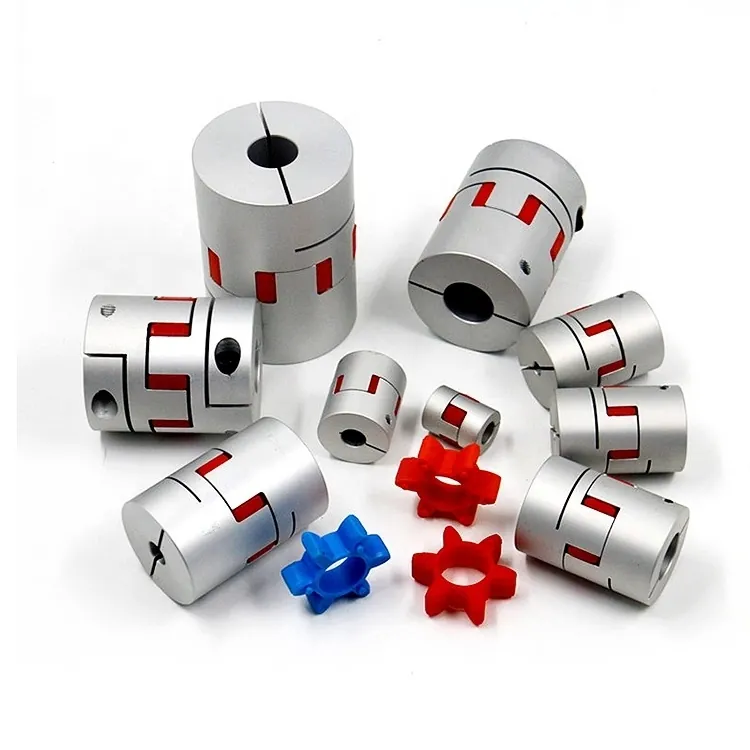
TEBAK High-strength Flexible Spider Jaw Type Clamping
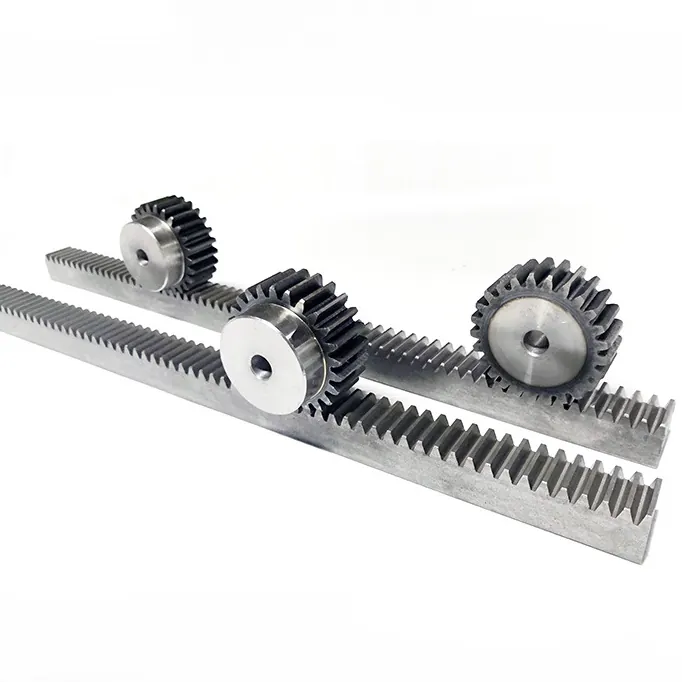
TEBAK Gear Rack, Straight Tooth M1 M2 M3 M4 M5 M6 Custom
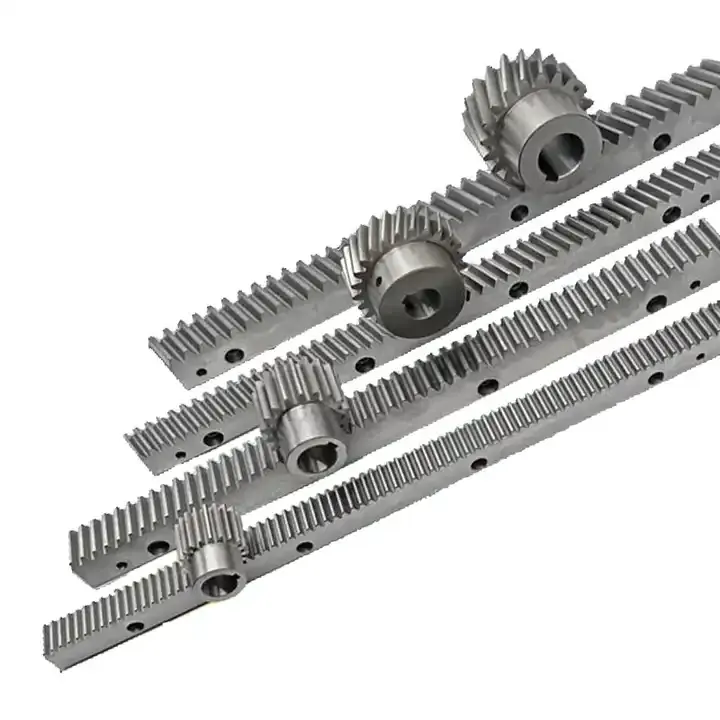
TEBAK Gear Rack, European Standard, Module Cut to Order
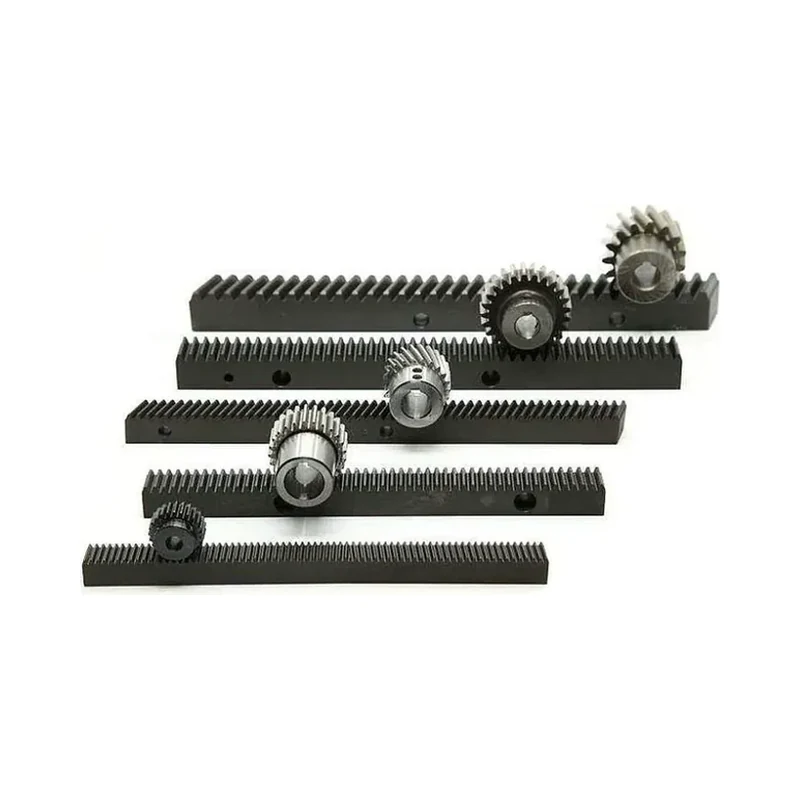
TEBAK Black Oxide Steel Straight Helical Gear Rack
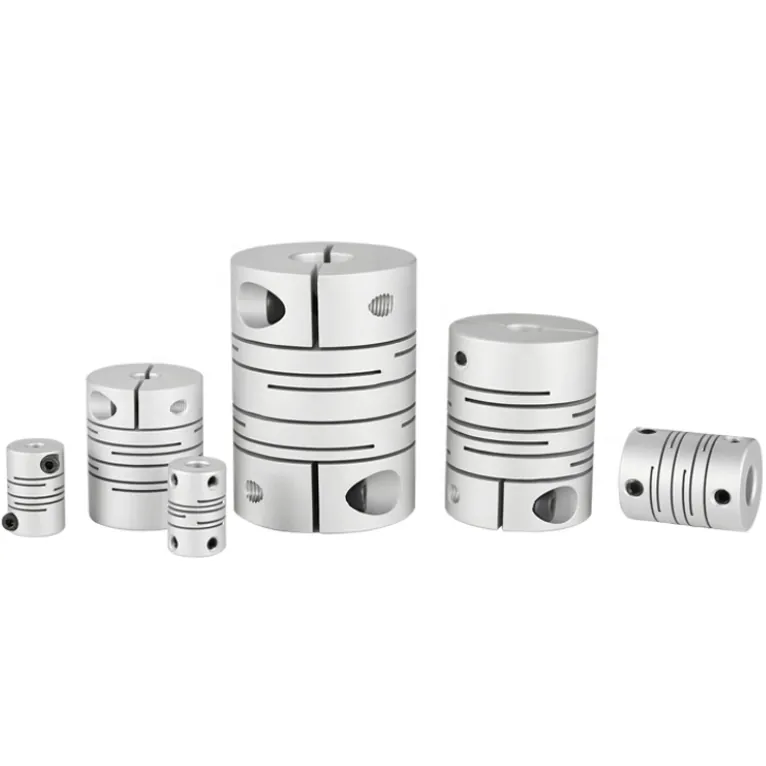
TEBAK Coupling, Grooved Parallel Line Coupler Aluminum
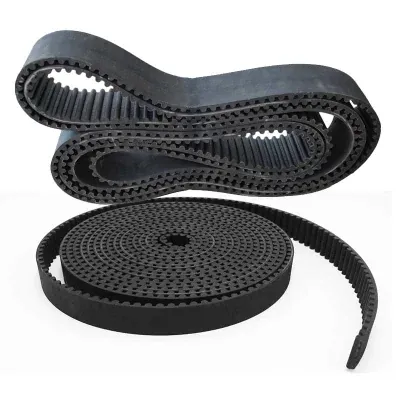
TEBAK Timing Belt, Open End Rubber or PU Industrial Belt
Interested in this product?
Send your details and we will respond within 24 hours.