
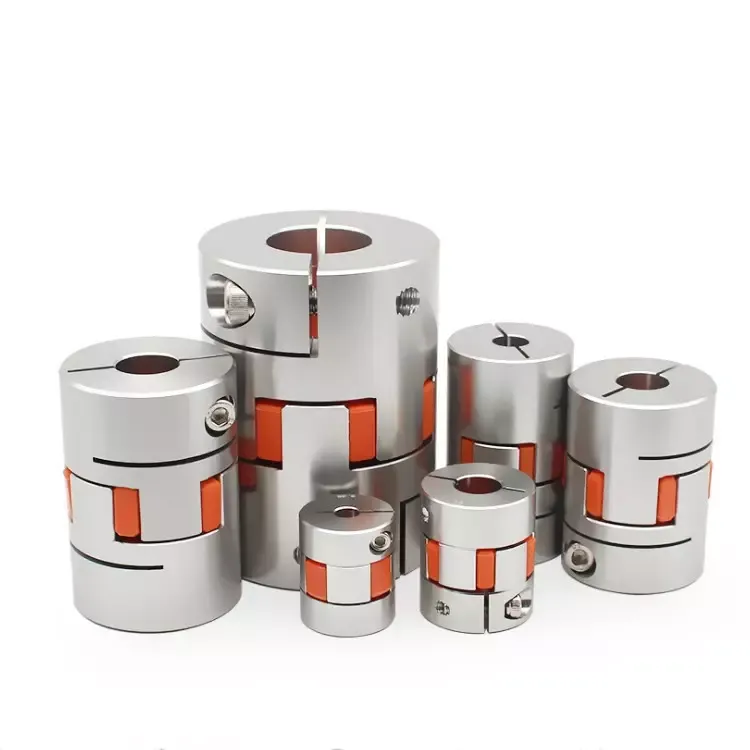
Plum Clamp Coupling, D20L25-D40L66, 4-12.7 mm Bore, for servo drives
Request pricing, MOQ and lead time for this product — we reply within 24 hours.
Construction
| Type | Flexible |
|---|---|
| Structure | Universal |
| Material | Aluminum |
| Flexibility | Flexible |
| Body material | Aluminum Alloy |
Size
| Bore diameter | 4 mm - 12.7 mm |
|---|---|
| Shaft size | Customized |
| Models | D20L25, D25L30, D20L35, D32L45, D30L35, D40L66 |
Performance
| Maximum speed | 1,000 rpm - 5,000 rpm |
|---|
Supply
| Standard | Standard |
|---|---|
| Customized support | OEM |
Application
| Feature | Long Operating Life |
|---|---|
| Application | Industrial Equipment |
Values above are the manufacturer's published figures for this series. Anything not listed — dynamic load rating, straightness, preload class — is confirmed against the drawing at RFQ.
Description
Overview
A plum clamp coupling in aluminium alloy with bores from 4 mm to 12.7 mm, body sizes from D20L25 to D40L66, and a speed range from 1,000 to 5,000 rpm depending on the size. The plum coupling, also called a jaw coupling or a spider coupling, carries the drive through an elastomer star that sits between the curved jaws of the two hubs. Each hub has jaws that engage alternate arms of the star, so the torque passes through the elastomer in compression; the star takes the misalignment, damps shock, and insulates the shafts electrically, while the aluminium hubs keep the assembly light.
Key Features
· Type: Flexible
· Bore diameter: 4 mm - 12.7 mm
· Maximum speed: 1,000 rpm - 5,000 rpm
· Structure: Universal
· Material: Aluminum
· Standard: Standard
· Supplied as a replacement part or as a production item for machine builders
· Material, tolerance and surface treatment confirmed against the drawing
Specifications
The parameter table above lists the values published for this item. Where a value depends on the machine it is going into, the drawing or the RFQ fixes it, and we confirm before production rather than after.
Application
The clamp hub is what separates this coupling from the set screw version. A single slit in each hub is closed by a screw, so the bore grips the shaft around its full circumference. On a small aluminium hub this matters more than on a large steel one, because a set screw in soft material produces a local dent, tilts the hub, and leaves the shaft marked at the one point where the next component has to sit. A clamp hub distributes the load, holds concentricity, and can be re-positioned without leaving a burr that has to be filed off.
The size list covers the range that small machines actually use: D20L25, D25L30, D20L35, D30L35, D32L45 and D40L66, where the first number is the outside diameter in millimetres and the second is the length. Splitting the range this way lets a designer choose a body that fits the space between the motor and the screw rather than the next size up. Bores from 4 mm to 12.7 mm cover metric motor shafts and the imperial sizes 6.35, 9.525 and 12.7 mm, and a bore pair can mix the two.
The speed range from 1,000 to 5,000 rpm is a property of the size range rather than of one coupling: a D20 body turns far faster than a D40 before balance and bearing loads become the limit, and the smaller bodies are the ones used on high speed small axes. At the top of that range the balance of the assembled shaft line matters, and a coupling that is balanced in itself can still vibrate on a shaft with a keyway cut into one side.
Applications are the small machine and automation market: the motor to lead screw or ball screw joint on 3D printers, laser cutters, engravers, desktop CNC routers and small mills; the drive to a small conveyor, feeder or index table; the connection to an encoder or a handwheel; valve and damper actuators; laboratory and test equipment; and the axis drives on packaging, labelling and dispensing machines. The elastomer star makes the coupling tolerant of the small misalignment that remains after a bracket has been bolted on, which is why it is so common on machines assembled from laser cut and folded parts.
Installation & Maintenance
Selection starts with the shaft and the space, then the torque. The bore pair fixes the hub size, the available length between the motor and the screw fixes the body length, and the peak torque of the drive fixes the star hardness and the body size. A servo that accelerates a heavy table produces a torque peak at every start, and a star that is too soft will compress under that peak and show the effect as a lag between motor and screw at each reversal. A star that is too hard passes shock into the screw. The middle grade is usually right for a general purpose axis.
Installation: clean the bore and the shaft, check the shaft diameter along the engagement length, slide the hubs on and set the axial gap between them so the star sits in the jaws without being squeezed, then tighten the clamp screws to the specified torque with a wrench rather than by feel. Aluminium threads are easy to strip, so the torque figure matters. Indicate each hub after tightening; a hub that runs out will show as a once per revolution vibration that no amount of balancing will remove.
The star is a wear item and is meant to be replaced. Signs that it needs replacing: a set in the arms, a colour change from the original, cracks at the root of an arm, or a knock at each reversal. Because the star can be changed without removing either hub, a spare set of stars in the two hardnesses used on the machine is a sensible stock item. Replacing the star restores the coupling to its original condition and does not require re-indicating the shaft line.
To quote: bore pair, body size, star hardness, the maximum speed and peak torque, the space available, and the ambient conditions if the machine runs hot or uses coolant. With the shaft diameters, the distance between the shaft ends, and the peak torque, the body size and star can be fixed and a drawing issued for approval before production.
Asked for by name, this is a plum coupling, a jaw coupling and a spider coupling depending on which market the buyer comes from, and the bore diameter range from 4 mm to 12.7 mm is what makes one body size cover most small machines. It is not a zero backlash coupling and its torsional stiffness is set by the star rather than by metal, which is the trade for the damping it gives a servo motor or stepper motor axis. When the enquiry is about a flexible shaft coupling for a small lead screw, the body size and the star hardness are the two questions to settle first.
Package & Lead Time
Standard export packing: each part is sleeved and cartoned, screws and rails are protected along their length, and larger assemblies travel crated. Lead time is confirmed with the quotation: standard sizes normally ship within 5 to 15 days of a confirmed drawing, custom parts against the agreed schedule. Minimum order is one piece, and sample orders are accepted before a production run.
Request a Quote
Send the model number or the drawing, with the shaft or rail size and the quantity you need, and we will reply with a quotation. For non-standard lengths, bore pairs, keyways and material changes we work from your drawing; bulk orders are quoted per quantity band and a sample can be supplied for approval.
Related components
Detail images
Questions buyers ask about this item
What bore sizes are available?
10mm.
Which body sizes are in this range?
D20L25, D25L30, D20L35, D32L45, D30L35, D40L66.
What speed is it rated for?
5,000 rpm to 1,000 rpm.
Can the bore be machined to my shaft?
Yes. Bore pairs, keyways and clamp sizes are machined to the drawing, including mixed bores on the two hubs.
Is the torque rating fixed?
Torque is quoted for the body and bore you order and is confirmed on the drawing.
Related products
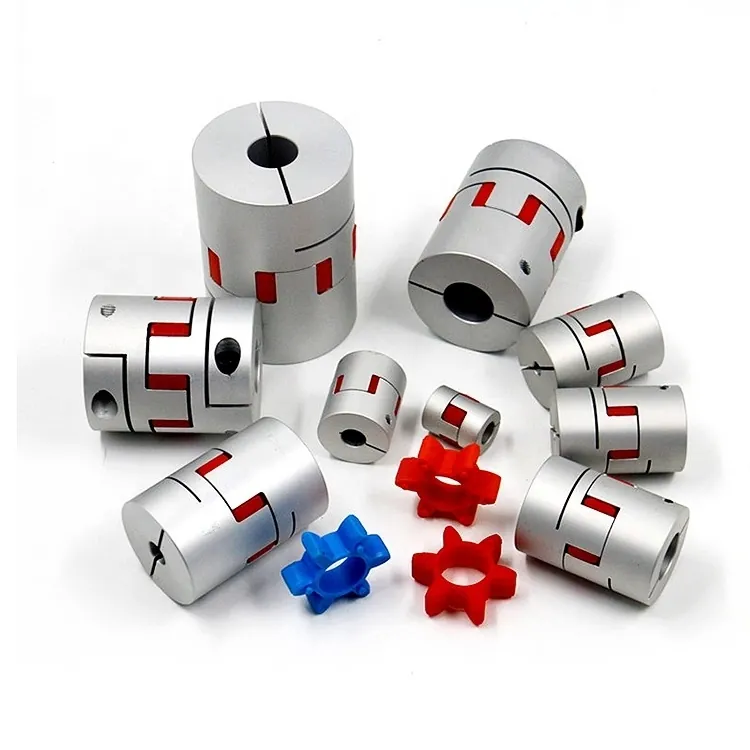
TEBAK High-strength Flexible Spider Jaw Type Clamping
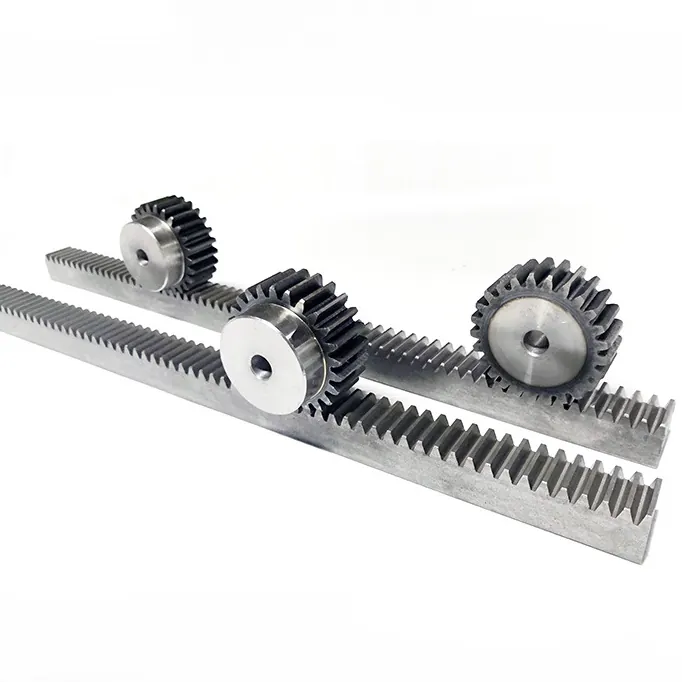
TEBAK Gear Rack, Straight Tooth M1 M2 M3 M4 M5 M6 Custom
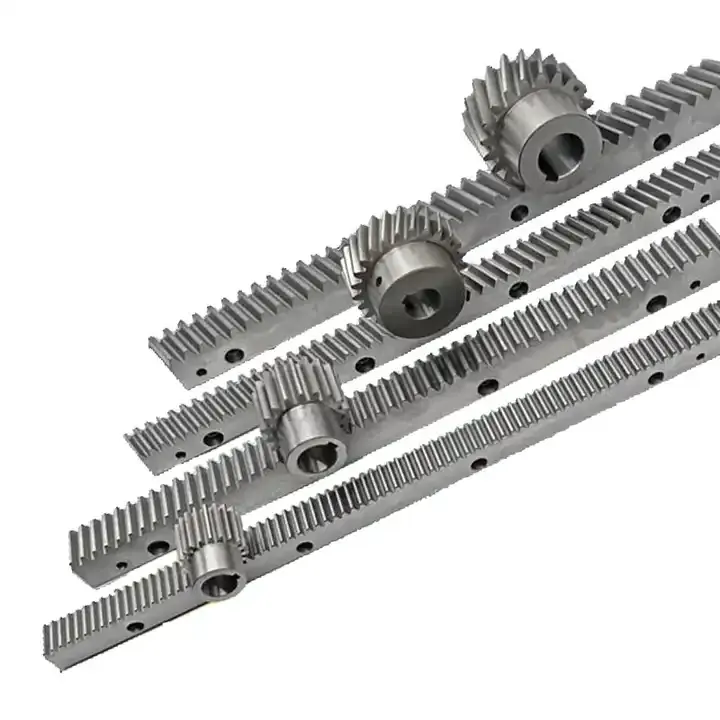
TEBAK Gear Rack, European Standard, Module Cut to Order
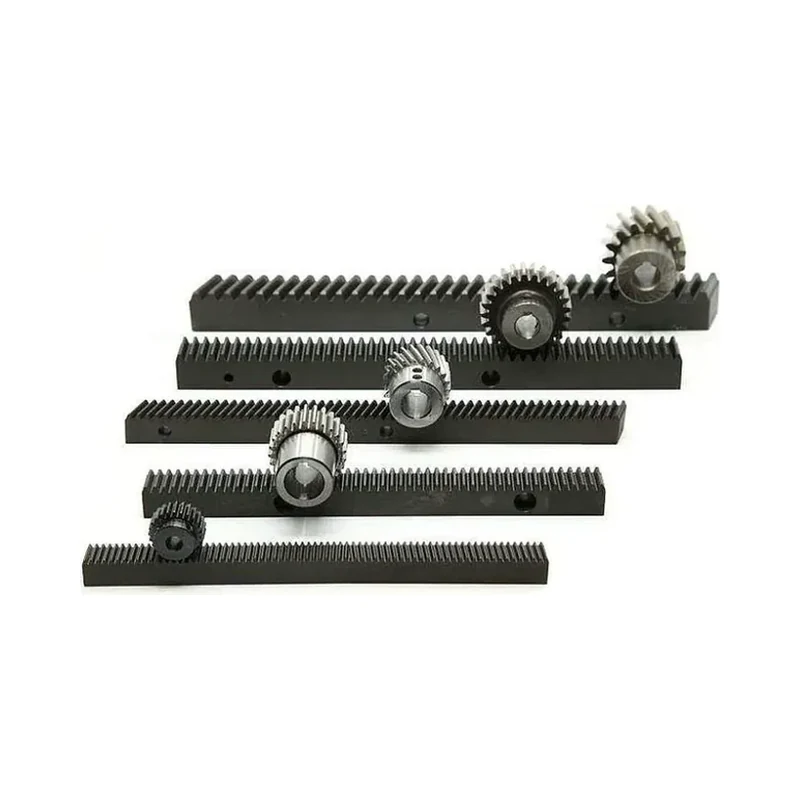
TEBAK Black Oxide Steel Straight Helical Gear Rack
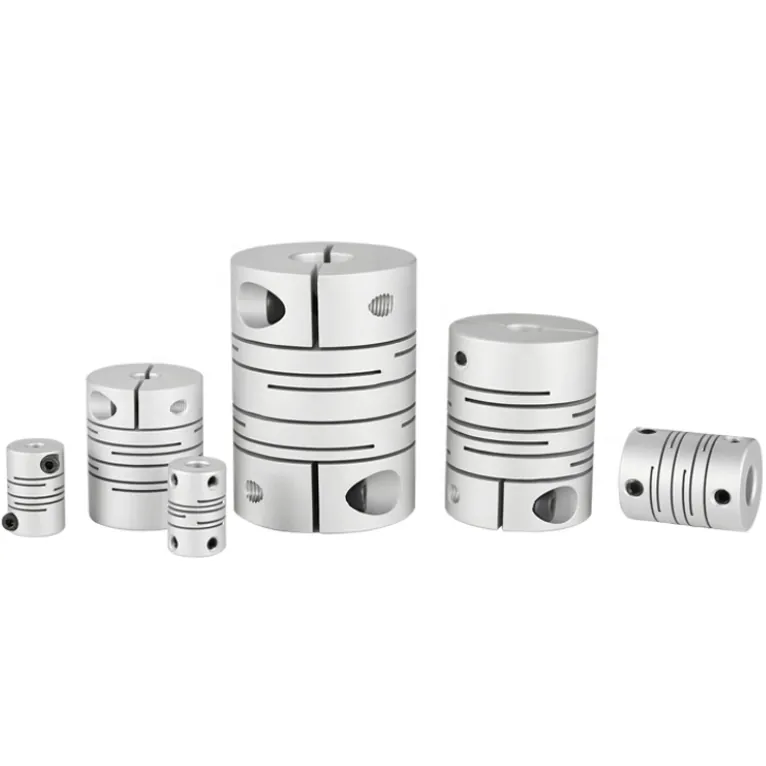
TEBAK Coupling, Grooved Parallel Line Coupler Aluminum
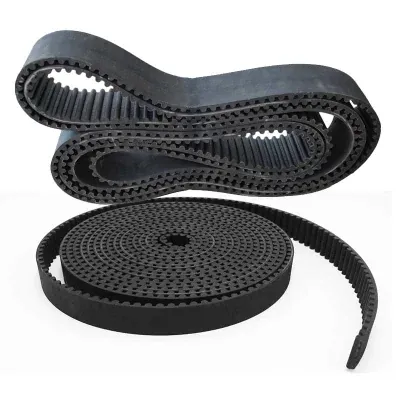
TEBAK Timing Belt, Open End Rubber or PU Industrial Belt
Interested in this product?
Send your details and we will respond within 24 hours.