
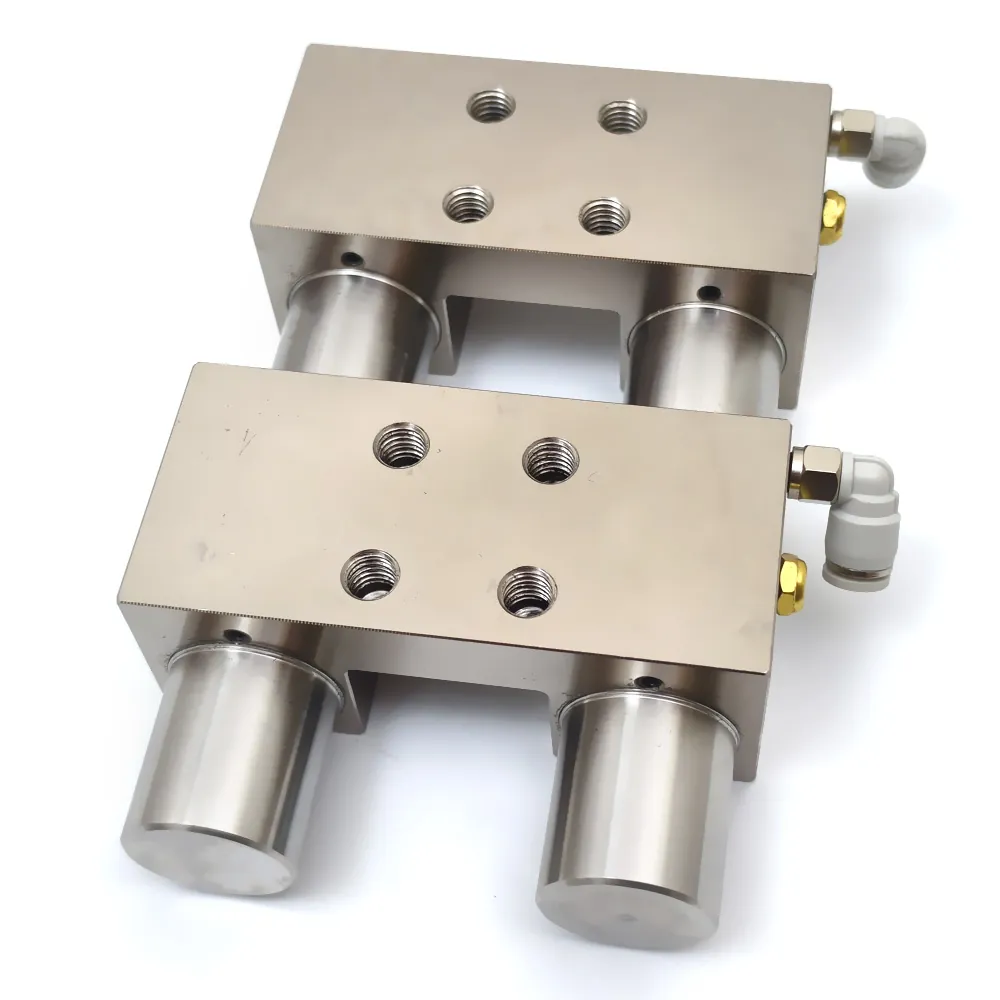
AKS35B–MKS6501A Rail Clamp MKS3501A, for industrial use
Request pricing, MOQ and lead time for this product — we reply within 24 hours.
Supply conditions
| Place of origin | China |
|---|---|
| MOQ | 1 Set |
Values above are the manufacturer's published figures for this series. Anything not listed — dynamic load rating, straightness, preload class — is confirmed against the drawing at RFQ.
Description
Overview
The rail clamp for linear guides in this listing belongs to the group of parts that make a linear axis repeatable: it carries the load, holds the geometry, and sets the accuracy that the rest of the machine can achieve. A rail clamp grips the guide rail itself rather than the drive, so it holds a carriage in place without relying on the motor or the screw. Most designs close a wedge or a jaw onto the rail with a spring and release it with air or by hand, which means the clamp holds when the machine loses power, and the holding force acts directly on the rail rather than through the drive train.
Key Features
· Weight (kg): 1
· Core components: none
· Place of origin: China
· Lead Time: 3~5days
· Industry experience: 20 years
· Customized service: Available
· Supplied as a replacement part or as a production item for machine builders
· Material, tolerance and surface treatment confirmed against the drawing
Specifications
The parameter table above lists the values published for this item. Where a value depends on the machine it is going into, the drawing or the RFQ fixes it, and we confirm before production rather than after.
Application
Model designation: AKS35B, MKS6501A, MKS3501A.
The two numbers that matter are the holding force and the rail size the clamp fits. The holding force has to cover the load the axis would otherwise carry plus a margin for a machine that is pushed or loaded while clamped, and the clamp must be matched to the rail series and width rather than to the block, because it grips the rail.
Installation decides more of the finished accuracy than the part tolerance does. Mounting faces should be clean and flat, fasteners should be tightened in a sequence that does not distort the body, and the assembly should be checked with an indicator before the machine is run. A part that is bolted down onto a burr or a painted face will not sit straight however accurate it is.
Where it is used: vertical axes that must not drop, machine tools that hold position during a tool change, gantries parked for loading, safety holding on press and lifting equipment, measurement stages locked while a probe is in contact.
Installation & Maintenance
Choosing between two sizes usually comes down to what the machine will do with the margin. A larger size carries the load more comfortably and lasts longer, but it takes more space, costs more, and may add mass that the drive then has to accelerate. A smaller size saves space and cost but leaves less room for the peak that appears when an axis reverses with the load at the end of its stroke, so the honest comparison is between total cost of ownership rather than unit price.
Load rating is a working limit rather than a failure point. A part run at its rated load for a long time will reach the end of its life sooner than one run at half that load, because life falls faster than load rises. In a machine the load also moves: an axis that stops and starts applies a peak at each reversal, and a gantry applies a moment when the load is at the end of its stroke rather than over the bearing.
Where the machine works in a clean room, the part has to run with the lubricant it was supplied with and must not shed particles; where it works in a foundry or a wood shop, it needs protection that can be cleaned. Specifying the environment at the quotation stage is what allows the material, the coating and the sealing to be chosen together instead of being patched afterwards.
Maintenance is inspection rather than servicing. Check for a change in the sound of the axis, for marks that show load concentrated in one place, and for any movement that was not there when the machine was built. Recording the condition at commissioning gives a baseline to compare against later.
Ordering information that shortens delivery: the size designation from the table, any non standard length or bore, the material or coating if the environment requires it, and the quantity for the first order. Where the part is part of a set, order the set so the fit is matched rather than assembling a mixed batch.
Package & Lead Time
Standard export packing: each part is sleeved and cartoned, screws and rails are protected along their length, and larger assemblies travel crated. Lead time is confirmed with the quotation: standard sizes normally ship within 5 to 15 days of a confirmed drawing, custom parts against the agreed schedule. Minimum order is one piece, and sample orders are accepted before a production run.
Request a Quote
Send the model number or the drawing, with the shaft or rail size and the quantity you need, and we will reply with a quotation. For non-standard lengths, bore pairs, keyways and material changes we work from your drawing; bulk orders are quoted per quantity band and a sample can be supplied for approval.
Related components
Detail images
Related products
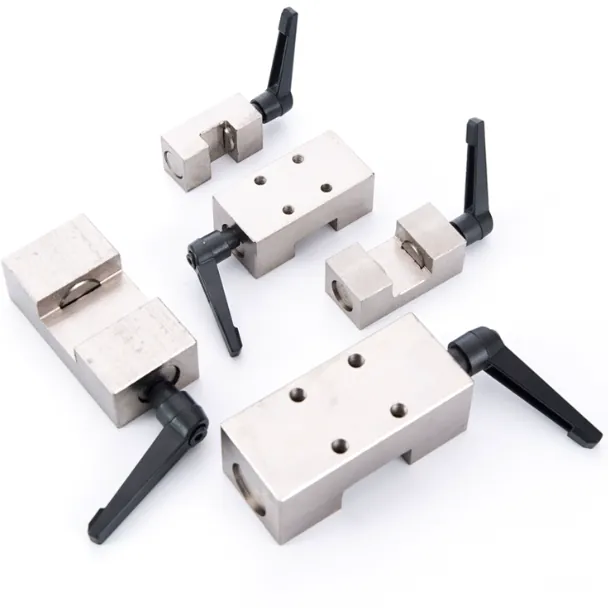
TEBAK SD3501 HK3501A Rail Clamp 0.85 NONE
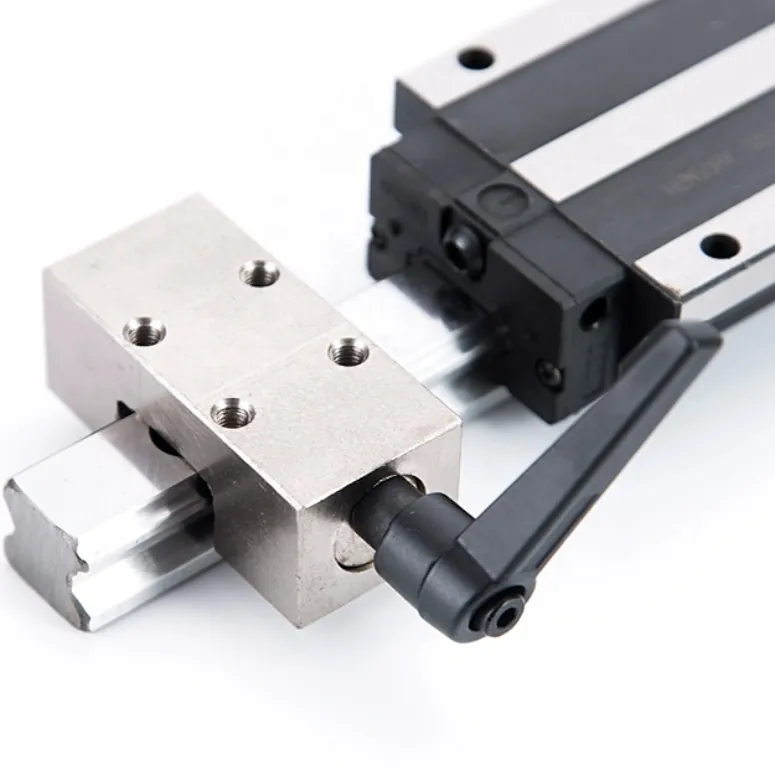
TEBAK Rail Clamp, 15mm 20mm 25mm 30mm 35mm 45mm Linear
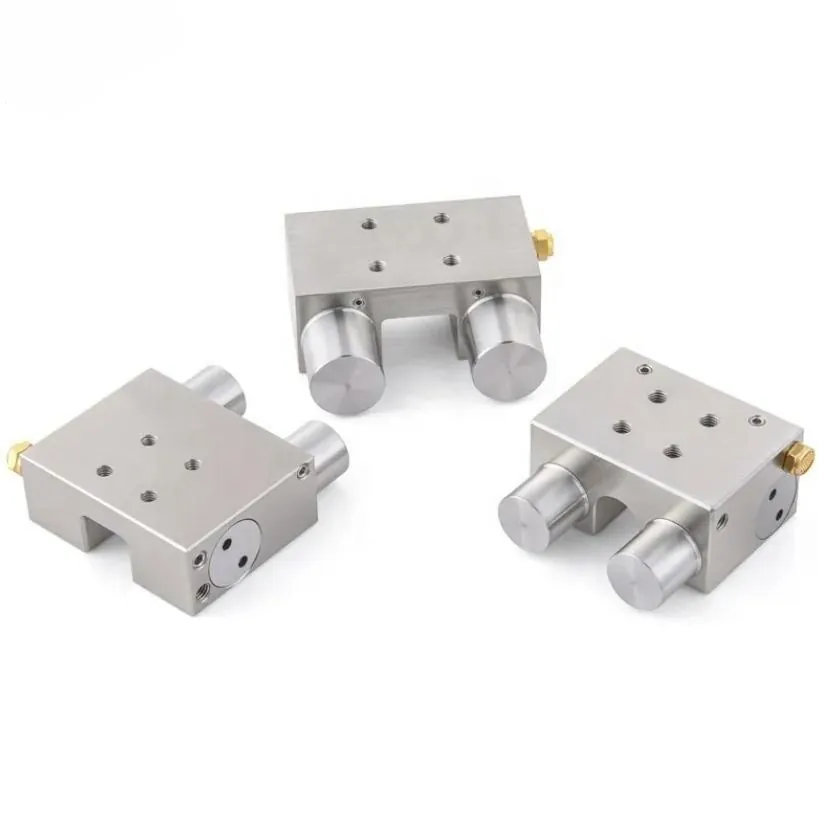
TEBAK AKS Series Pneumatic Rail Clamp for MKS Series
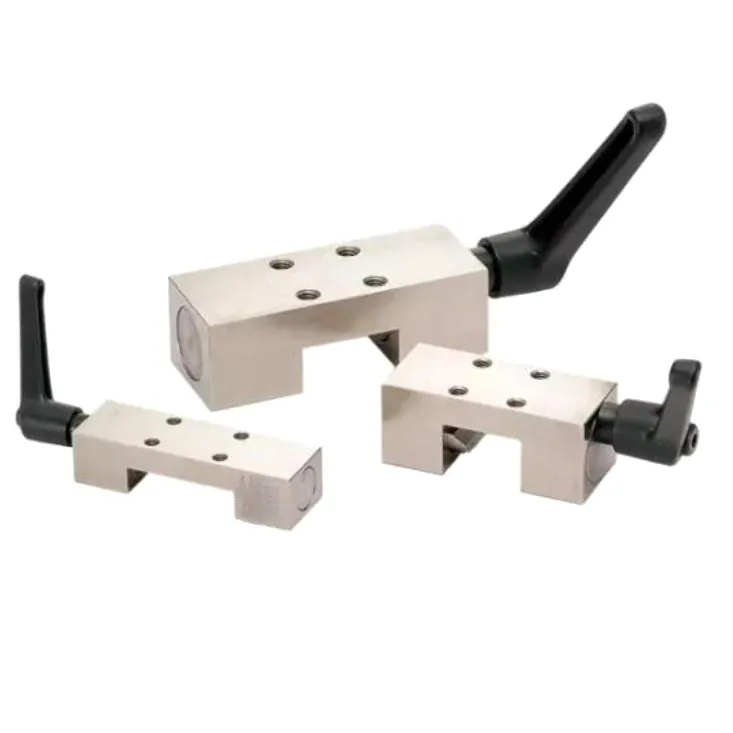
TEBAK Rail Clamp, Clamping and Braking Elements for
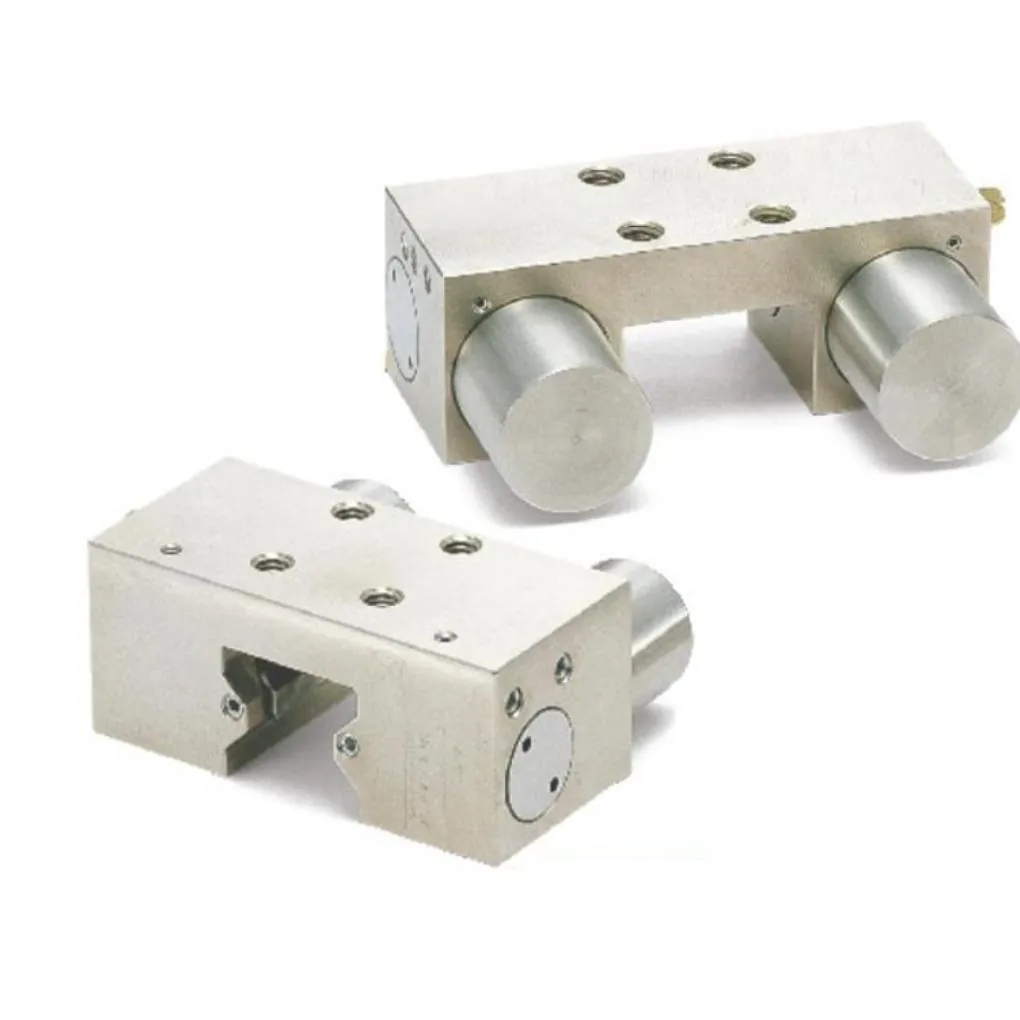
TEBAK Heavy Load MKS4501A–MKS6501A Rail Clamp MKS5501A
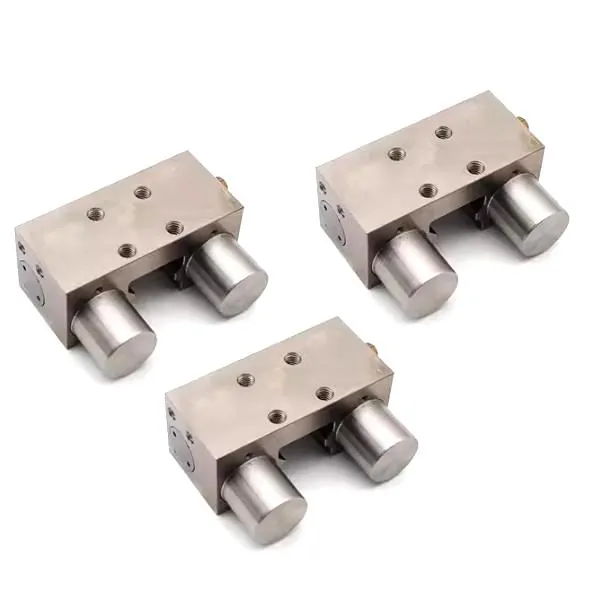
TEBAK Air Control Pneumatic 15mm 20mm 25mm 30mm Guide
Interested in this product?
Send your details and we will respond within 24 hours.