
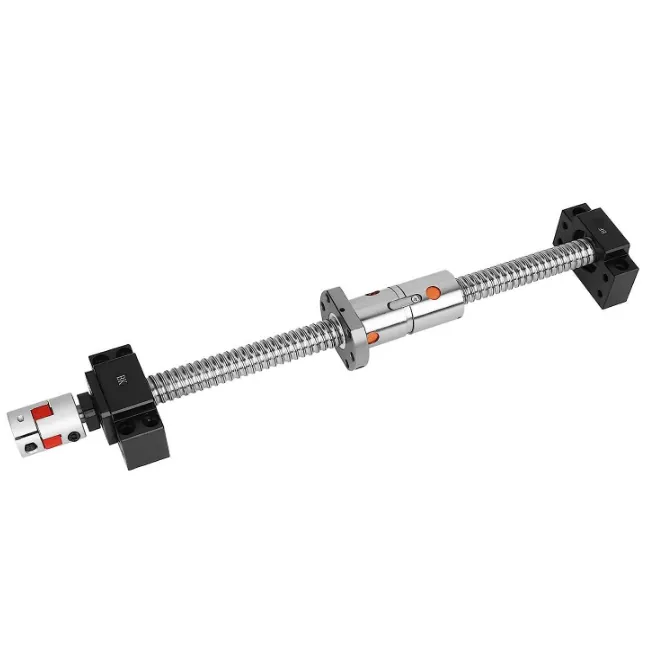
DFU2504–DFU2510 Ball Screw 25 x 4 lead, for CNC machines
Request pricing, MOQ and lead time for this product — we reply within 24 hours.
Dimensions and configuration
| Screw diameter | 25 mm |
|---|---|
| Lead | 4 mm |
Material and surface treatment
| Material | Gcr15(HRC60~62),9Cr18(HRC55~58) Axial play 0~0.005mm(Can be zero) |
|---|
Accuracy and running characteristics
| Preload | P0,P1,P2,P3,P4 |
|---|---|
| Efficiency | >90% |
Supply conditions
| Packing | Carton+Plastic bag + Wooden box or according to customers' demands |
|---|---|
| Warranty | 1.5 year |
| Place of origin | Jiangsu, China |
Values above are the manufacturer's published figures for this series. Anything not listed — dynamic load rating, straightness, preload class — is confirmed against the drawing at RFQ.
Description
Overview
A ball screw is chosen for the job it does in the axis rather than on its own: the load it carries, the accuracy it has to hold and the way it is mounted decide whether a given size is right. This page sets out those relationships for this range. A ball screw converts rotation into linear movement through recirculating balls that run between the screw and the nut, so the contact is rolling rather than sliding. That is what gives a ball screw its efficiency and its low friction, and it is also why the drive is not self locking: a vertical ball screw needs a brake or a counterbalance to hold position with the motor off.
Key Features
· Warranty: 1.5 year
· Weight (kg): 0.8
· Video outgoing-inspection: Provided
· Machinery test report: Provided
· Core components: Motor
· Material: Bearing steel
· Supplied as a replacement part or as a production item for machine builders
· Material, tolerance and surface treatment confirmed against the drawing
Specifications
The parameter table above lists the values published for this item. Where a value depends on the machine it is going into, the drawing or the RFQ fixes it, and we confirm before production rather than after.
Application
Model designation: DFU2504, DFU2510. Accuracy grade: C1, C3, C5, C7. Preload: P0, P1, P2, P3, P4.
Accuracy grade, preload class and axial clearance describe how much lost motion and lead error the screw contributes to the axis; diameter and lead decide thrust, speed and buckling; and the end machining has to match the bearing arrangement the machine uses.
Installation decides more of the finished accuracy than the part tolerance does. Mounting faces should be clean and flat, fasteners should be tightened in a sequence that does not distort the body, and the assembly should be checked with an indicator before the machine is run. A part that is bolted down onto a burr or a painted face will not sit straight however accurate it is.
Where it is used: CNC machine axes, automation gantries, presses and forming equipment, semiconductor and inspection stages, medical and laboratory equipment, packaging machines.
Axial play: 0~0.005mm(Can be zero). Efficiency: >90%. Material: Bearing steel. Surface: Black chrome plated and so on.
Installation & Maintenance
Choosing between two sizes usually comes down to what the machine will do with the margin. A larger size carries the load more comfortably and lasts longer, but it takes more space, costs more, and may add mass that the drive then has to accelerate. A smaller size saves space and cost but leaves less room for the peak that appears when an axis reverses with the load at the end of its stroke, so the honest comparison is between total cost of ownership rather than unit price.
Two limits belong together: the static one, which sets how much load the part can take without permanent deformation, and the dynamic one, which sets life under movement. A machine that is loaded while stationary is limited by the first, a machine that runs continuously is limited by the second, and a machine that does both has to satisfy whichever number is smaller in the application.
Temperature deserves a thought on any axis that runs for hours. A part that is clamped between two rigid structures and then warms up has nowhere to expand, so the geometry changes and the load goes up. Where that is likely, one end of the assembly is normally left free to move, and the part is mounted so that the movement does not affect the alignment of the axis.
Look for the signs that matter on this class of part: a polished band where the load concentrates, a burr at an edge that has been hit, corrosion on a bearing surface, and any lost motion that has appeared since installation. Each of these points to a cause in the machine rather than a fault in the part.
For a quotation, send the size, the quantity, the accuracy or grade required and a drawing or photograph of the mounting interface. Where the part has to match an existing machine, the dimensions of the old part and the distance between its mounting holes are the two measurements that avoid a mismatch.
Package & Lead Time
Standard export packing: each part is sleeved and cartoned, screws and rails are protected along their length, and larger assemblies travel crated. Lead time is confirmed with the quotation: standard sizes normally ship within 5 to 15 days of a confirmed drawing, custom parts against the agreed schedule. Minimum order is one piece, and sample orders are accepted before a production run.
Request a Quote
Send the model number or the drawing, with the shaft or rail size and the quantity you need, and we will reply with a quotation. For non-standard lengths, bore pairs, keyways and material changes we work from your drawing; bulk orders are quoted per quantity band and a sample can be supplied for approval.
Related components
Detail images
Questions buyers ask about this item
What screw diameter and lead does this use?
Screw diameter 25 mm, lead 4 mm.
What preload options are offered?
P0,P1,P2,P3,P4
What material is it made from?
Gcr15(HRC60~62),9Cr18(HRC55~58) Axial play 0~0.005mm(Can be zero)
Related products
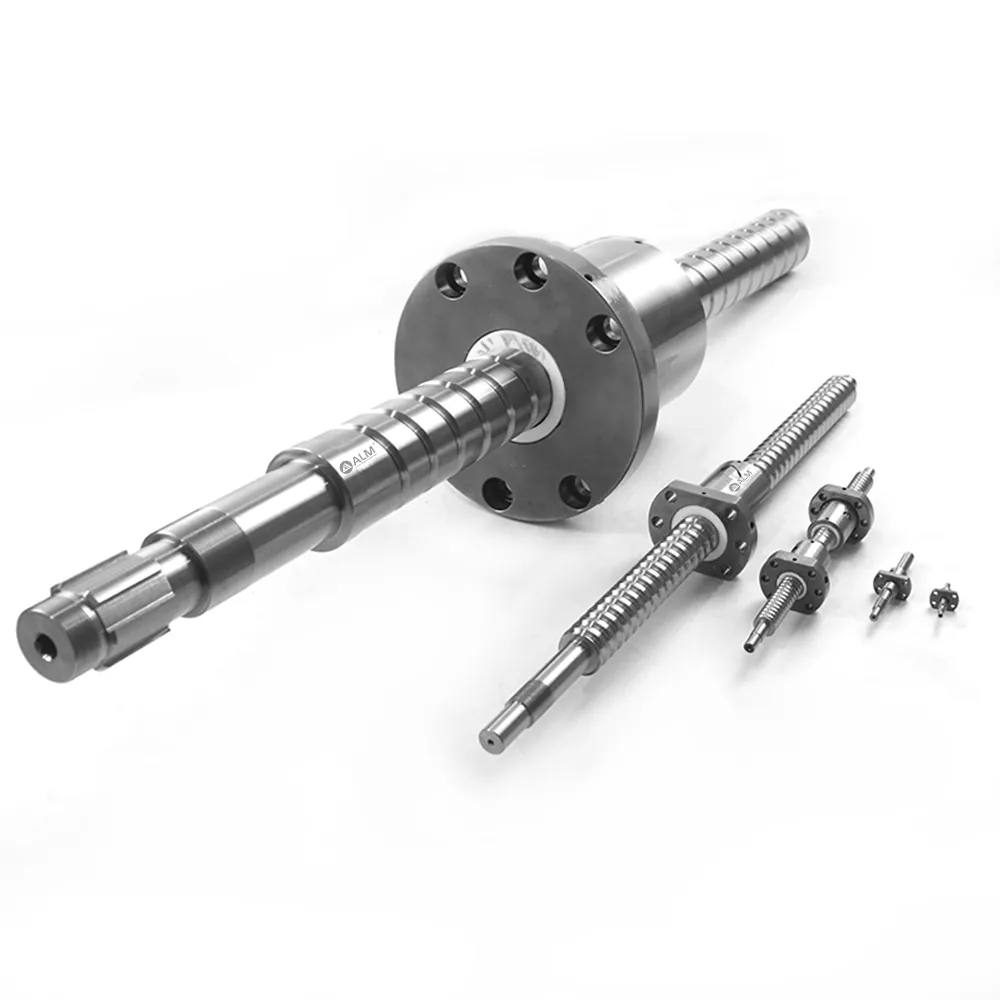
TEBAK Stainless Steel Carbon Steel Miniature High
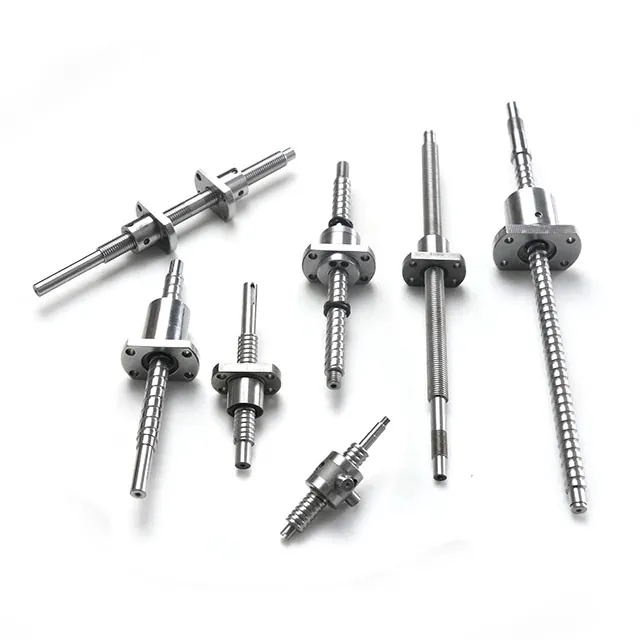
TEBAK Miniature SFK0801 SFK0802 Ball Screw, dia 8 mm
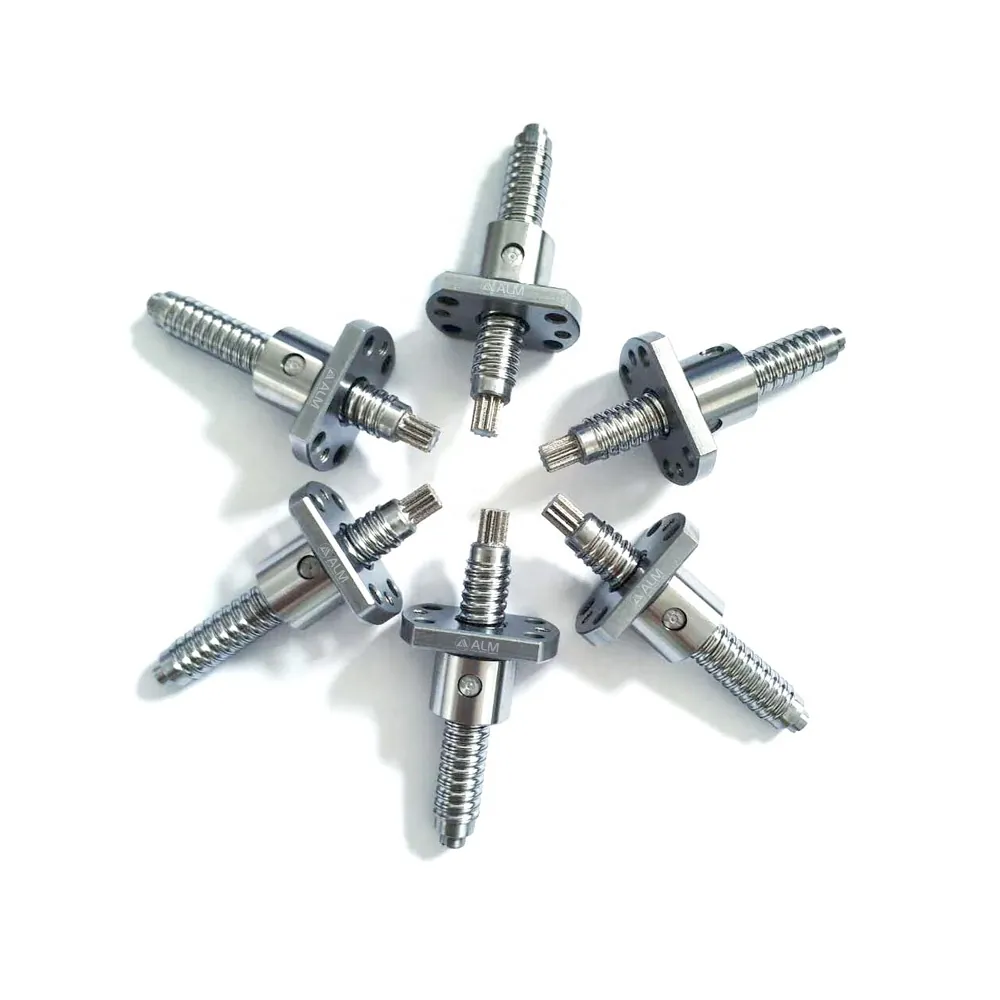
TEBAK High Precision Bearing Steel Stainless Steel
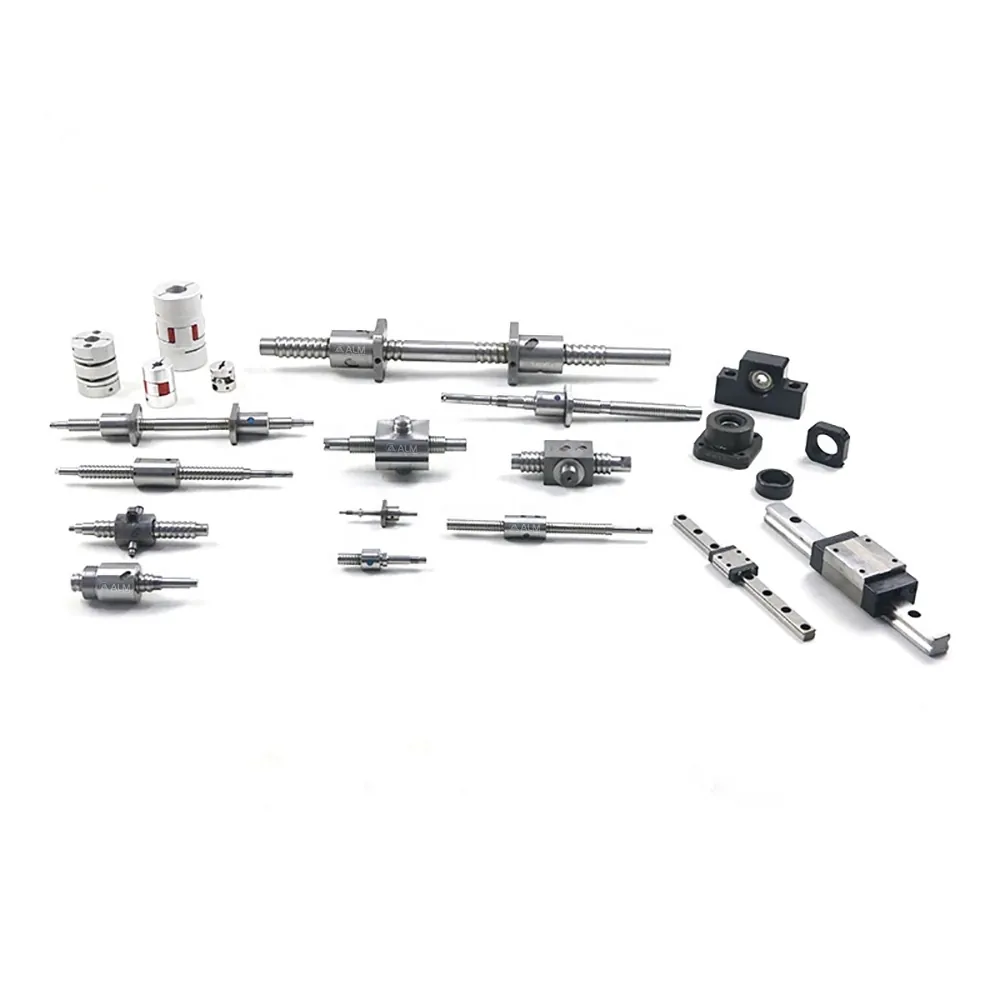
TEBAK Precision Ball Screw, dia 4 mm
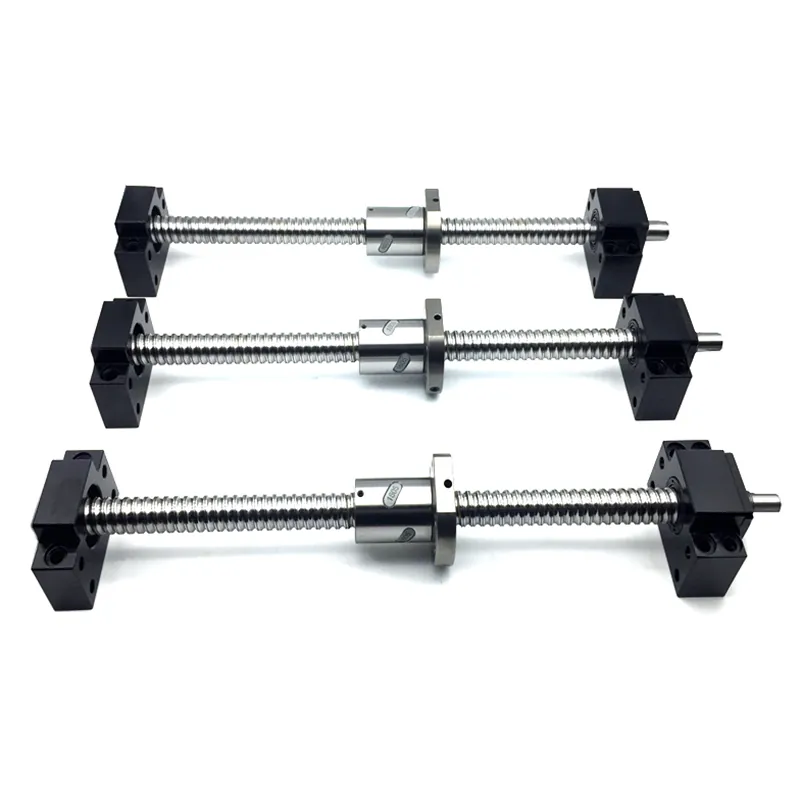
TEBAK SFU1605 Ball Screw, dia 16 mm 16 x 5 lead
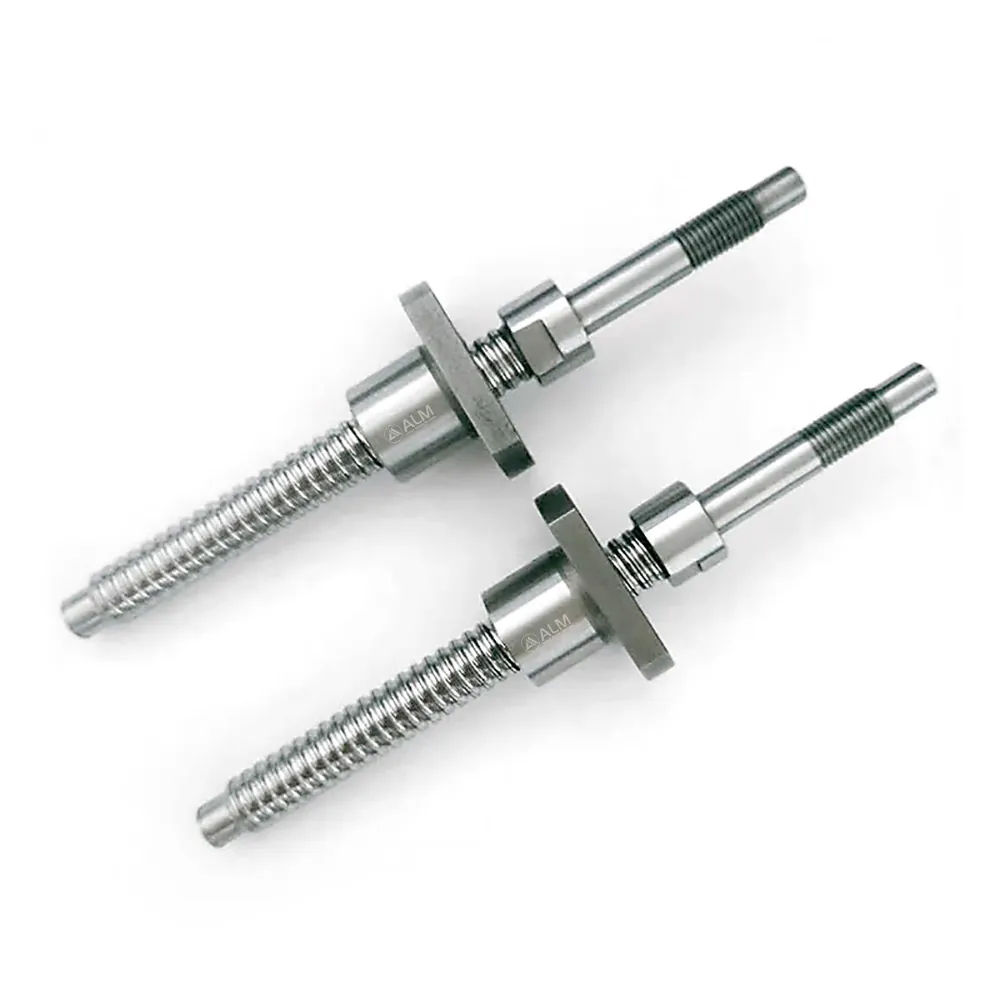
TEBAK High Precision Right Hand Thread Ball Screw 0601
Interested in this product?
Send your details and we will respond within 24 hours.