
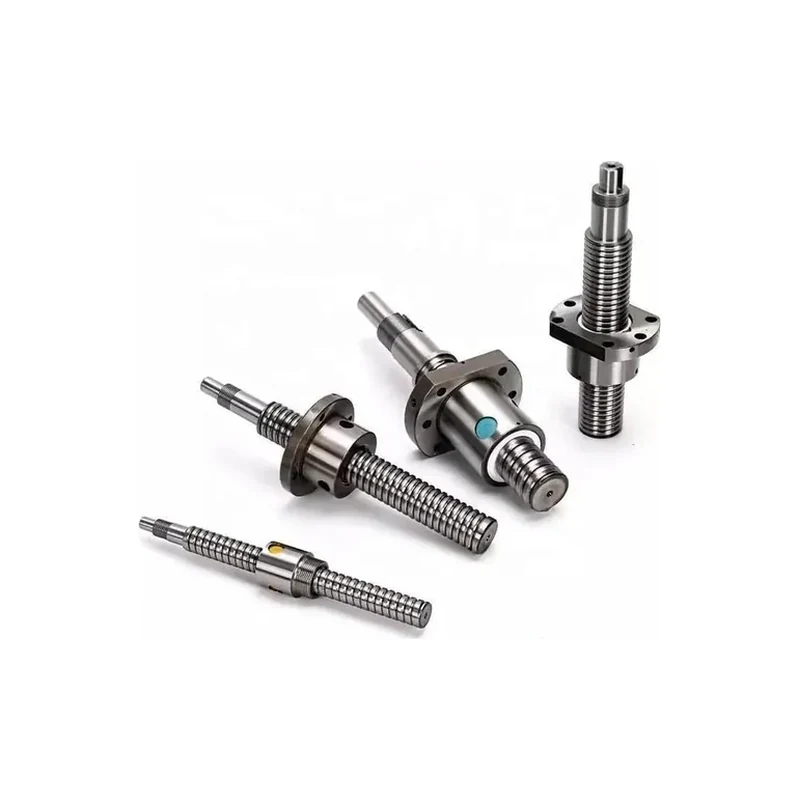
Ball Screw, 4mm Diameter Pitch 1mm 2mm 6mm 4x1 4x2, for CNC machines
Request pricing, MOQ and lead time for this product — we reply within 24 hours.
Dimensions and configuration
| Pitch | 1 mm |
|---|
Material and surface treatment
| Material | Gcr15(HRC60~62),9Cr18(HRC55~58) Axial play 0~0.005mm(Can be zero) |
|---|
Accuracy and running characteristics
| Preload | P0,P1,P2,P3,P4 |
|---|---|
| Efficiency | >90% |
Supply conditions
| Packing | Carton+Plastic bag + Wooden box or according to customers' demands |
|---|---|
| Warranty | 1.5 year |
| Place of origin | Jiangsu, China |
| MOQ | 1 Set |
Values above are the manufacturer's published figures for this series. Anything not listed — dynamic load rating, straightness, preload class — is confirmed against the drawing at RFQ.
Description
Overview
The ball screw in this listing belongs to the group of parts that make a linear axis repeatable: it carries the load, holds the geometry, and sets the accuracy that the rest of the machine can achieve. A ball screw converts rotation into linear movement through recirculating balls that run between the screw and the nut, so the contact is rolling rather than sliding. That is what gives a ball screw its efficiency and its low friction, and it is also why the drive is not self locking: a vertical ball screw needs a brake or a counterbalance to hold position with the motor off.
Key Features
· Warranty: 1.5 year
· Weight (kg): 0.8
· Video outgoing-inspection: Provided
· Machinery test report: Provided
· Core components: Motor
· Material: Bearing steel
· Supplied as a replacement part or as a production item for machine builders
· Material, tolerance and surface treatment confirmed against the drawing
Specifications
The parameter table above lists the values published for this item. Where a value depends on the machine it is going into, the drawing or the RFQ fixes it, and we confirm before production rather than after.
Application
Accuracy grade: C1, C3, C5, C7. Preload: P0, P1, P2, P3, P4. Axial play: 0~0.005mm(Can be zero).
Accuracy grade, preload class and axial clearance describe how much lost motion and lead error the screw contributes to the axis; diameter and lead decide thrust, speed and buckling; and the end machining has to match the bearing arrangement the machine uses.
Fitting is a sequence rather than a single action: prepare the mounting face, place the part without forcing it, bring the fasteners up evenly, and check the result before moving on. Where two parts have to be parallel or in line, indicate one against the other rather than trusting the machined faces alone, because stacked tolerances are what turn a good part into an inaccurate axis.
Where it is used: CNC machine axes, automation gantries, presses and forming equipment, semiconductor and inspection stages, medical and laboratory equipment, packaging machines.
Efficiency: >90%. Material: Bearing steel. Surface: Black chrome plated and so on.
Installation & Maintenance
Choosing between two sizes usually comes down to what the machine will do with the margin. A larger size carries the load more comfortably and lasts longer, but it takes more space, costs more, and may add mass that the drive then has to accelerate. A smaller size saves space and cost but leaves less room for the peak that appears when an axis reverses with the load at the end of its stroke, so the honest comparison is between total cost of ownership rather than unit price.
Load rating is a working limit rather than a failure point. A part run at its rated load for a long time will reach the end of its life sooner than one run at half that load, because life falls faster than load rises. In a machine the load also moves: an axis that stops and starts applies a peak at each reversal, and a gantry applies a moment when the load is at the end of its stroke rather than over the bearing.
Where the machine works in a clean room, the part has to run with the lubricant it was supplied with and must not shed particles; where it works in a foundry or a wood shop, it needs protection that can be cleaned. Specifying the environment at the quotation stage is what allows the material, the coating and the sealing to be chosen together instead of being patched afterwards.
Maintenance is inspection rather than servicing. Check for a change in the sound of the axis, for marks that show load concentrated in one place, and for any movement that was not there when the machine was built. Recording the condition at commissioning gives a baseline to compare against later.
Quote requests are answered against the drawing. Send the size, the load or torque the part will see, the mounting dimensions, and the accuracy the axis has to hold. If the application is unusual, say what the machine does, because the same size can be right for one duty and wrong for another.
Package & Lead Time
Standard export packing: each part is sleeved and cartoned, screws and rails are protected along their length, and larger assemblies travel crated. Lead time is confirmed with the quotation: standard sizes normally ship within 5 to 15 days of a confirmed drawing, custom parts against the agreed schedule. Minimum order is one piece, and sample orders are accepted before a production run.
Request a Quote
Send the model number or the drawing, with the shaft or rail size and the quantity you need, and we will reply with a quotation. For non-standard lengths, bore pairs, keyways and material changes we work from your drawing; bulk orders are quoted per quantity band and a sample can be supplied for approval.
Related components
Detail images
Questions buyers ask about this item
What preload options are offered?
P0,P1,P2,P3,P4
What material is it made from?
Gcr15(HRC60~62),9Cr18(HRC55~58) Axial play 0~0.005mm(Can be zero)
What is the minimum order quantity?
1 Set
Related products
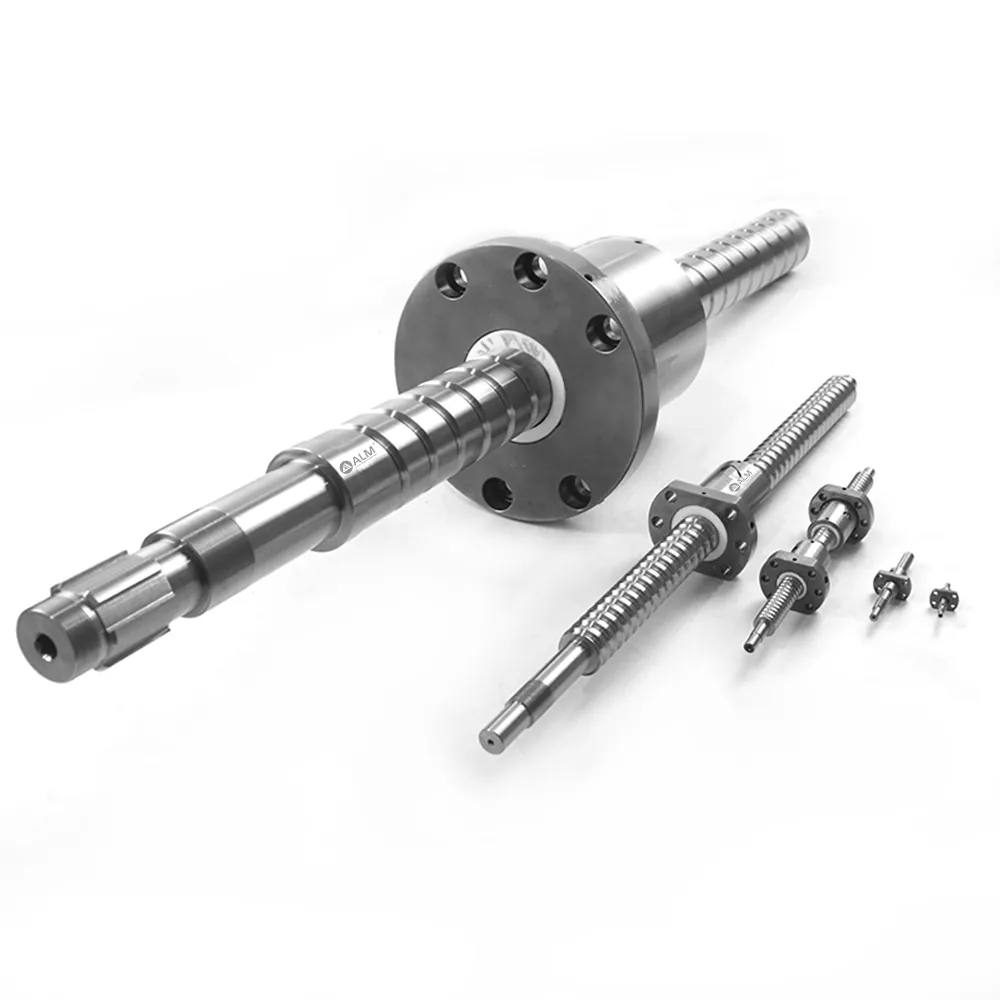
TEBAK Stainless Steel Carbon Steel Miniature High
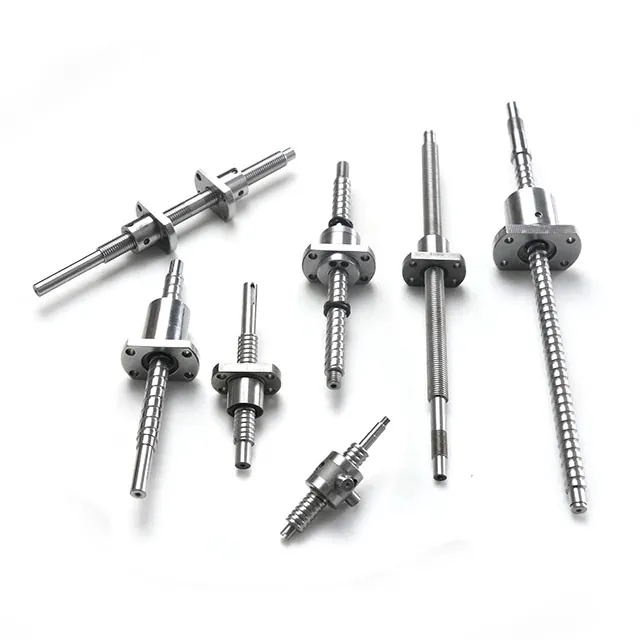
TEBAK Miniature SFK0801 SFK0802 Ball Screw, dia 8 mm
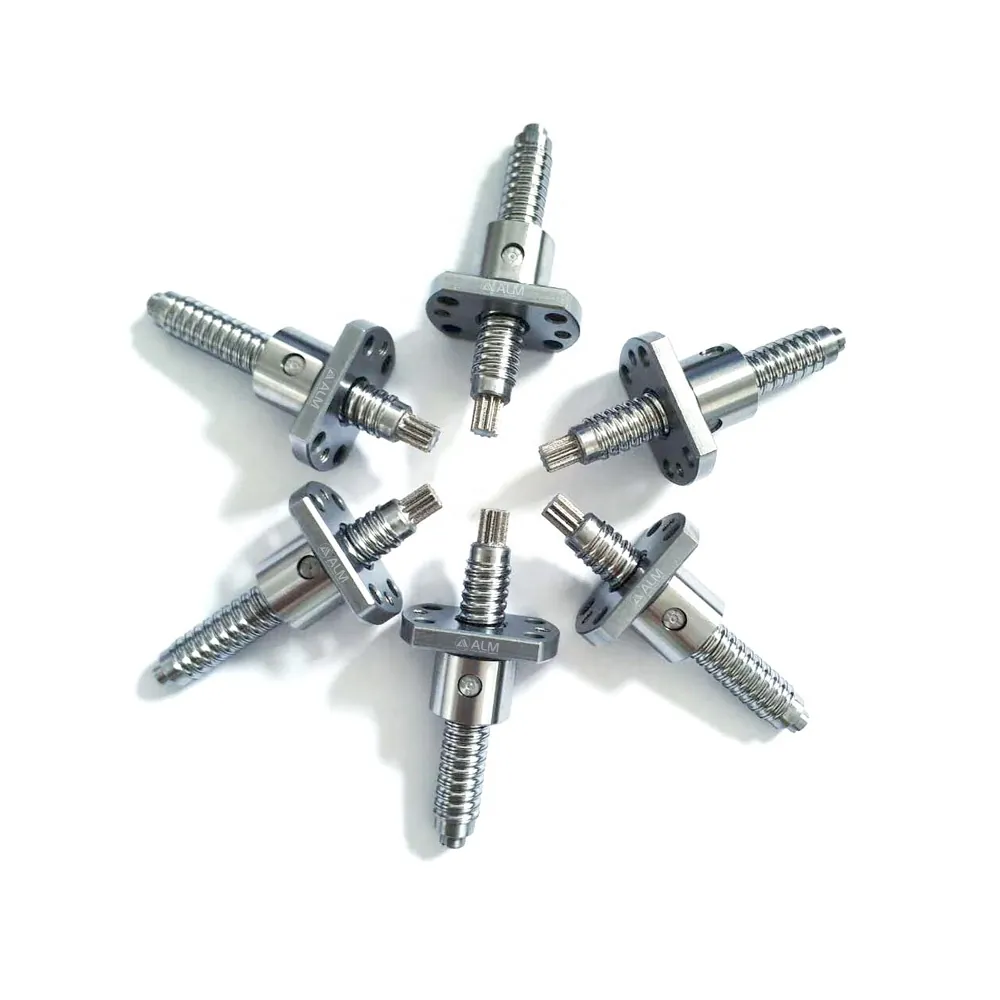
TEBAK High Precision Bearing Steel Stainless Steel
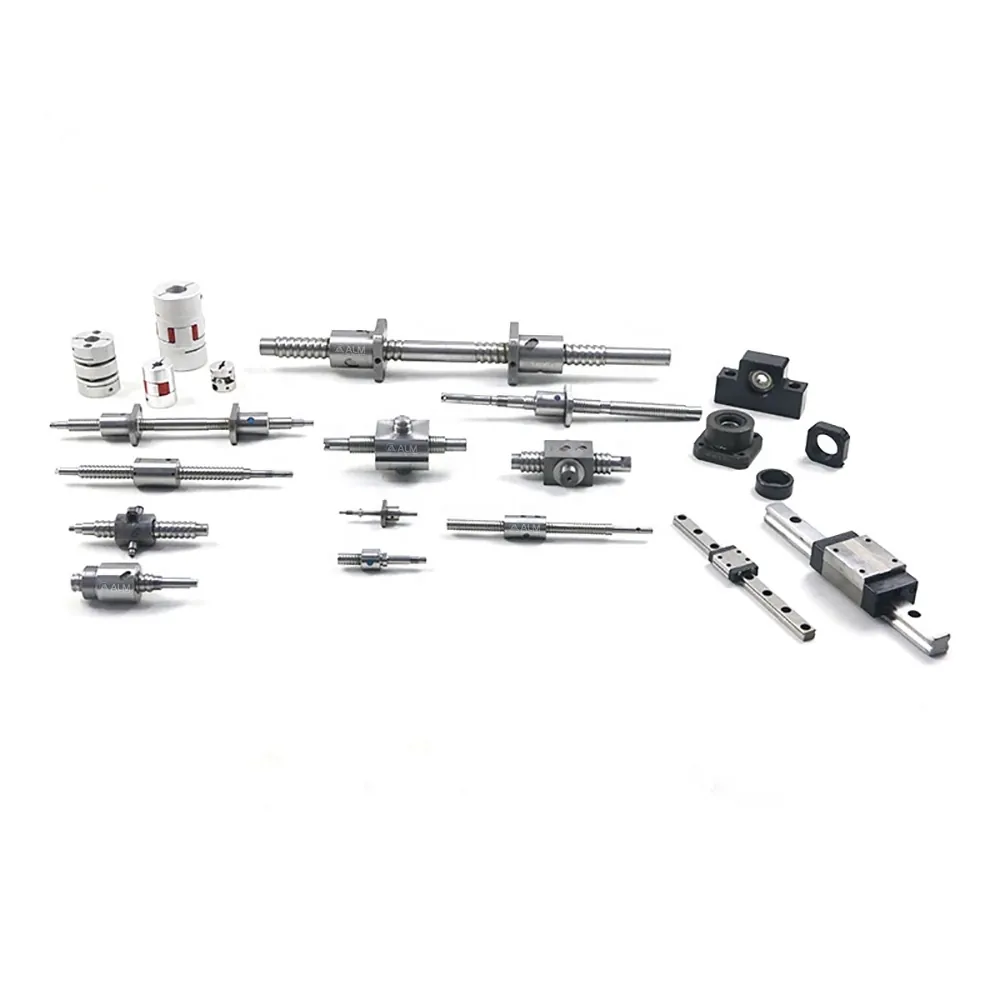
TEBAK Precision Ball Screw, dia 4 mm
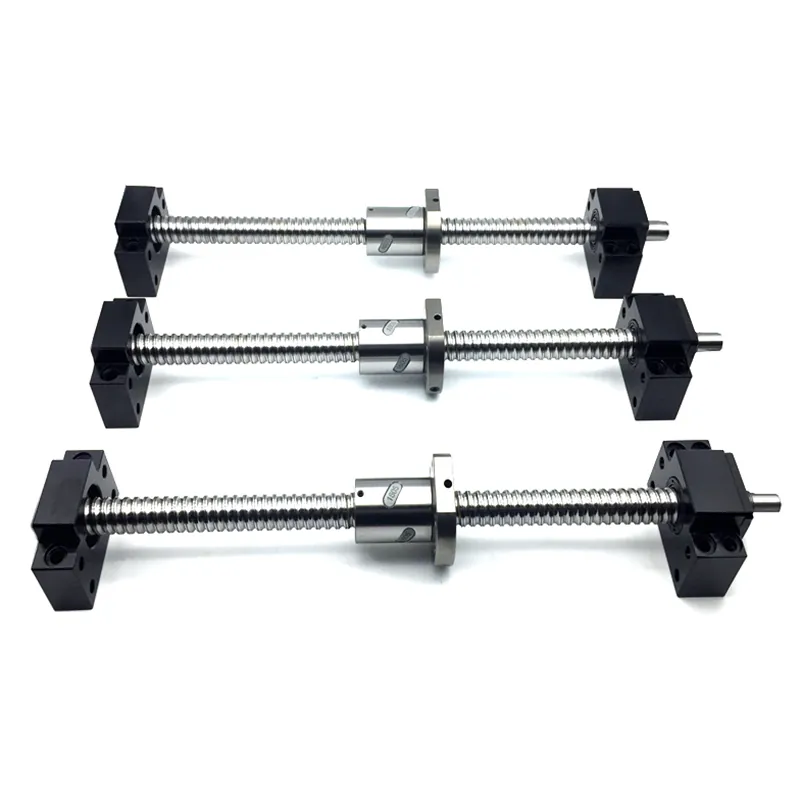
TEBAK SFU1605 Ball Screw, dia 16 mm 16 x 5 lead
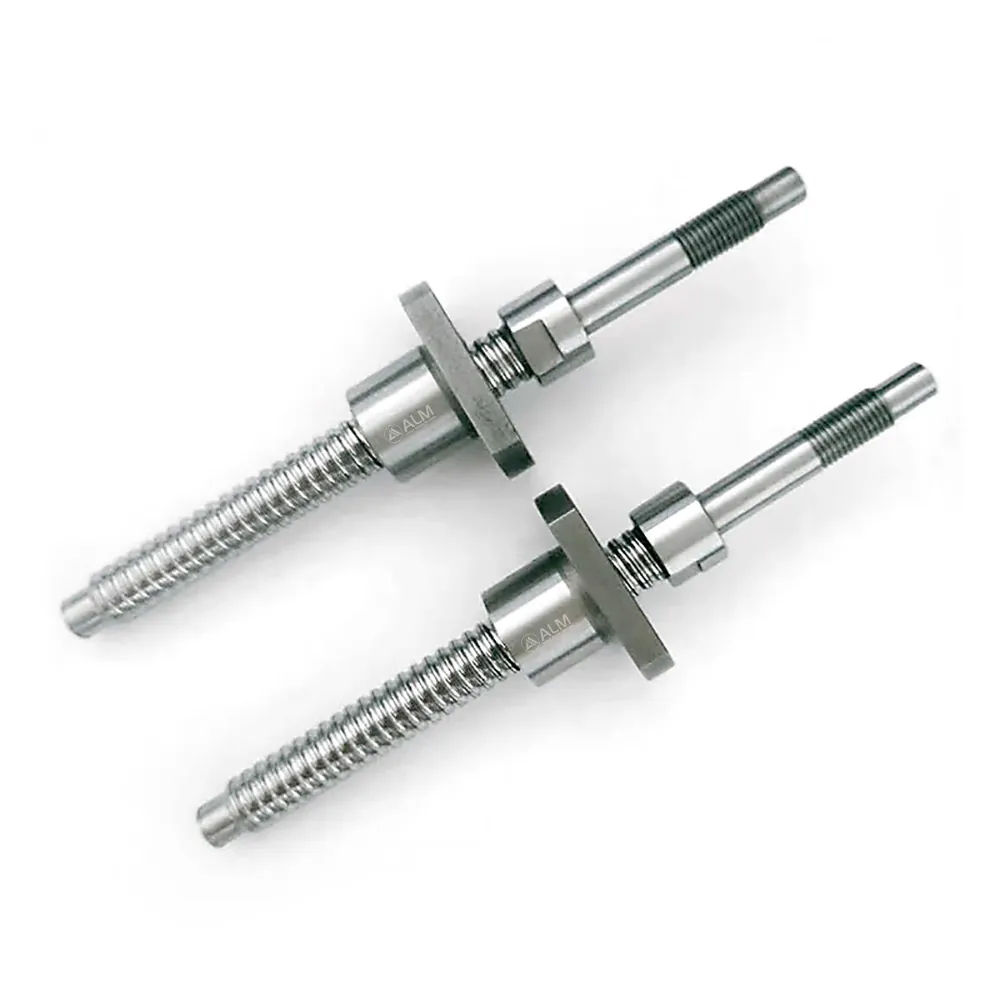
TEBAK High Precision Right Hand Thread Ball Screw 0601
Interested in this product?
Send your details and we will respond within 24 hours.