
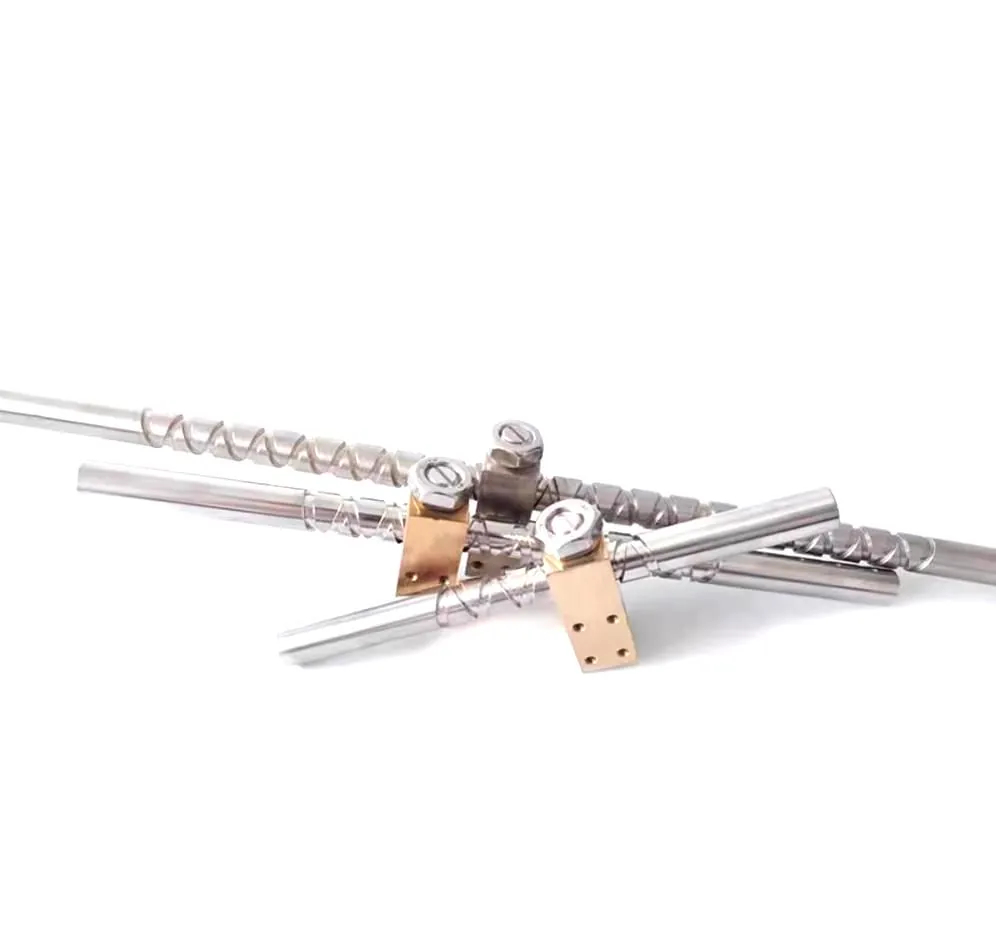
Worm Gear Stainless Steel Diameter 20mm 30mm 40mm, for CNC and 3D printers
Request pricing, MOQ and lead time for this product — we reply within 24 hours.
Supply conditions
| Place of origin | China |
|---|---|
| Warranty | 3 Months |
Values above are the manufacturer's published figures for this series. Anything not listed — dynamic load rating, straightness, preload class — is confirmed against the drawing at RFQ.
Description
Overview
A lead screw turns rotation into straight-line movement through a threaded shaft and a nut that travels along it. The thread form, the diameter and the lead set the character of the drive: a fine lead gives more force for a given motor torque and finer positioning steps, while a coarse lead gives speed. The screw in this listing is supplied as a shaft with the thread rolled or cut over the working length, with the ends machined to suit the bearing supports and the drive coupling of the machine it goes into.
Key Features
· Material: ASTM1045SUS303SUS304,SS316,SS316L
· Supplied as a replacement part or as a production item for machine builders
· Material, tolerance and surface treatment confirmed against the drawing
Specifications
The parameter table above lists the values published for this item. Where a value depends on the machine it is going into, the drawing or the RFQ fixes it, and we confirm before production rather than after.
Application
The shaft materials listed for this range are ASTM 1045 carbon steel and the stainless grades 303, 304, 316 and 316L. Carbon steel is the usual choice for general machinery because it is stiff and takes a rolled thread well; the stainless grades are specified where the screw will see moisture, wash down or a corrosive atmosphere, and 316L is the grade for the harshest of those. Surface treatment such as black chrome plating is available where wear resistance or appearance matters, and it also gives some protection against rust on a carbon steel shaft.
Backlash between the nut and the thread is the quantity that decides how the axis behaves on a reversal. A small clearance keeps the drive free but shows as lost motion when the direction changes; an anti-backlash nut removes that clearance with a spring or a split nut, at the cost of more friction and faster wear. On a vertical axis a small amount of clearance is acceptable because gravity keeps the nut loaded on the same flank, while on a horizontal axis that reverses under load the clearance appears directly as position error.
Two numbers describe the fit of the thread: the axial clearance between nut and screw, and the tolerance on the thread itself. A tighter clearance reduces lost motion but raises friction and the risk of binding when the screw warms up; a looser one is more forgiving. The straightness of the shaft and the runout of the machined ends matter just as much, because a screw that is not straight whips at speed and loads the nut unevenly along its travel.
Life is governed by the nut, not the shaft. A bronze nut in a lubricated industrial axis runs for a long time; a polymer nut in a dry, dusty machine wears faster and produces a fine powder that then acts as an abrasive. Where the nut is the wear part, design access to it: a nut that can be replaced without dismantling the machine turns a long job into a short one, and that is often worth more than a small gain in nominal life.
Installation & Maintenance
The coupling between motor and screw has to pass torque without loading the screw bearing, so a flexible coupling is used and the two shafts are indicated before it is tightened. The axial position of the screw should be set at the same time: a screw that is pushed or pulled by its coupling runs with a preload error or with end float, and both show up as position error that no amount of tuning will remove. After the first hours of running, re-check the bearing preload and the coupling screws.
Maintenance of a lead screw axis is mostly inspection. Look at the thread for a polished band where the nut spends most of its time, which shows the working zone; check the nut for axial play by rocking the driven part with the motor locked; and listen for a change in pitch as the nut passes a particular point, which points to a damaged section of thread. A nut with measurable play can often be adjusted or replaced on its own, without touching the screw.
Lead screws also carry the adjusting movements of instruments and test equipment, where the requirement is fine resolution rather than speed. A fine lead with a stepper motor gives small steps and high force, and the nut can be preloaded to remove most of the play. The same combination appears on optical mounts, on sampling stages, and on the manual adjustment of machine tools where a handwheel drives a screw through a graduated dial.
To quote a lead screw, the useful information is the nominal diameter, the lead, the overall length and the thread length, the material of the shaft and of the nut, the accuracy class and the clearance, and a drawing of the end machining. Where the end detail is not fixed yet, say which bearing and which coupling will be used and the journals can be proposed. Quantity and the delivery date complete the picture.
Package & Lead Time
Standard export packing: each part is sleeved and cartoned, screws and rails are protected along their length, and larger assemblies travel crated. Lead time is confirmed with the quotation: standard sizes normally ship within 5 to 15 days of a confirmed drawing, custom parts against the agreed schedule. Minimum order is one piece, and sample orders are accepted before a production run.
Request a Quote
Send the model number or the drawing, with the shaft or rail size and the quantity you need, and we will reply with a quotation. For non-standard lengths, bore pairs, keyways and material changes we work from your drawing; bulk orders are quoted per quantity band and a sample can be supplied for approval.
Related components
Detail images
Related products
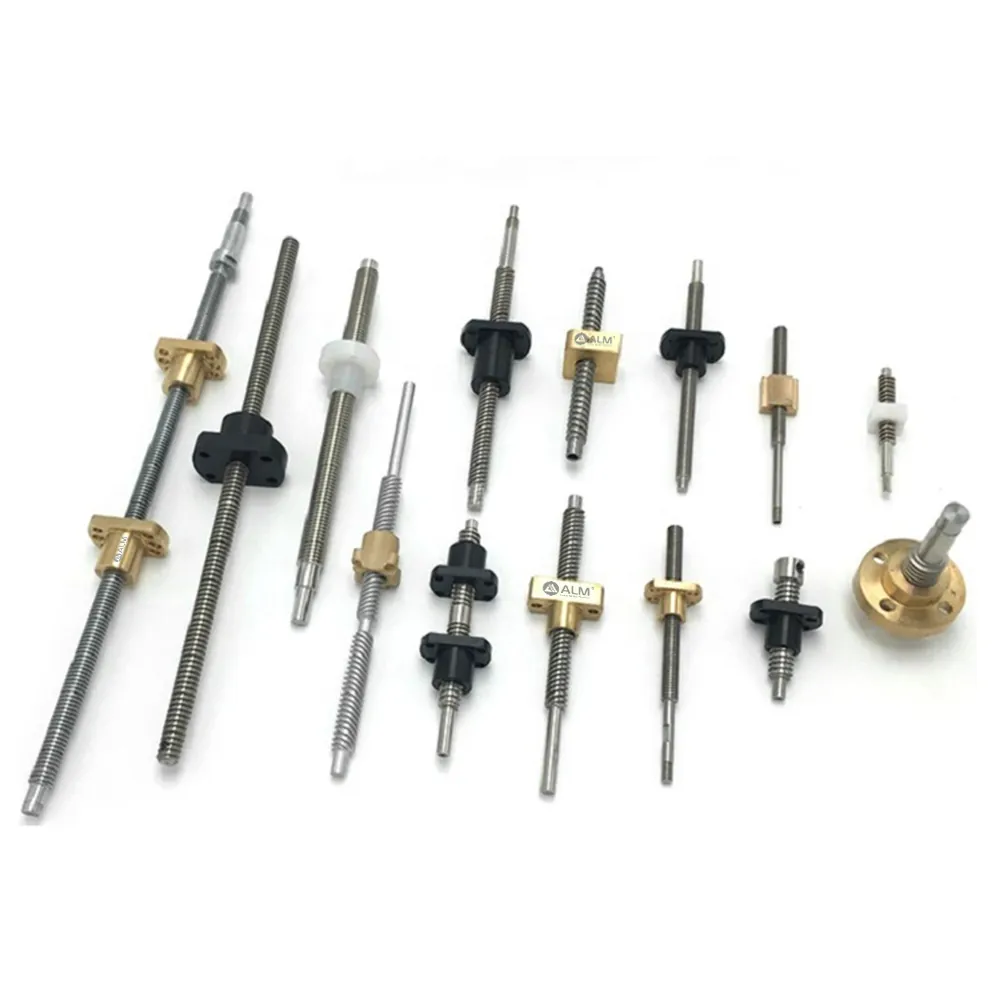
TEBAK Precision Lead Screw, dia 12 mm
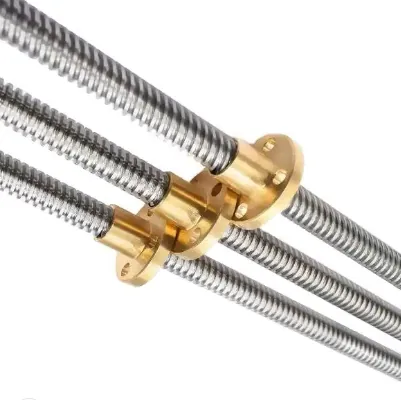
TEBAK T20–T25 Lead Screw, dia 25 mm
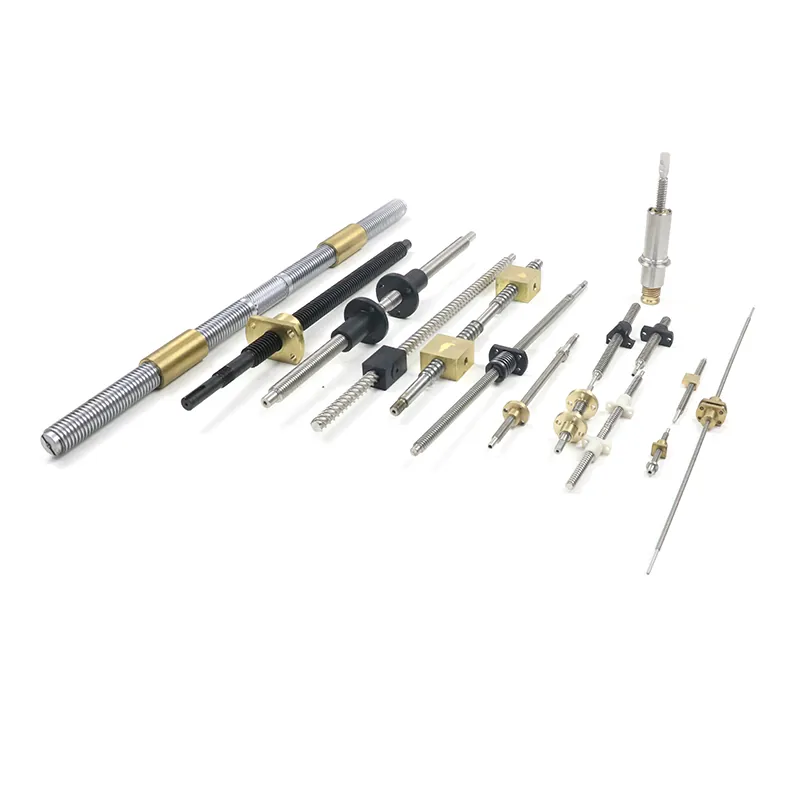
TEBAK Miniature T5–T10 Lead Screw, dia 10 mm
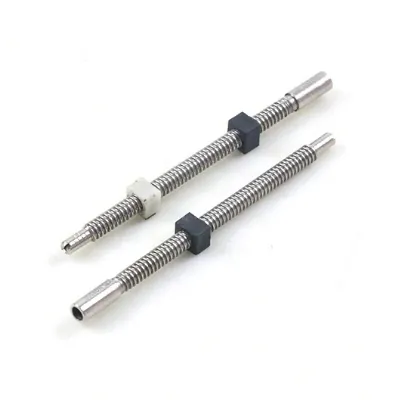
TEBAK Stainless Lead Screw, lead 8 mm
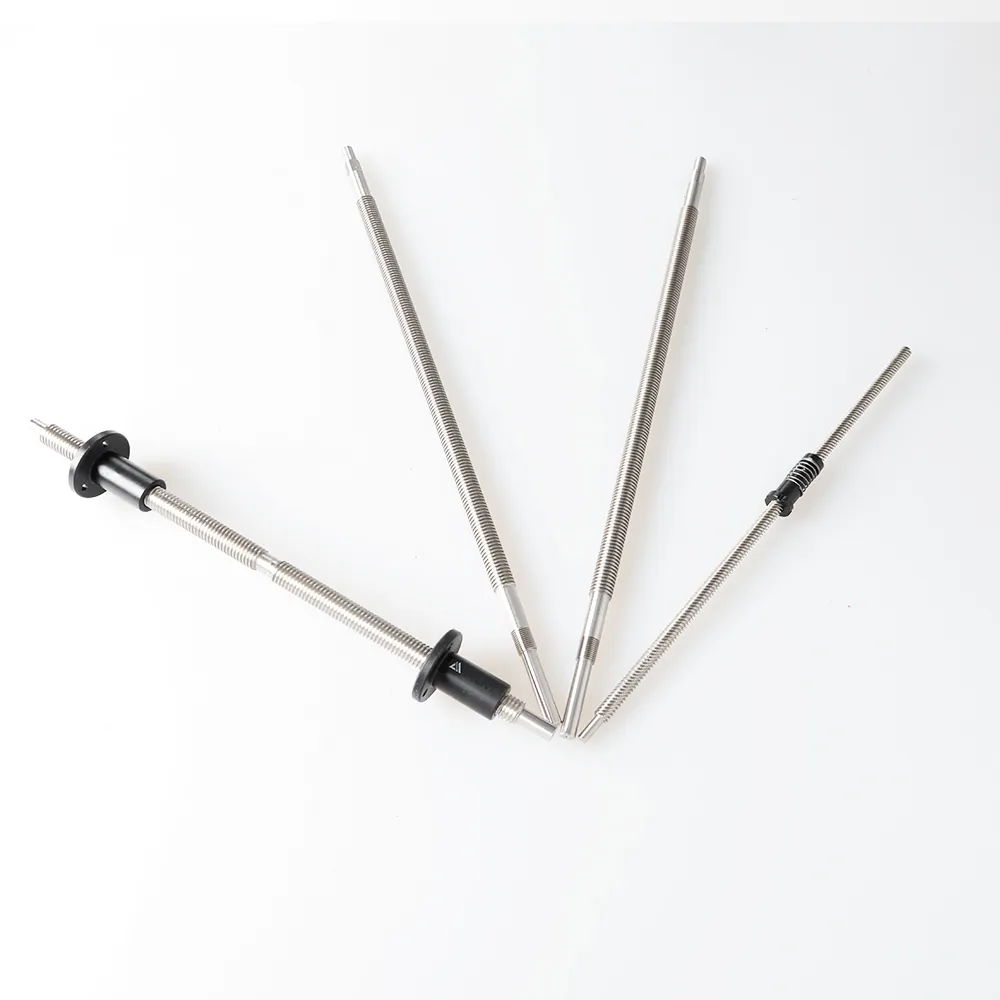
TEBAK ASTM1045,SUS303,SUS304 — T8–T16 Lead Screw, lead
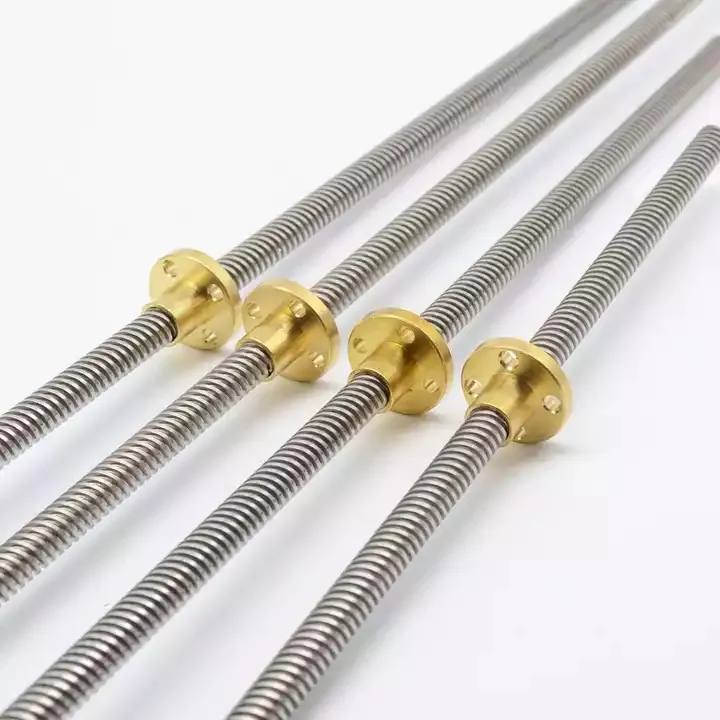
TEBAK Stainless Lead Screw, dia 36 mm
Interested in this product?
Send your details and we will respond within 24 hours.